
What the shop needed in Benoni
The client was a jobbing shop in Benoni handling a changing mix of aluminium, mild steel and stainless jobs for local manufacturers and repair work. Their main issue was not one single part family but the amount of changeover time between small batches, plus tool wear that made planning difficult when a rush order landed late on a Thursday afternoon.
The brief was clear. They needed a practical carbide range that could cover common diameters, keep tool life predictable and reduce the number of tool changes on each program. They also wanted advice on feeds and speeds for a few troublesome operations, because some cutters were lasting well enough in one material and then failing too early in another. A simple answer would not do, they needed a kit that could adapt.
The constraints on the floor
Like many jobbing shops in Gauteng, they had to work around power interruptions, limited spindle time and operators who were shared across more than one machine. The workshop could not afford long trial runs. If a cutter was wrong, the job slipped, and the rework ate up the margin. Coastal humidity was not an issue in Benoni, but cooling and chip evacuation still mattered on stainless and deeper pocketing jobs.
There was also a stock constraint. The team did not want too much money sitting in slow-moving tools. They needed the right sizes on hand for repeat work, but not a mountain of extras. Their main concern was consistency, because a jobbing shop lives and dies by being able to restart a part after a break in production without guessing the settings again.
- Mixed batch work with frequent changeovers
- Short lead times and urgent repeat orders
- Limited room for holding excess stock
- Need for stable performance across several materials
- Pressure to keep spindle time productive during load-shedding windows
What we supplied and how we set it up
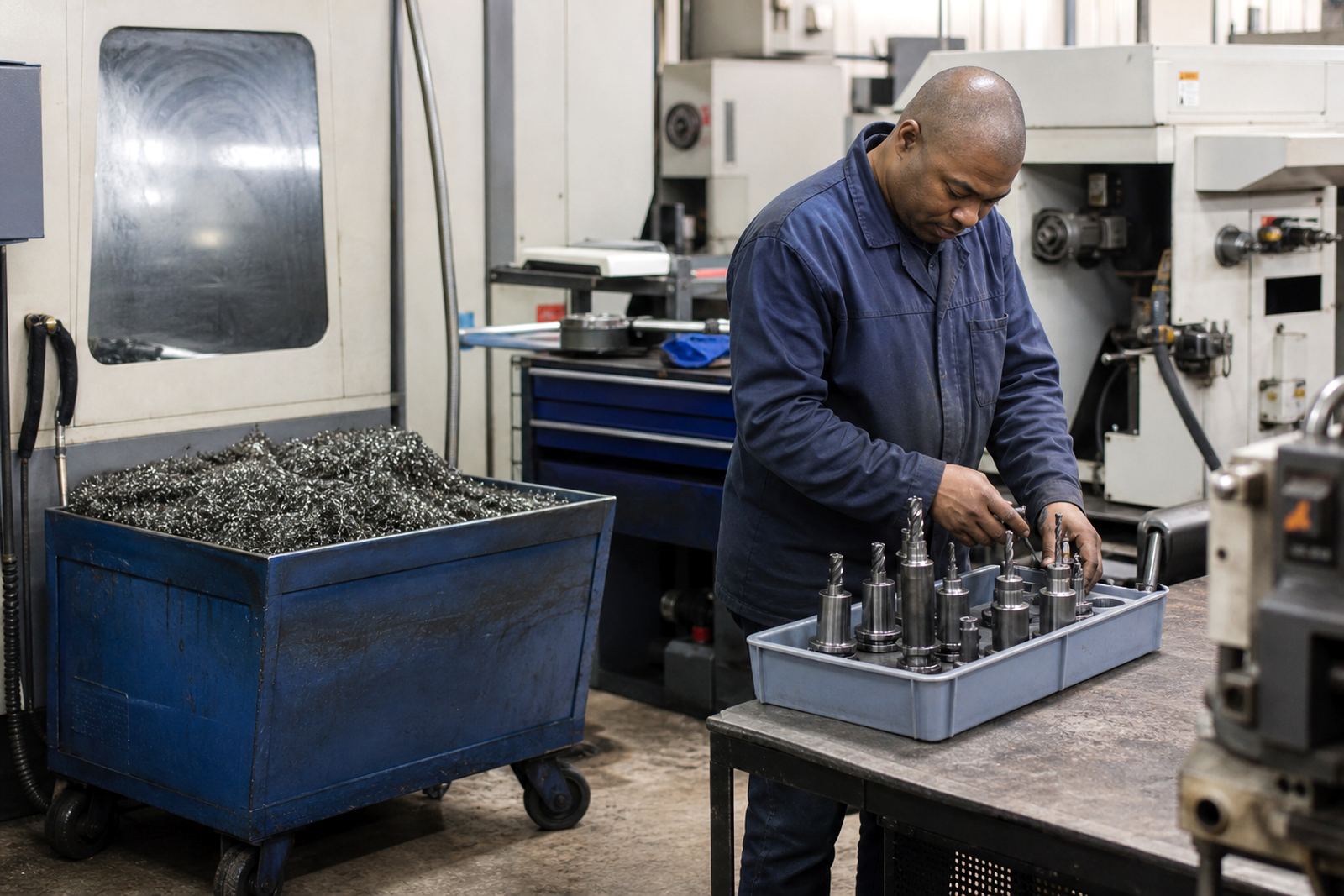
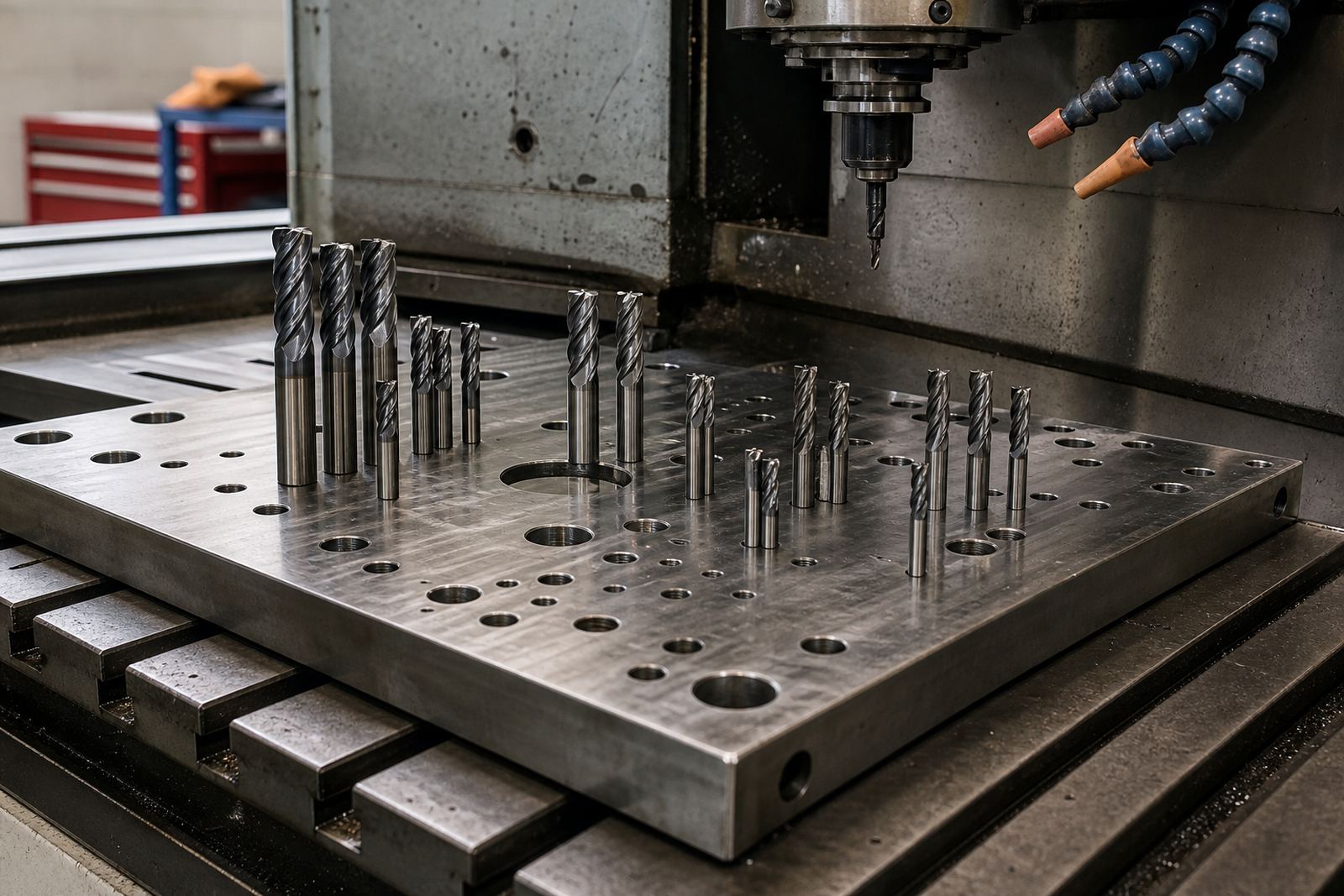
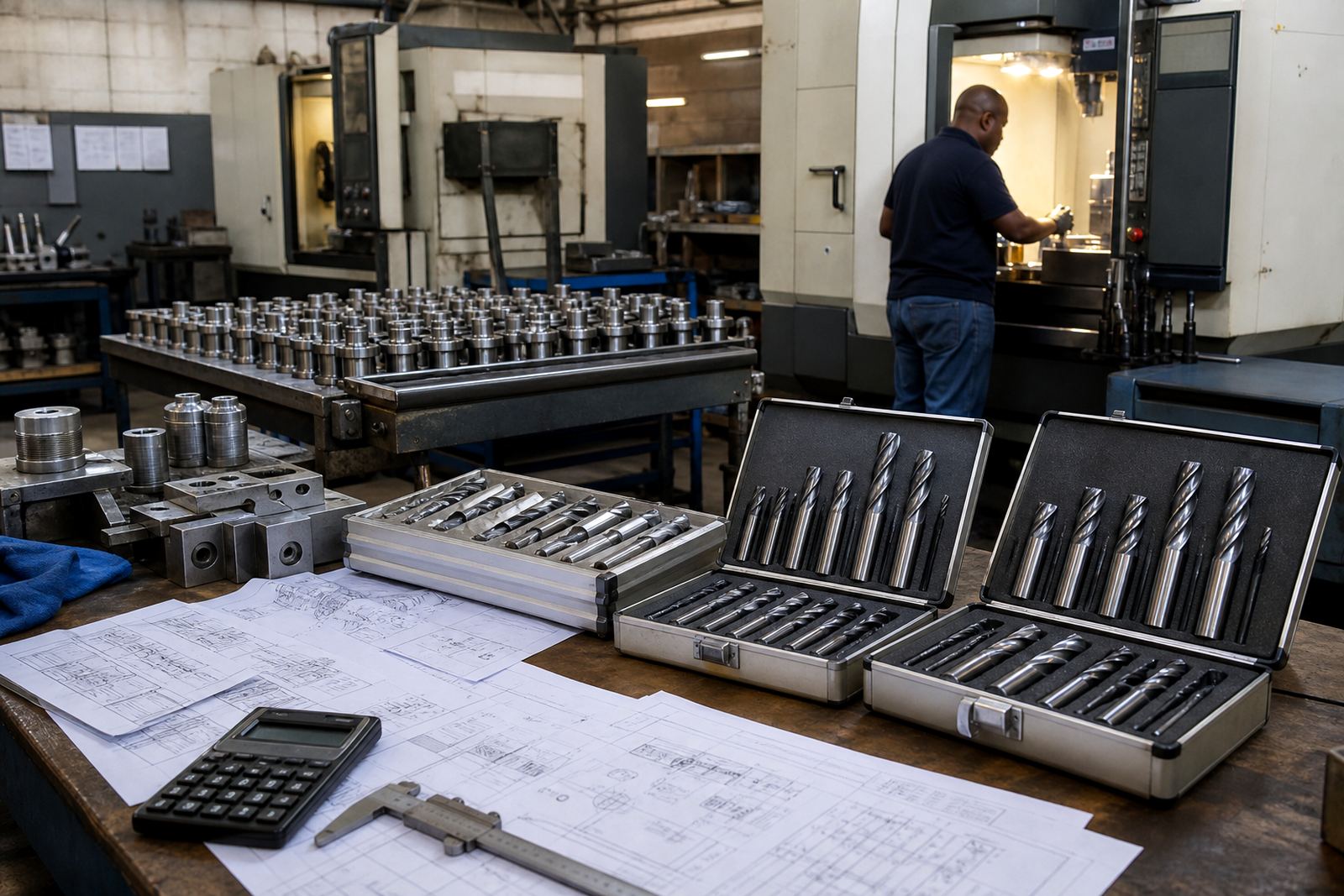
We supplied a mixed carbide tool package built around solid carbide end mills and drills in the sizes they used most often. The range included general purpose end mills, longer reach options for deeper pockets and small diameter drills for pilot holes and finishing work. We matched the tool geometry to the material groups they ran most often, with attention to chip load, flute count and coolant delivery.
Johan Smit handled the technical setup and worked through the common jobs with their programmer and setter. We gave feed and speed advice for roughing, slotting and finishing, then suggested where a two-flute cutter made more sense and where a higher flute count would improve finish. Lerato Mokoena then helped the client separate fast-moving tools from low-volume sizes so the stock plan stayed manageable.
- Solid carbide end mills for roughing, slotting and finishing
- Solid carbide drills for pilot holes and production drilling
- Size mix suited to small batches and repeat jobs
- Application support for aluminium, mild steel and stainless
- Stock planning to cut emergency buying
Timeline from first enquiry to first production run
The project ran over three weeks. In week one we reviewed the job list, the machine types and the most common tool failures. In week two we supplied the first batch of cutters and worked through feeds, speeds and order priorities. In week three the shop trialled the tools on live work and came back with the results from the first production runs. That quick turn around mattered because their backlog was already building up.
Anele Dlamini coordinated the dispatch side so the urgent items reached the shop in time for the next shift. Thabo Molefe managed the warehouse packing by batch, which made the re-order list easier to track later on. The team appreciated that the first supply was not oversized. It was enough to get going, but not so much that it crowded the shelf space.
Results after the first month
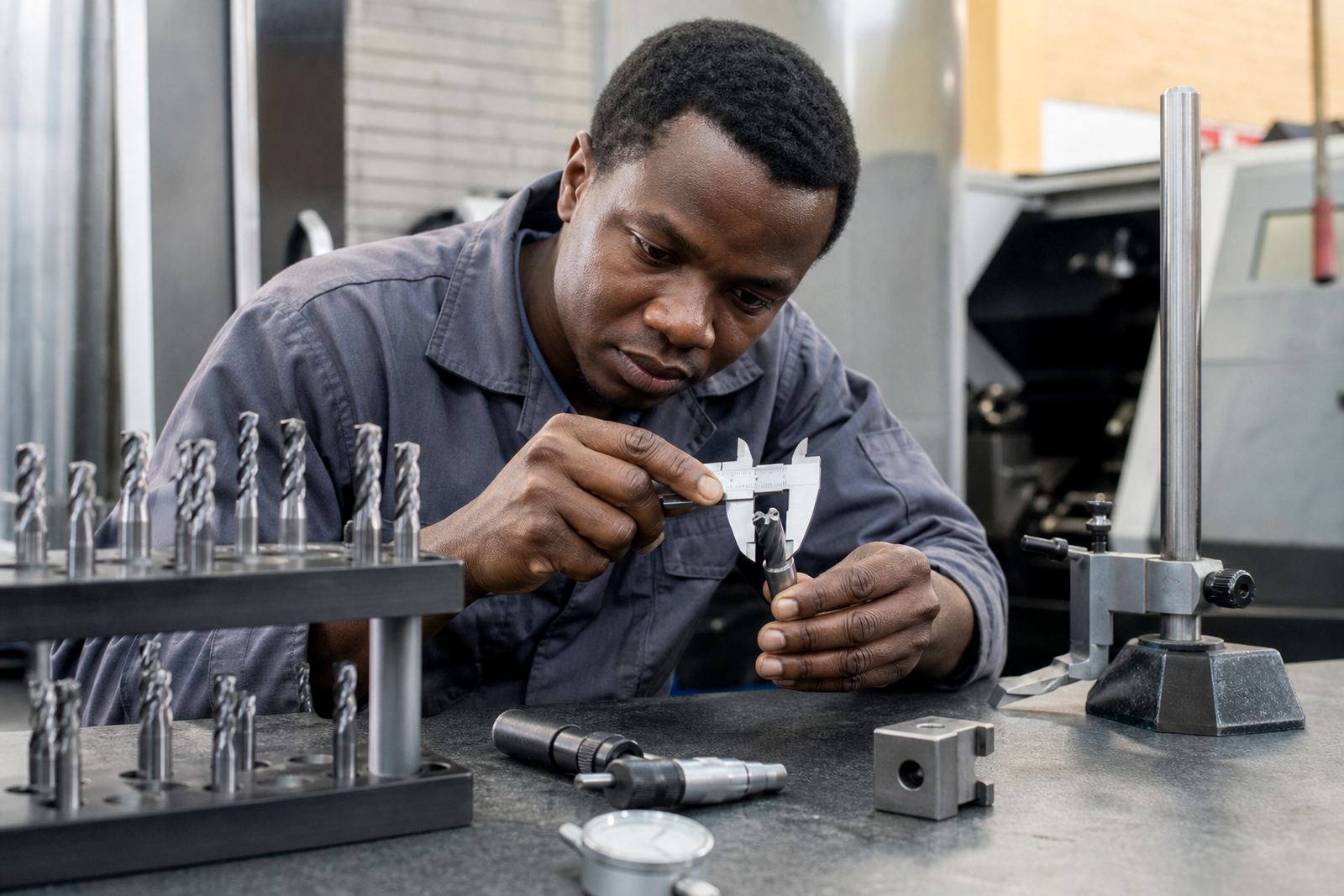
After the first month, the shop had shorter set-up times on repeat jobs and fewer stoppages caused by blunt or unsuitable cutters. They reported steadier hole quality, cleaner finishes on the smaller end mills and less wasted time recutting parts that drifted out of tolerance. In practical terms, that meant they could take on extra jobs without forcing overtime every week, which is where a jobbing shop starts to feel the squeeze.
They also found it easier to plan around load-shedding because the cutter performance was more predictable once the feeds and speeds were dialled in. The operator did not have to keep guessing at settings from one batch to the next. There was less scrap from tool failure and fewer panic calls for replacements. Not every job changed, but the shop had a better grip on the work flow and that made a clear difference.
- Shorter changeover times on repeat parts
- Better hole consistency and cleaner finishes
- Less scrap from premature tool wear
- More reliable planning for urgent work
- Reduced emergency purchases during busy weeks
What we would do again for a similar shop
If we were doing this again for another Benoni jobbing shop, we would start with the highest turn-over cutters first, then layer in the less common sizes only after the live jobs were confirmed. That keeps the cash tied up in the right place and avoids loading the shelf with items that may sit for months. We would also repeat the same approach on the programming side, because a good tool only performs properly when the process is set up for it.
For mixed batch work, the best result usually comes from a tight tool list, clear material matching and practical support during the first runs. That is especially true when the shop is balancing rush orders, machine time and staff across more than one shift. Marius van der Merwe keeps that approach simple: specify the right carbide tool, document the settings, and keep the spares at a level the shop can actually use. It is not fancy, it just works.
Key facts
| Project location | Benoni, Gauteng |
|---|---|
| Client type | Jobbing shop with mixed batch CNC work |
| Materials covered | Aluminium, mild steel and stainless steel |
| Main supply | Solid carbide end mills and drills |
| Timeline | 3 weeks from brief to first live production trial |
| Outcome | Shorter set-ups, better repeatability and fewer tool related stoppages |