








Machining Journal
Home / Journal

Machining Journal

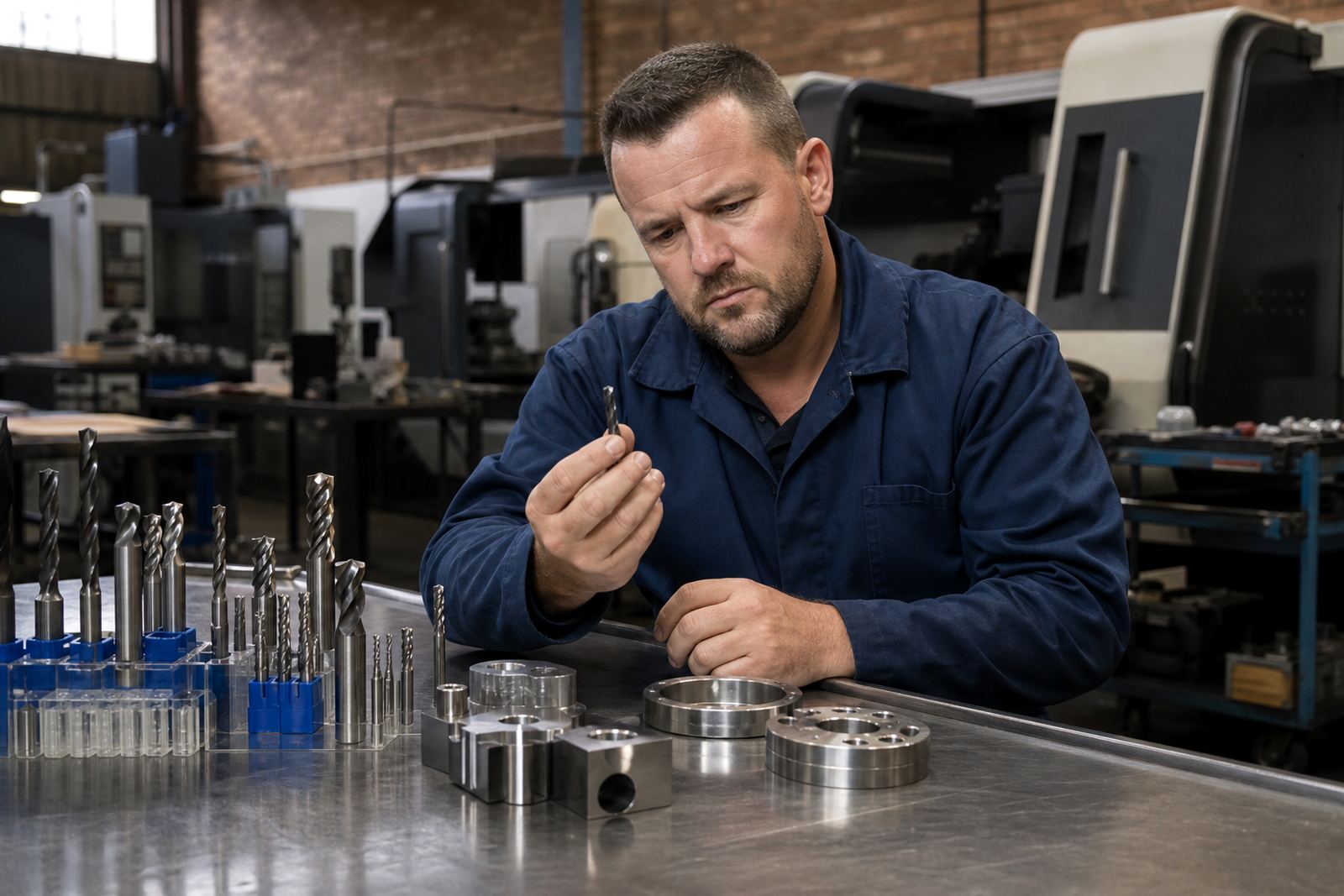
Read practical articles on carbide tooling, CNC cutting conditions and workshop efficiency. The journal is written for South African machinists, buyers and engineering teams who want grounded, useful guidance.

End Mill Basics

End Mill Basics

A simple introduction to flute types, geometries and common carbide milling uses.

Drill Basics

Drill Basics

Understand key drill features that affect hole quality, chip flow and stability.

Flute Count Explained

Flute Count Explained

How flute count affects chip evacuation, rigidity and feed capability in practice.

Choosing Tool Diameter

Choosing Tool Diameter

Why cutter diameter matters for reach, strength, finish and pocket access.

Chip Evacuation Tips

Chip Evacuation Tips

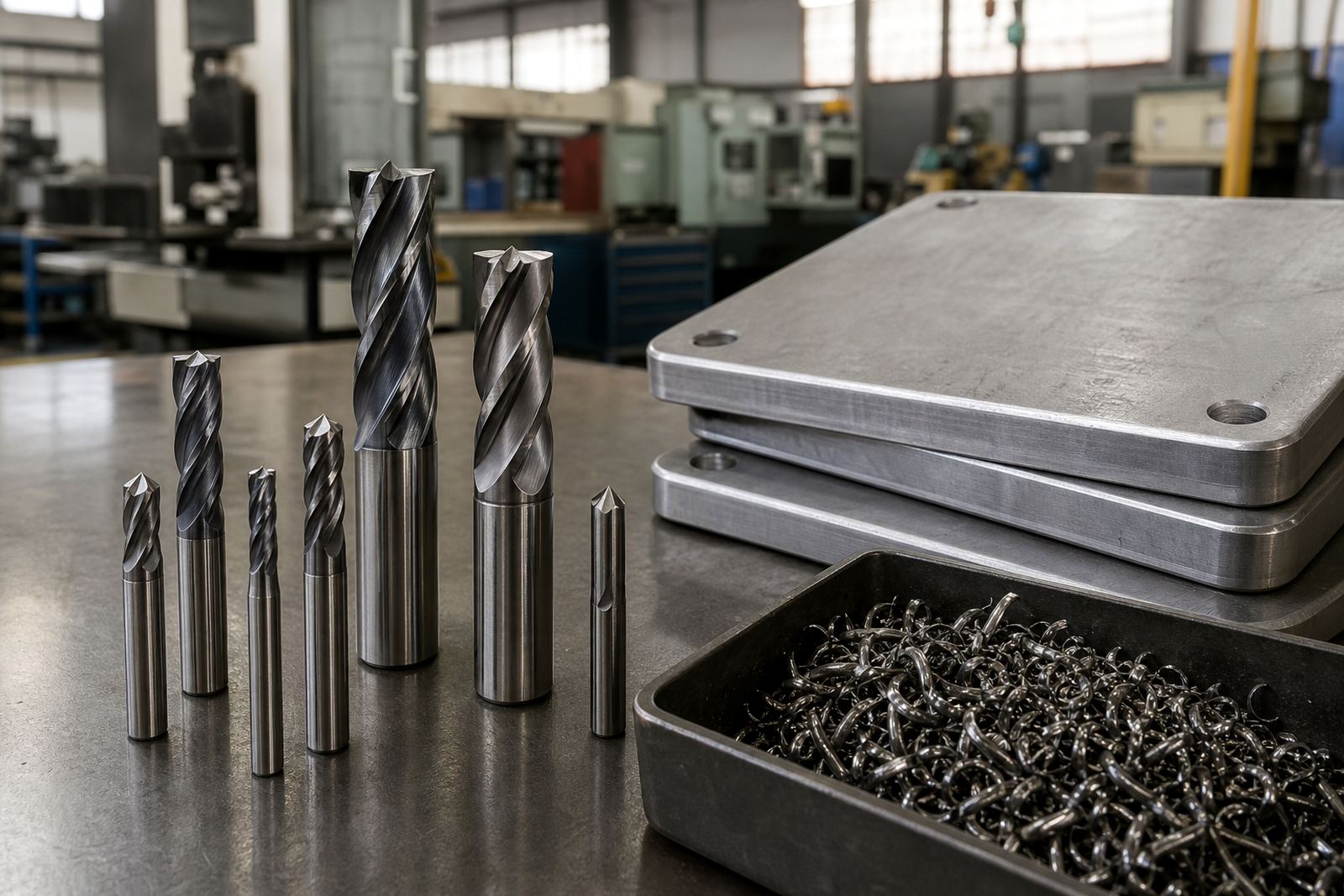
Practical ways to improve chip clearing and avoid recutting during CNC operations.

Avoiding Tool Chatter

Avoiding Tool Chatter

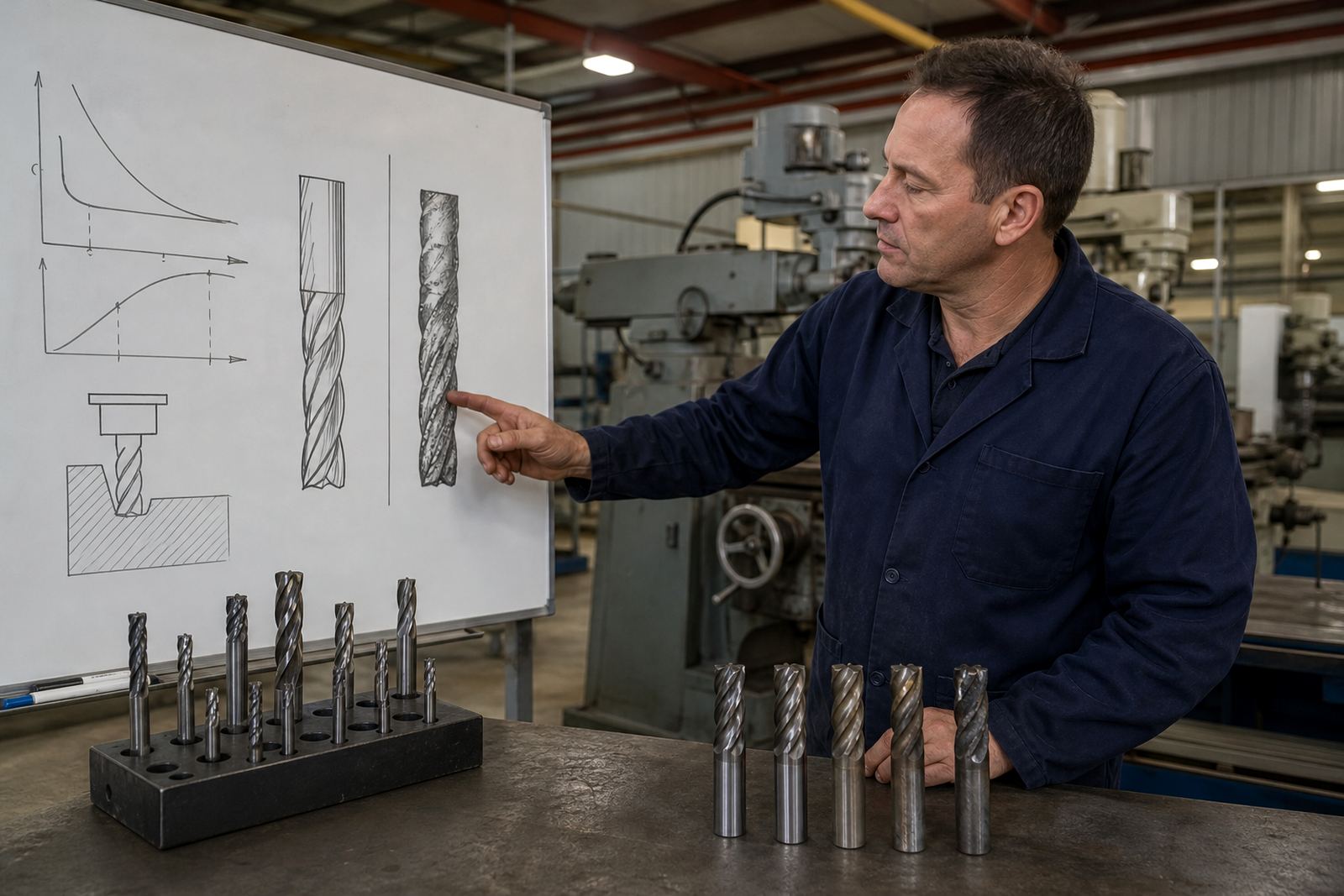
Common causes of vibration and how to improve cut stability.

Improving Surface Finish

Improving Surface Finish

Small changes in tooling and setup that can lift finish quality.

Aluminium Cutting Notes

Aluminium Cutting Notes

Tips for cleaner edges, faster feeds and reduced built-up edge in aluminium.

Stainless Cutting Notes

Stainless Cutting Notes

How to approach stainless machining with better heat control and edge protection.

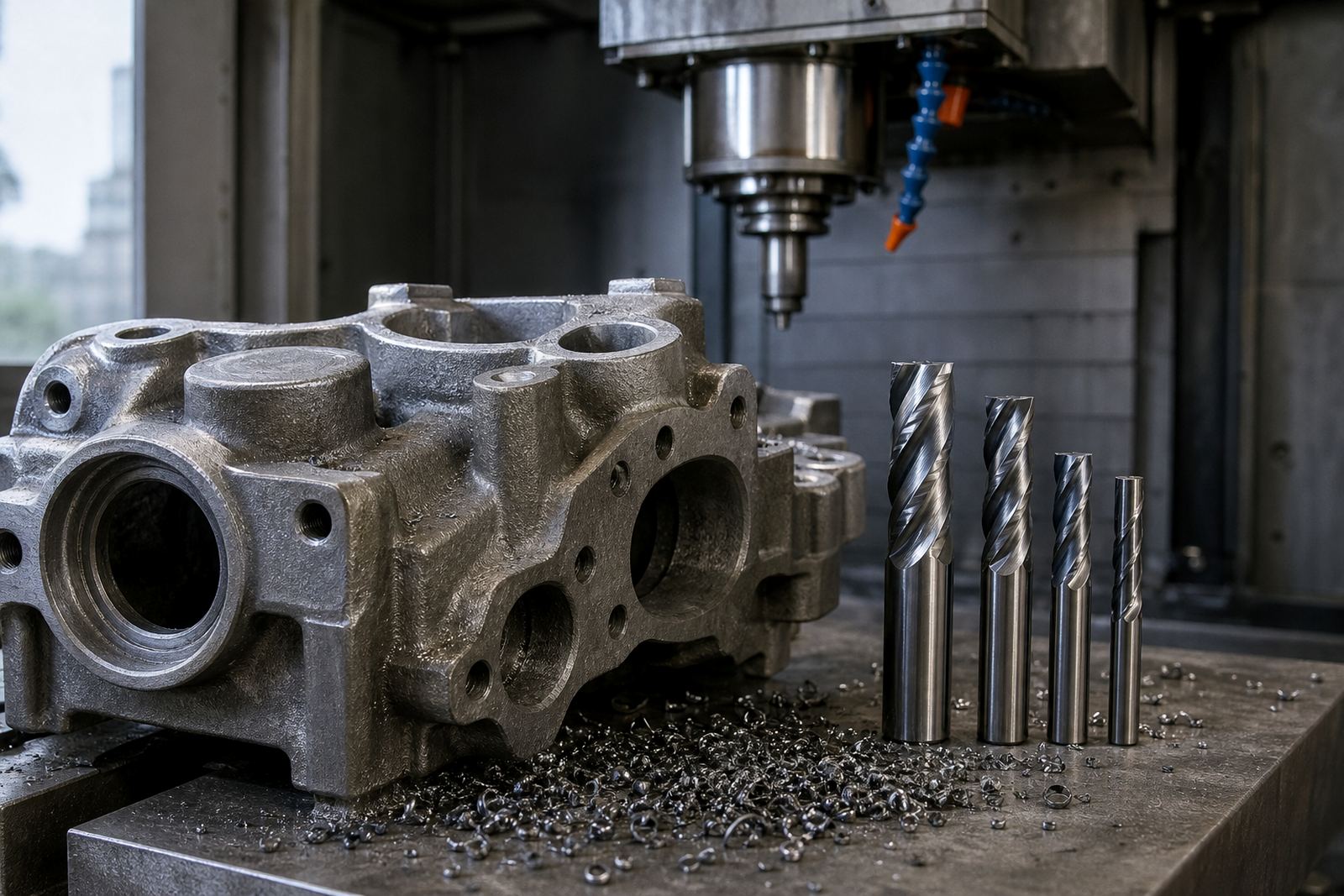
Cast Iron Cutting Notes

Cast Iron Cutting Notes

What to watch when machining abrasive cast iron parts and housings.

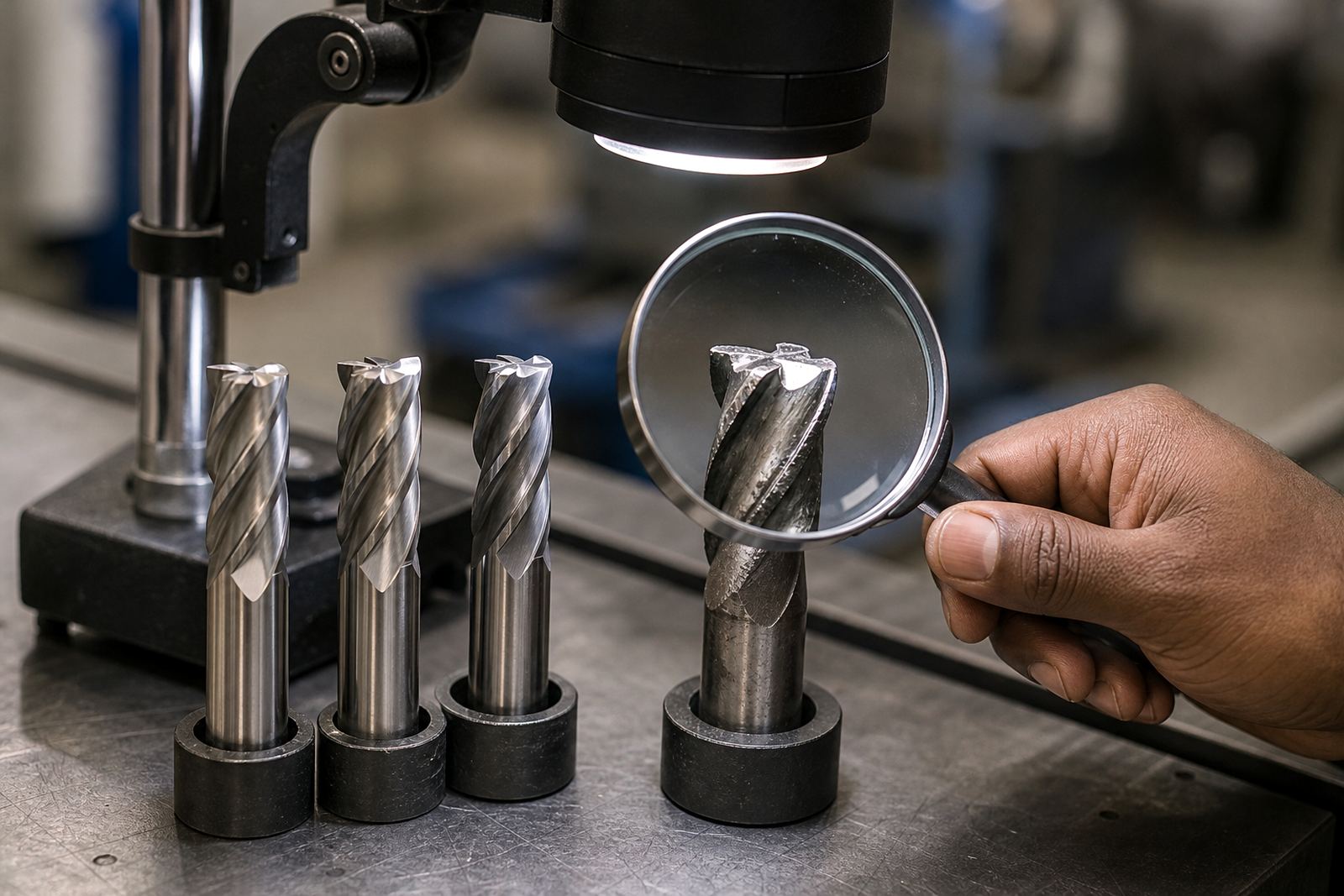
Tool Life Signs

Tool Life Signs

Recognise early signs of wear before finish and accuracy start slipping.

Common Drilling Errors

Common Drilling Errors

Typical drilling mistakes that lead to poor size, wandering and short tool life.

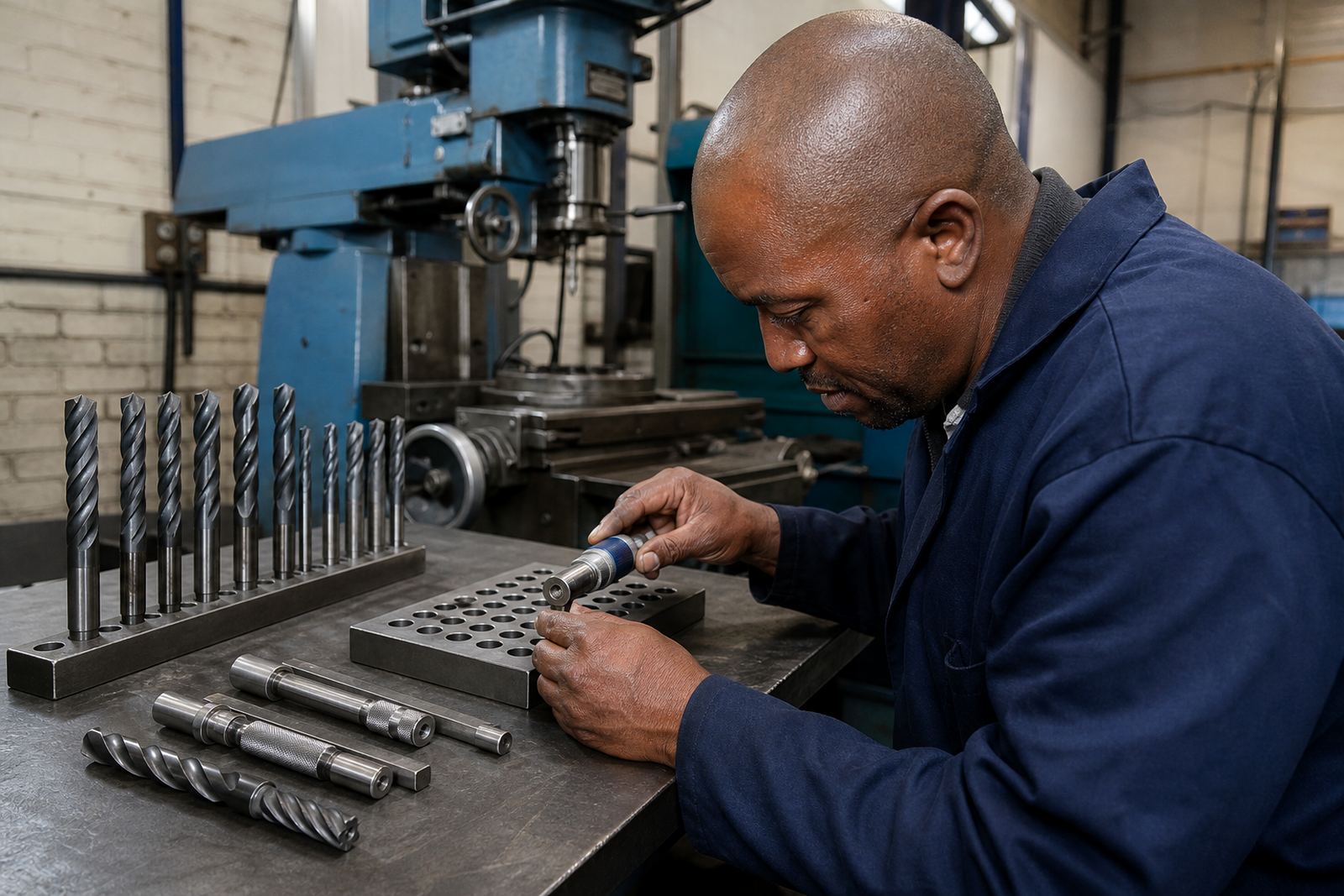
Hole Quality Checks

Hole Quality Checks

Simple inspection habits for more consistent drilled results on CNC jobs.

Deep Cavity Milling

Deep Cavity Milling

Considerations for long-reach tools, deflection and stable engagement in cavities.

Trochoidal Paths

Trochoidal Paths

Why high-efficiency toolpaths can help with heat control and productive cutting.

Ramping vs Plunging

Ramping vs Plunging

Compare two entry methods and when each approach suits the tool and job.

Coolant or Dry

Coolant or Dry

A practical look at coolant use across different materials and cutter styles.

Rigidity Matters

Rigidity Matters

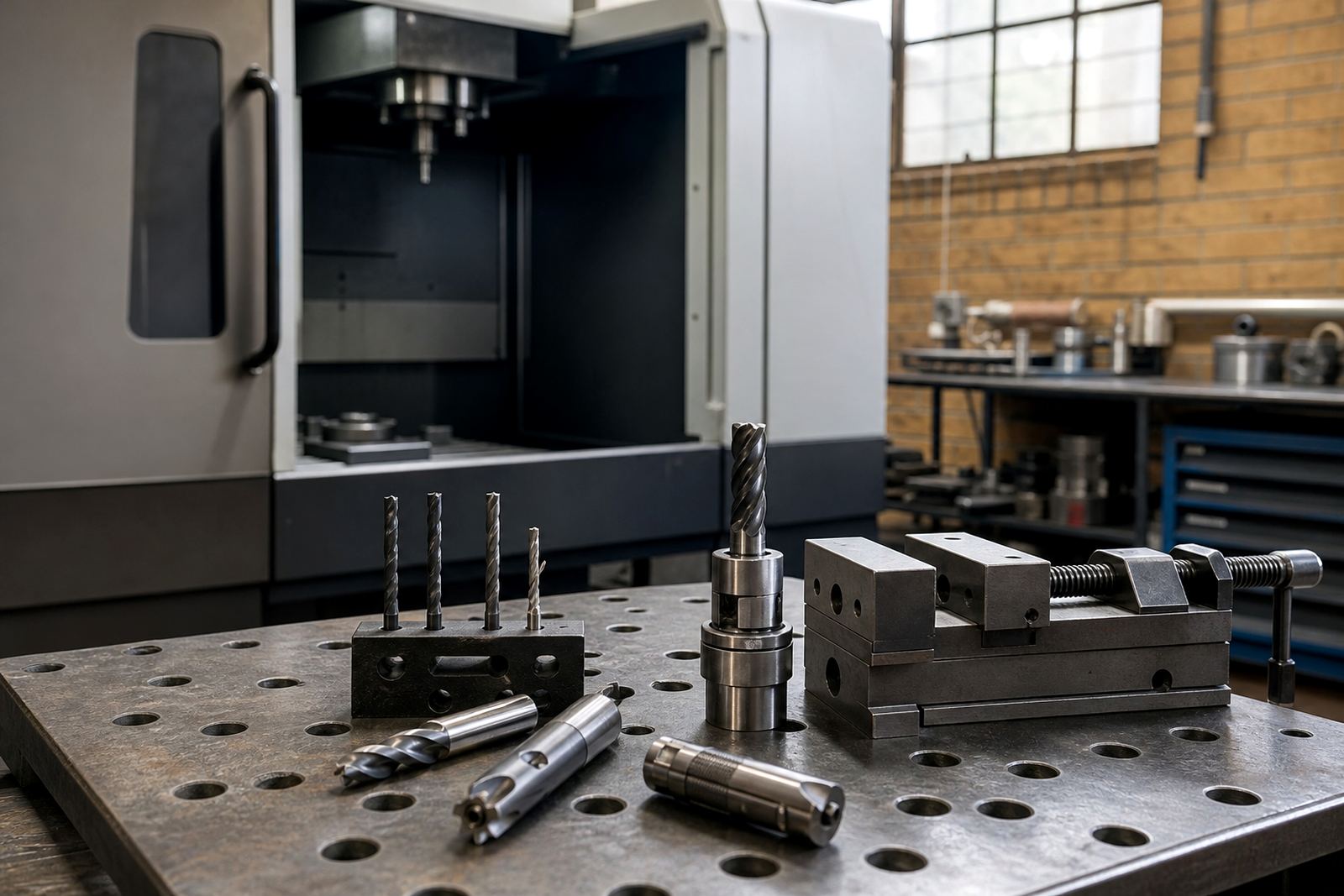
Why holder, overhang and workholding can decide carbide tool performance.

Short Tool Advantage

Short Tool Advantage

How shorter tools often improve control, finish and predictable tool life.

Micro Tool Handling

Micro Tool Handling

Safe handling and setup advice for delicate small-diameter carbide tools.

Edge Prep Importance

Edge Prep Importance

How cutting edge condition influences stability, finish and wear behaviour.

Coating Purpose

Coating Purpose

What tool coatings generally do and why application still matters most.

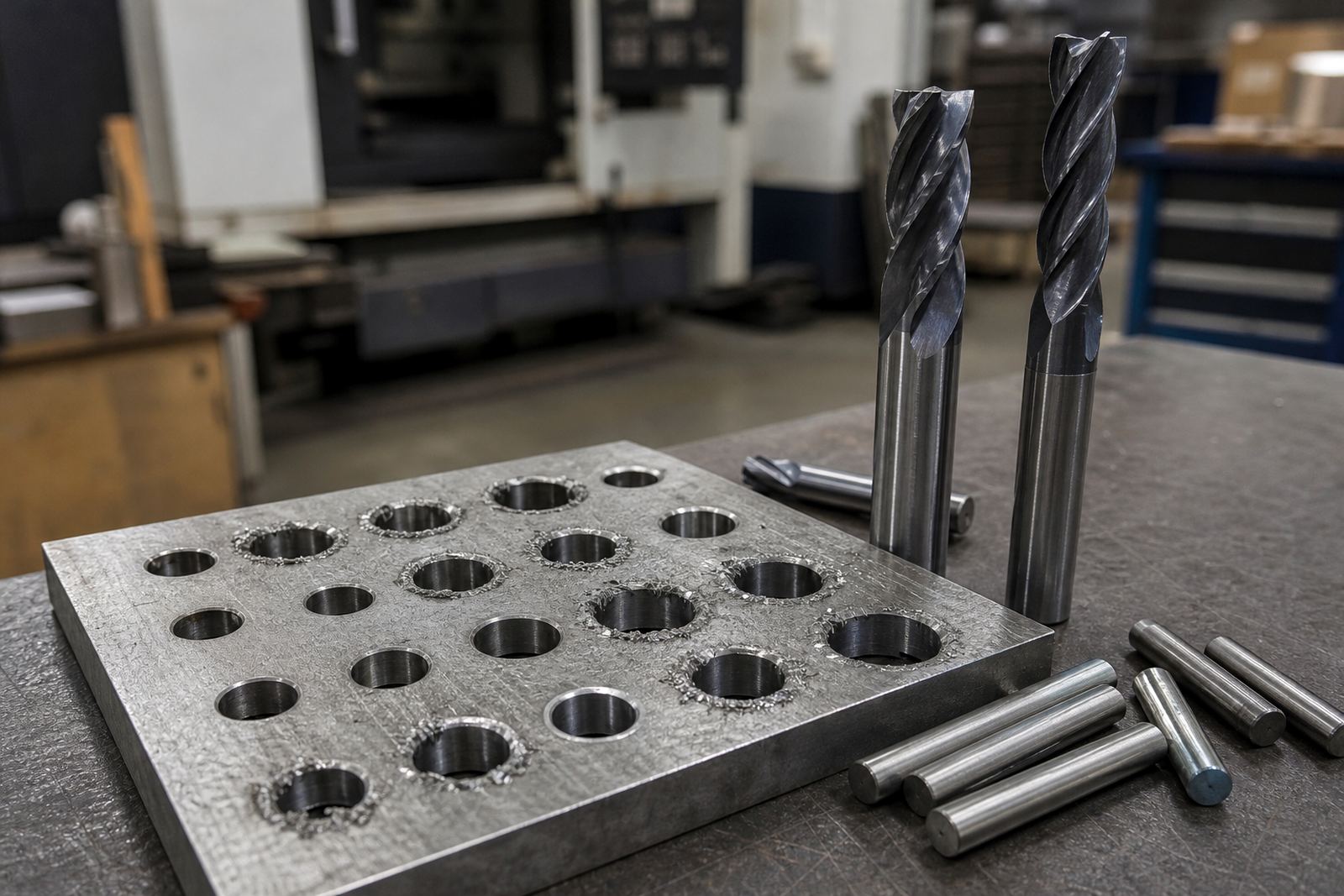
Fixture Plate Strategies

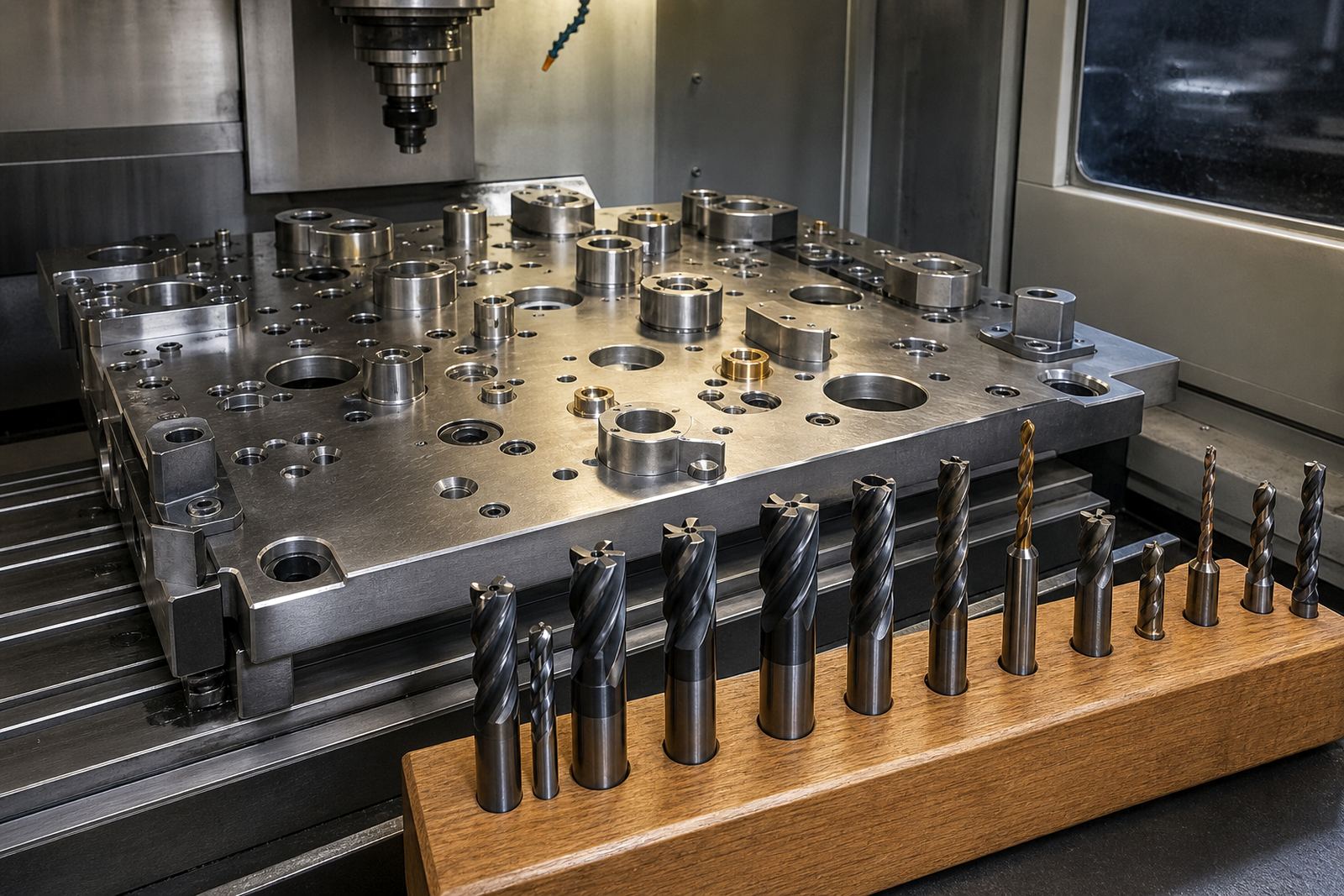
Fixture Plate Strategies

Tooling tips for repeatable hole patterns, pockets and edge work on plates.

Deburring With Carbide

Deburring With Carbide

Using chamfer and small milling tools to reduce hand finishing time.

Thread Milling Benefits

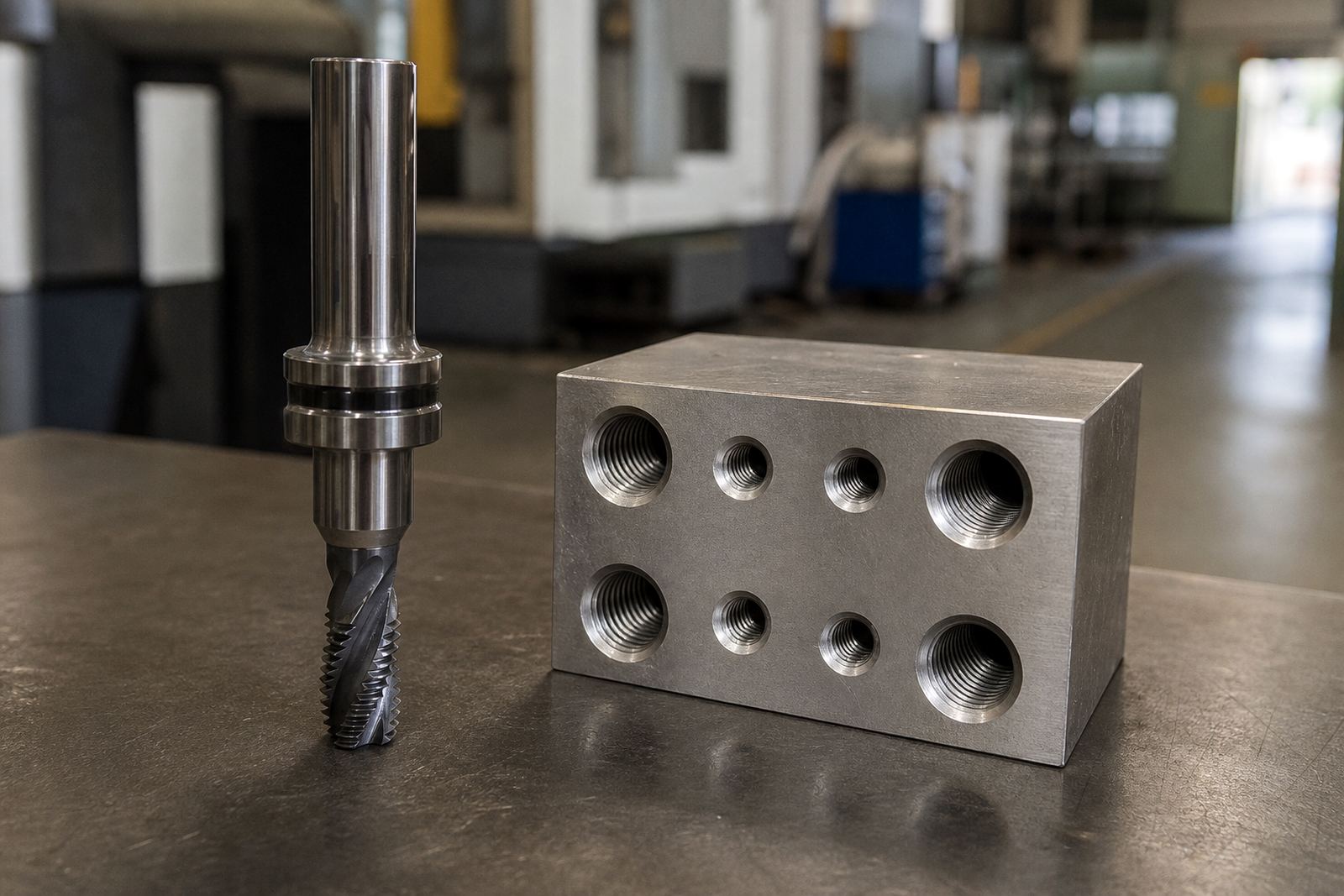
Thread Milling Benefits

When thread milling can offer flexibility and cleaner thread production.

Spotting Before Drilling

Spotting Before Drilling

Why spotting can help hole position accuracy on certain setups and materials.

Reducing Burrs

Reducing Burrs

Setup and tool choices that help minimise burr formation after drilling and milling.

Holding Tolerances

Holding Tolerances

A practical look at tooling factors that support repeatable dimensional control.

Repeat Order Consistency

Repeat Order Consistency

How standard tooling choices help keep repeat batches stable over time.

Stocking Core Tools

Stocking Core Tools

Which carbide tools many workshops keep on hand for urgent work.

Buying for Job Shops

Buying for Job Shops

Purchasing considerations for shops with mixed materials and irregular job flow.

Buying for Production

Buying for Production

What production buyers should prioritise when standardising carbide tooling supply.

Local Supply Value

Local Supply Value

Why dependable South African stock support matters for CNC workshop uptime.

Reading Tool Failure

Reading Tool Failure

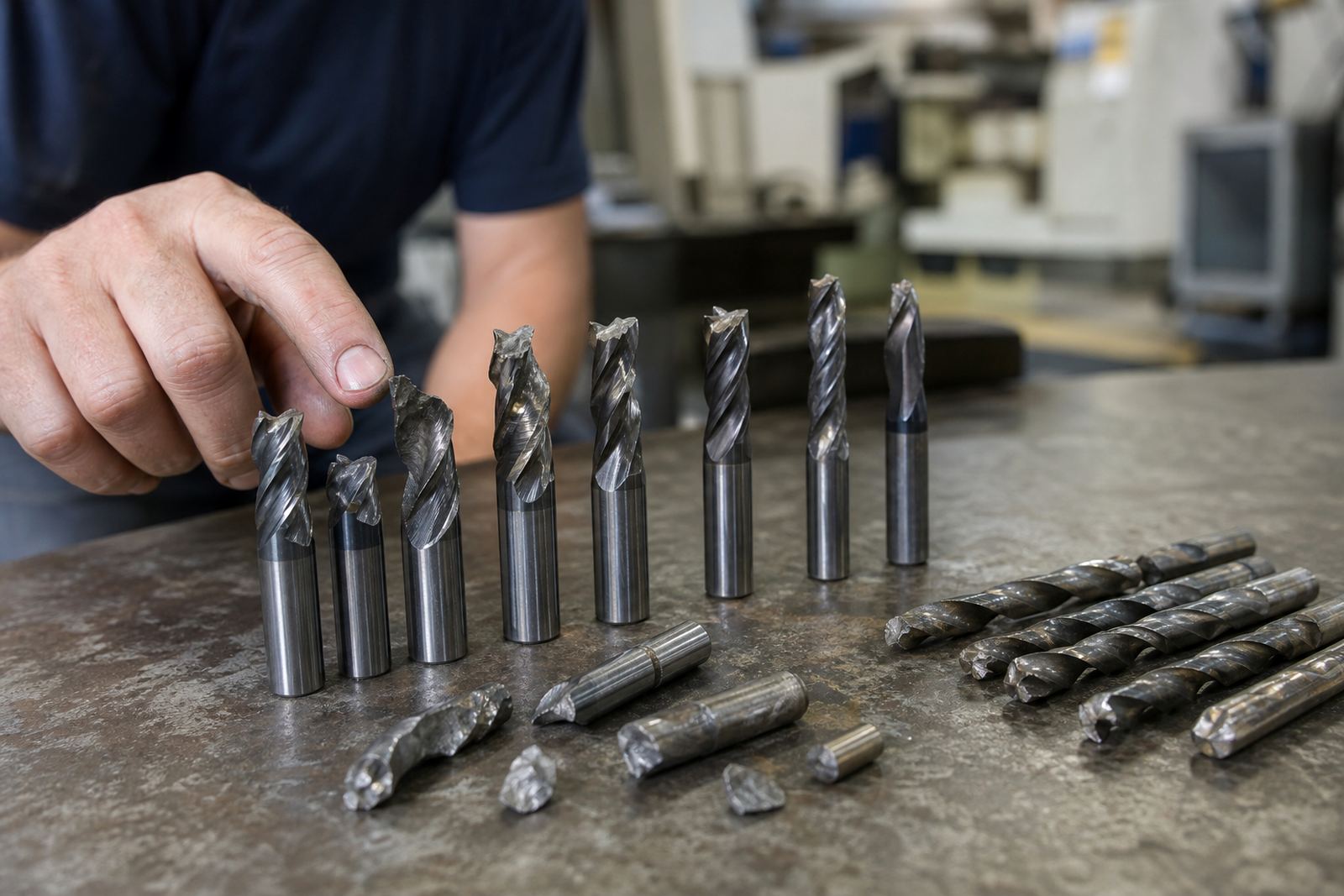
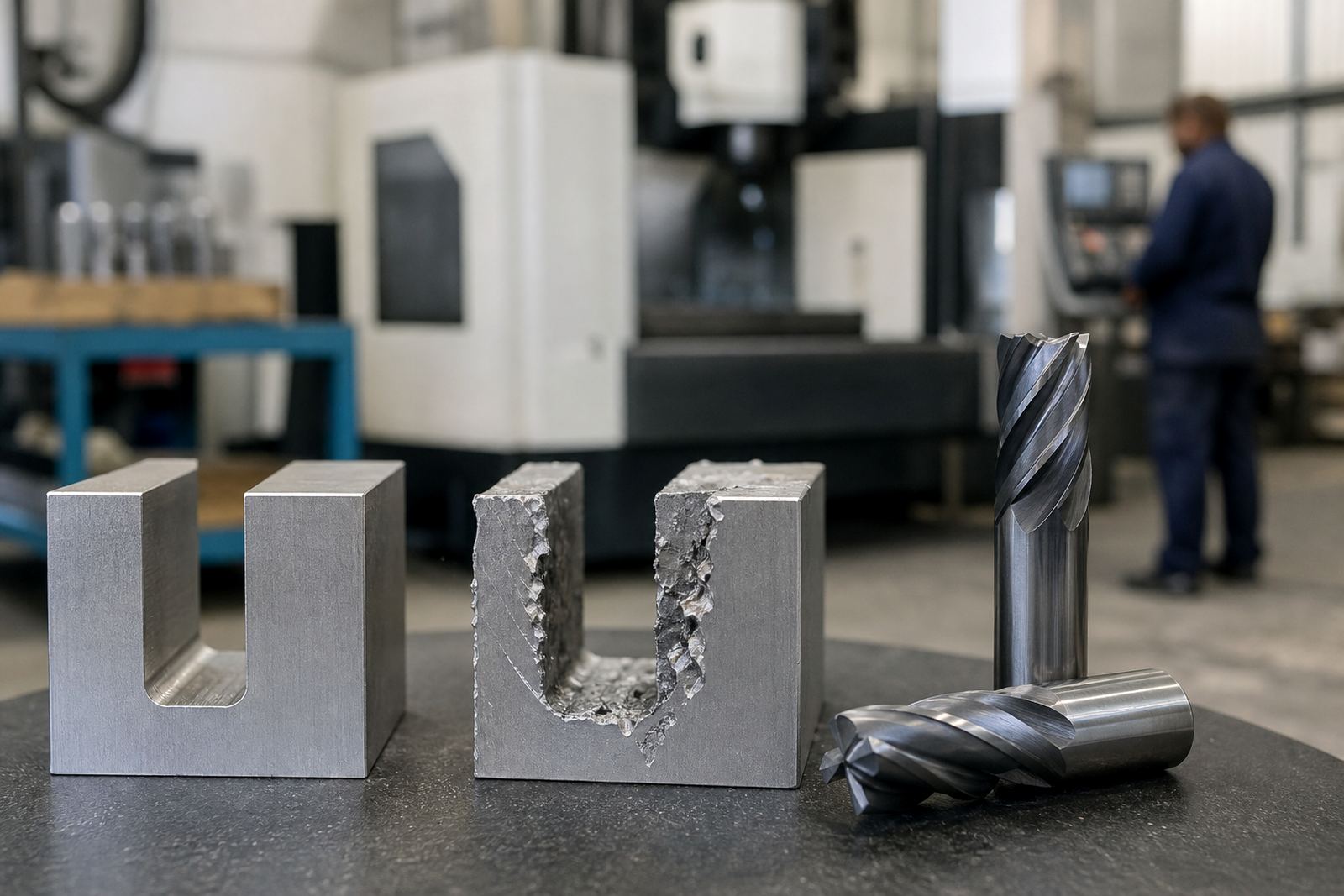
What broken or worn tools can reveal about setup, speed or engagement problems.

Entry Exit Quality

Entry Exit Quality

How to improve hole and slot edge quality at tool entry and exit.

Balancing Speed and Life

Balancing Speed and Life

Finding a sensible compromise between output and carbide tool longevity.

Operator Feedback Loops

Operator Feedback Loops

Why machinist feedback helps refine tooling choices and prevent recurring problems.

First Run Checklist

First Run Checklist

A starter checklist for testing new carbide tools on live production jobs.

What the Machining Journal Covers

This journal brings together clear notes on carbide tooling for CNC machining centres, with a focus on what matters in local production. You will find guidance on end mills, drills, cutting data, wear patterns, stock planning and the small decisions that affect part quality and cost per job.

The articles are written for machinists, buyers and engineering teams in Gauteng, the coast and inland plants alike. If you work with mild steel, stainless steel, tool steel, aluminium or cast materials, the aim is simple: help you choose the right tool and use it properly the first time.

How to Choose the Right Article for Your Job

Start with the material you are machining, then match the article to the operation. Roughing, finishing, deep slotting, hole making and high speed work all place different demands on the tool and the spindle. A 6 mm end mill used for light profiling is not the same as a drill pushing through a thick section in one pass.

When you are short on time, look for pieces that deal with feeds, speeds, chip evacuation and tool wear. These are the topics that usually make the biggest difference on the shop floor.

  • Material first: steel, stainless, aluminium or mixed stock.
  • Operation second: milling, drilling, finishing or heavy removal.
  • Machine limits: spindle speed, rigidity and coolant delivery.
  • Production need: one-off work, repeat jobs or higher volume runs.

Carbide Tooling for South African Conditions

Local workshops deal with a mix of conditions, from hot inland afternoons to humid coastal air and unstable power supply. That means tooling has to do more than cut well on paper, it must stay consistent through real production stoppages, warm machines and variable stock quality.

Articles in this section focus on how carbide behaves in everyday South African manufacturing. You will see advice on keeping cutting edges stable, reducing chatter, and choosing tools that handle hard spots, scale and the odd material variation that can throw off a job.

  • Tool wear from interrupted cuts and work hardening.
  • Heat control when coolant flow is limited.
  • Chip packing in deep pockets and drilled holes.
  • Practical ways to extend tool life without slowing output too much.

Cutting Conditions That Save Time and Money

Many workshop problems start with the wrong speed or feed. Too slow and the edge rubs, too fast and you waste a tool before the job is complete. The journal looks at the middle ground, where stable cutting gives better finish, predictable cycle times and less scrap.

You will also find notes on step over, axial depth, radial engagement and entry strategy. These details matter whether you are programming a new part or cleaning up an older process that keeps giving uneven results.

  • Finding a usable starting point for speed and feed.
  • Adjusting for machine power and cutter diameter.
  • Improving chip clearance on long runs.
  • Reducing rework caused by burrs, heat and chatter.

Tool Life, Wear and Production Stability

Tool life is not only about how long a cutter lasts, it is also about how steadily it performs before changeover. A tool that cuts well for twelve parts and then fails suddenly can be more costly than one that lasts a little longer but wears in a predictable way.

These articles help teams spot the signs early, from edge wear and built up material to finish changes and noise at the spindle. That gives you time to plan replacements, protect delivery dates and avoid unwanted downtime during load-shedding recovery or after a restart.

When jobs run repeatedly, simple records help a lot. Note the tool size, material, speed, feed, coolant method and actual life achieved. After a few runs, patterns become easier to see, and the process gets more repeatable.

Use the Journal to Support Buying and Workshop Decisions

For buyers, the journal is a useful reference when comparing options for the next order. For workshop teams, it is a way to back up a tooling choice with real process detail instead of guesswork. That matters when a quote needs to be priced properly or a customer expects consistent finish across batches.

Our team in Wadeville, Germiston works with machining shops across Johannesburg, Pretoria, Boksburg, Alberton, Centurion, Cape Town, Durban and Gqeberha. If you need help matching a tool to a material or checking a process before you commit stock, use the enquiry form on our contact page and we will come back with practical guidance.

  • Tool selection for new work and repeat jobs.
  • Application support for difficult materials and tight tolerances.
  • Urgent supply planning when stock is low.
  • Sample trials and technical quotations for production changes.

Questions we get asked

Who should read the Machining Journal?

It is written for machinists, production managers, buyers and engineers who need practical guidance on carbide tooling and CNC cutting conditions.

What kind of topics are covered?

The journal covers end mills, drills, feeds and speeds, wear patterns, chip control, tool life and workshop efficiency for South African machining shops.

How do I get help with a specific job?

Use the enquiry form on our contact page and share the material, tool size and machine details. Our team can help with selection, application support and process questions.

Planning something? Send the team a message.

Contact form