

How to choose the right carbide tool for the job
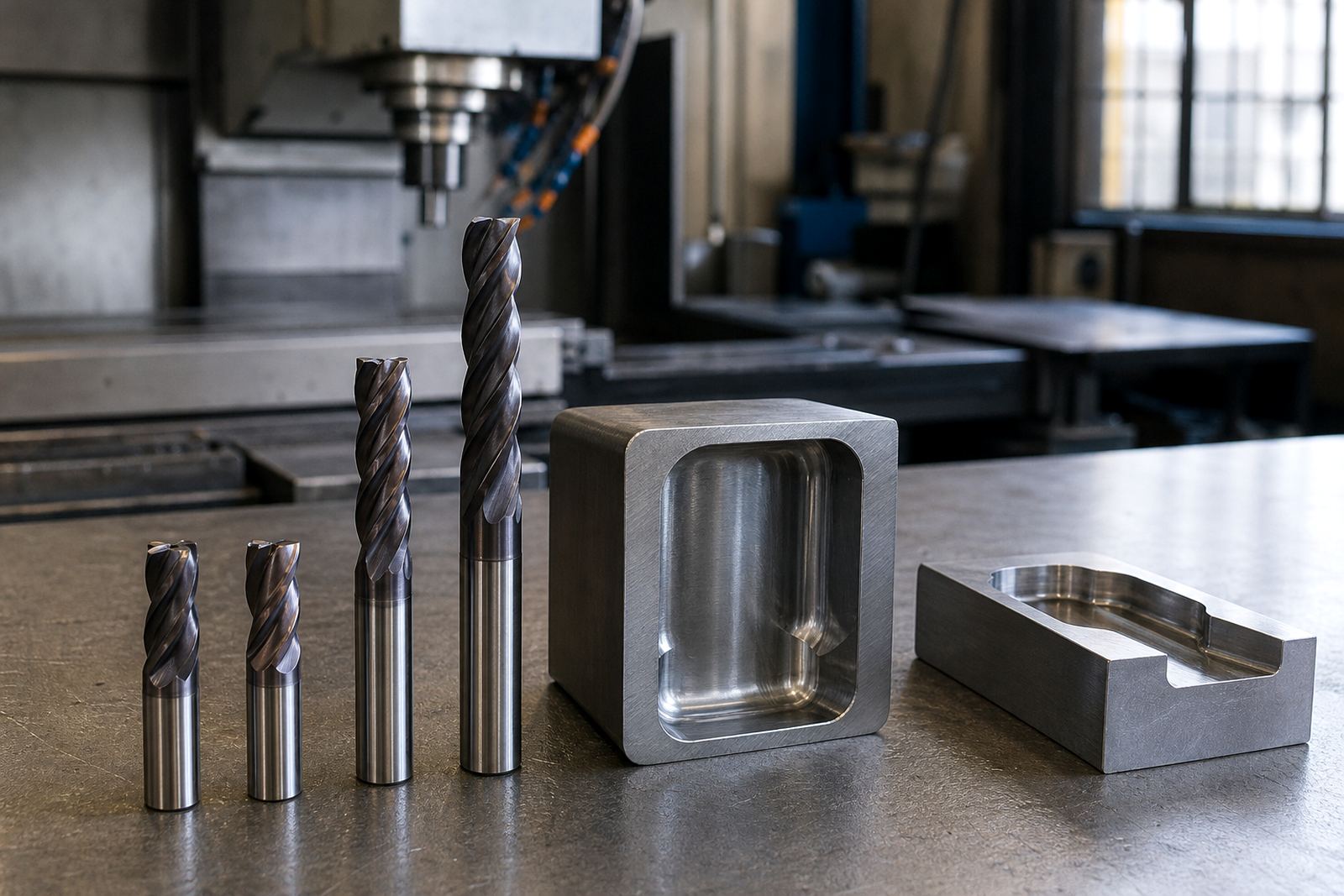
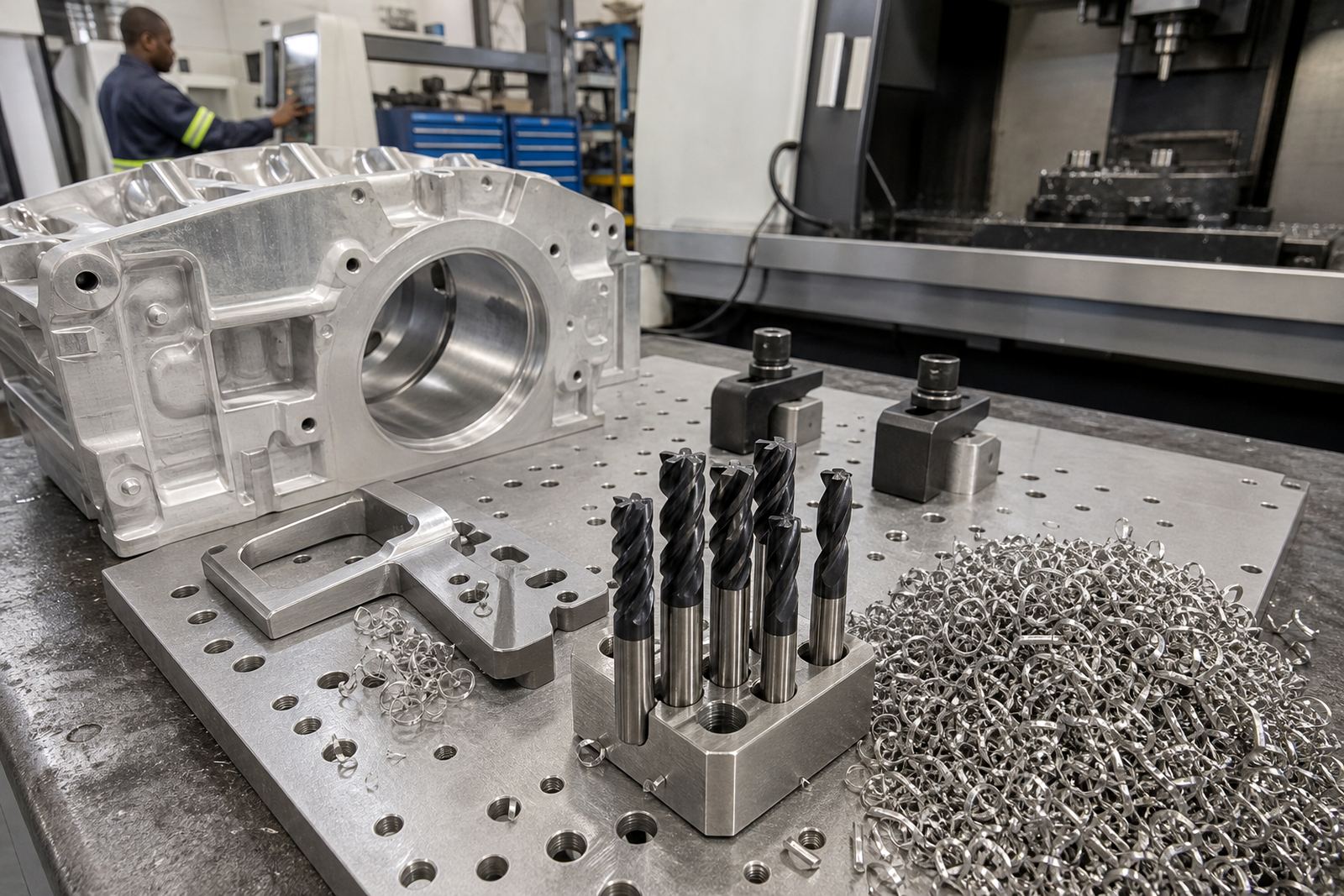
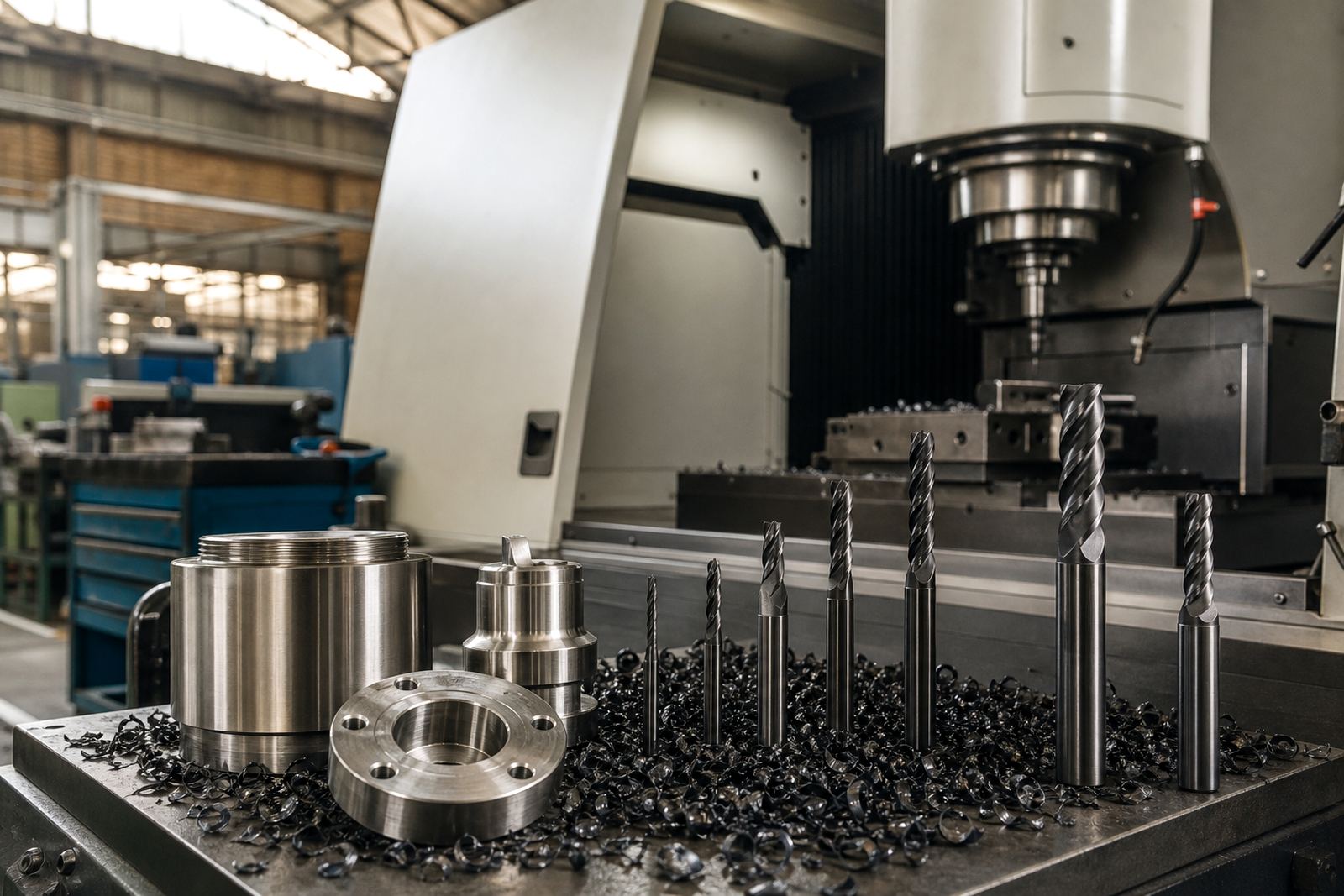
Choosing the correct solid carbide end mill or drill starts with the workpiece, the machine and the finish you need. A tool that works well on mild steel may not give the same life or surface finish on stainless, tool steel or aluminium, especially when you are running a CNC machining centre in a busy shop in Germiston, Johannesburg or Pretoria.
Look at diameter, flute count, corner style and coating choice as a set, not in isolation. Small changes in feed, stick-out and tool path can make the difference between clean chip control and early wear, so it pays to match the tool to the material and the setup from the start.
- Confirm the material grade before you order
- Check spindle speed, holder type and rigidity
- Decide if roughing, finishing or drilling is the main task
- Allow for coolant delivery and chip clearance
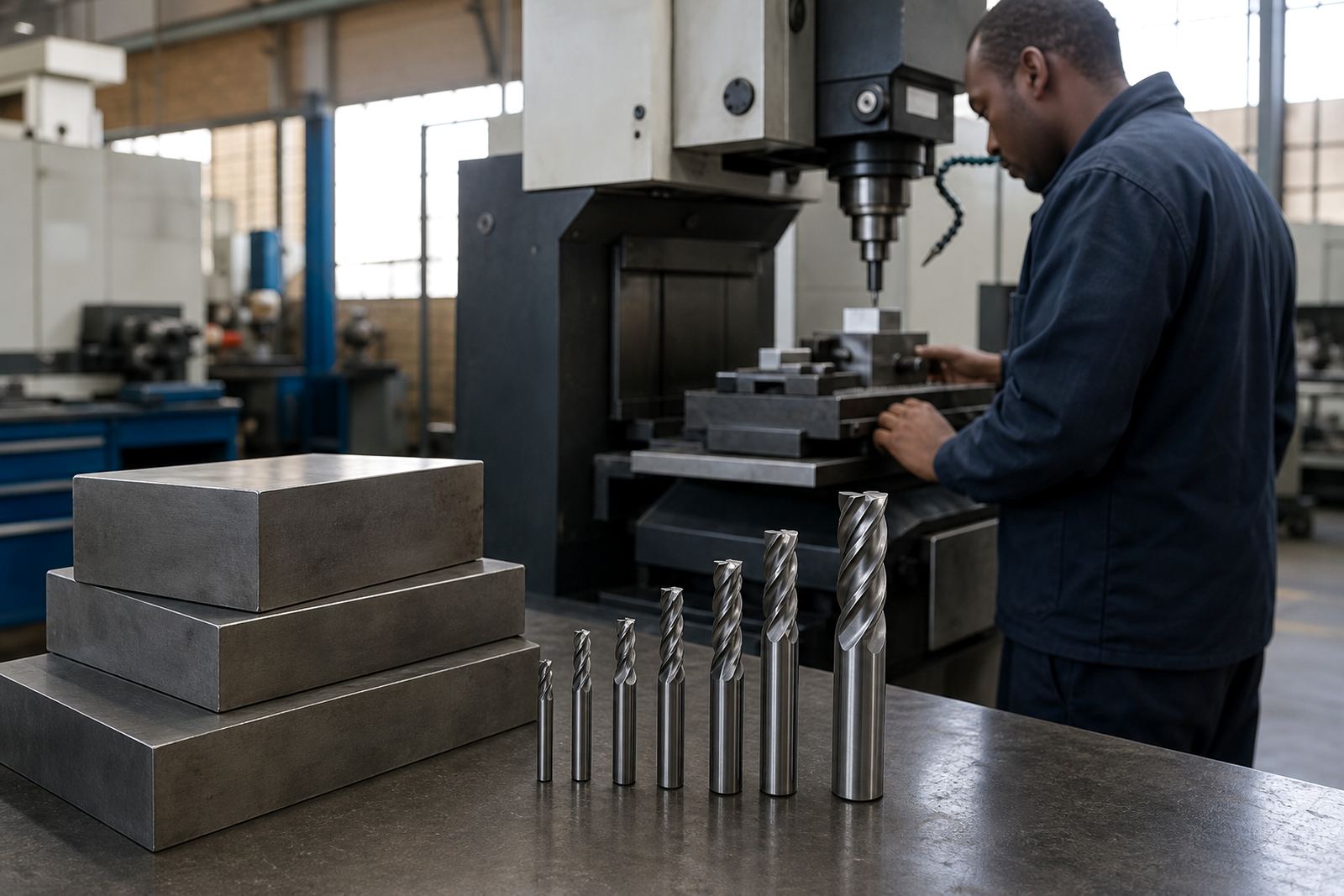
When to use a 2 flute, 3 flute or 4 flute end mill
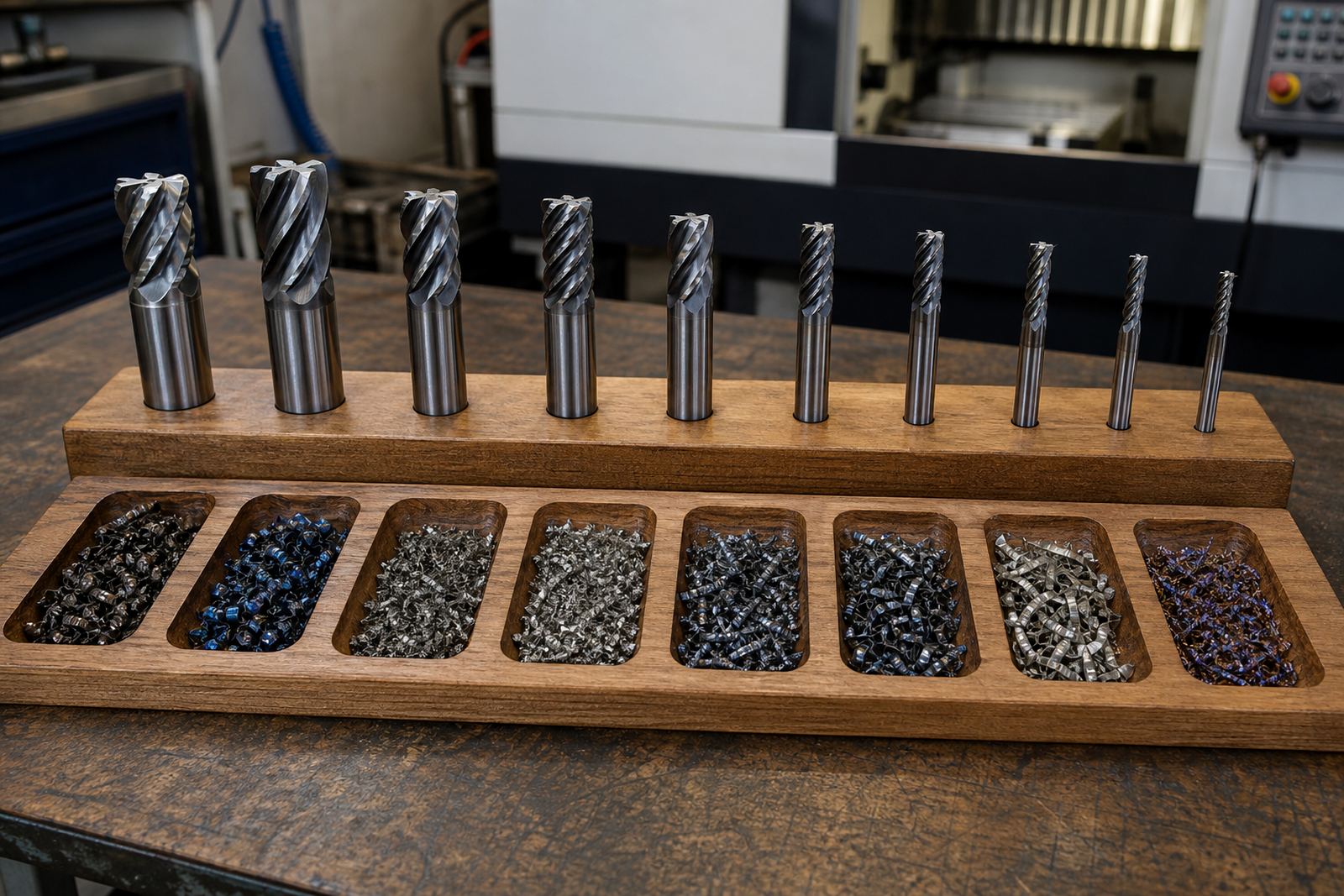
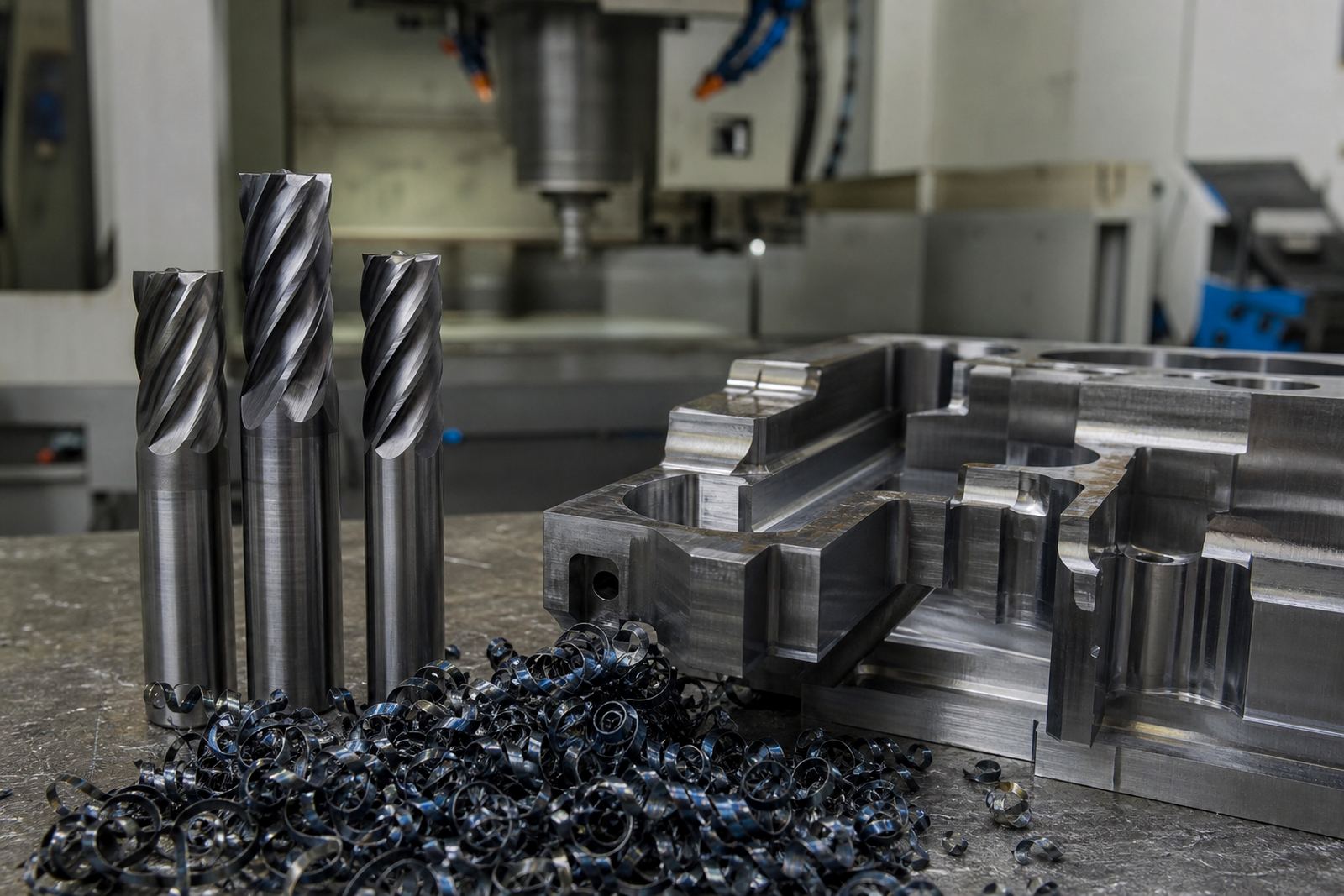
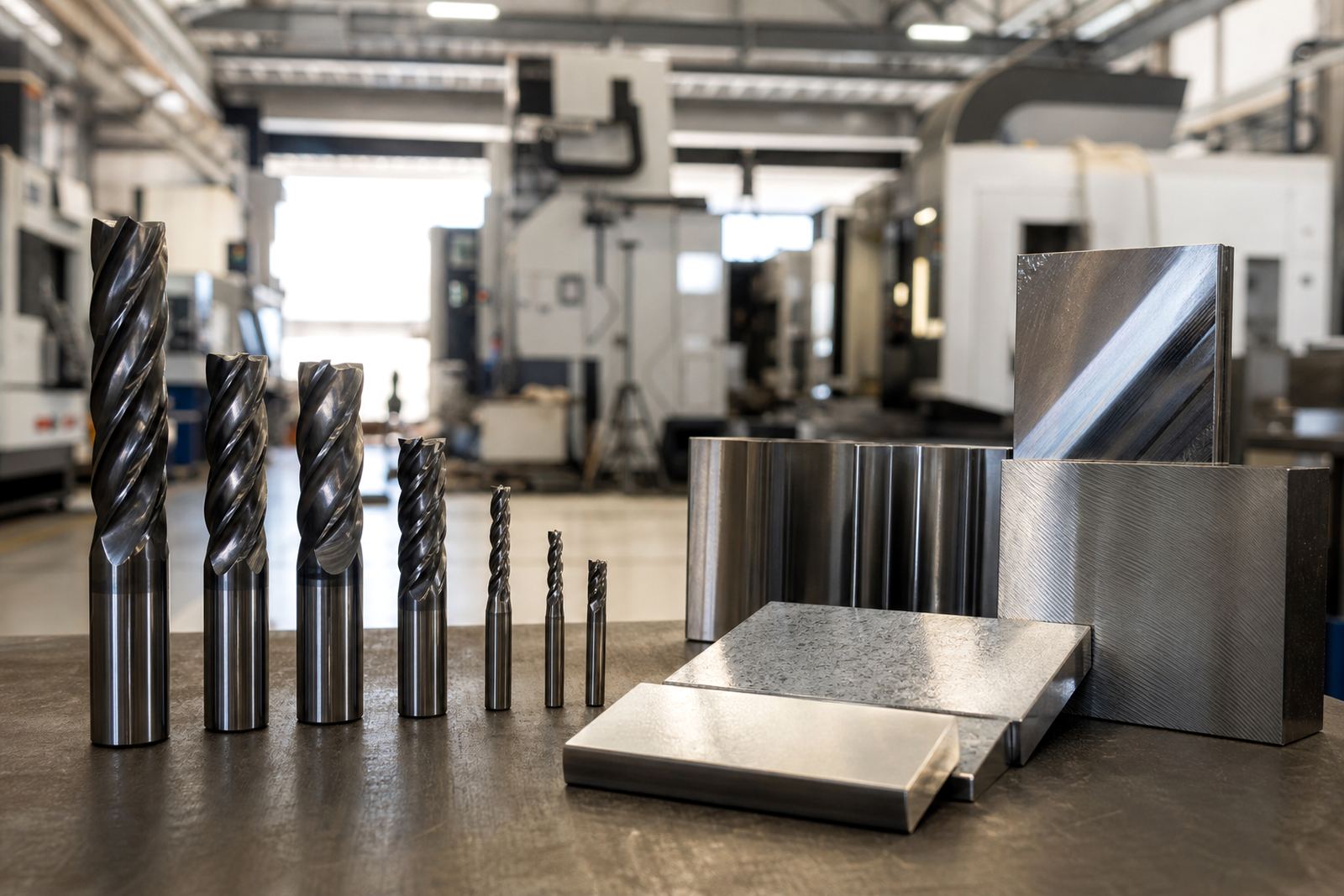
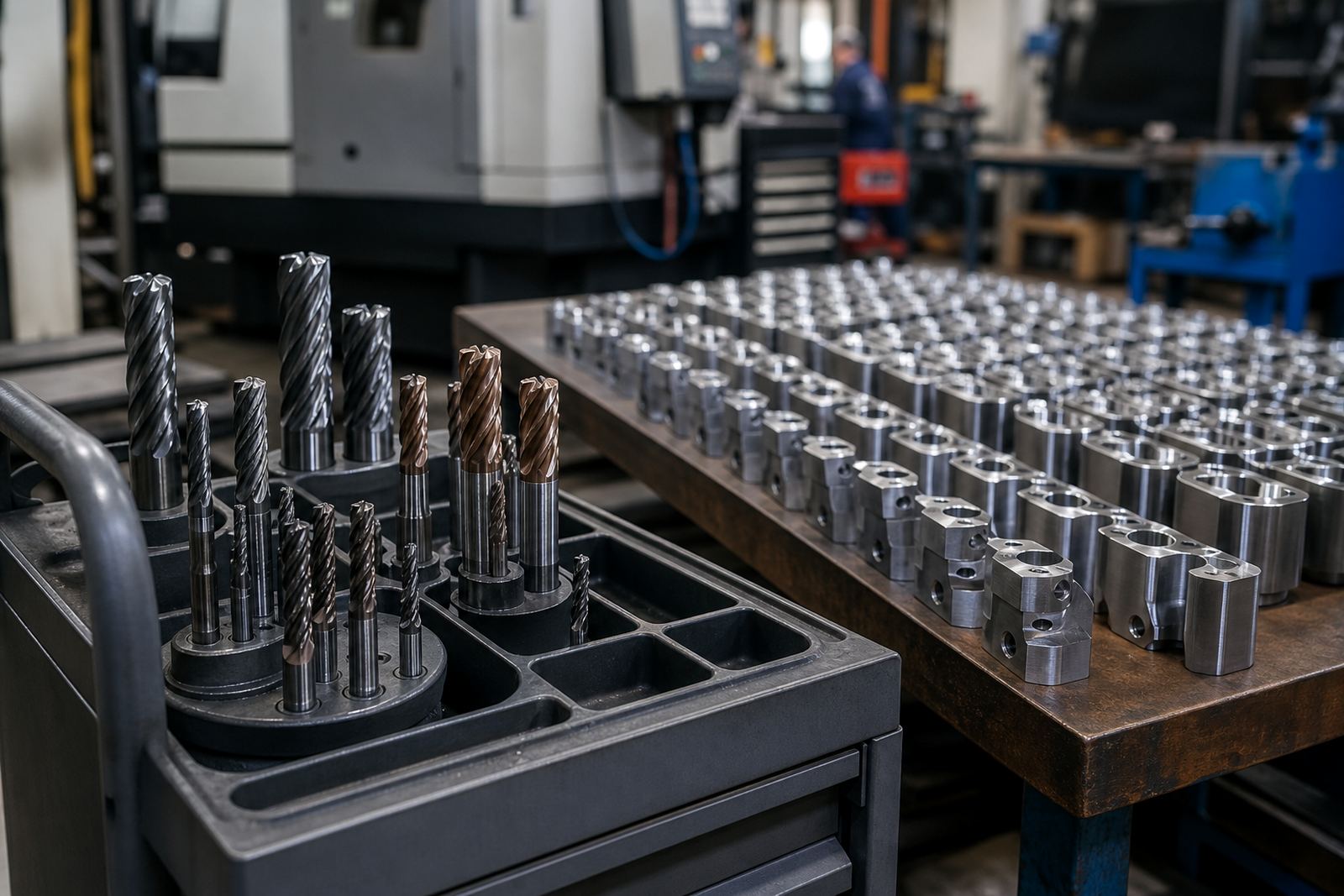
Flute count affects chip evacuation, cutting load and finish. A 2 flute tool is often the better option for aluminium and deeper slotting where chip removal matters. Three flute and 4 flute tools are often used where surface finish, side milling and higher feed rates are the priority on steel and stainless work.
In coastal work around Durban or Gqeberha, a shop may also want to think about corrosion on stored tooling, especially when humidity is high and stock sits for long periods. Good storage and clear stock rotation reduce surprises when a job comes in after load-shedding or a production stop.
- 2 flute: better chip space, useful in aluminium and deep pockets
- 3 flute: balanced choice for many general milling jobs
- 4 flute: suited to finishing and more stable cuts
- Shorter reach usually gives better tool life
Drill selection for production shops and jobbing work
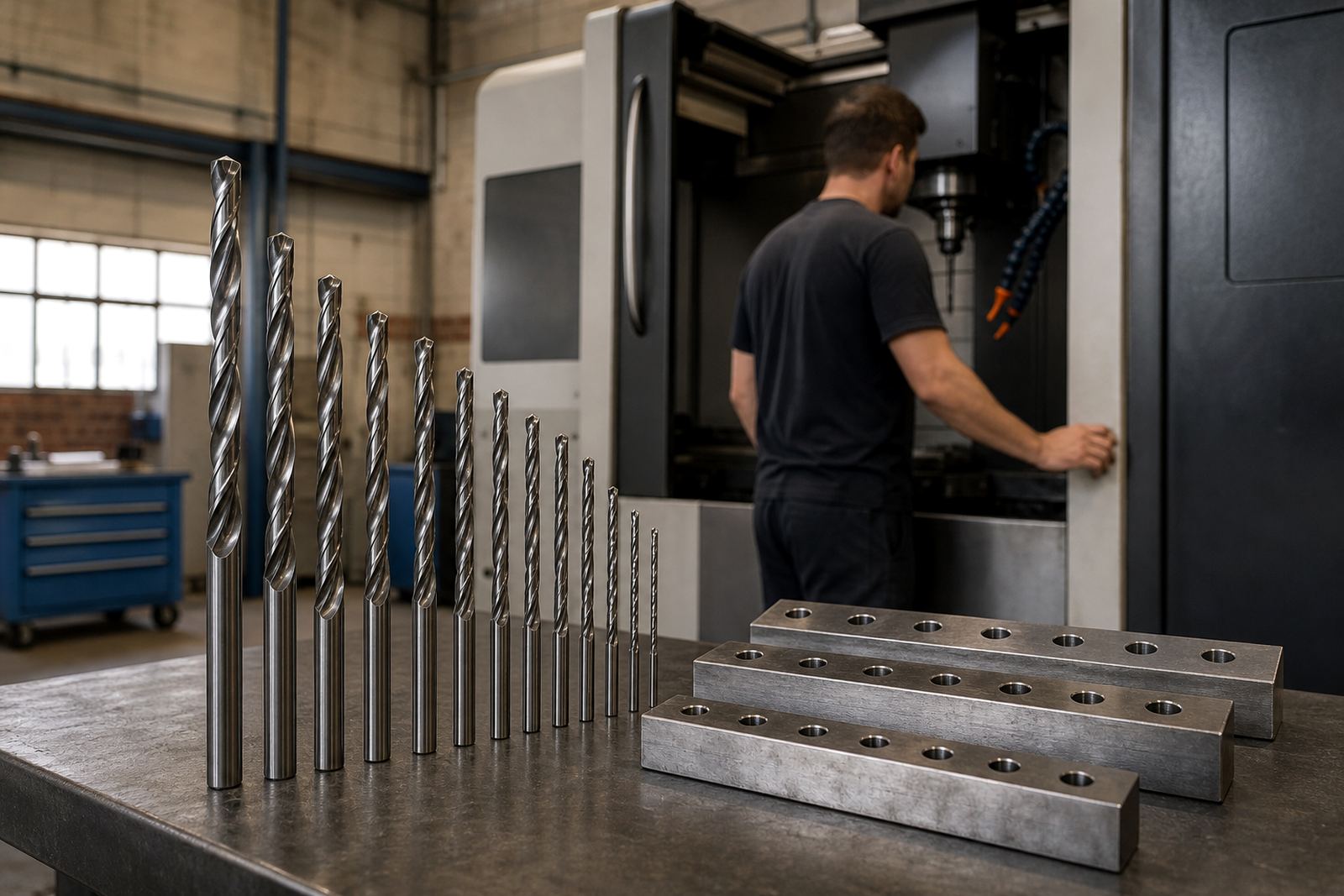
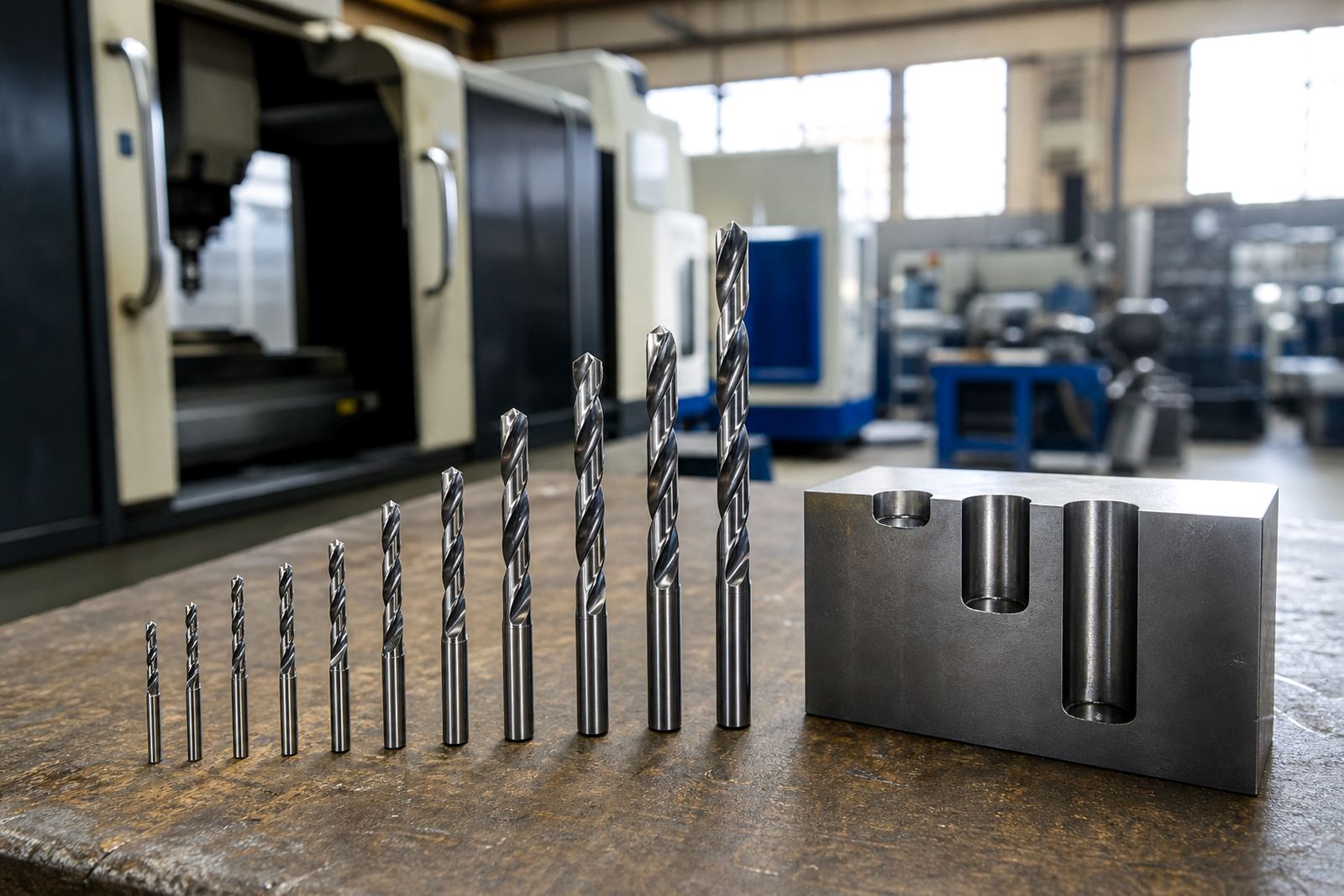
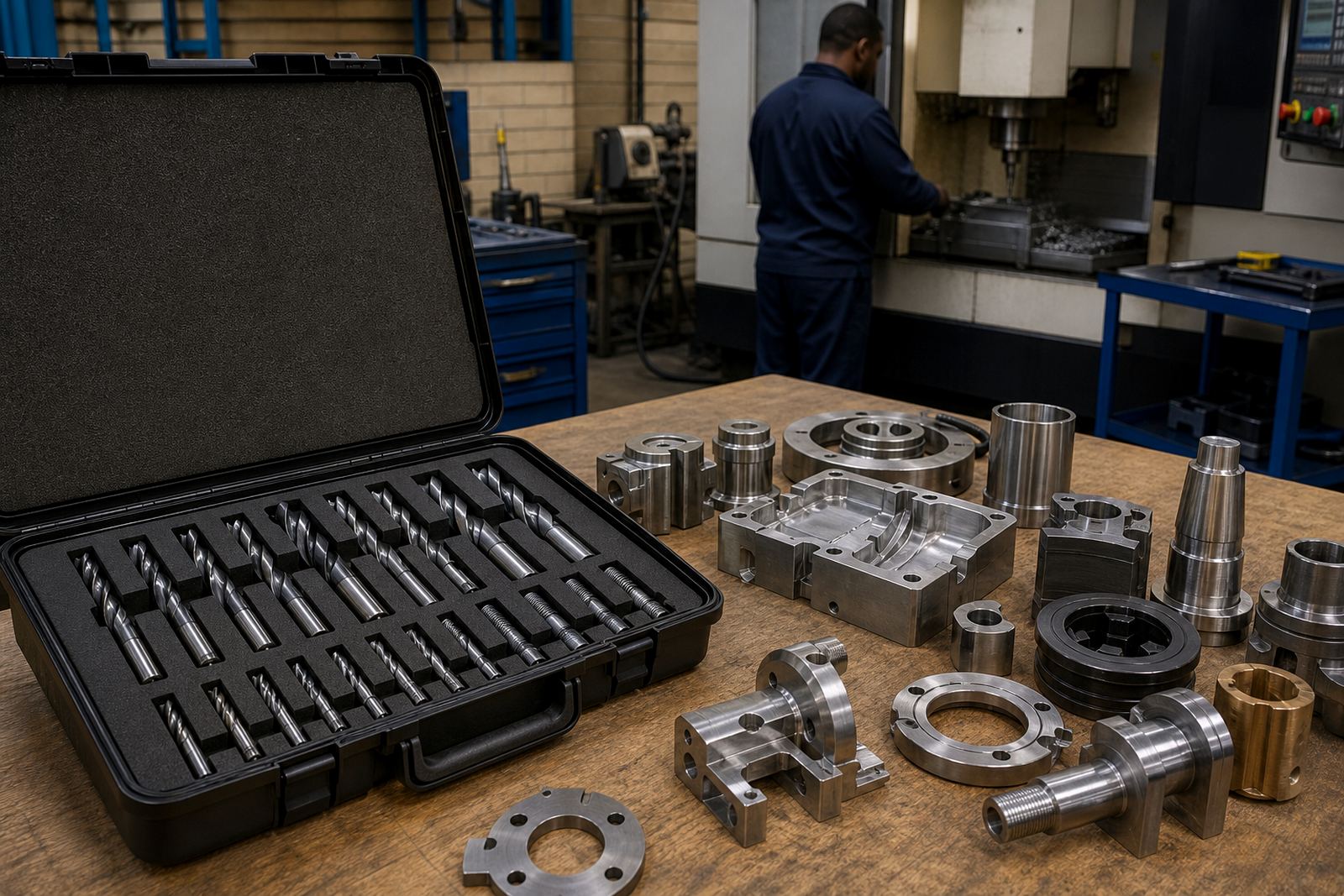
Solid carbide drills are used where speed, repeatability and hole quality matter. For CNC shops across South Africa, the right drill size and geometry can reduce cycle time and improve hole accuracy on production runs and smaller jobbing batches alike. A stable setup is important, because a drill that wanders or chatters will cost more than the tool price alone.
Before ordering drills, check depth of hole, material hardness, coolant delivery and whether the hole is blind or through. If the work includes repeated stainless jobs in Cape Town or mixed steel work in Centurion, planning the drill range in advance helps avoid emergency buying and keeps changeovers tighter.
- Match point angle to the material and chip shape
- Allow for depth to diameter ratio
- Use the correct coolant method where possible
- Keep spare sizes for wear and breakage cover
Speed, feed and tool life on real machines
Correct speed and feed settings matter as much as the tool itself. Too slow can cause rubbing and heat, while too fast can chip edges or overload the spindle. In workshops with interrupted power or backup systems, some operators also need to confirm that their settings still hold after a restart and machine warm-up.
Good tool life comes from consistent practice, not guesswork. Keep a note of successful settings for each material, tool diameter and holder type. That makes it easier to standardise work across shifts in Boksburg, Alberton and Wadeville, and it reduces variation when different machinists are running the same part.
- Record successful feeds and speeds for repeat jobs
- Watch chip colour and chip shape during first runs
- Check for chatter, rubbing or spindle load spikes
- Review tool wear before a tool fails in cut
Buying tooling for stock, not just one job
Many workshops only buy tooling when an urgent job lands, but better results come from a planned stock list. If you already know which diameters, lengths and drill sizes move most often, you can keep core items on hand and reduce downtime when a job is due out the same day. This is especially useful for smaller shops serving maintenance, fabrication and production customers.
Stock planning should take into account lead times, usage rate and how often a tool is consumed in each material. It also helps to keep a simple count of what is on the shelf, what is in use and what must be replaced before a batch runs out.
- List your top moving diameters and drill sizes
- Separate fast-moving stock from special order items
- Review usage monthly or after each major contract
- Keep critical tools for urgent call-outs
Using application support before trial and error gets expensive
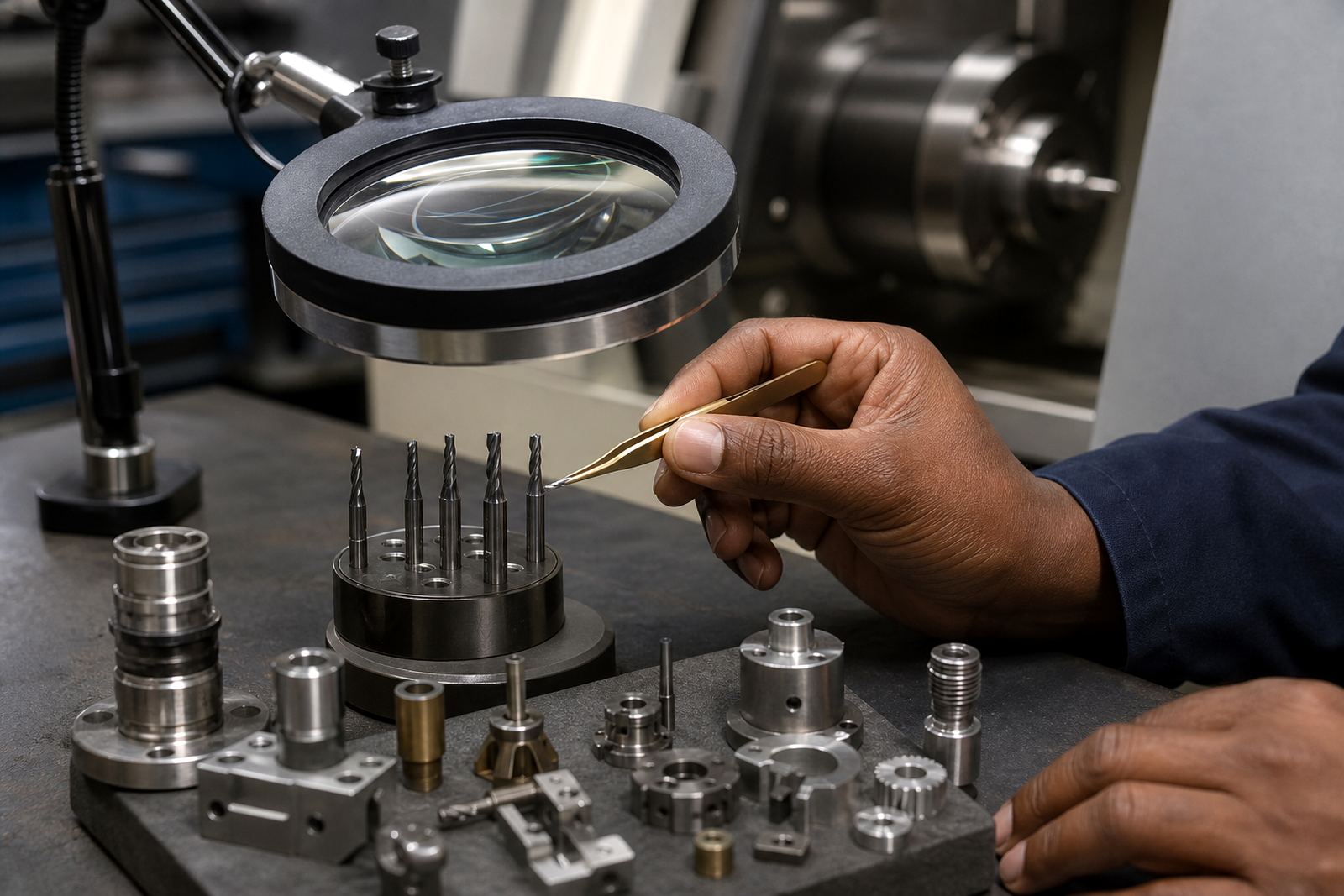
Some tooling decisions are straightforward, but others need more detail. If a cut is breaking down, finish is poor, or tool life is too short, it is often quicker to review the material, machine, holder and process together. A proper application check can save hours of lost production and a fair amount of scrap.
Our team works with machining shops that need practical support, not theory. Whether the work is in Johannesburg, Pretoria, Durban, Cape Town or Gqeberha, the aim is to help you choose the right tool and set it up with less risk.
- Tool Selection
- Application Support
- Speed Feed Advice
- Tool Life Optimisation
- Material Matching