

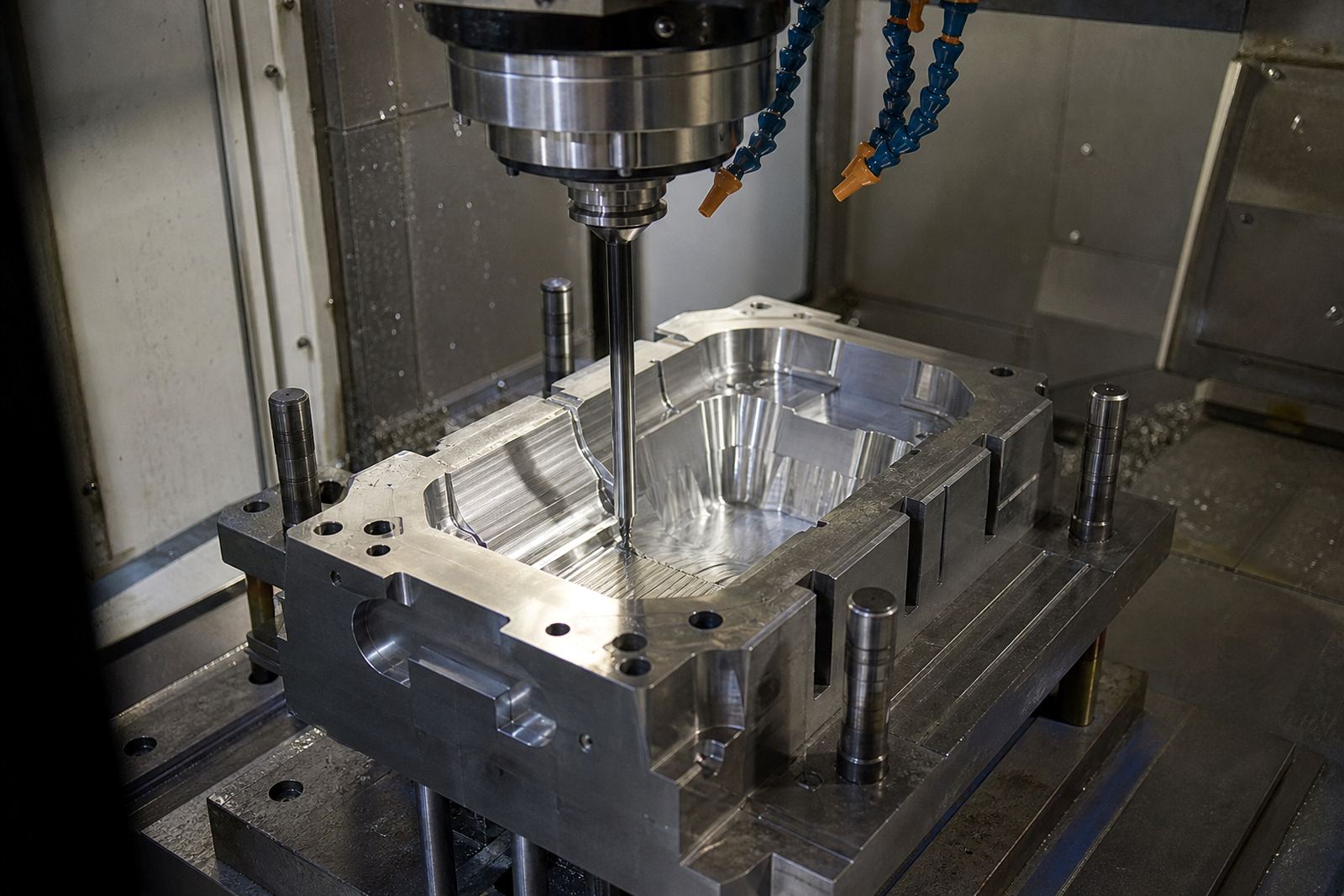
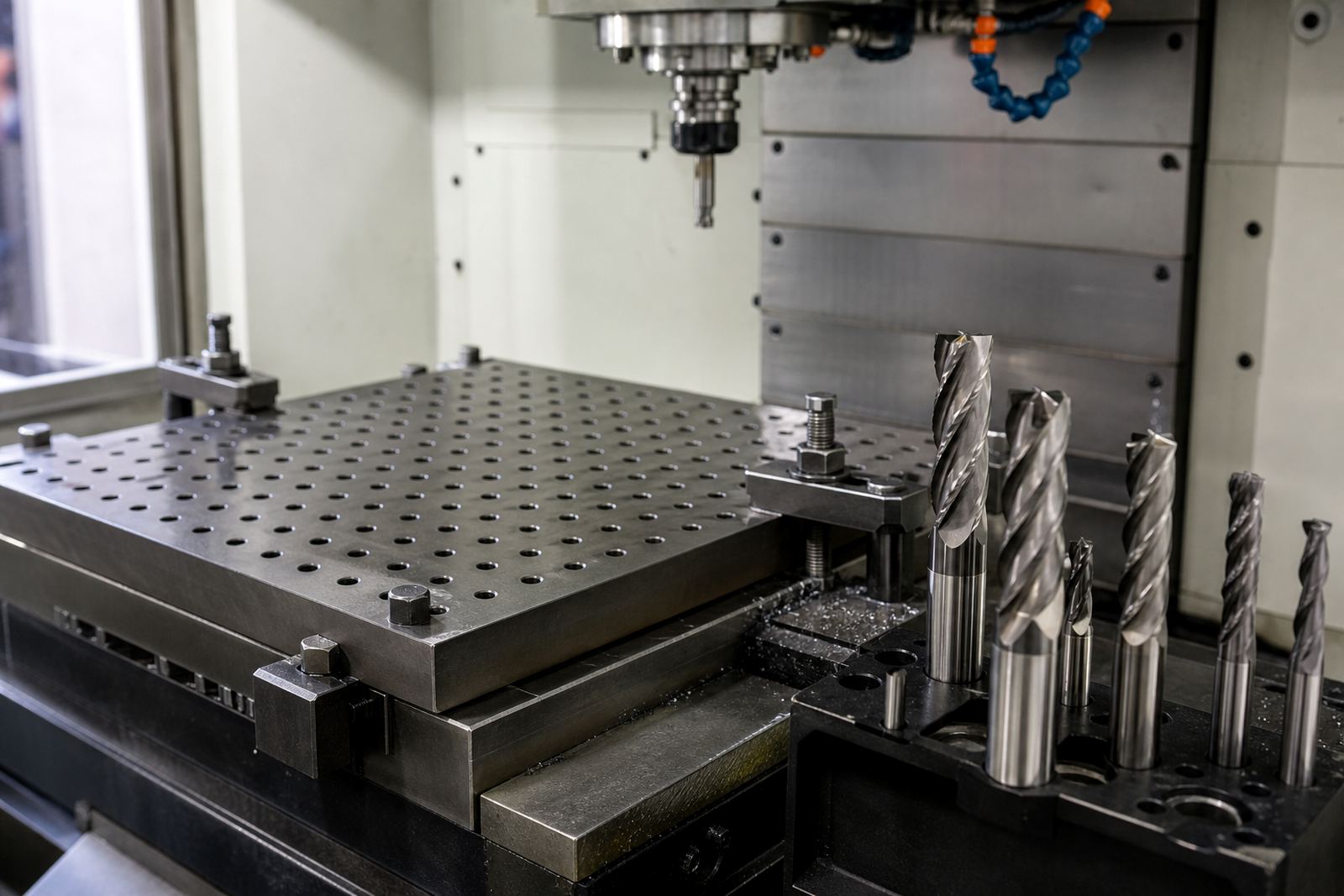
Start With the Material, Not the Catalogue
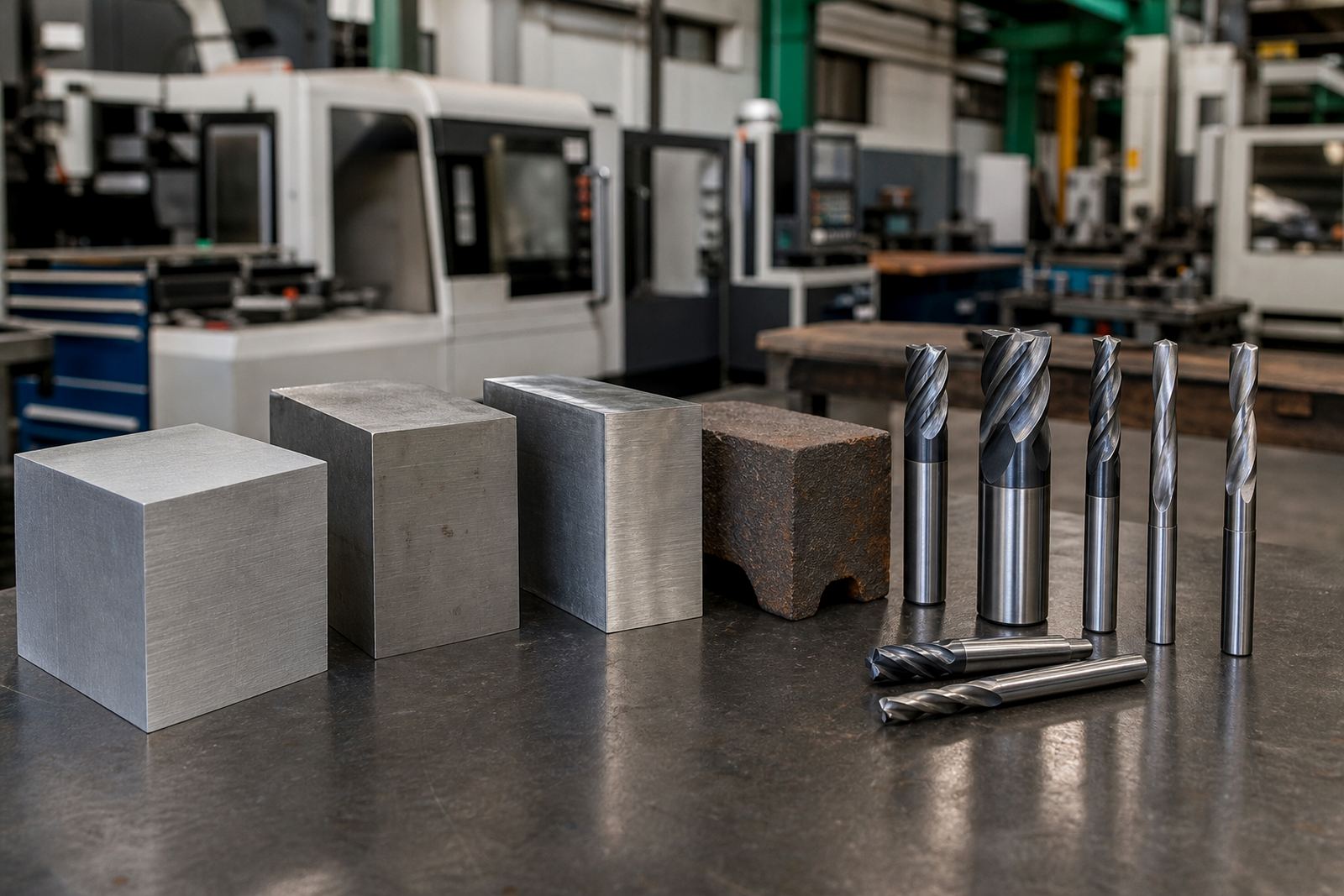
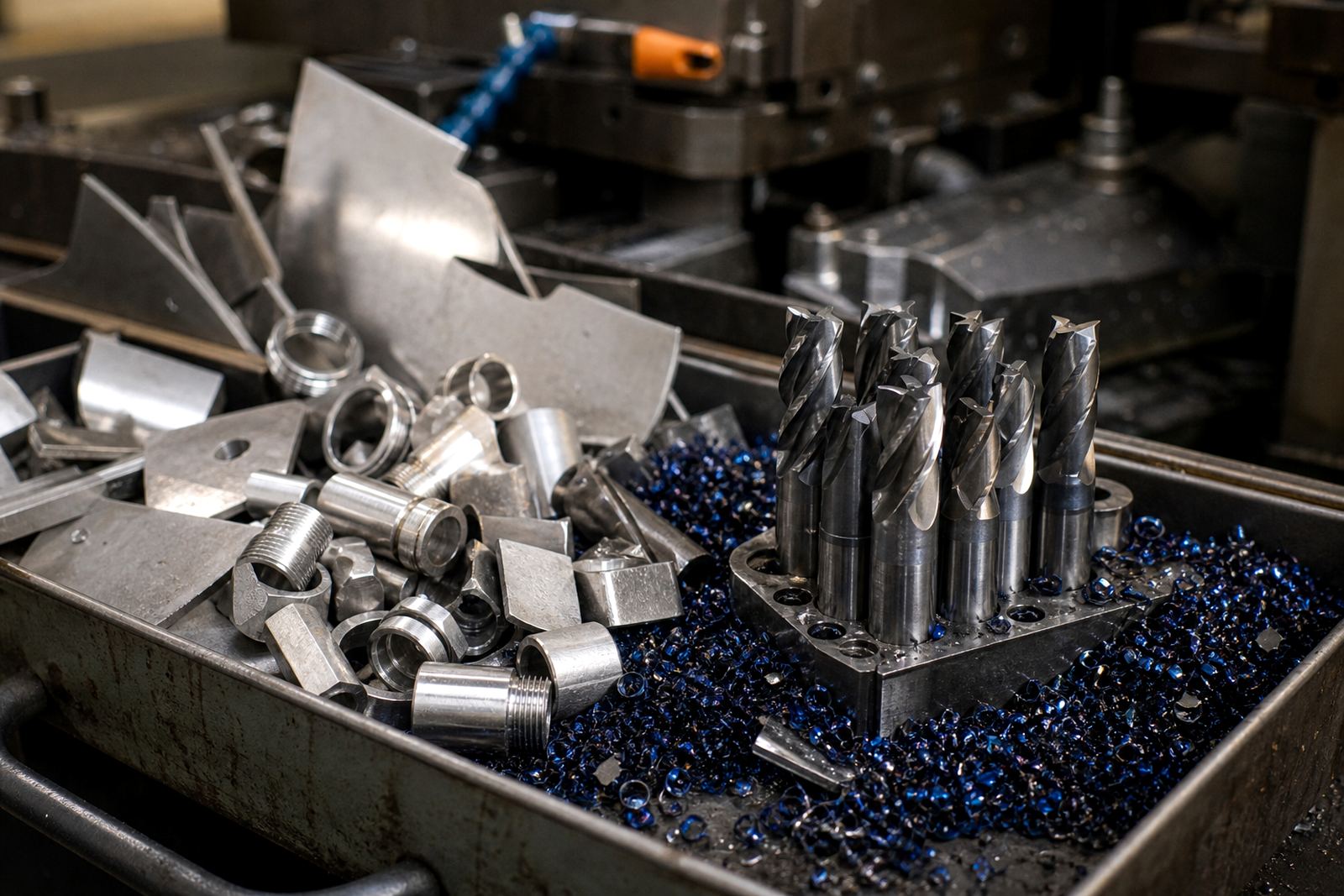
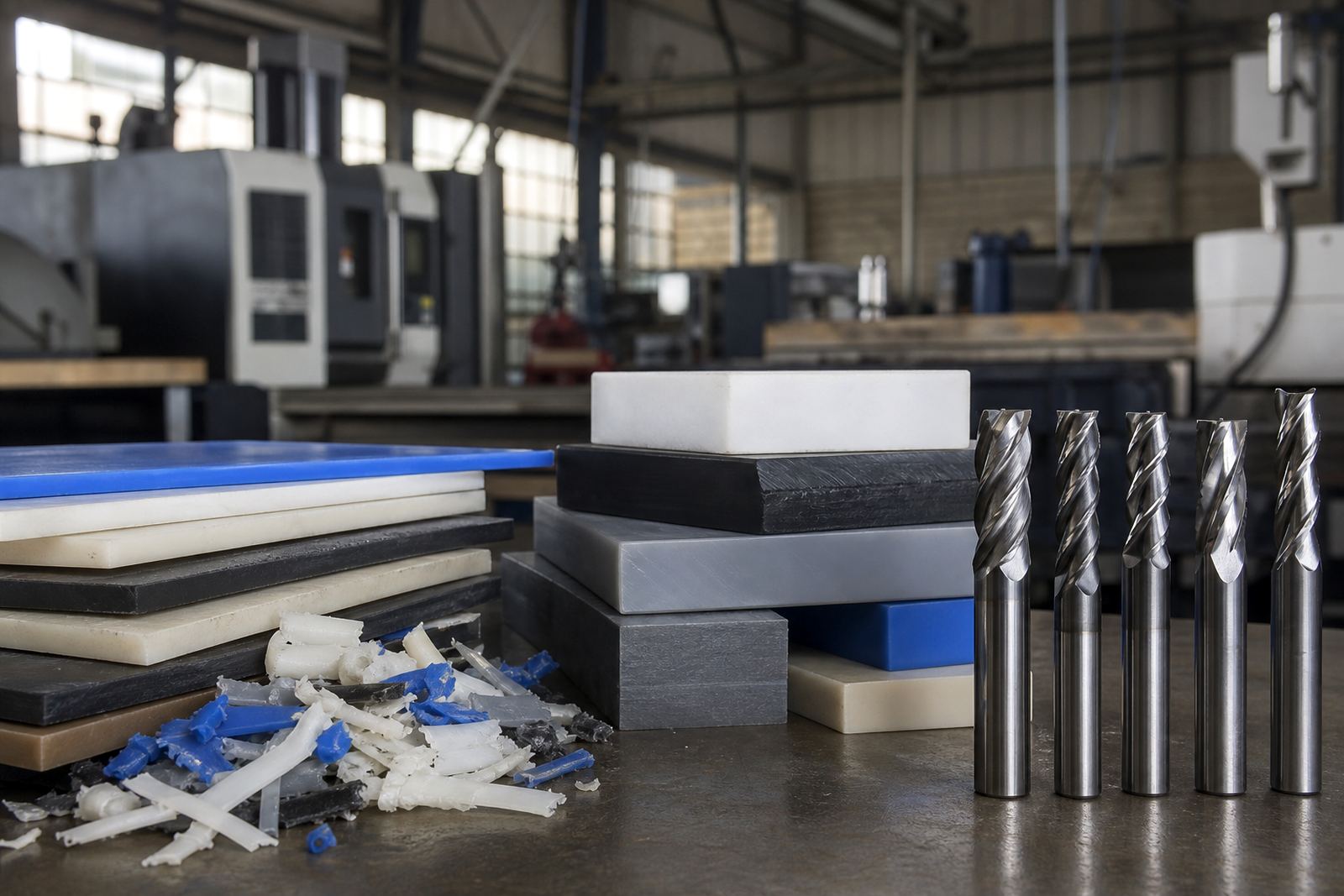
When you are choosing a solid carbide end mill or drill, the work material sets the rules. Mild steel, stainless, cast iron, aluminium and heat treated alloys all cut differently, so the right tool shape, flute count and coating need to suit the job from the start. A tool that runs well in free cutting aluminium may chatter or wear fast in stainless, while a drill that clears chips cleanly in mild steel can struggle in gummy material.
For CNC shops in Germiston, Johannesburg, Pretoria and beyond, the practical approach is to match the tool to the actual stock on the machine, not just the grade on the drawing. If the material varies from batch to batch, that needs to be part of the selection too. Small changes in hardness, scale, or coolant delivery can affect tool life and finish more than many operators expect.
Common Work Materials We Help Match
Different materials call for different cutting behaviour, and it pays to choose with that in mind. Shops often ask for a starting point, then fine tune from there once the first trial is done. That saves time and helps keep production stable when the machine is running long shifts or under load-shedding pressure.
- Mild steel and general engineering steel for everyday parts, brackets and fixtures
- Stainless steel for food, medical and corrosion resistant parts
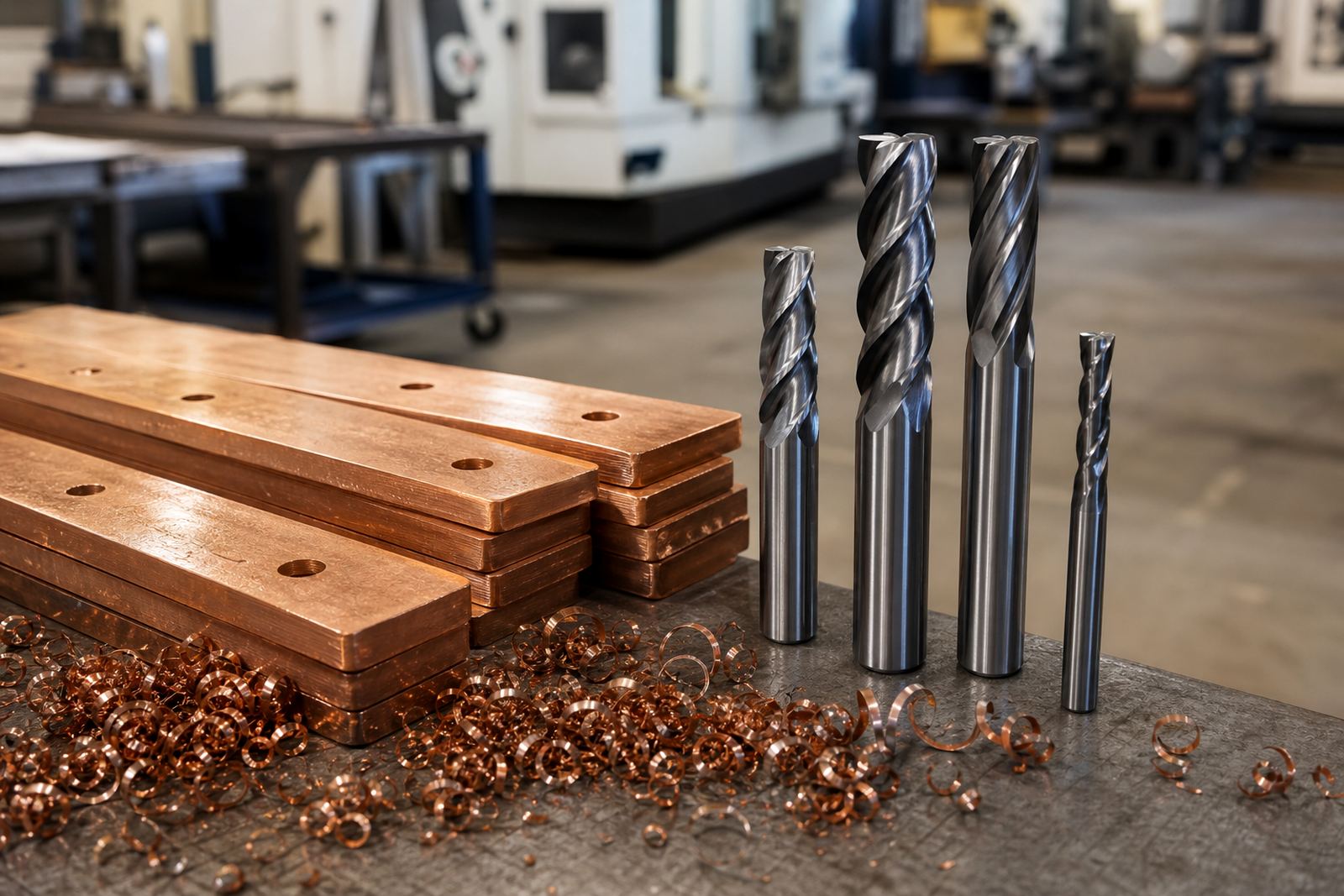
- Aluminium for lighter components and faster cutting cycles
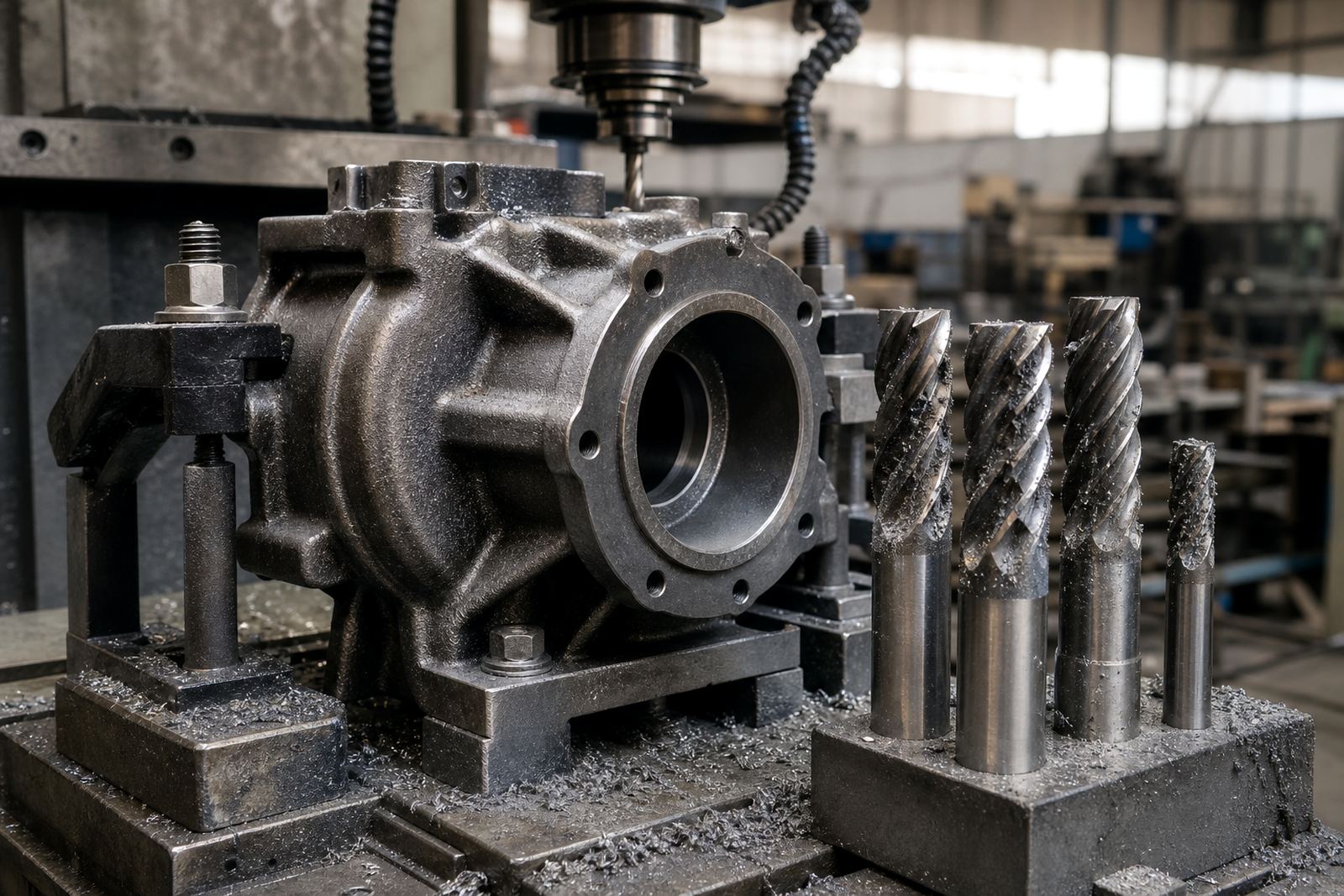
- Cast iron for pump parts, housings and wear pieces
- Tool steel and hardened materials where edge strength matters most
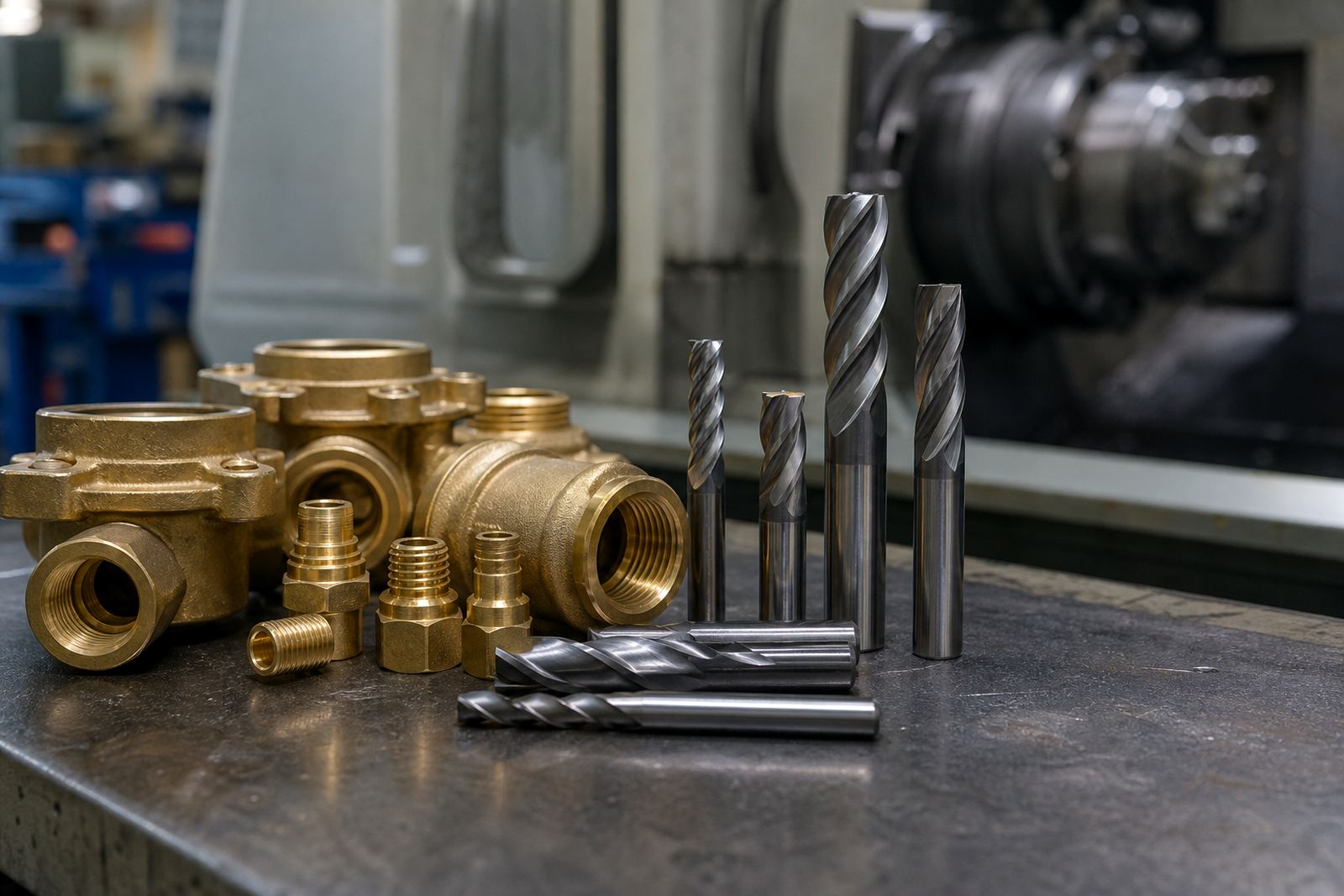
- Non-ferrous materials where chip control and finish are critical
We also help shops working in mixed material environments, where one production cell may machine steel in the morning and aluminium after lunch. That kind of changeover needs sensible stock planning and a clear tool list, not guess work.
Match the Tool to the Sector You Work In
Different sectors place different demands on the cutting tool. A parts maker in Boksburg may need repeatability on medium volume runs, while a jobbing shop in Cape Town may need flexible tooling for short lead times and varied work. In Durban and Gqeberha, coastal humidity can also affect storage and handling, so keeping carbide tools clean and protected matters.
Our material and application guidance supports shops in sectors such as:
- General engineering and fabrication
- Automotive component production
- Mining and plant maintenance
- Food and beverage equipment manufacture
- Packaging machinery and automation parts
- Toolroom and prototype machining
Each sector has its own mix of tolerances, finish requirements and production pressure. The right end mill or drill should support those realities without forcing the operator to slow the cycle more than necessary.
When the Problem Is Chatter, Burrs or Short Tool Life
Many shops do not start with a material question, they start with a machining problem. Chatter on thin walls, burrs on edges, poor hole finish, or tools wearing out too quickly are all signs that something in the process needs adjusting. Sometimes the answer is a different flute count, sometimes it is a change in feed, and sometimes the issue is chip evacuation or workholding.
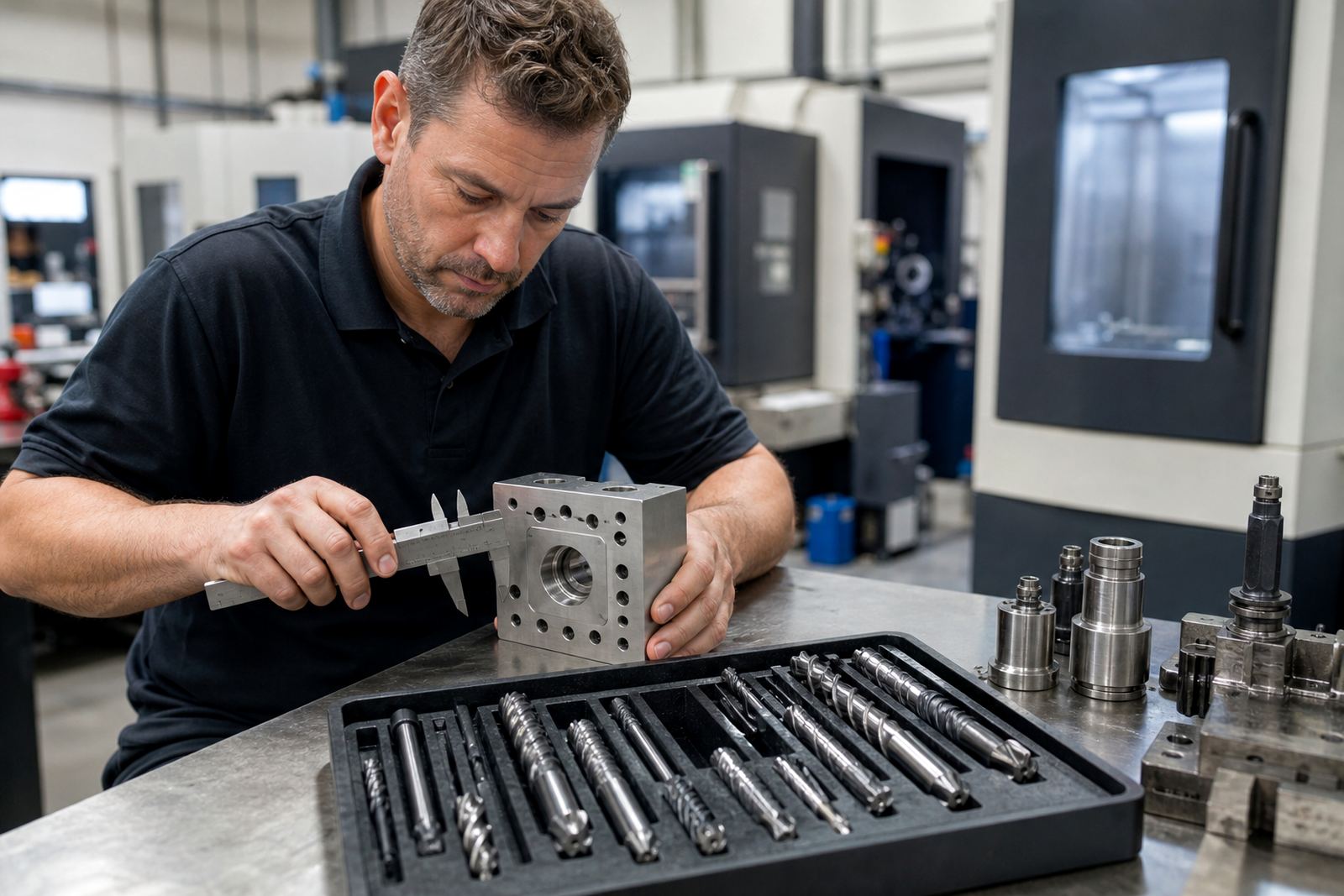
That is where application support makes a difference. We look at the material, the operation and the machine conditions, then suggest a tool that fits the cut rather than forcing the cut to fit the tool. A well chosen tool can reduce rework, improve consistency and cut down on operator interventions during the shift.
Practical Factors That Affect Tool Choice
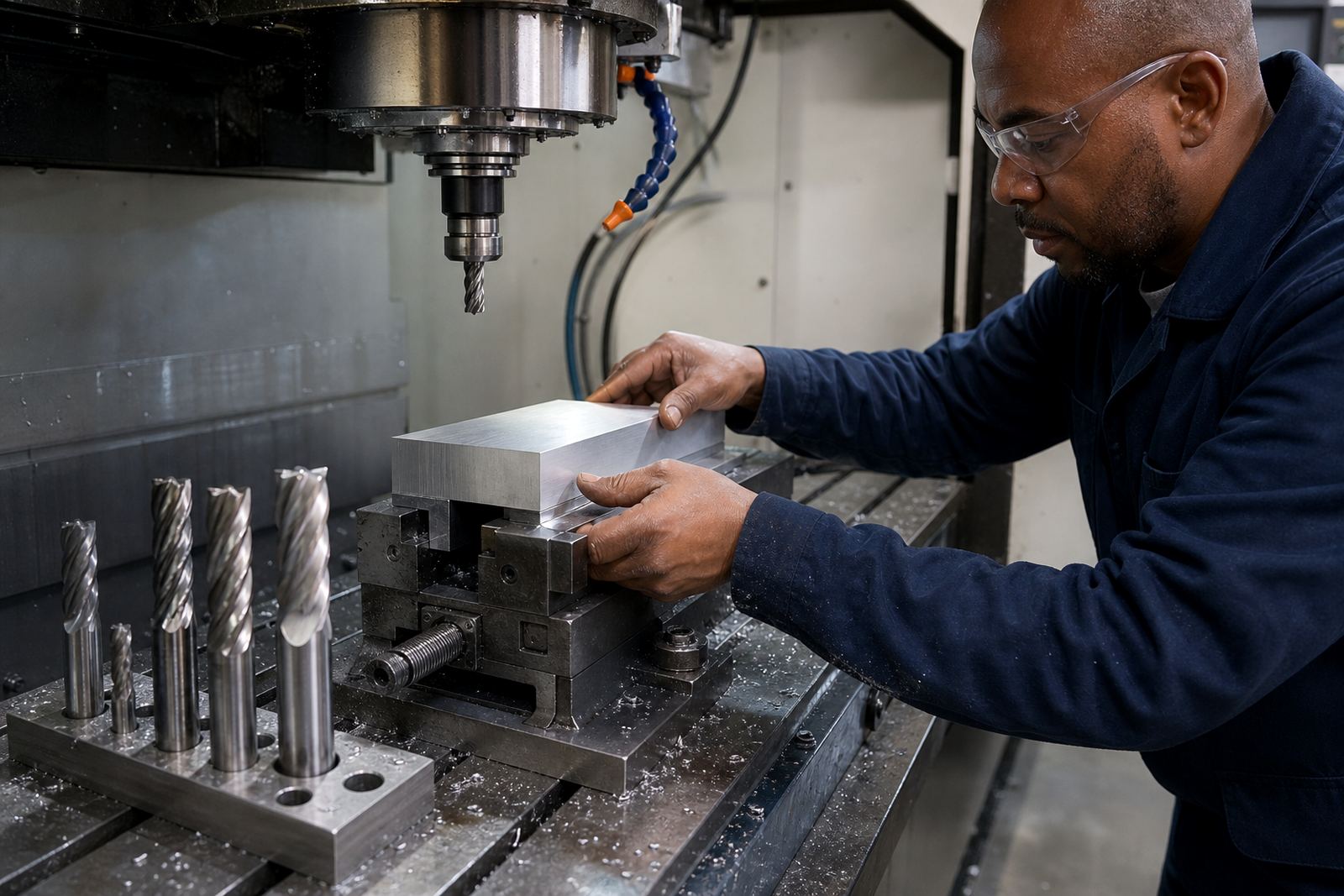
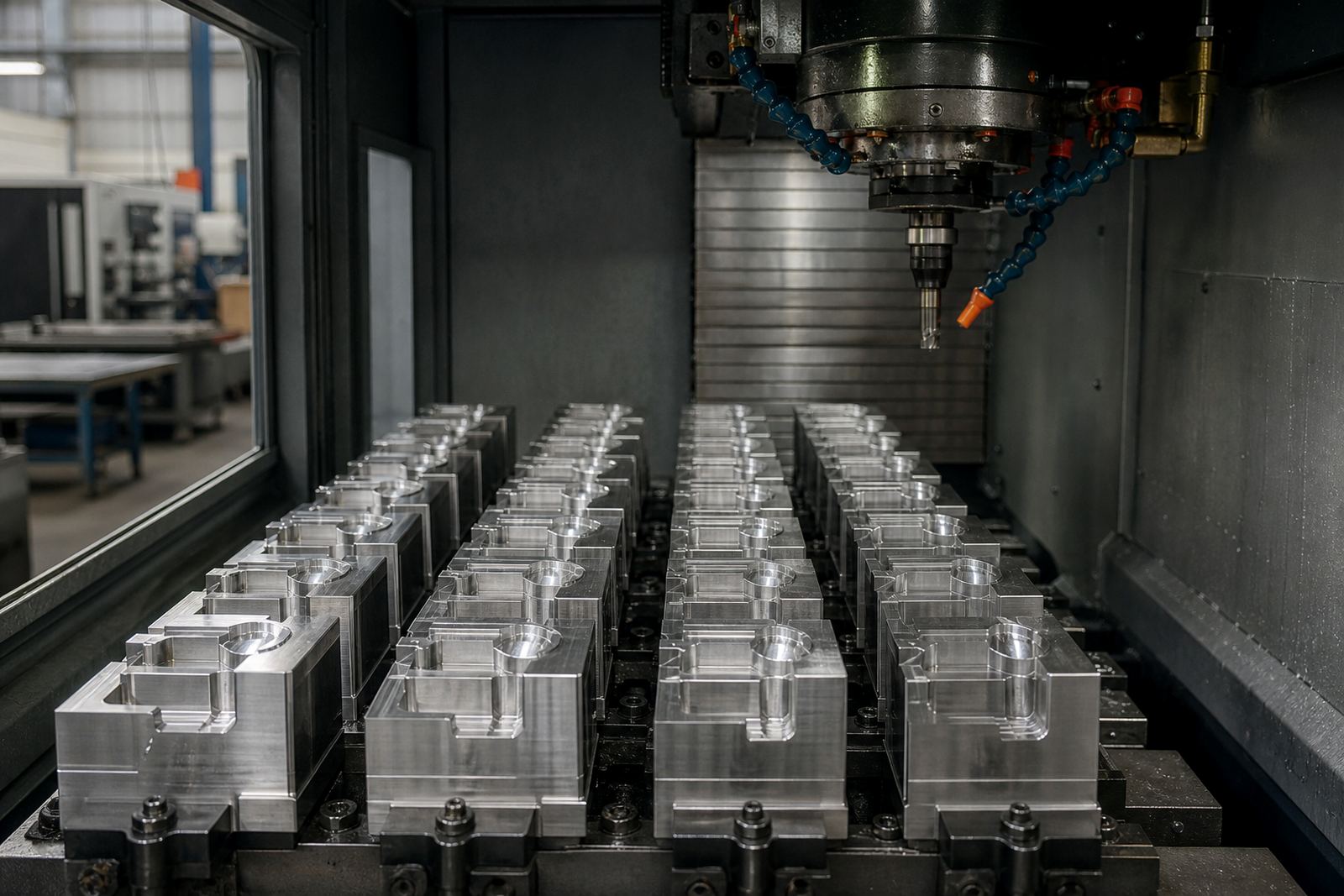
Material is only part of the picture. The best choice also depends on cutter engagement, spindle speed, coolant type, machine rigidity and how much chip clearance is available. On older machining centres or lighter machines, a more conservative tool choice may work better than an aggressive one. On high speed equipment, the setup can usually support tighter control and faster removal rates.
- Machine type and spindle condition
- Clamping strength and part stability
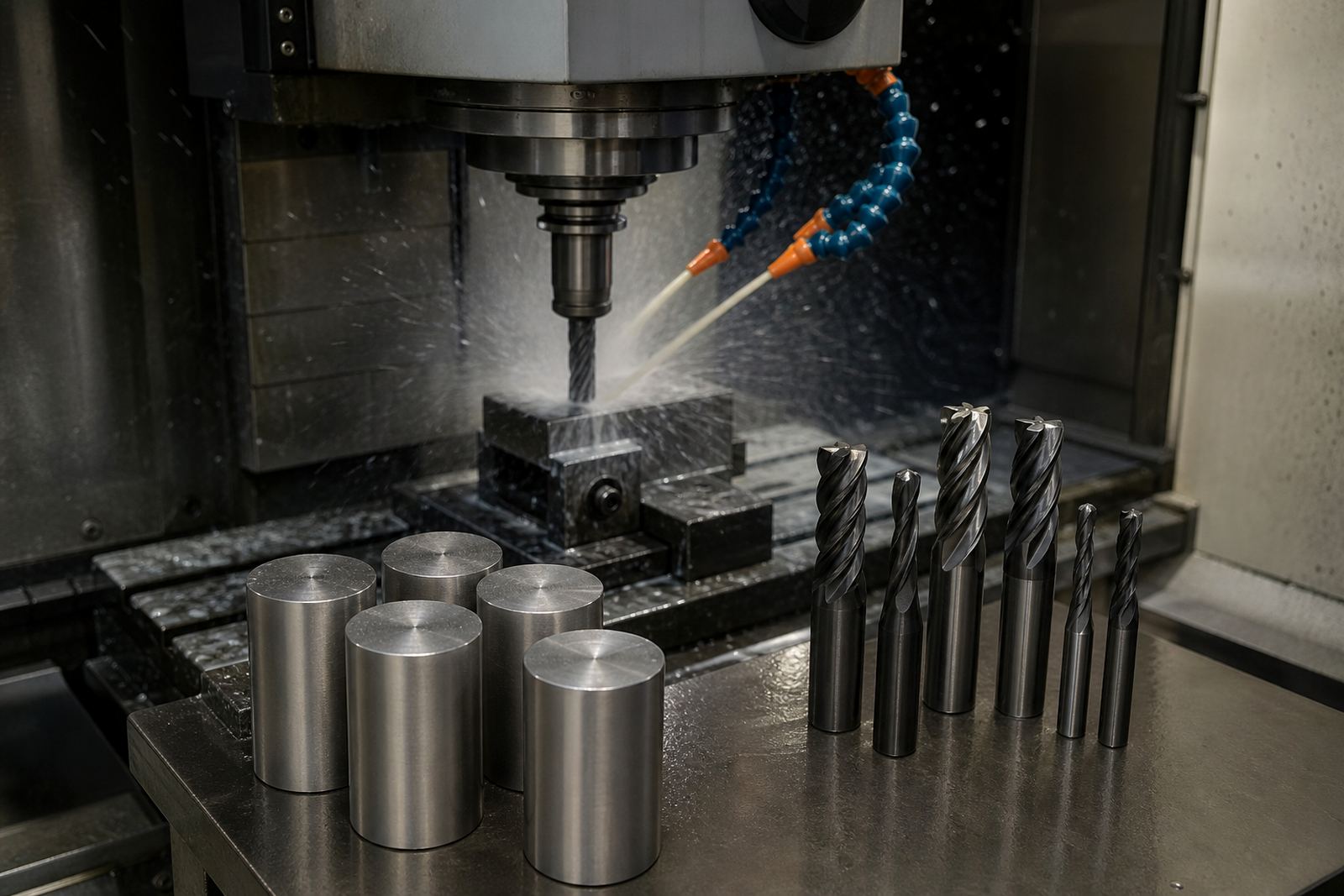
- Dry cutting or coolant use
- Depth of cut and width of cut
- Hole size, pocket size and wall thickness
- Required finish and tolerance
For shops managing municipal power cuts or variable production times, it helps to standardise on tools that give predictable results. That makes it easier to resume work after an interruption without losing the setup.
Choose by Application, Then Build Your Stock Plan
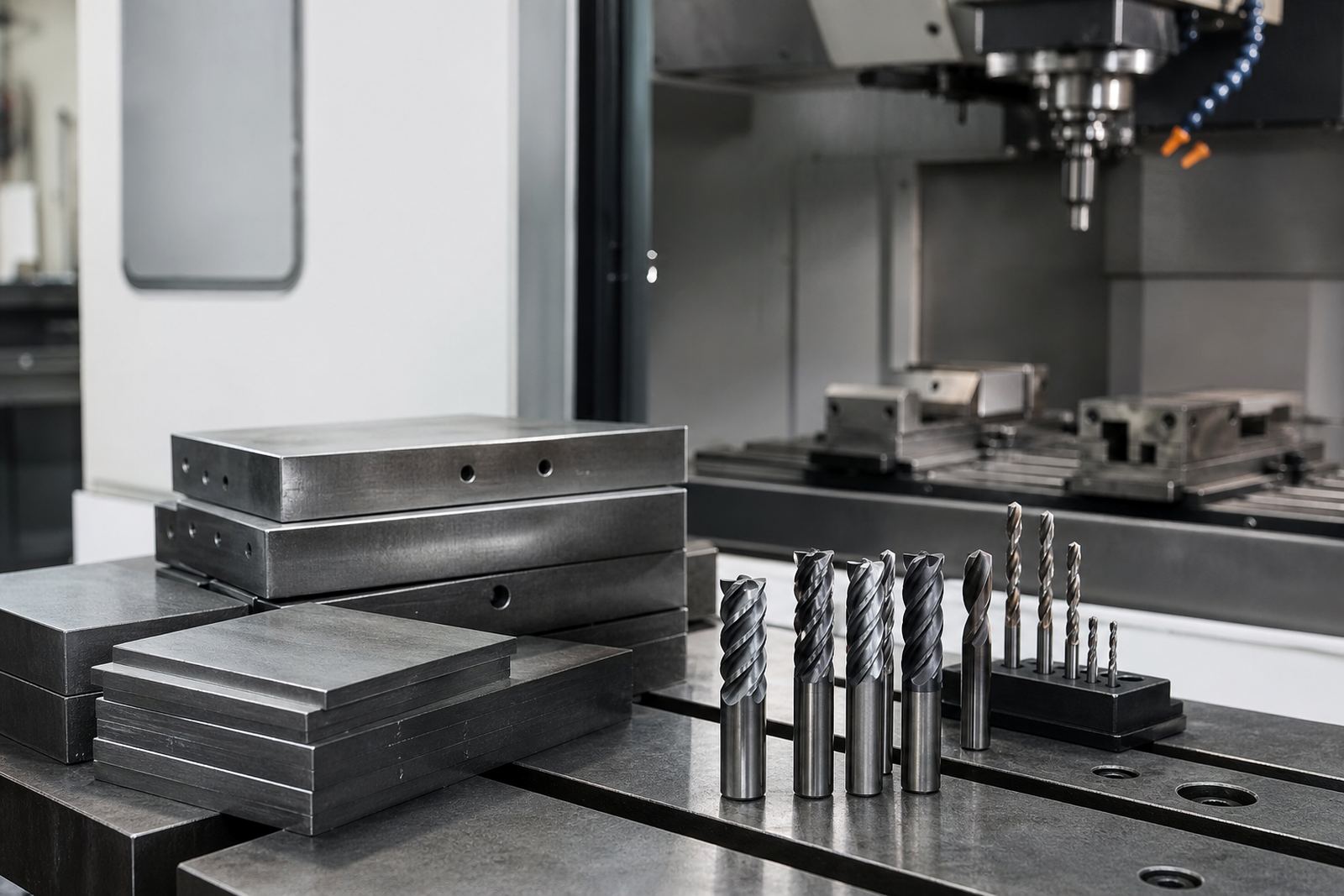
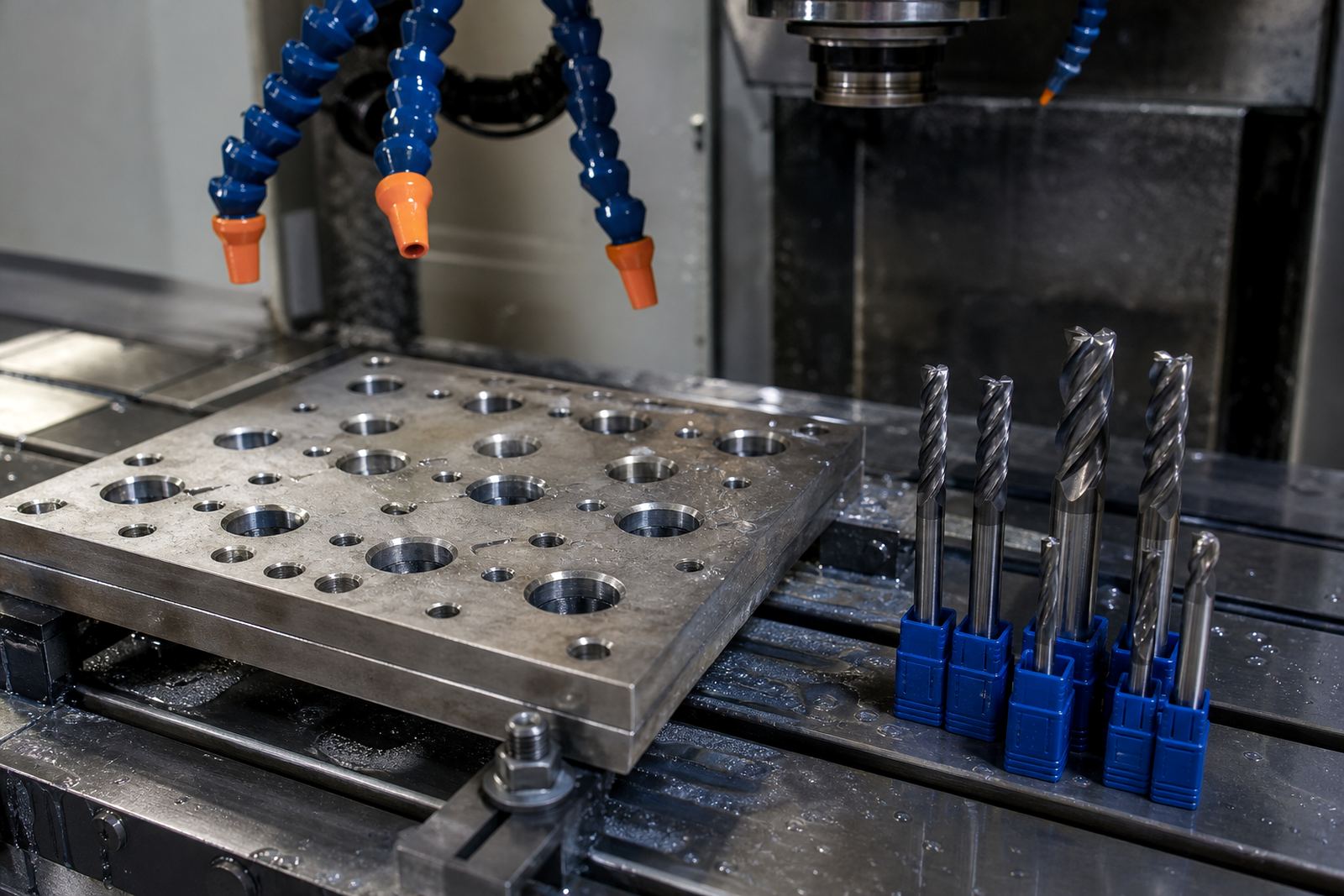
Once the right tool has been identified, the next step is building a sensible stock plan. Shops that run the same parts every week may need a small, stable range of proven cutters and drills. Jobbing shops may need a broader mix so they can switch between materials without delay. Either way, it helps to keep the commonly used sizes on hand and map them to the jobs that use them most often.
If you are comparing options for a new job or sorting out recurring tool wear, use these pages to narrow the choice by material or application first. Then ask for a technical quotation or sample tool trial so the result can be tested in your own process. That approach keeps procurement practical and avoids buying tooling that looks suitable on paper but does not hold up on the machine.