When repeat holemaking starts costing time
In production work, holemaking often looks simple until the same job runs all week and the problems begin. A hole that is slightly oversized, a drill that wanders on the first part, or chips packing in the flute can slow a whole machine cell. Shops in Germiston, Johannesburg, Pretoria, Cape Town, Durban and Gqeberha usually come to us when they need more stable results on batches of plates, brackets, blocks and housings.
That is where drill selection matters. Material type, hole depth, coolant delivery and machine rigidity all affect tool life. For mild steel, stainless, aluminium or cast material, the wrong drill will show up fast as chatter, poor finish or broken tools. A proper match saves time, reduces scrap and gives a more predictable cost per hole.
Typical machine setups for production drilling
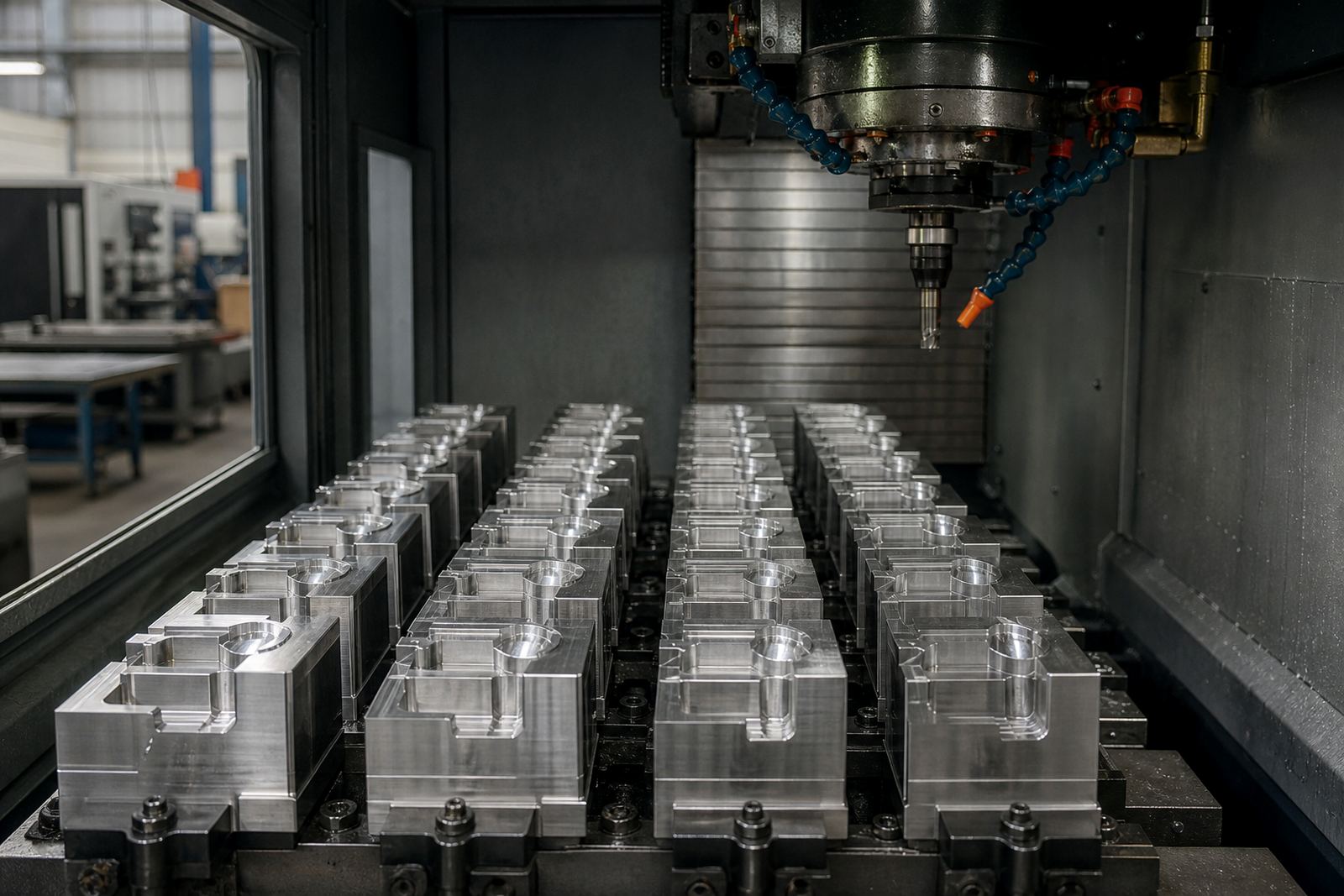
Most of the work starts on CNC machining centres with standard collets, hydraulic holders or shrink fit setups. For repetitive holemaking, the machine needs enough spindle speed, stable clamping and a clear coolant path. Where shops run load shedding plans, they also want tools that restart cleanly after a stop, because a warm-up cut or a half-finished cycle can affect the next part if setup is rushed.
- 3 axis or 4 axis machining centres for plate work, housings and bracket patterns
- Rigid vises, soft jaws or fixture plates for repeat location
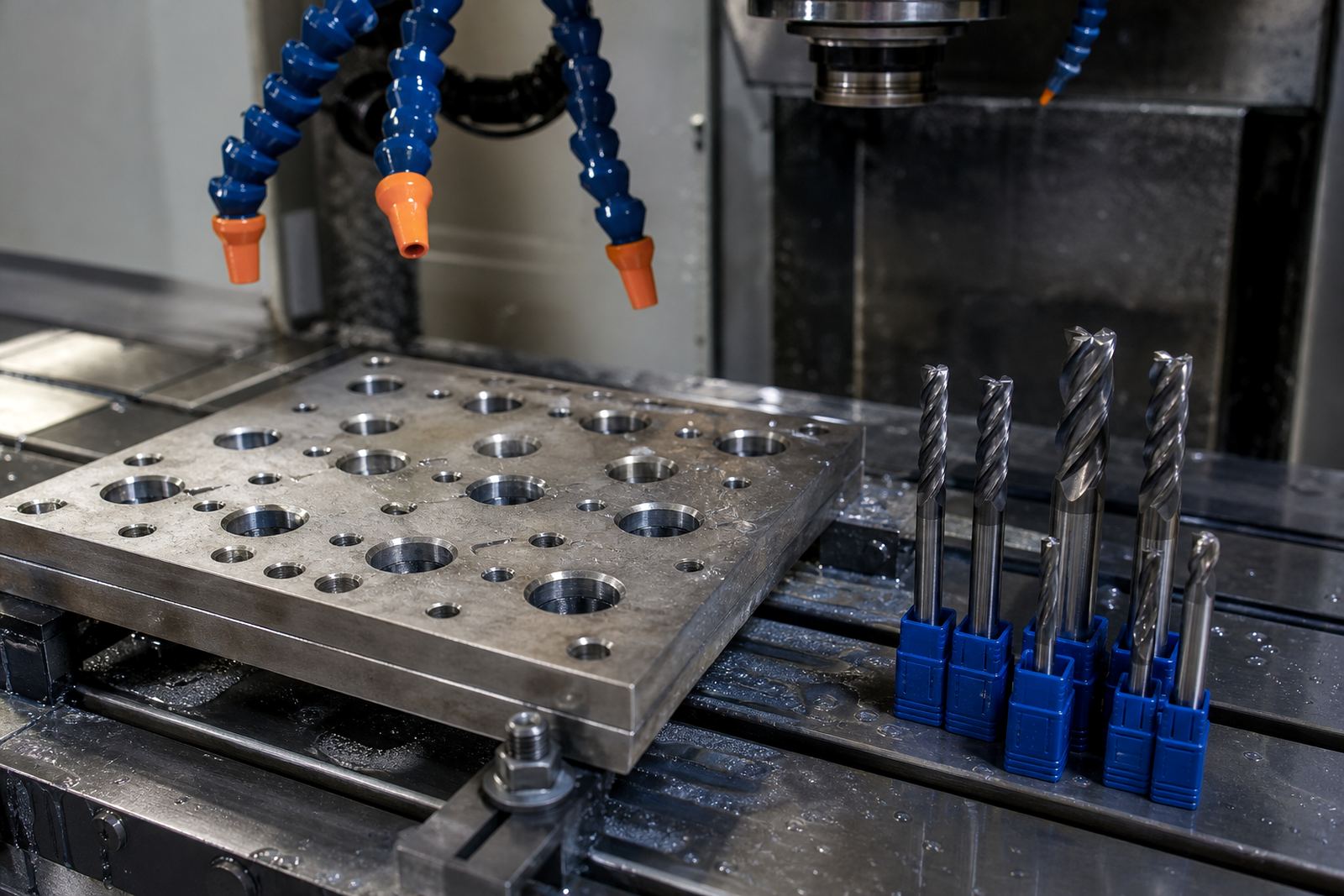
- Internal coolant or good flood coolant for chip clearing
- Solid carbide drills for smaller diameter holes and better cycle times
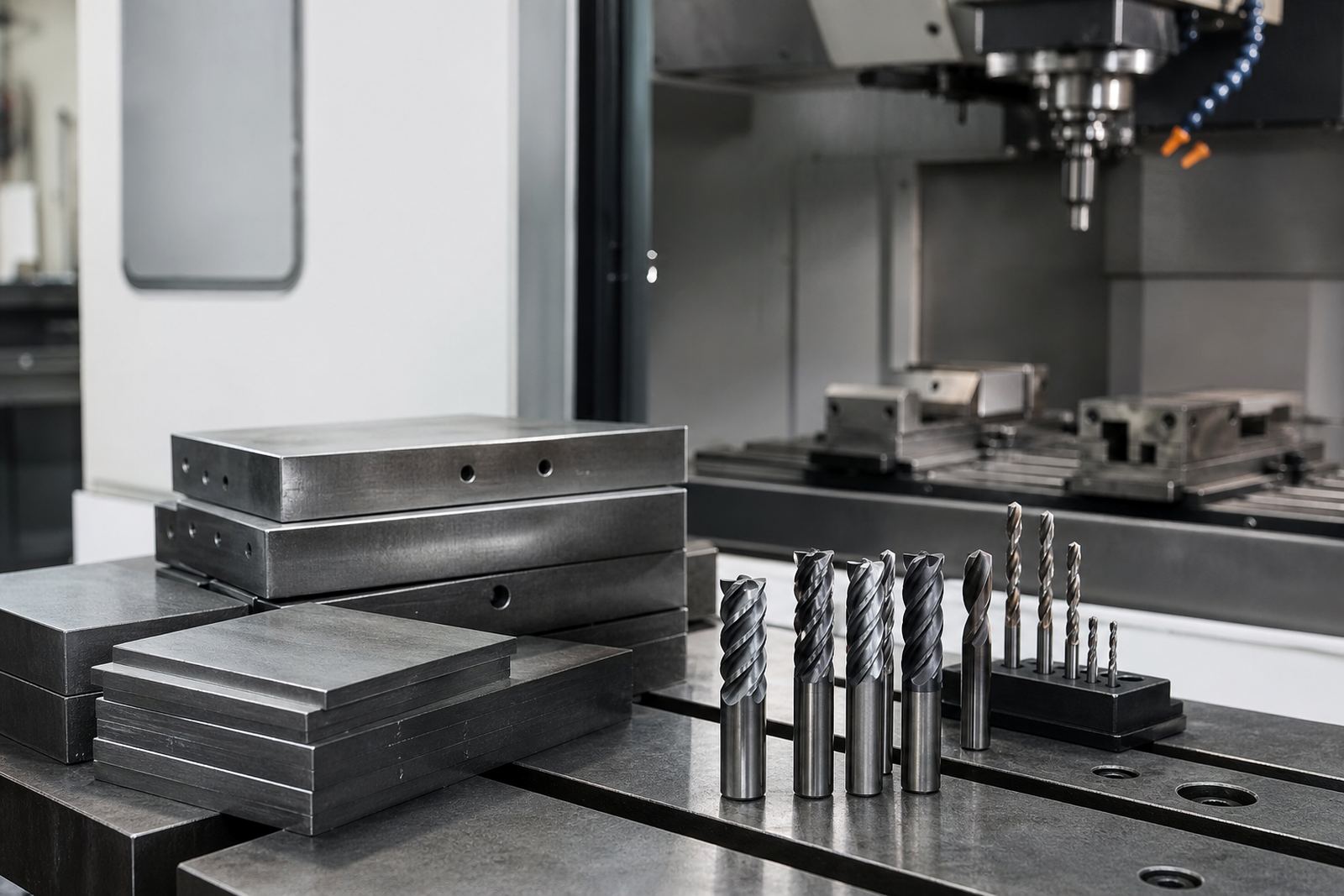
- End mills used for spot facing, interpolation and correction work
On coastal sites, especially around Durban and Gqeberha, moisture and storage conditions also matter. Tools kept in damp stores can pick up surface staining, so clean handling and sealed stock bins help. It sounds small, but it protects performance over time.
Planning the hole pattern before the first cut
Good holemaking starts with layout planning, not with the drill itself. Hole spacing, depth, entry point and exit strategy should all be checked before production begins. If a job has many repeated holes, it pays to standardise the sequence so the same tool sees the same conditions on every run.
Our team often helps shops compare through drilling, peck drilling and interpolation for larger diameters. Johan Smit works with customers on speed and feed advice, while Lerato Mokoena and Priya Naidoo help match the tool to the job and the budget. For a production run, a better plan can be the difference between replacing a drill every shift or getting a proper tool life from it.
- Confirm hole tolerance before choosing drill size and finish allowance
- Check if the material needs chip breaking or a split-point style
- Use one setup where possible to reduce positional error
- Leave room for coolant flow, especially on deep holes
- Keep a spare tool ready for urgent changeovers
Common mistakes we see in local shops
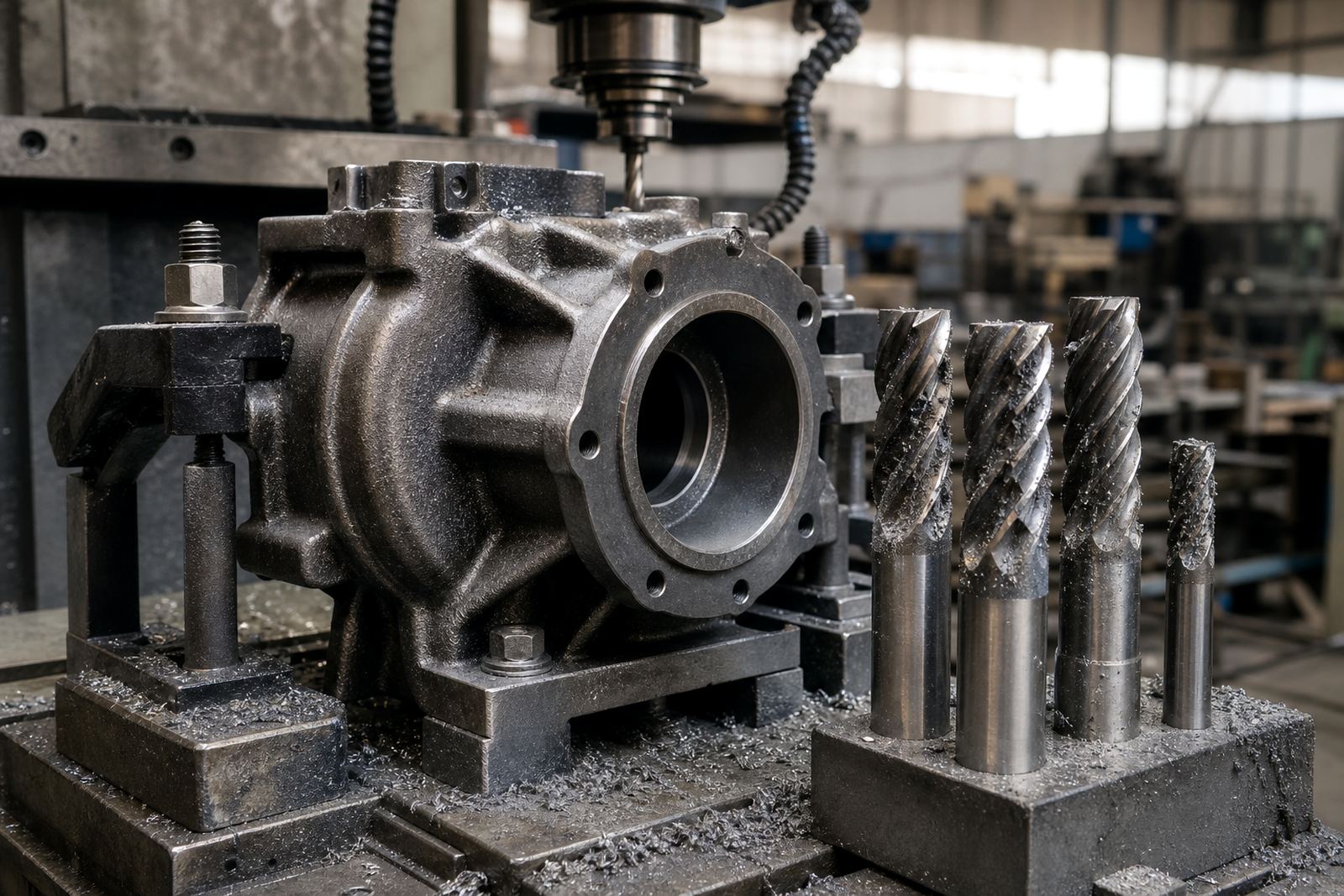
A lot of drilling trouble comes from trying to force one tool to do everything. A general-purpose drill on stainless steel may run, but it can wear quickly if the feeds are too light. Too much pecking can also rub the cutting edges and shorten life. Another common mistake is using a worn holder or poor clamping, which causes the drill to wander before it has a chance to cut cleanly.
We also see operators chasing hole size with the machine offset instead of fixing the root cause. If the point geometry is wrong or the flute cannot clear chips, the problem keeps coming back. In some setups the issue is simply poor stock control, so the right tool is not on hand when the job starts and the shop ends up using whatever is available.
Budget ranges for holemaking tools and support
Budget depends on diameter, flute length, coating requirement and how hard the material is. For small production runs, a basic solid carbide drill may start from about R180 to R450 per tool. Larger diameters, extended lengths and tougher applications can move into the R500 to R1 800 range or more. End mills used for spot facing or circular interpolation can fall into a similar range depending on size and specification.
For shops building a repeat order plan, it often makes sense to keep a working stock of the most used sizes and replace them before failure. That reduces rush buying and avoids line stoppages when the machine is waiting for one missing diameter. Marius van der Merwe and the operations team can help set up a practical stock plan for recurring jobs, not just a one-off purchase.
How CuTools Carbide supports production shops
We supply solid carbide end mills and drills from Wadeville, Germiston to machining shops across South Africa. Whether the work is in Johannesburg Supply, Pretoria Supply, Boksburg Supply, Alberton Supply, Centurion Supply, Cape Town Supply or Durban Supply, the aim is the same: better tool choice, fewer stoppages and steadier production. Technical quotations, sample tool trials and on site consultation are available when a job needs more than a simple catalogue choice.
Thabo Molefe oversees warehouse flow, Zanele Khumalo checks quality and procurement, and Anele Dlamini keeps orders moving so the right sizes are ready when a job turns urgent. If your holemaking line is producing the same parts every day, the best gain is often not a bigger machine, just a better matched tool and a more disciplined process.