When the cavity shape starts to fight back
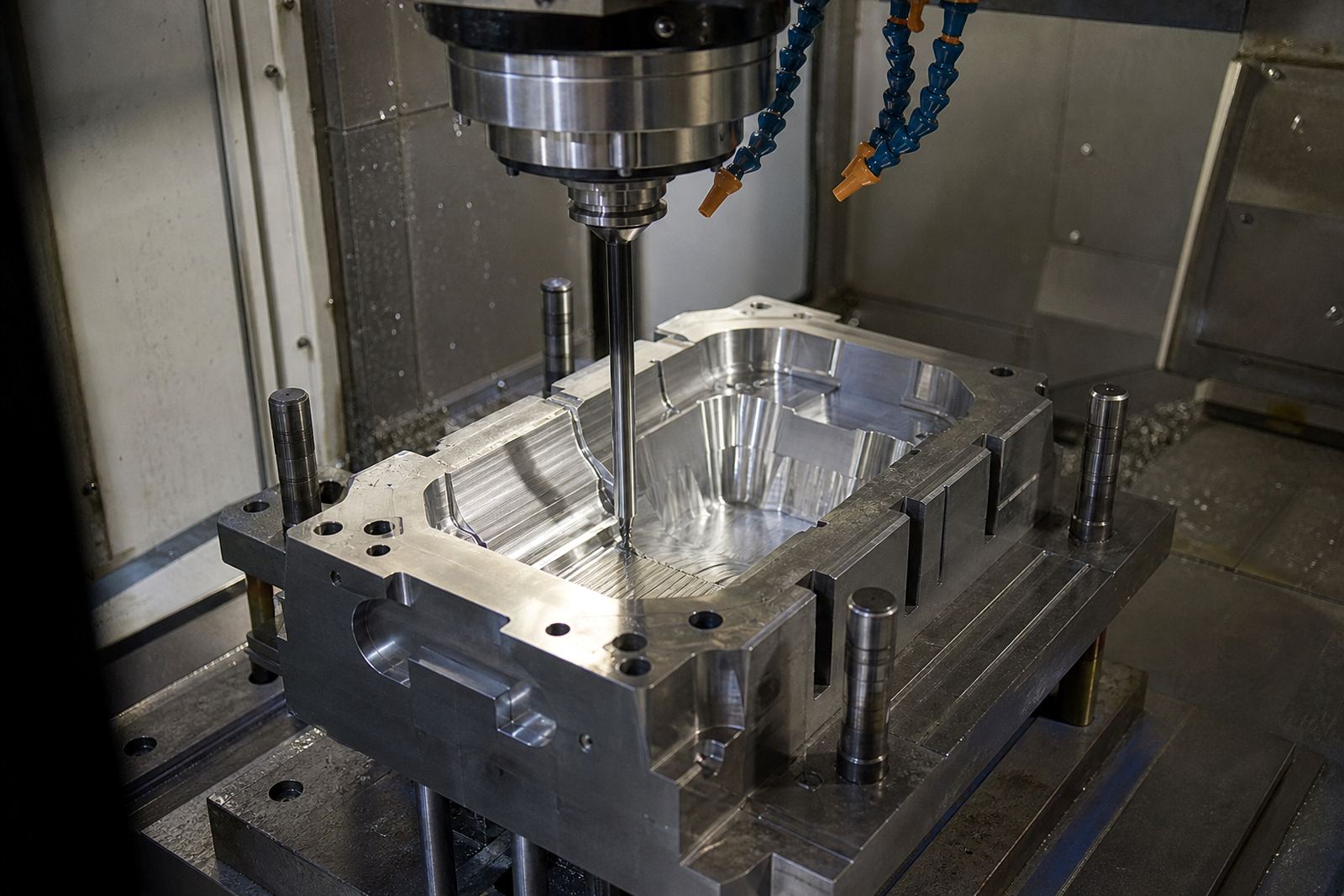
Mould cavities often look simple on paper, then the real job starts. Deep pockets, tight radii, thin walls and awkward entry points can punish a tool that is fine on general steel work. In Germiston, Johannesburg, Pretoria and the coastal towns alike, the shop floor usually wants one thing from the tooling: reach the feature cleanly, then keep cutting without chatter or edge breakage.
That is where solid carbide makes sense. For cavity machining, the cutter choice is usually driven by flute length, neck relief, corner radius and how much stock must stay in the part for finishing. A short tool is ideal for stiffness, but if the cavity is deep, the setup must allow enough reach without causing vibration. In humid coastal conditions, and with load-shedding interrupting long cycles, good stock control and proper tool planning matter just as much as spindle speed.
Typical machines and cutter sets used in South African shops
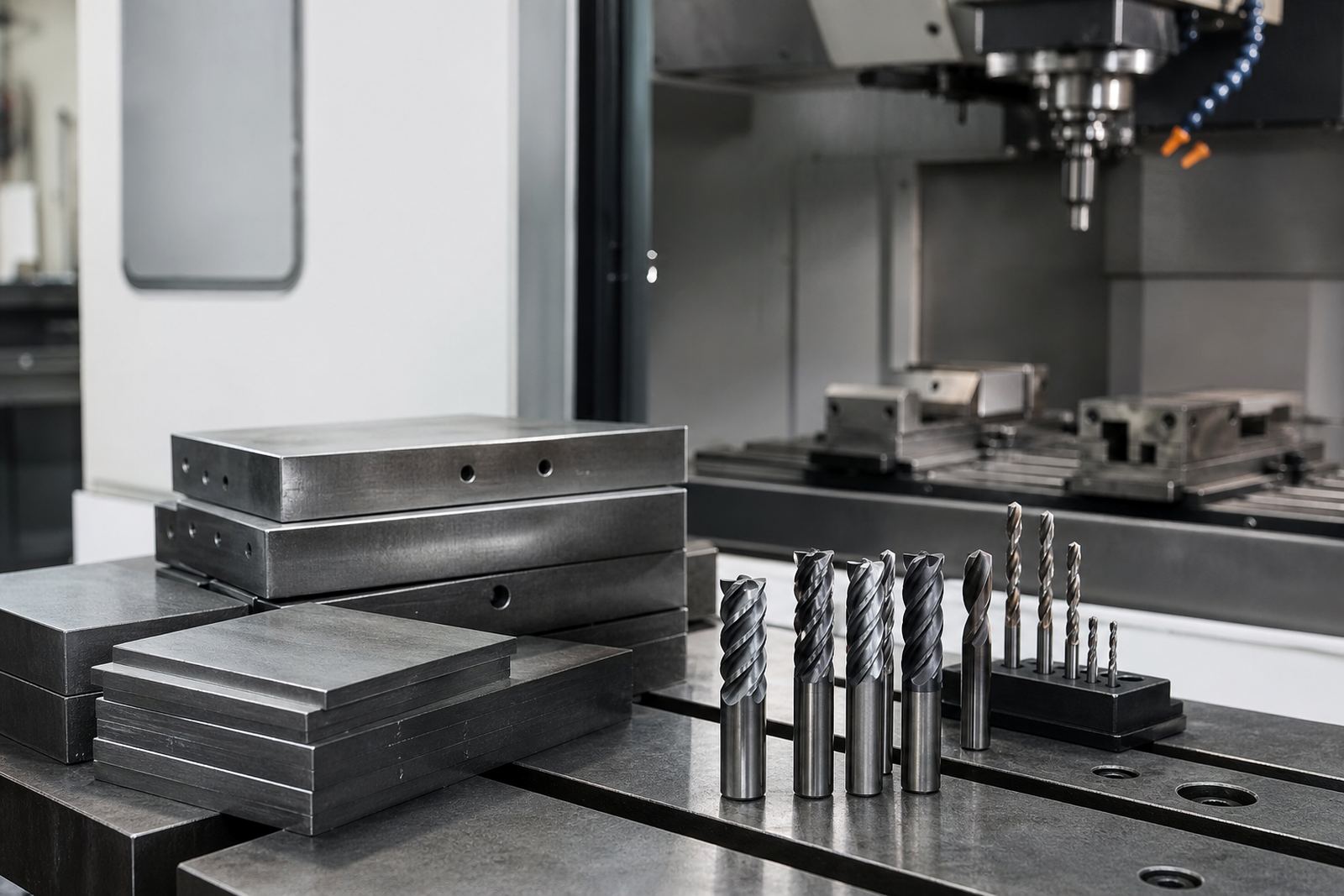
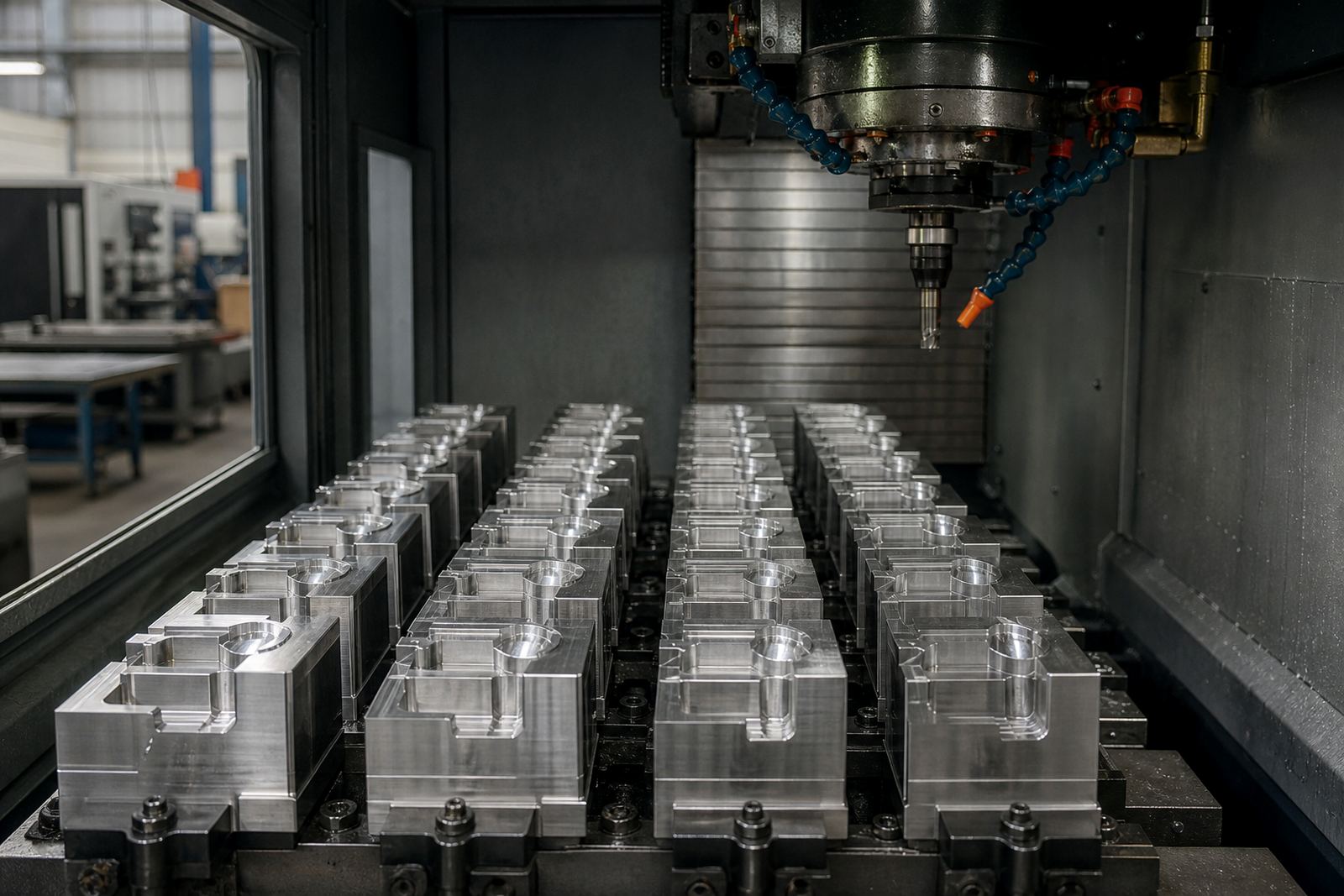
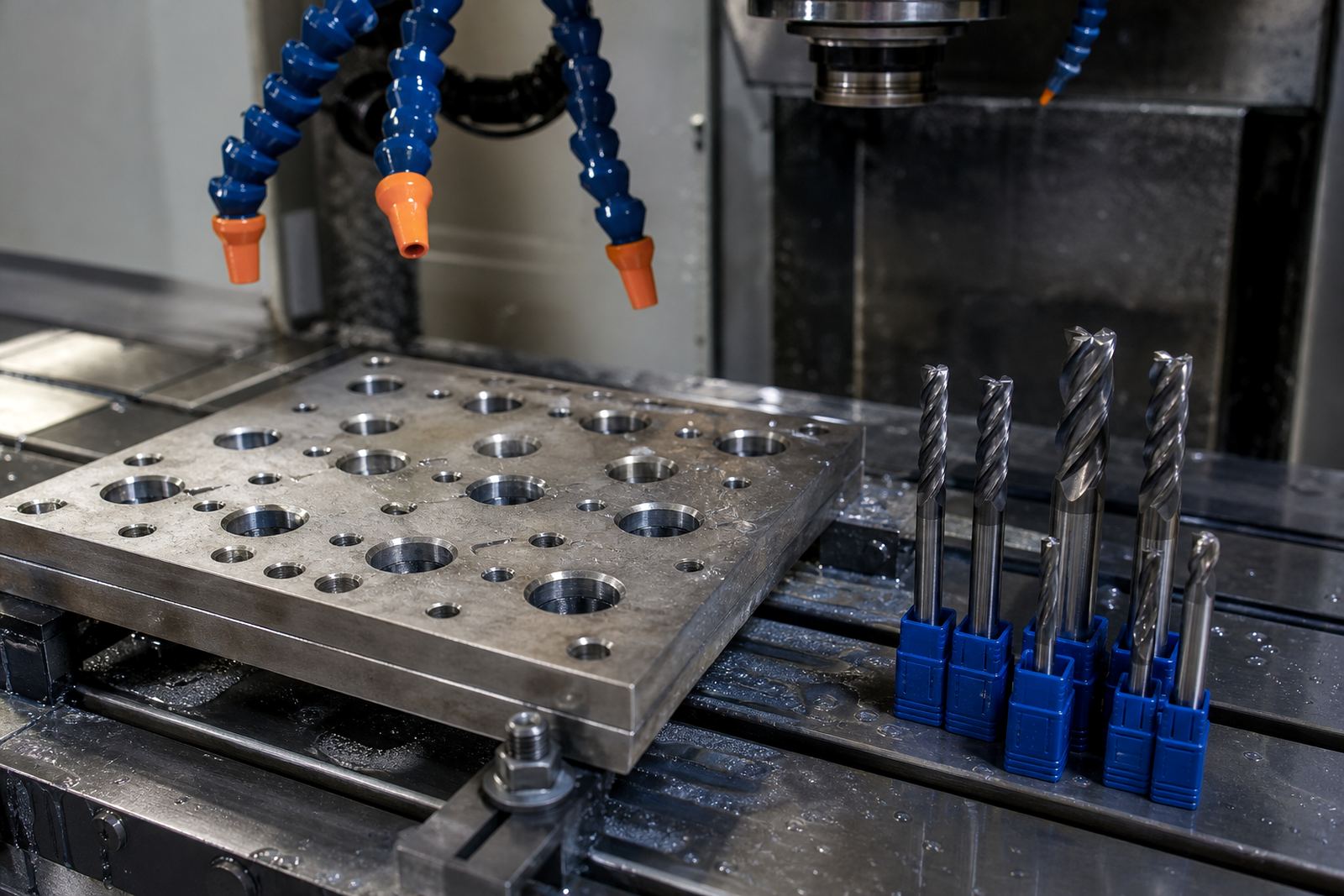
Most mould cavity work is done on vertical CNC machining centres, sometimes with a 4th axis or rotary table for side access. Tooling sets usually include roughers for bulk removal, long-reach end mills for pocket walls, smaller diameter tools for ribs and corners, and drills for pilot holes and vent features. Shops in Wadeville, Boksburg and Centurion often keep a fixed set for mild steel moulds, then add dedicated cutters for stainless, pre-hard steel or aluminium tool blocks.
- Solid carbide roughing end mills for open cavity breakdown
- Ball nose cutters for contoured surfaces and smooth blends
- Long-reach end mills for deep pockets and narrow walls
- High-helix drills for clean hole entry and accurate start points
- Small diameter cutters for corner cleanup and fine detail
Johan Smit, our Technical Applications Lead, often sees the same issue across different sites: the machine is sound, but the tool length and flute count are not matched to the cavity depth. Once that mismatch is corrected, tool life and finish both improve, sometimes by a wider margin than expected.
Planning the cut so the cavity does not trap the cutter
Good cavity work starts before the spindle turns. The toolpath should leave enough material for finishing, especially on side walls where deflection can show up as taper or wash. A common approach is to rough with a tool that has enough chip clearance, then finish with a smaller step-down and lighter radial engagement. If the cavity has deep ribs or narrow islands, the sequence must allow chip evacuation and prevent re-cutting. That seems obvious, but it is often where time gets lost.
For shops doing short runs, it helps to standardise the tool stack around the most common mould sizes. In practical terms, that means keeping a few dependable diameters on hand rather than forcing one cutter to do every part of the job. Marius van der Merwe and the team use this approach when helping clients plan stock: fewer emergency buys, better repeatability, less waiting when production is under pressure.
- Use the shortest practical holder and stickout
- Keep finishing allowance consistent across jobs
- Match flute count to material and chip load
- Use air blast or coolant strategy that suits the cavity depth
- Check tool reach against fixture clamps before machining starts
Common mistakes that raise cost on cavity work
The most expensive problems in mould cavity machining are usually small decisions made too early. A cutter with too much stickout will chatter and wear fast. Too much radial engagement can mark the wall and force extra finishing. Wrong drill choice can wander at entry and shift the hole enough to cause a fit issue later. In stainless or harder pre-machined steels, a poor tool match can also generate heat quickly, which shortens edge life and leaves the operator chasing compensation numbers.
Another common mistake is treating all cavities the same. A shallow pocket in aluminium and a deep cavity in tool steel are not the same job, even if the drawing looks similar. Shops near Durban or Gqeberha sometimes add another challenge because humidity can affect storage and rust prevention on machines left idle during power interruptions. Keeping cutters dry, labelled and properly packed avoids a lot of waste, no need to overthink it.
- Do not overspecify flute length when a shorter tool will do
- Do not rely on one end mill for roughing and finishing
- Do not ignore chip packing in deep cavities
- Do not run a worn tool just to finish one last part
Budget ranges for mould cavity tooling in Rand
Tooling budgets depend on cavity depth, material hardness and how many operations are needed before final finish. For a small job shop doing general mould cavity work, a basic set of solid carbide cutters and drills might start around R3 500 to R8 000 for a modest range of diameters. A more complete kit for recurring production, including long-reach tools, ball nose options and backup cutters, often sits between R12 000 and R35 000 depending on sizes and quantities.
For higher volume work, or where tool life is critical, the spend can move beyond that quickly because it is cheaper to hold proper stock than stop a machine for one missing size. On site consultation and application support often pay for themselves by reducing breakages, scrap and repeat finishing. Priya Naidoo and the support team help clients keep ordering practical, so the shop is not carrying dead stock, but also not running out mid job.
Budgeting also has to account for machine uptime in South Africa. If a long cavity cycle is interrupted by load-shedding, it helps to have duplicate tools ready, plus a clear restart plan. That is not glamorous, but it keeps production moving and protects the schedule.
How CuTools Carbide supports cavity machining teams
CuTools Carbide supplies solid carbide end mills and drills from Wadeville, Germiston to machining shops across South Africa, including Johannesburg, Pretoria, Cape Town, Durban and Gqeberha. The team works with tool selection, material matching, speed feed advice, tool life optimisation and technical quotations for mould cavity work of all sizes. Thabo Molefe manages warehouse flow so urgent orders can be handled properly, while Zanele Khumalo keeps procurement and quality aligned with what the shop actually needs.
When a cavity job is new or difficult, sample tool trials can help confirm the right diameter, flute style and finishing strategy before the full order is placed. That is especially useful where the material grade changes from job to job or the cavity geometry has tight corners and fine detail. A clear plan at the start usually saves hours later.
- Tool selection for roughing, semi-finishing and finish passes
- Application support for deep pockets and fine detail
- Speed and feed advice matched to the machine and material
- Urgent tool supply and stock planning for repeat jobs
A practical route for better cavity results
If mould cavity work is a regular part of your production, the best gains usually come from better planning rather than more aggressive cutting. Start with the cavity depth, the smallest feature, the material, and the finish requirement. Then choose cutters that can actually reach the work without pushing the machine beyond what it can hold. That simple step lifts reliability, and often shortens the entire cycle a lot.
For shops in Gauteng, the Western Cape and KwaZulu-Natal, local conditions matter too. Coastal humidity, municipal power interruptions and tight delivery schedules all affect how tooling should be stocked and used. A practical setup, the right carbide cutters, and a supplier who understands the pressure on the floor can make mould cavity machining far easier to manage.