Why stainless jobs punish the wrong setup
Stainless machining often starts with a part that looks simple, then turns costly when the cutter rubs instead of cutting. That rubbing hardens the surface, pushes heat into the tool and leaves a poor finish that takes extra time to recover. On small batches this can be an annoyance; on repeat production it can eat into margin fast.
In Wadeville, Germiston and across local CNC shops, the same pattern shows up again and again: the tool is sound, but the feed is too light, the stick-out is too long, or the coolant delivery cannot keep up with the heat. The result is edge chipping, chatter marks and short tool life. In stainless, the answer is usually not to slow everything down. It is to keep the cutter engaged, cut steadily and stop the part from becoming harder as you go.
Typical CNC setup for stainless cutting
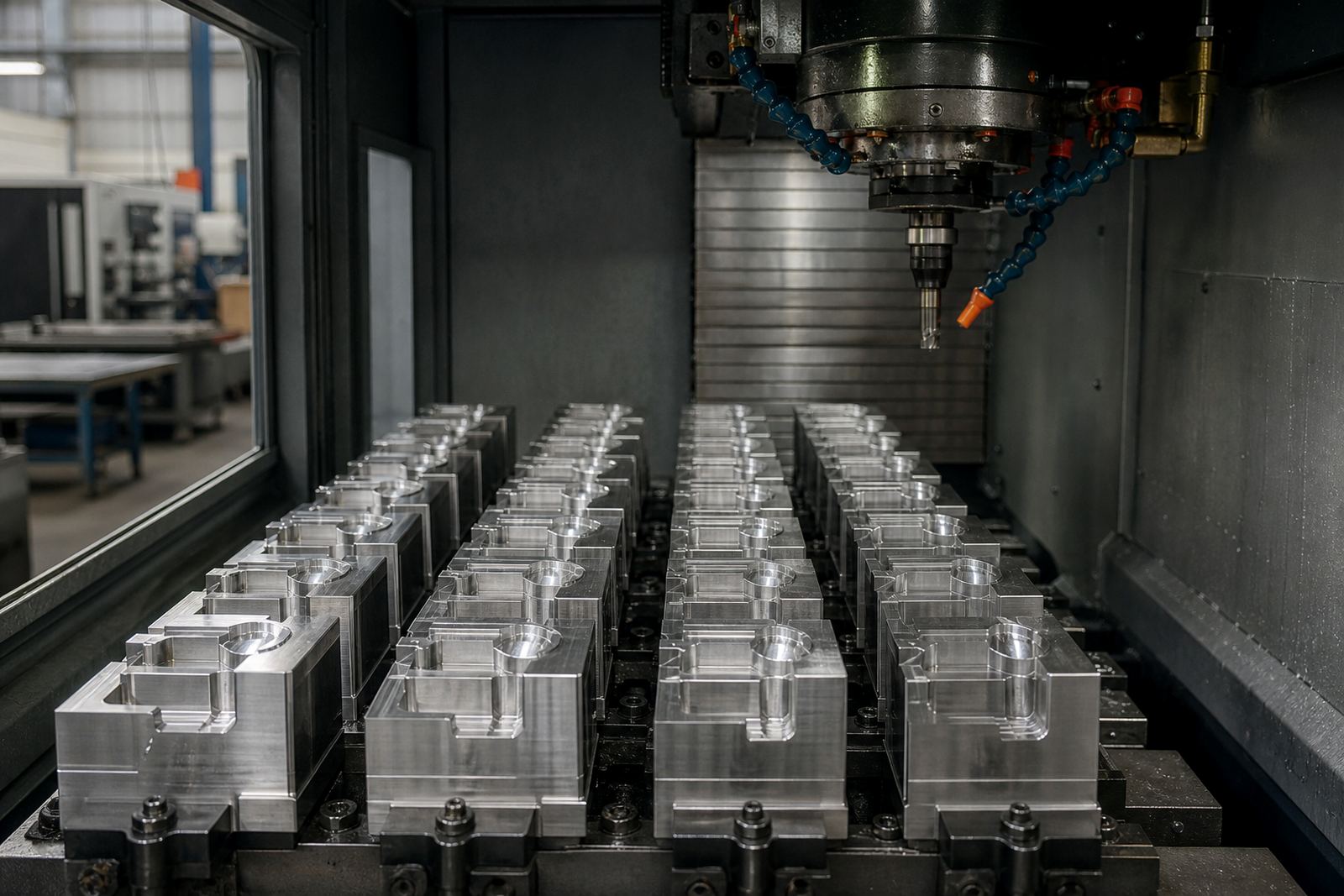
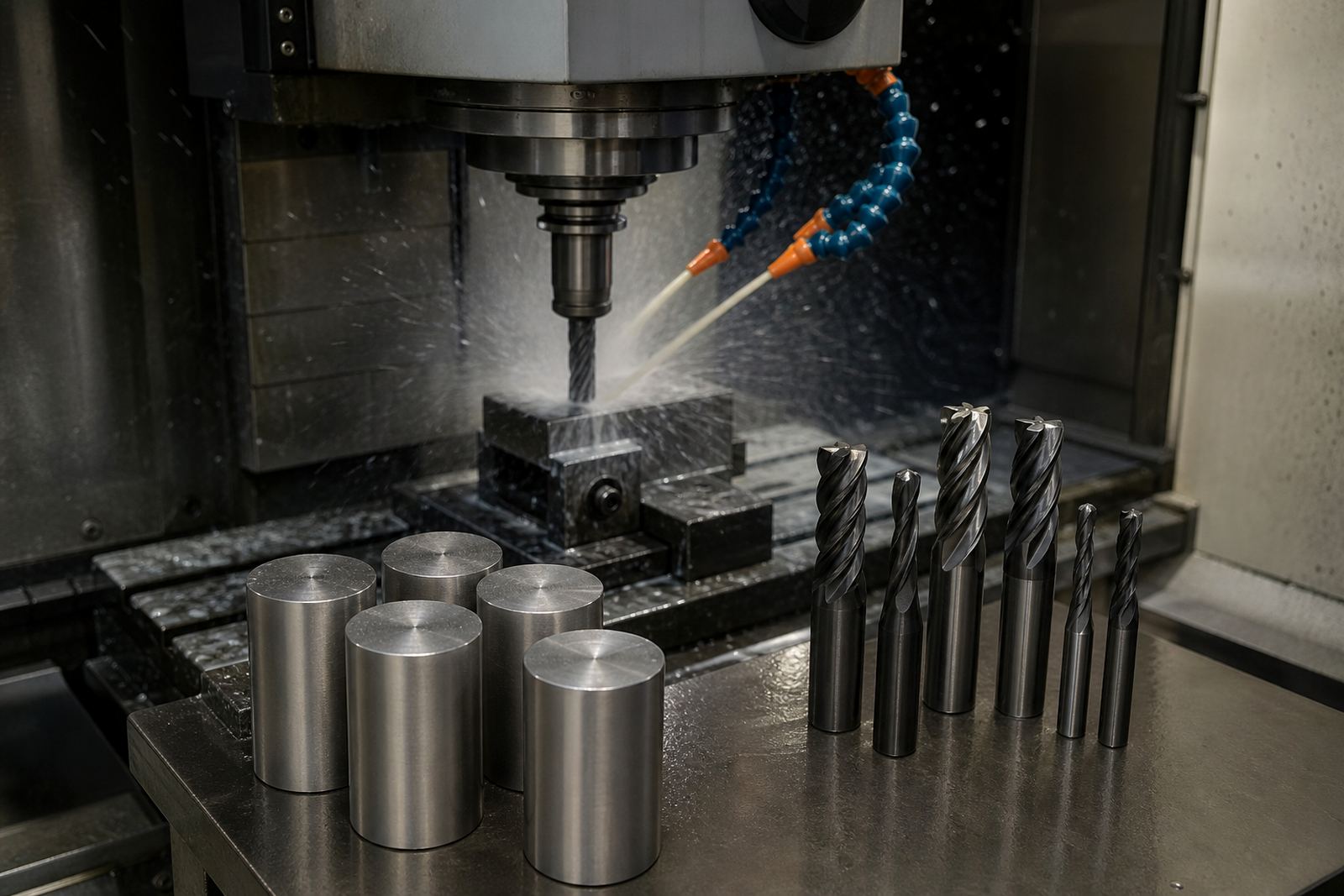
For most stainless jobs, a stable machining centre with good spindle condition, tight holders and clean tool clamping is the starting point. Solid carbide end mills and drills do well when the machine can hold tolerance under load and the setup keeps vibration low. Shops in Johannesburg and Pretoria often run mixed work, so the tooling choice must suit both the material and the machine condition.
- Solid carbide end mills for slotting, side milling and finishing passes
- Solid carbide drills for through holes and accurate starting points
- Rigid holders with minimum stick-out
- Flood coolant or high pressure coolant where available
- Sharp, purpose suited geometry for stainless rather than general steel tools
If coolant flow is limited during load-shedding, plan the cycle so the cutter is not left dwelling in the cut. A short interruption is manageable, but a hot tool sitting in a hole or corner can spoil the next few parts. Shops near coastal areas such as Cape Town and Durban also need to watch moisture and storage conditions because corrosion on holders and tooling can cause problems before the job even starts.
Layout and planning that reduce work hardening
Stainless likes a planned sequence. Rough first, clean up later. Avoid lingering on thin walls and long overhangs, because they move and harden very quickly. Where possible, keep paths smooth and avoid sudden direction changes that load the edge unevenly. This is especially important in components with pockets, gasket faces and threaded sections.
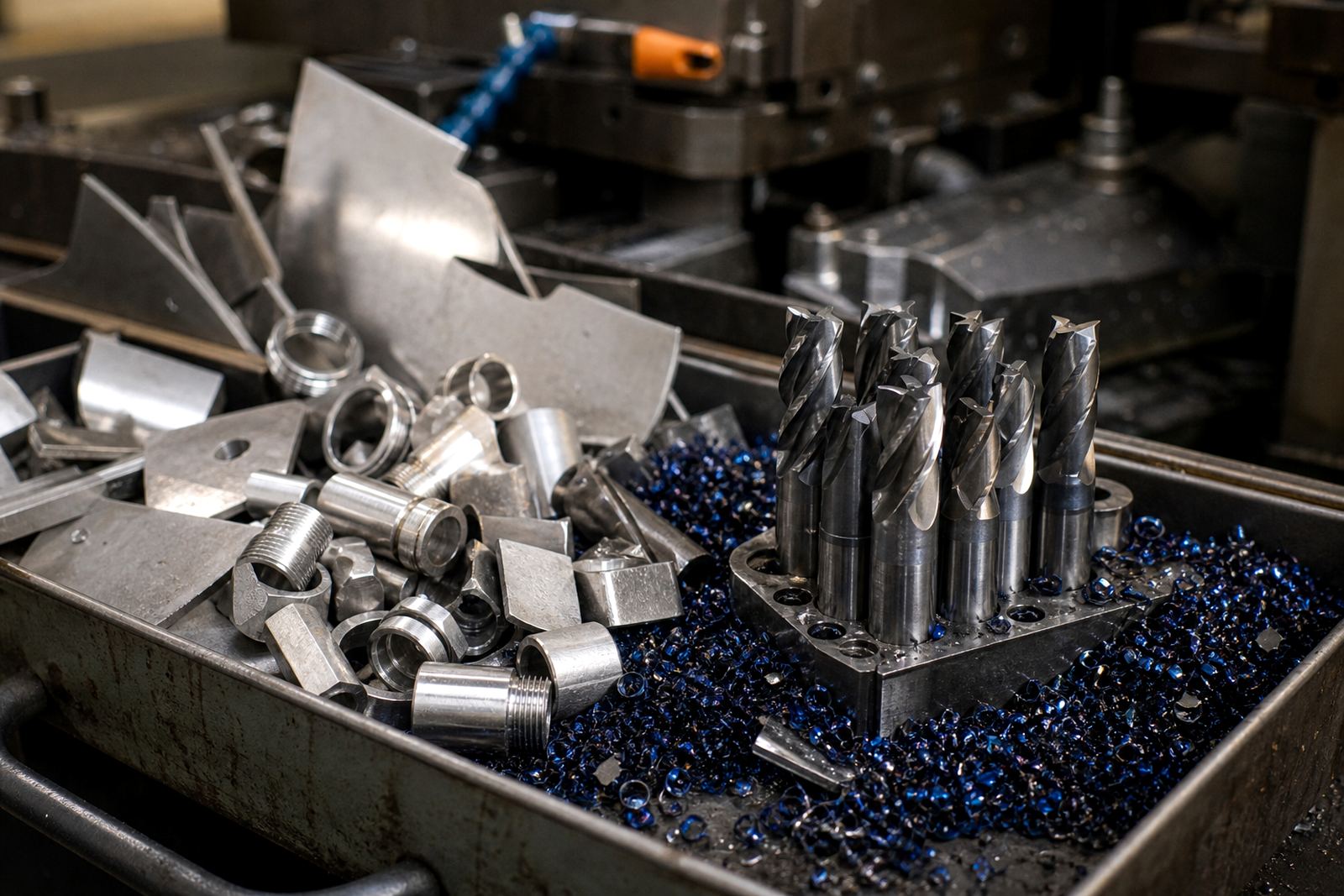
Tooling layout should also make room for chip flow. Stainless chips can string, pack and recut if the pocket is too tight or the coolant path is poor. A good setup allows chips to clear before they are dragged back across the cut. For shops in Boksburg, Alberton and Centurion, that can mean changing the fixture slightly rather than forcing the same approach on every part.
- Use shorter tool projection where the job allows
- Break long tool paths into sensible roughing and finishing steps
- Keep coolant directed at the cutting edge, not just the part surface
- Leave enough material for a proper finishing pass
- Check clamping so the workpiece does not spring after roughing
Common mistakes that shorten tool life
The most common mistake is running stainless like mild steel. That usually means light feeds, too much dwell and a belief that a slower cut is safer. In reality, the edge starts rubbing and the work hardens. Another frequent issue is using a worn tool for one more batch because the finish still looks acceptable on the first part. By the time the second batch starts, the tool is already losing its cutting edge.
Another trap is poor chip control on deep holes and narrow pockets. If chips remain in the cut, they recut and heat the tool, which can lead to micro chipping and sudden failure. Shops sometimes try to solve this by increasing speed only, but without the right feed and coolant, that just makes the problem worse.
When a job is not behaving, the first questions should be simple: is the cutter sharp, is the holder rigid, is the coolant reaching the cut, and is the feed strong enough to stay ahead of work hardening? Those four checks solve a large share of stainless issues before more money is spent on tooling.
Budget ranges for stainless tooling in Rand
Stainless work does not always need the most expensive option, but it does need the right one. Budget planning should cover test tools, finishing tools and a small safety stock for urgent replacements. For many CNC shops, the difference between a cheap cutter and a dependable one is quickly recovered through fewer stoppages and better tool life.
Typical budgeting for stainless jobs can be planned in ranges rather than one fixed figure. Single solid carbide drills and end mills may fall in the lower hundreds of Rand for standard sizes, while specialist diameters, longer reach tools or coated variants can move into higher Rand bands per tool. A small production cell might keep R3 000 to R12 000 in working stock for regular stainless work, while a busier site handling repeat orders across Johannesburg or Durban may need R15 000 or more to avoid delays.
- Allow for trial tools on new material grades
- Keep spares for critical diameters used every week
- Set aside budget for urgent supply when a tool fails mid-run
- Review actual consumption monthly so stock does not run out unexpectedly
How CuTools Carbide supports stainless machining shops
CuTools Carbide works with manufacturing and engineering teams that need practical support, not guesswork. From our base in Wadeville, Germiston, we help shops choose solid carbide end mills and drills that suit the grade, the machine and the production target. That includes application support, speed and feed advice, tool life optimisation, material matching and sample tool trials.
Our team includes Marius van der Merwe, Lerato Mokoena, Johan Smit, Anele Dlamini, Priya Naidoo, Thabo Molefe and Zanele Khumalo, so enquiries are handled by people who understand both stock and machining detail. Whether the job is in Pretoria, Cape Town, Gqeberha or nearby in Boksburg and Alberton, the focus is the same: keep stainless cutting cleanly, reduce wasted time and help the job run to plan.
For shops that need a better answer on a difficult stainless component, the best next step is a clear enquiry with the material grade, machine type, tool diameter and the issue being seen on the floor. That makes the recommendation faster and usually saves a few wrong turns.