What production standardising covers on the shop floor
Production standardising is about removing guesswork from recurring work. Instead of using different cutters for the same material and feature every time, we help you settle on a controlled range of solid carbide end mills and drills that give repeatable results. That means fewer tool changes, simpler stock holding and more predictable cycle times on CNC machining centres.
For shops running batch work in mild steel, stainless steel, aluminium or cast materials, standardising usually starts with the parts that repeat most often. We look at hole sizes, slot widths, pocket depths, finishing requirements and machine limits then narrow the tooling list to a practical set. The goal is to keep the range tight without making the process too rigid for day to day production.
- Standard tool diameters for common features
- Preferred flute counts for each material group
- Consistent corner radii and reach lengths
- Clear replacement points before finish quality drops
How we reduce tool variation across recurring jobs
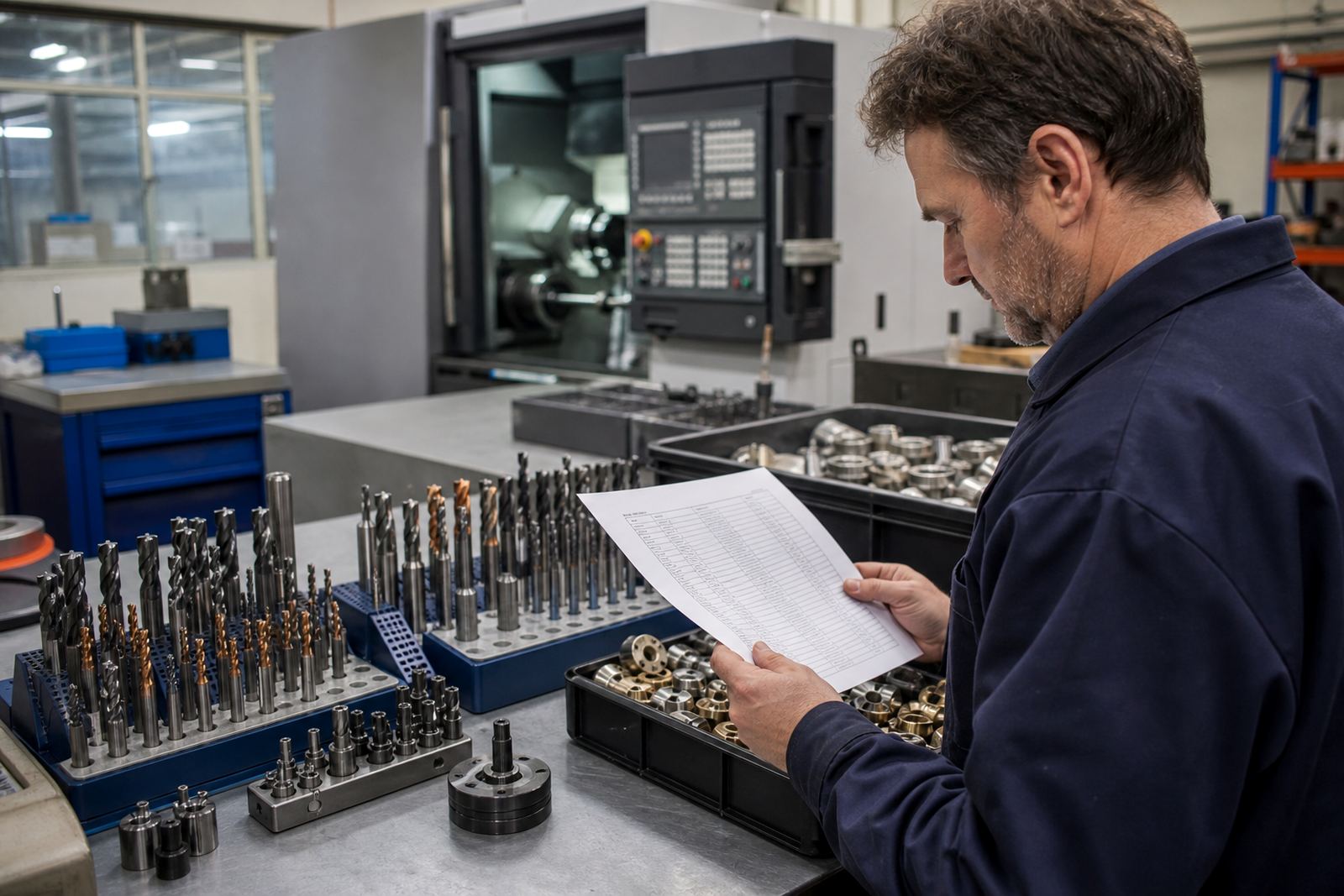
We start by reviewing the jobs that run every week or every month. That includes the drawings, previous tool usage, spindle speed limits, feed rates and any notes from the machine operators. If one job is using three cutters where another shop uses one, we check whether the difference is really needed or whether a single specification can cover both. In many cases the answer is yes, with a small adjustment to feeds and stepovers.
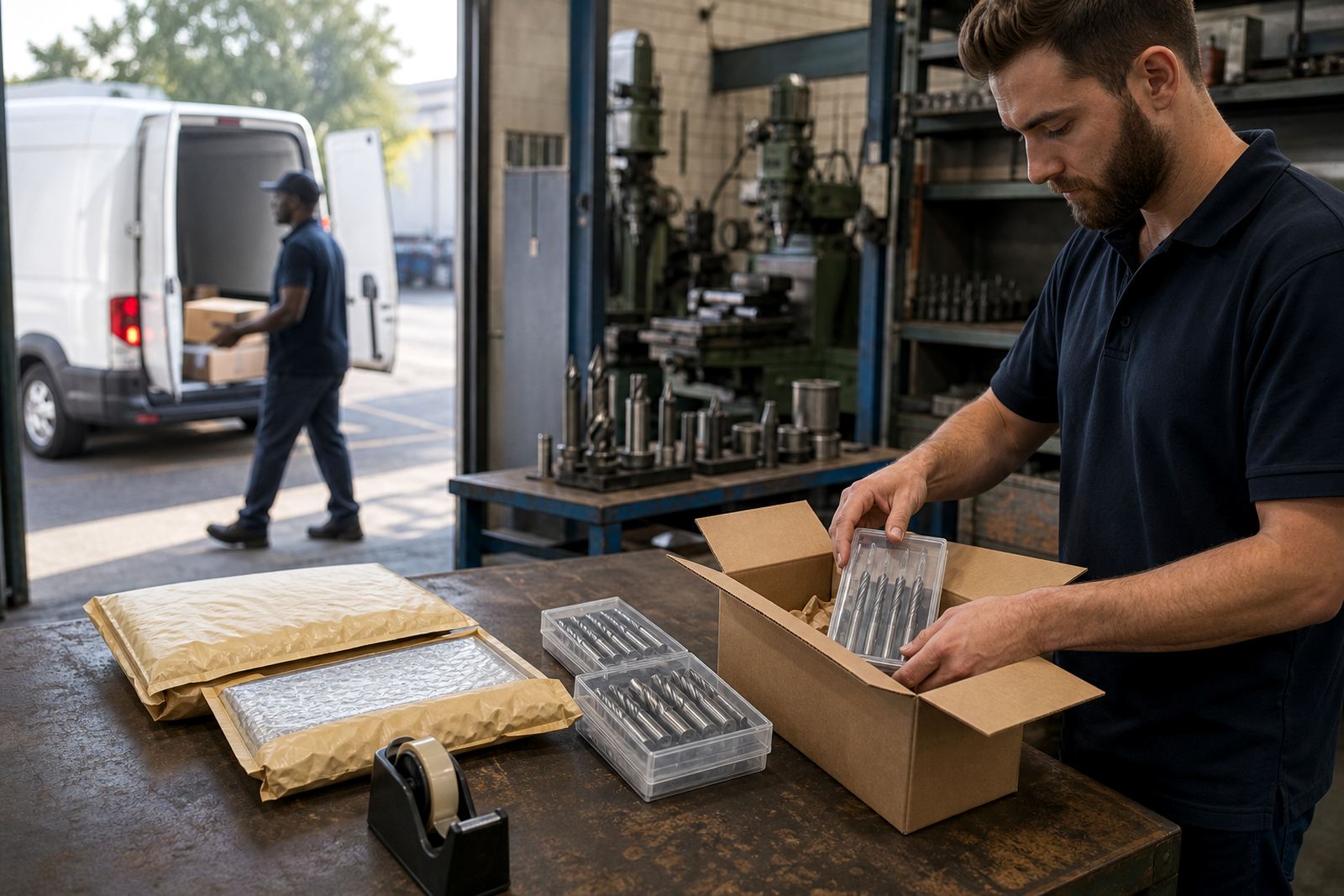
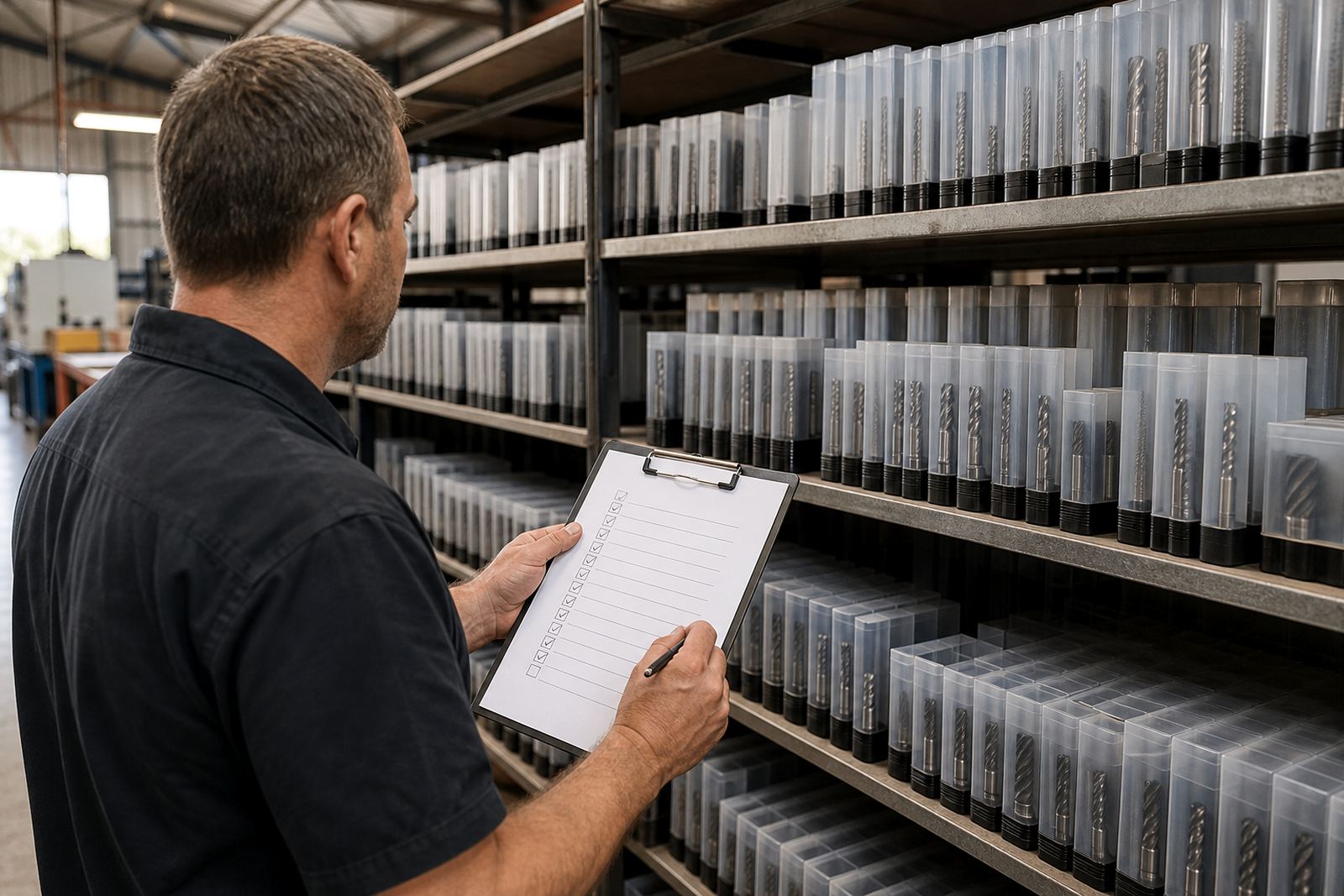
The process also considers stock availability and local conditions. In South Africa, many shops deal with load shedding, interrupted production and coastal humidity that can affect tool storage. A more standardised tool list makes it easier to keep the right cutters on hand and reduces the risk of holding slow moving stock that sits too long. It also supports better planning for emergency orders when a machine goes down and a replacement is needed quickly.
- Review of repeat jobs and cutting conditions
- Consolidation of duplicate tool sizes
- Selection of backup sizes for urgent cover
- Storage and handling advice for humid areas
Typical tool ranges and specs we standardise
Most production standardising projects include a core set of solid carbide end mills and drills. We normally specify tools by diameter, flute count, overall length, cutting length and coating type where suitable. For example, a shop may standardise on 3 mm to 20 mm end mills in common step sizes, with separate choices for roughing, finishing and deep reach work. Drill ranges are usually set around the hole sizes that appear most often in the production mix.
Spec sheets are kept simple enough for floor use. Operators should be able to tell at a glance what the tool is for, which machine it suits and when it should be replaced. Where needed, we also help match tools to the workpiece material so the same range can be used across multiple parts without sacrificing finish or cycle time. That approach saves time and reduces the chance of picking the wrong cutter on a busy shift.
- Solid carbide end mills from small diameter finishing tools to larger stock removal sizes
- Drills matched to common pilot, tapping and clearance hole duties
- Short, medium and extended reach options for different depths
- Separate options for aluminium, general steel and harder materials
The standardising process from first review to sign-off
The first step is usually a short technical review by our team, led by Johan Smit on application support where needed. We ask for part photos, material details, machine type and the current tool list. From there we identify overlaps, overcomplicated ranges and tools that are doing too much work for the job. If a client has several branches or separate production lines, we can standardise each line in a way that still keeps buying and storage simple.
After the review we issue practical recommendations rather than theory. The output often includes preferred sizes, suitable backup options, speed and feed starting points, and notes on which tools should not be mixed between jobs. Once the shop accepts the list, we can help with stock planning so you know what to keep on shelf and what to order on demand. The result is a cleaner tooling system that operators can follow without constant checking.
- Initial job and tool review
- Recommendation of primary and backup tool sets
- Feed, speed and depth of cut guidance
- Final standard list for procurement and use
Turnaround times for standardising projects
Simple standardising reviews can be turned around quickly, often within one to three working days once the key job details are in hand. Larger plants with more than one machine type, or mixed material production, may need a longer review so that the final range works across the full shop. If a client needs urgent help after a tool breakage or process drift, we can prioritise the most time-sensitive jobs first.
Where a plant is running under pressure from missed deadlines or planned maintenance shutdowns, we focus on the jobs that will give the biggest gain fastest. That may mean standardising only the top five recurring parts first, then rolling the rest in later. It is a practical way to get movement without stopping production for a full plant review. Communication is handled through the enquiry form on our contact page so the right technical person can respond with the next steps.
Pricing approach and maintenance intervals
Pricing depends on the size of the job, the number of recurring parts reviewed and whether the work is for one site or several branches. Smaller standardising tasks are usually handled as a quotation based on the time needed to assess the current tooling, while more involved projects may include stock review and ongoing support. We keep pricing practical and tied to the level of technical input required, not to unnecessary extras.
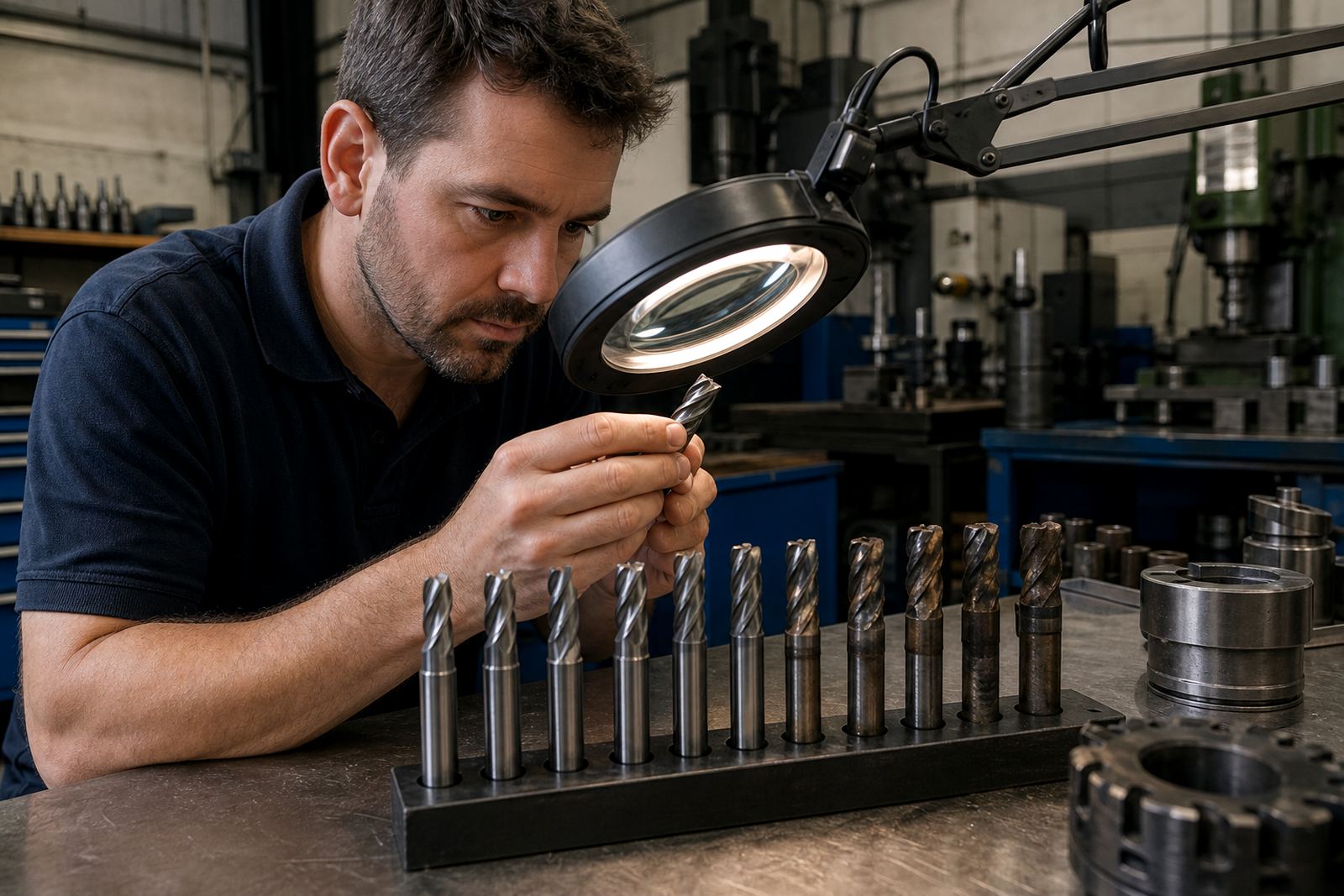
Once a standard has been set, we recommend a maintenance interval so it stays useful. For busy CNC shops, a quarterly review works well. Fast moving plants may need monthly checks on the top running tools, while lighter production can be reviewed every six months. Maintenance usually includes checking wear trends, reviewing rejected parts, replacing tools that have drifted out of spec and adjusting stock levels before a shortage starts. Priya Naidoo and the support team can help keep the follow up organised, especially when multiple users are ordering the same cutters.
- Quarterly review for busy production lines
- Monthly check on critical high wear tools
- Six monthly review for slower moving ranges
- Stock level checks before shutdowns and peak periods
Key facts
| Service type | Production standardising for CNC machining shops |
|---|---|
| Tool focus | Solid carbide end mills and drills |
| Common diameters | From 3 mm to 20 mm and related production sizes |
| Typical turnaround | 1 to 3 working days for simple reviews |
| Pricing method | Quoted to job scope and technical depth |
| Review interval | Monthly, quarterly or six monthly depending on usage |