What a 2 flute mill does on the machine
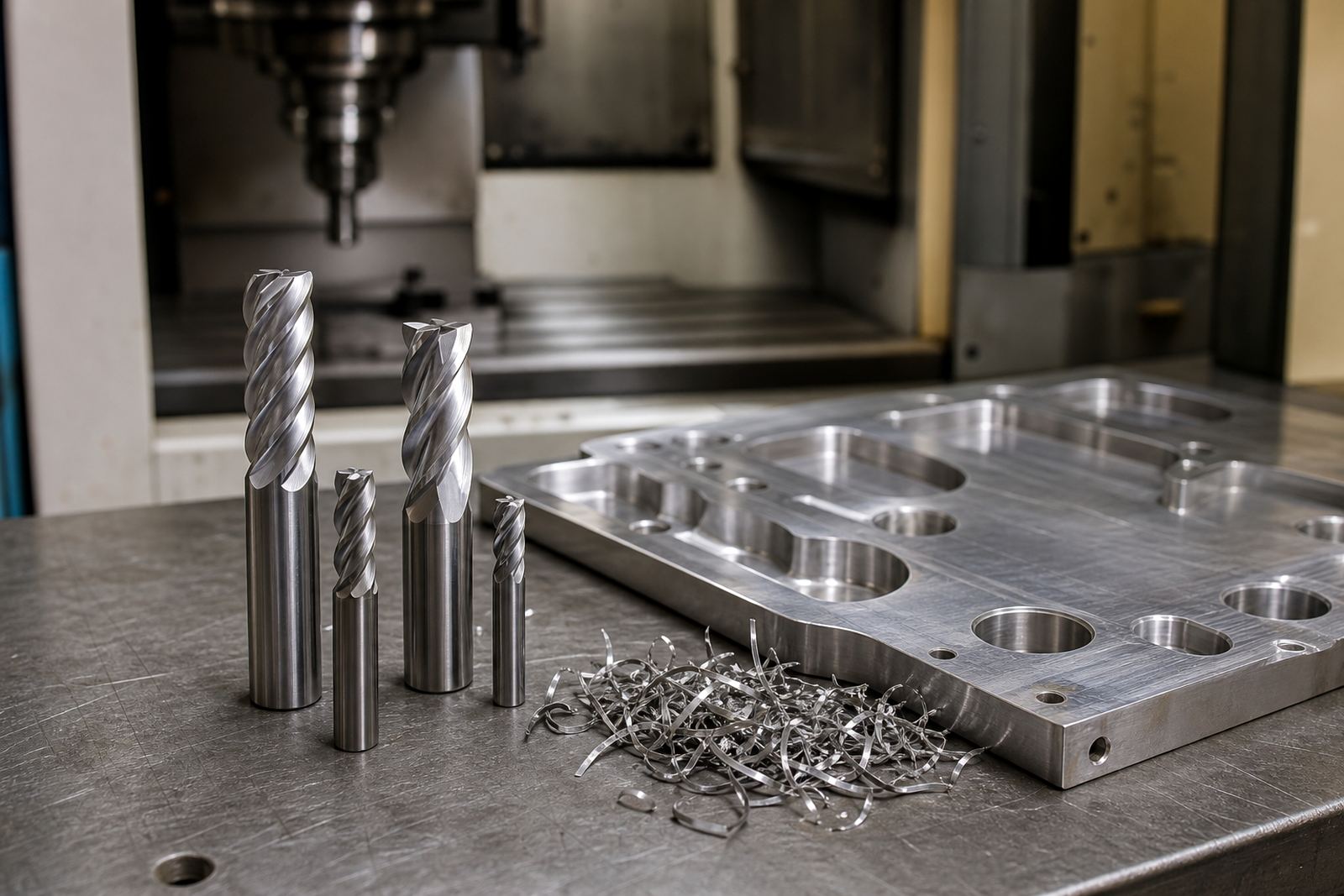
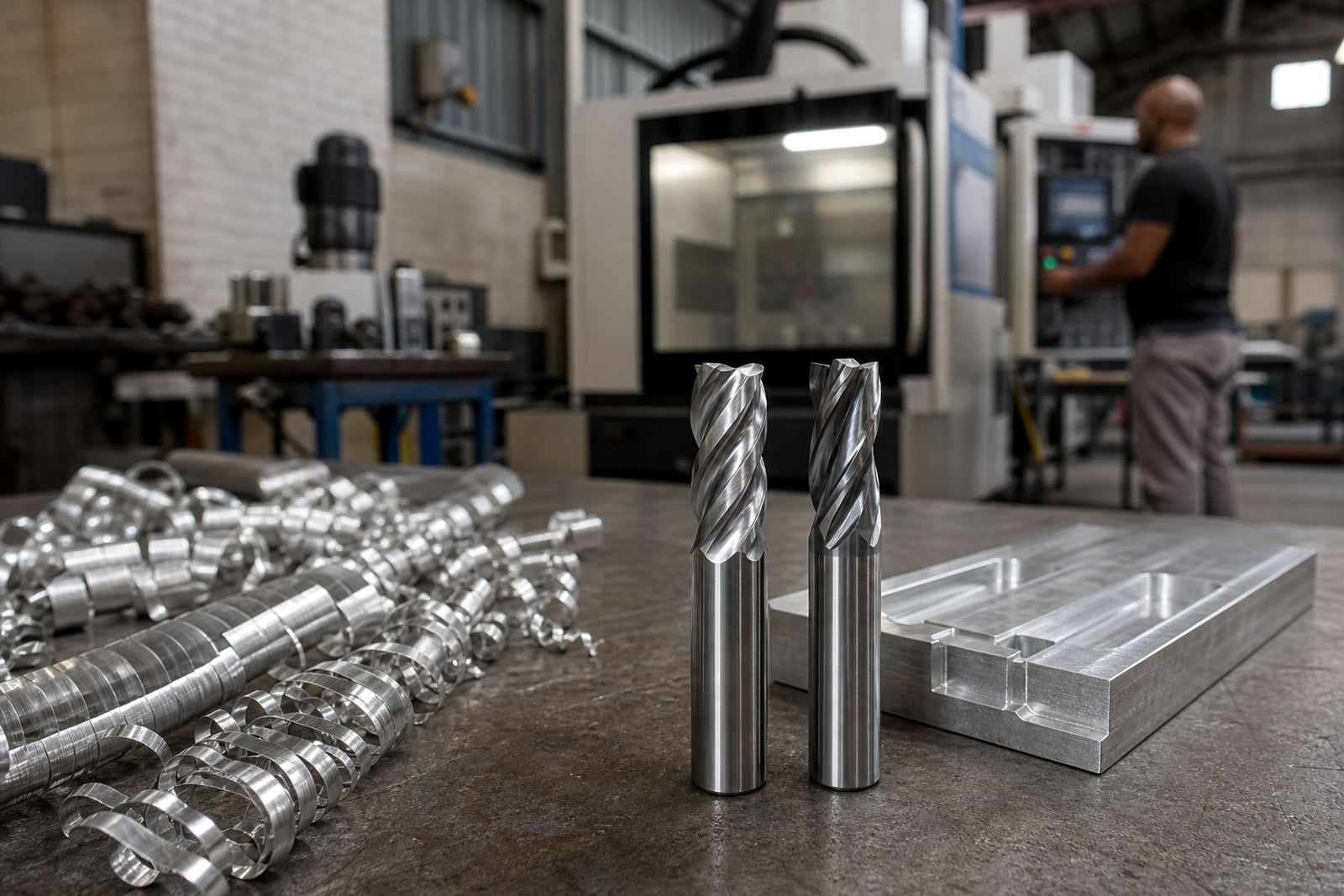
A 2 flute end mill has two cutting edges instead of four or more, which gives the chip room to move out of the cut. That makes it a solid option for slotting, pocketing, edge trimming and general profiling where swarf can build up fast. In softer materials, or when you are cutting deep grooves, the extra chip space helps reduce rubbing and heat. That matters on long runs, especially when the job must keep moving during load-shedding windows or when your spindle time is limited.
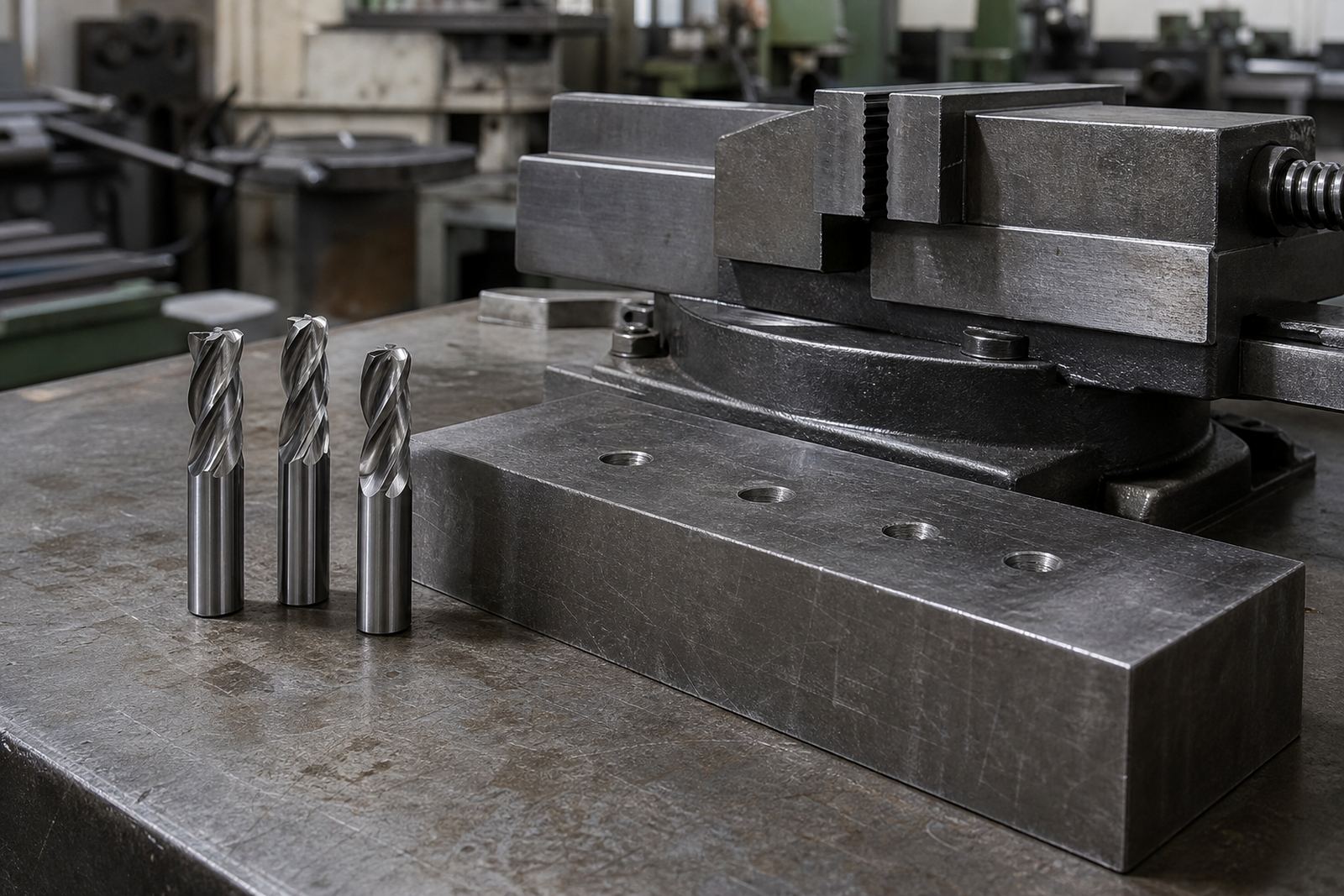
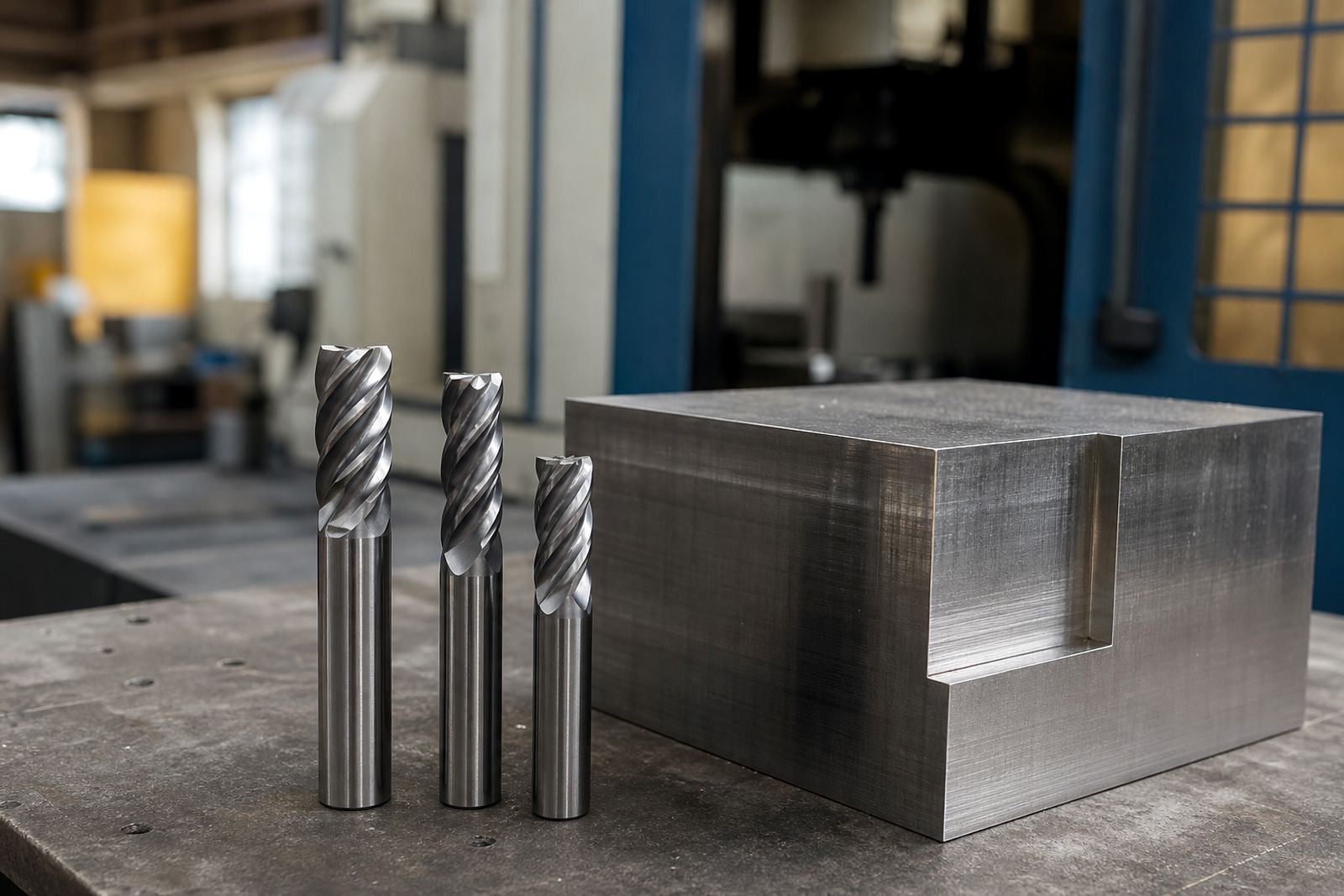
These tools are made from solid carbide for better stiffness and wear resistance. They suit CNC machining centres used in general engineering, component work, maintenance shops and production runs where repeatability is important. A 2 flute cutter is not only about speed, it is also about reliable chip evacuation and less clogging in the flutes.
Available sizes, reaches and cutting styles
We supply a practical range of 2 flute mills for common CNC work across South Africa. Options cover small diameter finishing tools through to larger cutters for heavier slotting. Standard stock normally includes short reach and extended reach lengths, plus square end and corner radius styles depending on the application. Some tools are also available with coating options for improved tool life in demanding work.
- Common diameters from small tool sizes up to larger production sizes
- Cut lengths for shallow profiling or deeper slotting
- Overall lengths to suit standard toolholders and extended reach setups
- Square end and corner radius choices
- Uncoated and coated options for different materials and running conditions
- Metric sizes for local CNC shops and production lines
If you are machining parts with long overhangs, thin walls or awkward clamping, the correct reach matters as much as the diameter. Too much stick-out can cause chatter and poor finish, so it is worth matching the tool length to the part, not just the drawing.
Materials and jobs where 2 flute cutters fit best
Two flute mills work well on aluminium, plastics, brass, copper and other softer non-ferrous materials. They are also used on some stainless and mild steel jobs when chip clearance is the priority and the cut conditions are set properly. In jobbing shops around Germiston, Boksburg and Alberton, they are often chosen for slotting, sign parts, fixture plates, soft mould work and general prototype machining.
For aluminium especially, the open flute geometry helps throw chips clear before they weld back into the cut. On plastics, it helps avoid melting and re-cutting. On brass and copper, the tool can leave a cleaner finish with less drag. If the application is dry machining or air blast only, the two flute geometry can be a good fit because it clears chips without relying only on coolant pressure.
- Best for slotting, profiling and pocketing in softer materials
- Useful where chip evacuation is difficult
- Suitable for production, repair work and sample runs
- Helpful on machines with limited coolant flow or air blast only
Machine setup, power needs and day to day use
These end mills do not need any special installation work. Fit the correct collet or holder, set the stick-out as short as practical and check runout before starting the job. A clean holder and proper clamping make a bigger difference than many operators think. For a 6 mm cutter, for example, poor runout can spoil finish and shorten tool life very quickly.
No gas supply is needed. Power requirements depend on the CNC machine and spindle, not the cutter itself, but the operator should match spindle speed, feed rate and depth of cut to the material and tool diameter. In many Gauteng workshops, a lighter pass with steady chip load gives better results than pushing too hard and risking chatter. If the machine is under strain due to unstable power, a sensible cutting plan can help protect both the part and the tool.
On long shifts, especially where production must work around municipal supply interruptions, it helps to keep a small, organised stock of the most used diameters. That reduces downtime when a tool is damaged or worn mid job.
Care, wear signs and when to replace the tool
Solid carbide tools last longer when they are kept clean and used within the correct cutting range. After use, remove chips and residue from the flutes, then store the tool in a tray or holder so the cutting edges do not knock against each other. In humid coastal areas such as Durban and Gqeberha, wipe tools down before storage to reduce surface staining and protect the edge condition.
Check for edge wear, chipped corners, built-up material on the flutes and a change in sound during cutting. If the finish starts to dull or the machine needs more effort to hold the same cut, the tool may already be losing its edge. A worn cutter can still machine a part, but it often does so with more heat, more vibration and poorer dimensional control.
- Clean flutes after every shift
- Store tools dry and separated
- Watch for chipped edges and rubbing marks
- Replace tools before finish quality drops too far
What to check when ordering 2 flute end mills
When ordering, give the diameter, flute length, overall length, shank size and whether you need a square end or corner radius. It also helps to note the material being machined, the machine type, the holder system and whether the cut is a slot, pocket, roughing pass or finishing pass. For tighter jobs, include the tolerance, surface finish target and any known issues such as chatter or chip packing.
If you are planning stock for repeated work, ask for a mix that reflects your actual production rather than a single size only. Many shops in Pretoria, Johannesburg and Cape Town keep their most common tools on hand for urgent jobs and batch work. We can assist with tool selection, application support, speed and feed advice, tool life optimisation, process troubleshooting, material matching, stock planning, urgent tool supply, sample tool trials, production standardising, technical quotations and on site consultation.
Our team in Wadeville includes Marius van der Merwe, Lerato Mokoena, Johan Smit, Anele Dlamini, Priya Naidoo, Thabo Molefe and Zanele Khumalo, each focused on keeping the right tool moving to the right shop. Use the enquiry form on our contact page and we will help match the cutter to the job, no fuss and no guesswork.
Key facts
| Tool type | Solid carbide 2 flute end mill |
|---|---|
| Cutting edges | 2 flutes for strong chip clearance |
| Common materials | Aluminium, plastics, brass, copper, mild steel and selected stainless work |
| End styles | Square end and corner radius options |
| Size range | Metric diameters and matching cut lengths, subject to stock |
| Use case | Slotting, pocketing, profiling and general CNC machining |