What stub drills do on a CNC machine
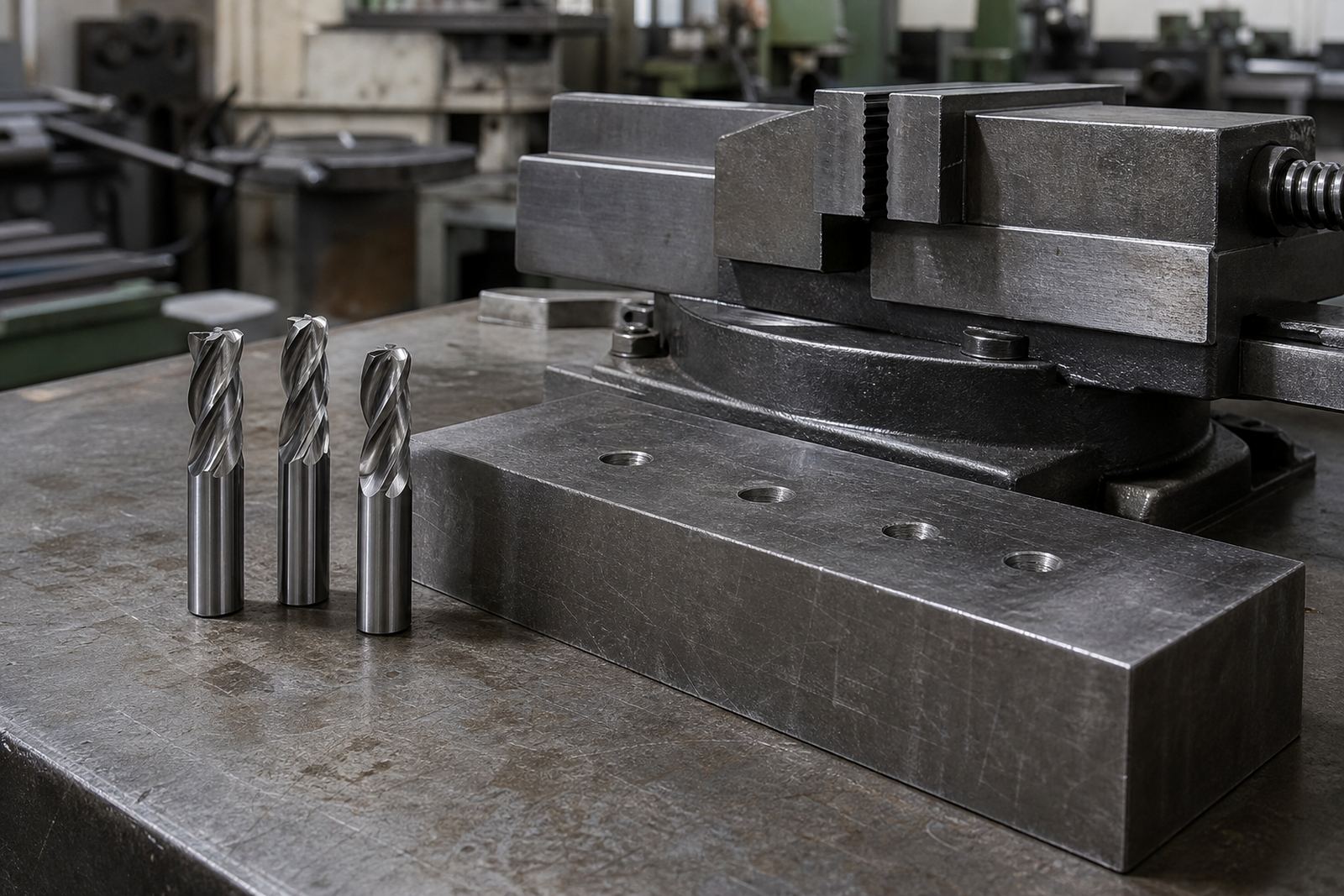
Stub drills are short, solid carbide drills with a reduced flute length and a stiff body. That shorter geometry helps the tool hold centre better, especially when the machine, workholding and material are all set up for tighter drilling tolerances.
They are commonly used where a long drill would flex, chatter or pick up on the top surface. In production shops around Germiston, Johannesburg and Pretoria, they are often chosen for repeat drilling in steel, stainless steel, cast iron and aluminium where a clean start and accurate hole position matter.
Because the cutting length is short, a stub drill usually gives better control in shallow holes and compact parts. It is not the right choice for deep drilling, but for short holes it can improve finish, reduce wander and help keep cycle times predictable.
Sizes, flute lengths and coating options
Stub drills are available in common metric diameters from small pilot sizes through to larger production sizes, depending on the machine and material. We supply the type of drills typically used in CNC machining centres rather than hand drill work, so the focus is on accuracy, concentricity and consistent cutting edges.
- Metric diameters from fine pilot sizes up to heavier production diameters
- Short flute lengths for rigid setups and shallow to medium-depth holes
- Two flute carbide construction for stable chip flow
- Centre cutting geometry on selected sizes for better starting behaviour
- Polished or coated finishes for different materials and heat control
For dry machining and aluminium work, a polished cutting edge can help with chip evacuation. For tougher steels and more heat, coated options are often preferred. The correct choice depends on the material, spindle speed and coolant setup. A quick spec check before ordering saves time later, specially when a line change is planned.
Where stub drills work best
These drills suit machining centres doing repetitive work where the part is clamped properly and the machine has enough rigidity. They are useful in subcontract shops, component manufacturing, tooling rooms and maintenance departments that need accurate hole starts without overextending the tool.
- Shallow holes in steel brackets, plates and machined blocks
- Production runs where consistent hole location is important
- Parts with limited clearance around the hole entry
- Jobs where a longer drill is likely to deflect
- Operations that need a cleaner start before tapping, reaming or threading
They are also practical on smaller CNC machines where spindle load and tool overhang must be controlled. In coastal areas such as Durban and Gqeberha, keeping the tool in good condition matters even more because storage humidity can affect tool condition and packaging if stock is left open too long.
Machine setup, coolant and power needs
Stub drills do not need gas. They run on the CNC machine spindle with standard toolholding and, where applicable, coolant supply or air blast. The main requirement is a rigid setup with minimal runout, because a carbide drill will only perform properly when the holder, collet or chuck is in good order.
Use the speeds and feeds recommended for the specific diameter and material. Carbide likes stable rpm, clean chip clearing and steady feed. If the machine is underpowered or the work is not clamped correctly, the drill can chip early at the corners. On jobs running through load-shedding recovery or with variable plant power, it is worth checking that the machine restart routine does not alter offsets or tool records.
Keep coolant pressure and flow consistent enough to clear chips. For aluminium and softer materials, chip packing can still become an issue in short holes if pecking is too timid. For harder materials, use sensible feed and avoid dwell at the bottom of the hole.
Care, storage and tool life
Carbide drills last longer when they are handled like precision tools and not mixed loose in a box. Return each drill to its holder or sleeve after use, and keep the cutting edges protected from knocks. Even a small chip on the edge can affect hole size or surface finish.
Inspect drills for wear after each run, especially when the job includes interrupted cutting, scale, cast skin or abrasive material. If the corners start to round over or the hole quality changes, do not keep pushing the tool. Replace it before it starts affecting the job output.
- Store dry and off the machine when not in use
- Keep edges protected from handling damage
- Check for runout before long production runs
- Monitor chip shape and hole finish for early wear signs
- Clean holders and collets before fitting a new drill
In busy shops, tool life planning is often more important than buying the cheapest drill. A correctly selected stub drill can reduce rework, scrap and unnecessary tool changes.
What to confirm before placing an order
When ordering stub drills, check the hole diameter, hole depth and material first. Then confirm whether the machine needs centre cutting, a specific coating, or a geometry suited to aluminium, mild steel, stainless steel or cast iron.
You should also confirm the shank size, overall length and flute length, because a short drill that is perfect for one job may be too short or too long for another fixture. If the hole needs to feed into a tap or reamer, the pre-hole size and tolerance matter as much as the drill diameter itself.
- Hole diameter and required tolerance
- Material type and hardness
- Hole depth versus flute length
- Coolant or air blast setup
- Machine spindle speed range and holder type
- Quantity needed for production, trial or urgent replacement
CuTools Carbide supports shops across Germiston, Boksburg, Alberton, Centurion, Johannesburg, Pretoria, Cape Town and Durban with product selection, technical quotations and urgent tool supply. If you are unsure which stub drill to choose, send the job details through the enquiry form and we can match the tool to the process.
Key facts
| Tool type | Solid carbide stub drill |
|---|---|
| Use | Short holes, accurate starts and reduced wander |
| Typical diameters | Metric sizes for CNC production work |
| Flute length | Short flute for rigid setups |
| Best materials | Steel, stainless steel, cast iron and aluminium |
| Machine requirement | Rigid CNC machining centre with suitable holder and coolant |
| Origin | Supplied from Wadeville, Germiston to shops across South Africa |