
What steel end mills are used for on CNC machines
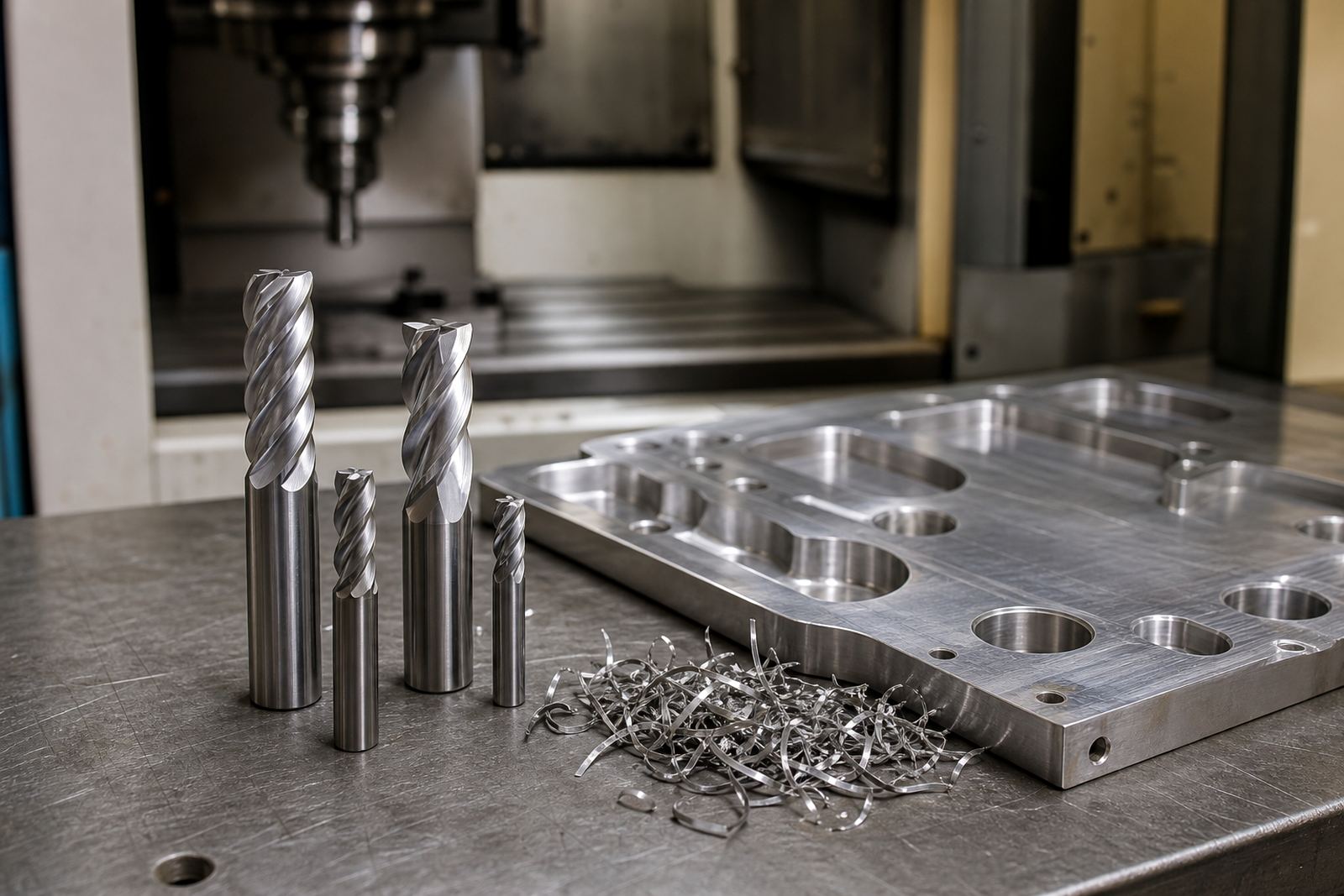
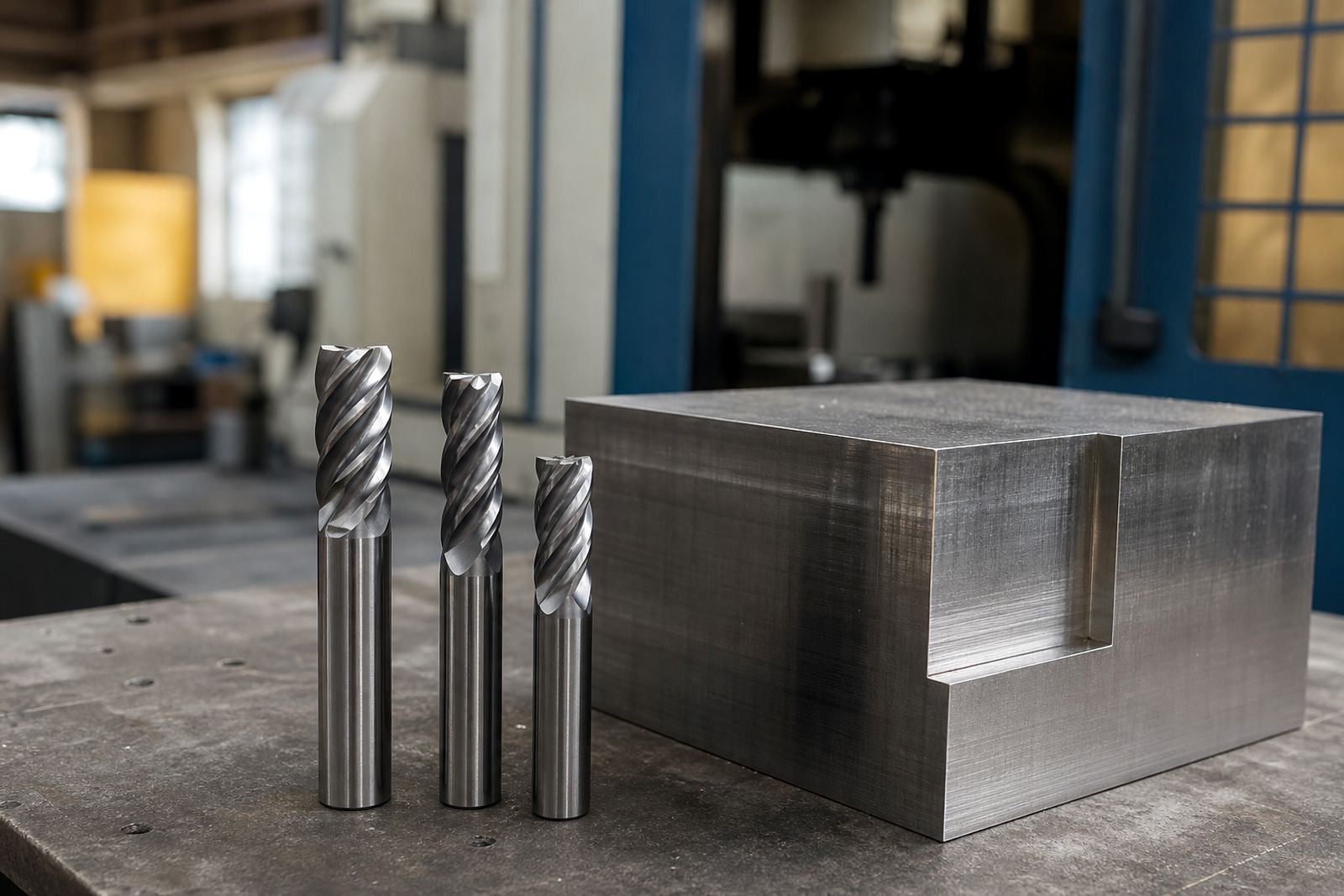
Steel end mills are multi flute cutting tools designed to remove material from steel efficiently while holding size and finish. In a busy job shop they are used for slotting, profiling, pocketing, face milling and finishing passes on components for general engineering, fabrication and production runs.
Because they are made from solid carbide, these cutters hold edge integrity better than HSS in higher speed work and on tougher steel grades. They are a practical choice when a machine is running long shifts, or when load shedding has interrupted production and you need to get back to cutting with minimal downtime.
Sizes, flute counts and coating options available
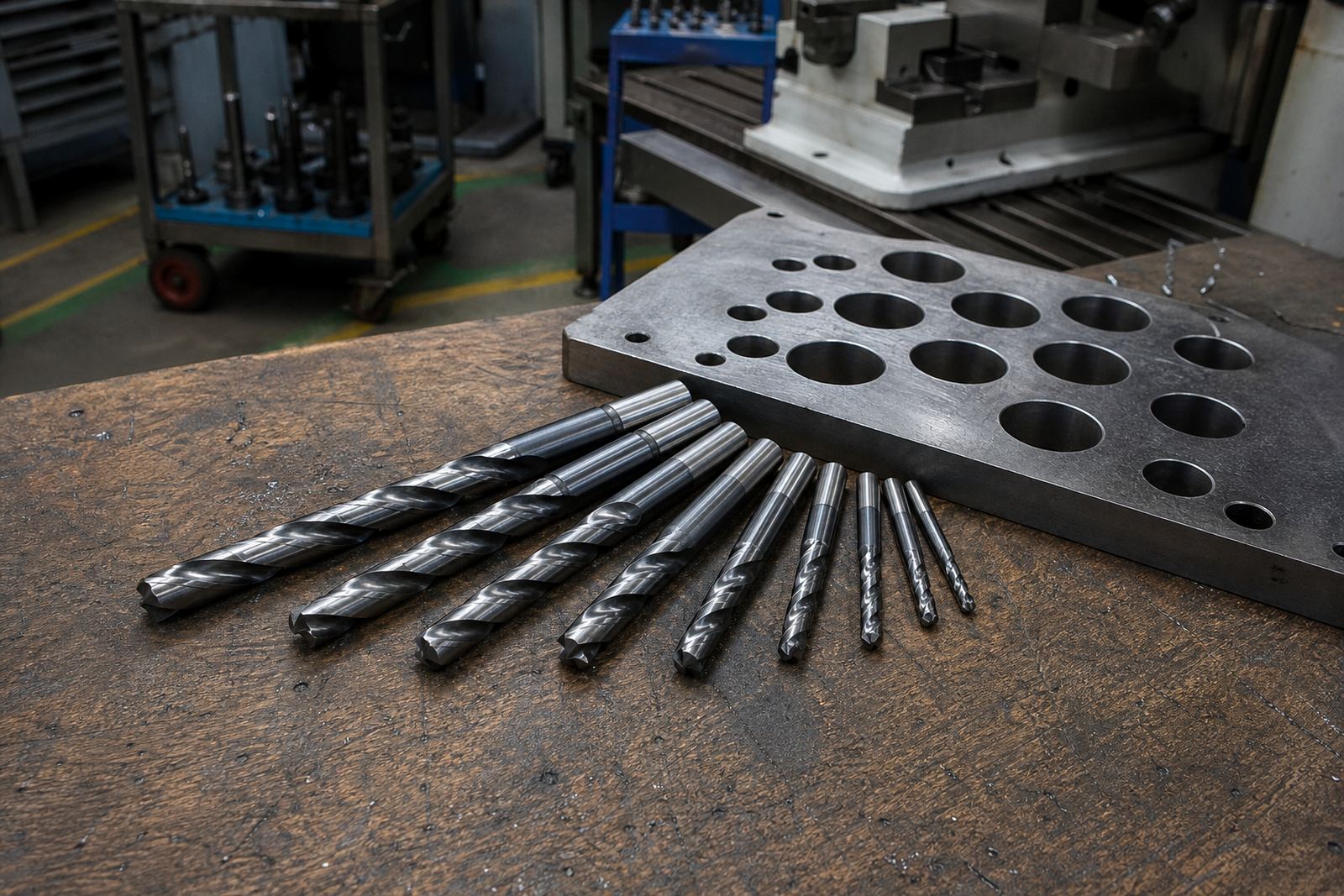
The range includes common diameters for workshop and production work, from small cutters for detail work through to larger tools for heavier roughing. End mills are available in square end, corner radius and long reach styles, with shank sizes matched to standard collets and tool holders.
- Diameters from 1 mm up to 20 mm, depending on stock availability
- 2 flute options for slotting and chip clearance
- 3 flute and 4 flute options for general milling and finishing
- Long series options for deeper pockets and awkward reaches
- Coated and uncoated styles, depending on steel grade and coolant use
For mild steel and common alloy steels, many users prefer coated tools where heat and wear are higher. Where chip evacuation is critical, a lower flute count can keep cutting more consistent and reduce rubbing.
Where these cutters suit best in local production
These tools suit CNC machining shops in Germiston, Johannesburg, Pretoria, Boksburg, Alberton, Centurion, Cape Town, Durban and Gqeberha that work on steel parts every day. Typical applications include brackets, plates, housings, jigs, fixtures, machine parts and repair work for maintenance departments.
They are well suited to mild steel, pre hardened steels and many alloy steel jobs where finish, tool life and repeatability matter. In coastal areas like Cape Town and Durban, correct storage matters because humidity can affect holders, tool life and rust formation on exposed tool shanks if boxes are left open.
If your shop runs mixed batches, the right end mill choice can cut cycle time and improve consistency between operators, which helps when parts must meet municipal or customer inspection standards and the job has tight turnaround times.
Machine setup, coolant and power needs
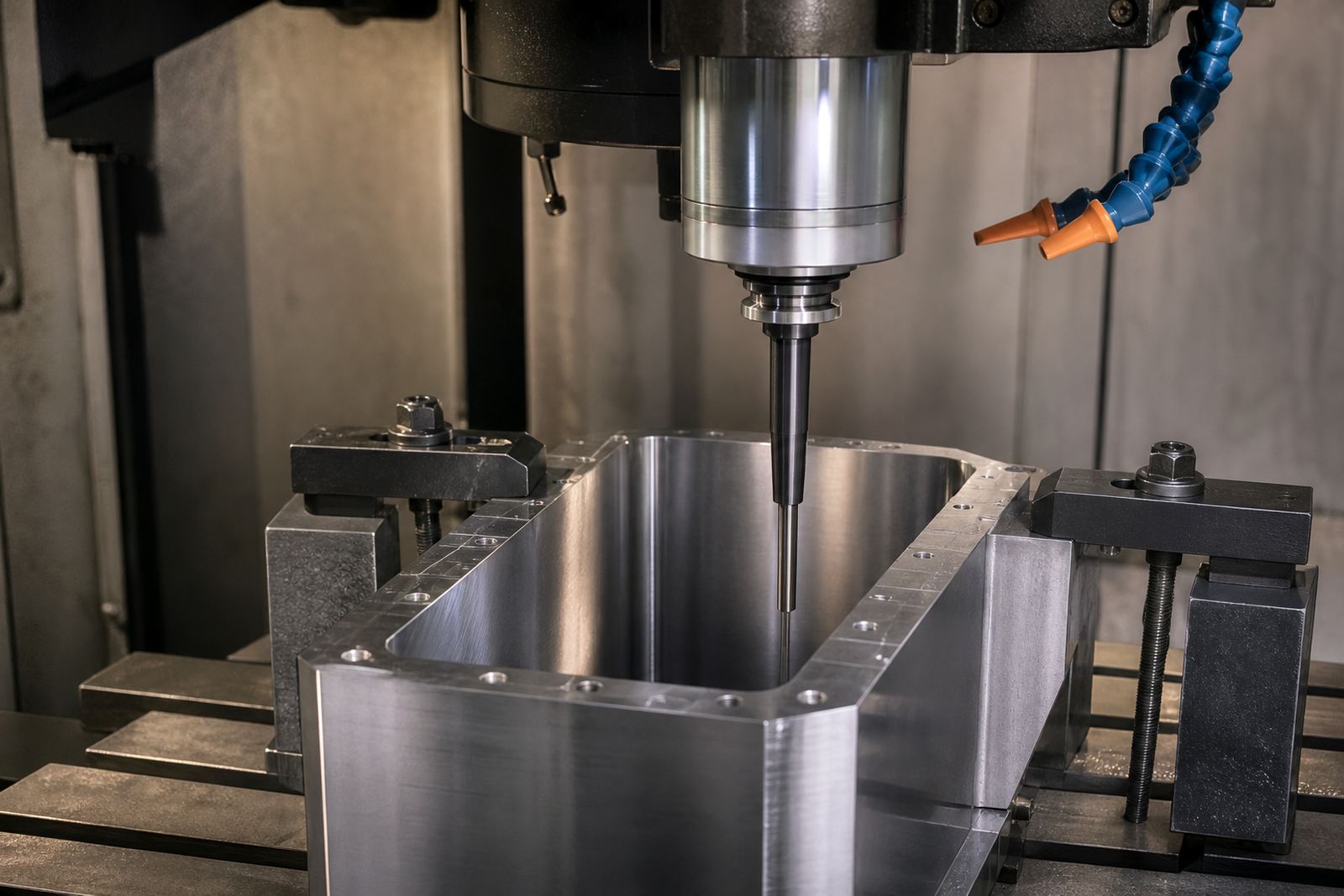
Steel end mills work on standard CNC machining centres with suitable spindle speed, rigid workholding and accurate tool length setting. No gas supply is required. What matters is stable power, correct coolant delivery and enough machine rigidity for the cutter length and material being machined.
- Use the shortest practical tool overhang to reduce chatter
- Match spindle speed and feed to diameter, flute count and steel grade
- Use flood coolant or mist where the machine and job allow it
- Keep holders clean and free of swarf before setting tools
- Check runout and collet wear before starting a production batch
For deeper pockets or interrupted cuts, a stepdown strategy often gives better life than forcing one heavy pass. If your machine is running through power interruptions or generator changeover, restart with a short inspection of the tool edge and setup before continuing.
Care, servicing and tool life in daily use
Solid carbide cutters last longer when they are used within the correct speed and feed range, kept clean and stored properly. After use, remove chips, wipe off coolant residue and place the tool back in its sleeve or tray so the cutting edges do not knock against each other.
Signs that a tool needs attention include edge chipping, polished flanks, burning on the cut and rising spindle load. If one cutter starts leaving a rough finish, it may be time to check chip load, coolant delivery, workholding and material consistency before assuming the tool is at fault. A small setup issue can shorten life very quickly.
In humid or coastal environments, light oil on exposed shanks and dry storage help prevent surface corrosion. That extra care is worth it for shops that want predictable results over long production runs, not just on the first job of the month.
What to check before ordering steel end mills
Ordering the right cutter starts with the job itself. Mild steel, low alloy steel and harder pre hardened material all respond differently, so the diameter, flute count, coating and reach should suit the part and the machine, not just the drawing.
- Material grade and hardness of the steel being machined
- Required finish, tolerance and whether the pass is roughing or finishing
- Slot width, pocket depth and the smallest internal corner radius
- Tool holder type and available shank size
- Whether coolant is flood, mist or dry
- Expected batch size and whether the tool must last through one run or many
For larger production schedules, stock planning helps avoid stoppages when a preferred size runs out. Clients can use the enquiry form on the contact page for quotations, sample trials, urgent supply or advice on matching tools to the material and machine.
Key facts
| Product type | Solid carbide steel end mills for CNC milling |
|---|---|
| Common diameters | 1 mm to 20 mm, subject to stock |
| Flute options | 2 flute, 3 flute and 4 flute |
| Tool styles | Square end, corner radius and long reach |
| Materials suited | Mild steel, alloy steel and pre hardened steels |
| Supply area | Germiston base with supply across South Africa |