
Why 3 flute mills are chosen for mixed production work
Three-flute solid carbide end mills sit in the middle ground between fast roughing and fine finishing. You get more room for chips than a 4 flute cutter, but more cutting edges than a 2 flute tool, which makes them a practical option for general CNC work on steel, stainless steel, aluminium and many engineering plastics. For South African shops that need one cutter to handle varied jobs, that balance can save time on tool changes and keep the spindle busy.
These cutters are commonly used on horizontal and vertical machining centres, especially where chip evacuation matters. In many cases they give a cleaner cut than a roughing tool while still holding a decent feed rate. On smaller machines or older centres where power is limited, a 3 flute can also help keep cutting loads steady instead of forcing the machine into a heavy chip load it cannot carry comfortably.
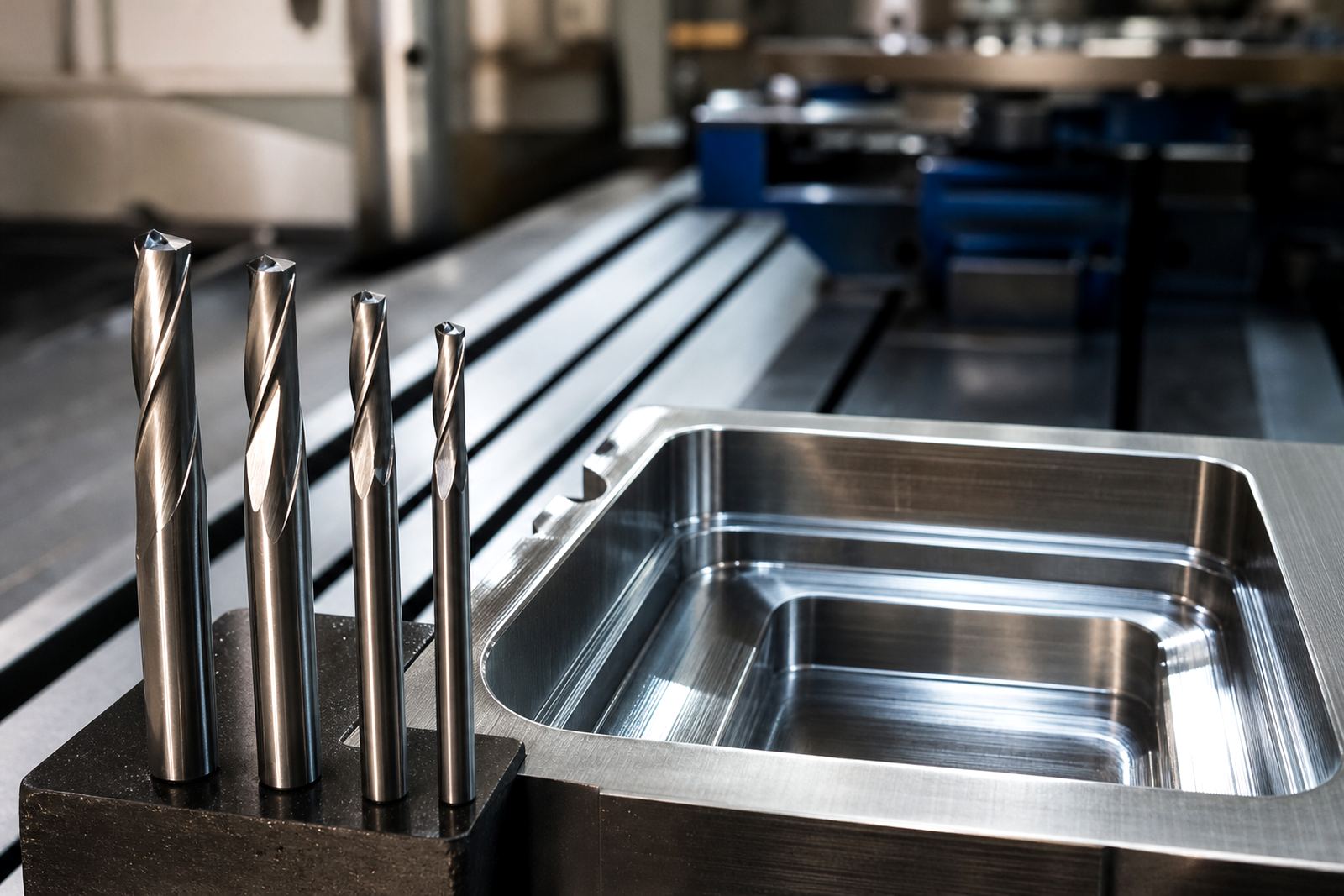
Typical use cases include slotting, side milling, profiling, pocketing and light ramping. They are especially useful where there is room to remove material but you still want a reliable finish on the wall or floor of the component. For batch production, a good 3 flute setup often cuts down on chatter and helps keep tolerance drift under control.
Sizes, reach options and common tool geometry
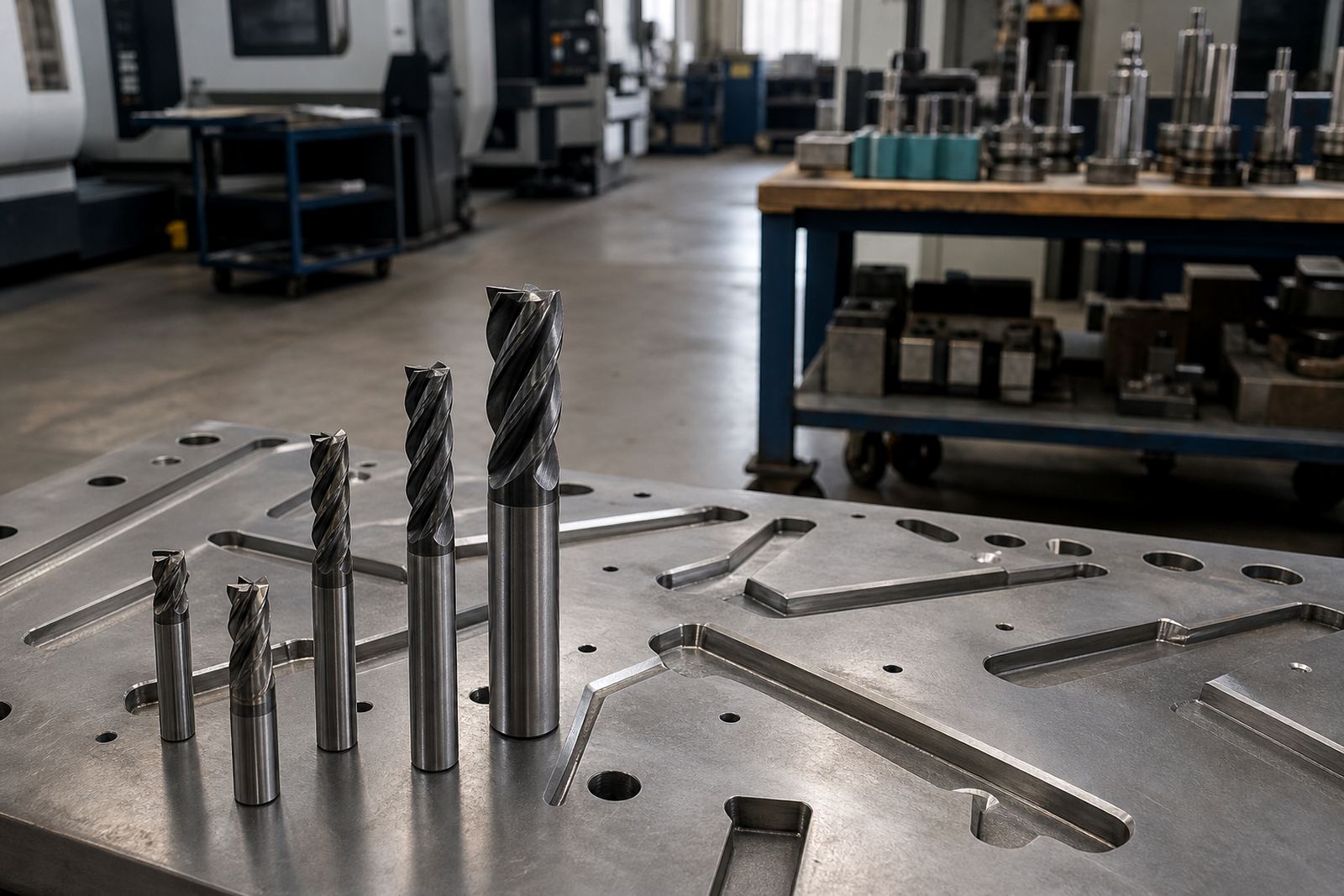
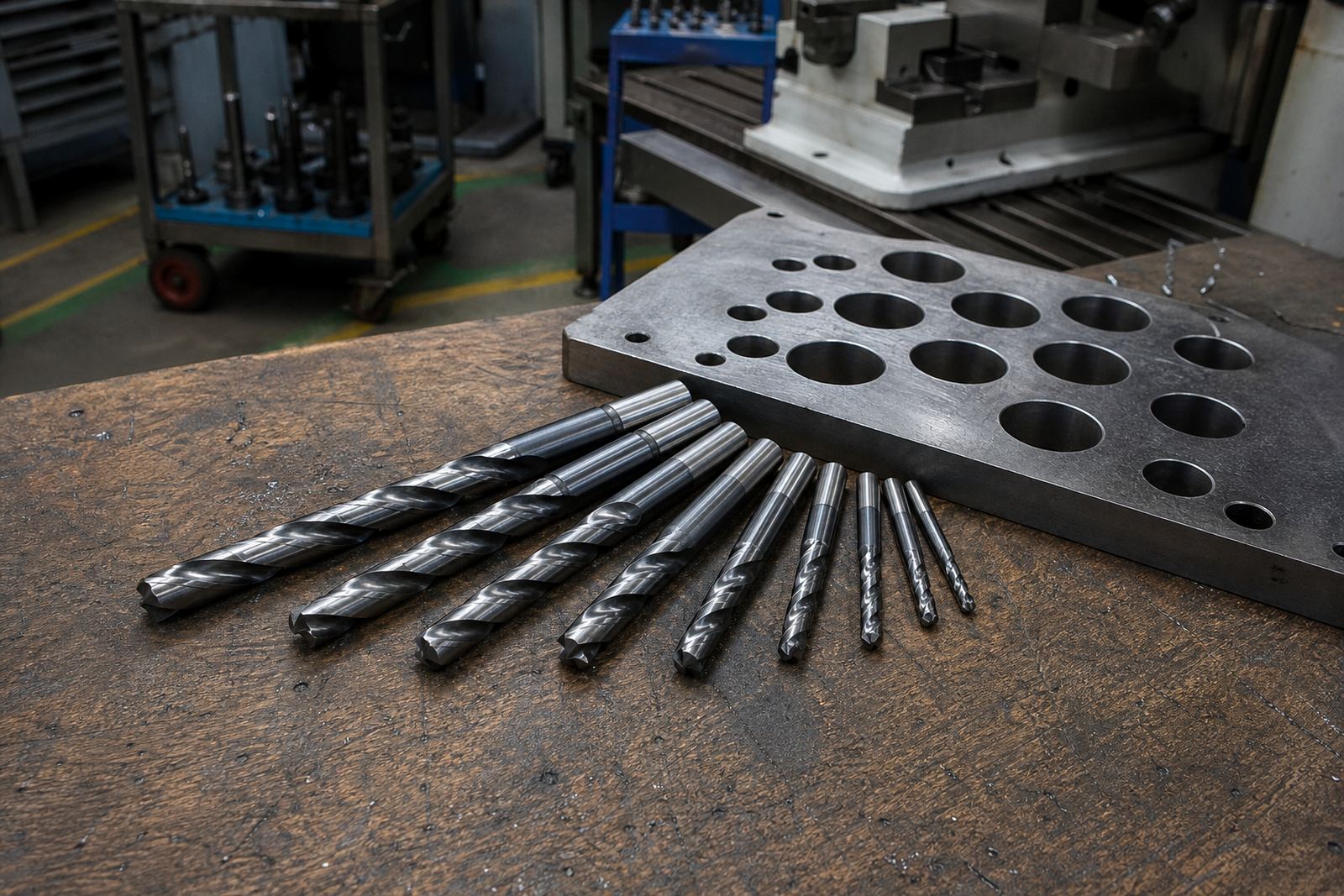
CuTools Carbide supplies 3 flute mills in a range of diameters and lengths to suit everyday machining as well as deeper cavity work. Stocked options commonly include small-diameter cutters for fine detail and larger tools for higher metal removal rates. Availability may vary by profile, but the usual shop requirements are covered across standard and extended reach lines.
- Diameter ranges commonly used in CNC shops from 3 mm up to 20 mm
- Short, medium and extended reach lengths for different pocket depths
- Square end and corner radius options for general and edge-strength work
- Uncoated and coated versions depending on material and heat build-up
- Metric shank sizes to suit standard tool holders and collet systems
For cutters running in aluminium or other gummy materials, flute polish and chip clearance are important. For harder steels, tool rigidity and wear resistance take priority. In practical terms that means choosing the right flute length, shank diameter and overall tool length instead of simply taking the shortest part number off the shelf. A 3 flute that is too long for the job will chatter, and one that is too short may not reach the cut at all.
We also help shops match cutter geometry to the machine condition. A newer machining centre with good spindle bearings and stable clamping can usually run a more aggressive setup. Older machines, or machines running in warm bays with limited cooling, may need a calmer approach to hold size and finish consistently.
Where 3 flute cutters work best on South African jobs
Three-flute mills are well suited to a wide range of machining work in job shops, maintenance departments and production environments. They are often a strong choice for general engineering parts, brackets, mould work, fixture plates and medium-volume repeat work. Where material removal and surface quality both matter, a 3 flute tool can be a very practical choice.
In Gauteng, many shops use these cutters for mild steel components, stainless fixtures and aluminium housings. In coastal areas like Cape Town, Durban and Gqeberha, the same tools are often chosen for parts that need decent chip control in humid conditions and where corrosion management is part of normal workshop practice. The tool itself is not affected by the humidity alone, but the storage and handling around it matter more than people sometimes think.
- Best for slotting, profiling, ramping and light pocketing
- Suitable for aluminium, mild steel, stainless steel and some cast materials
- Useful where chip evacuation is a concern in deeper pockets
- Good for general CNC work when one cutter must handle several operations
- Often selected for parts that need a better finish than a roughing cutter can give
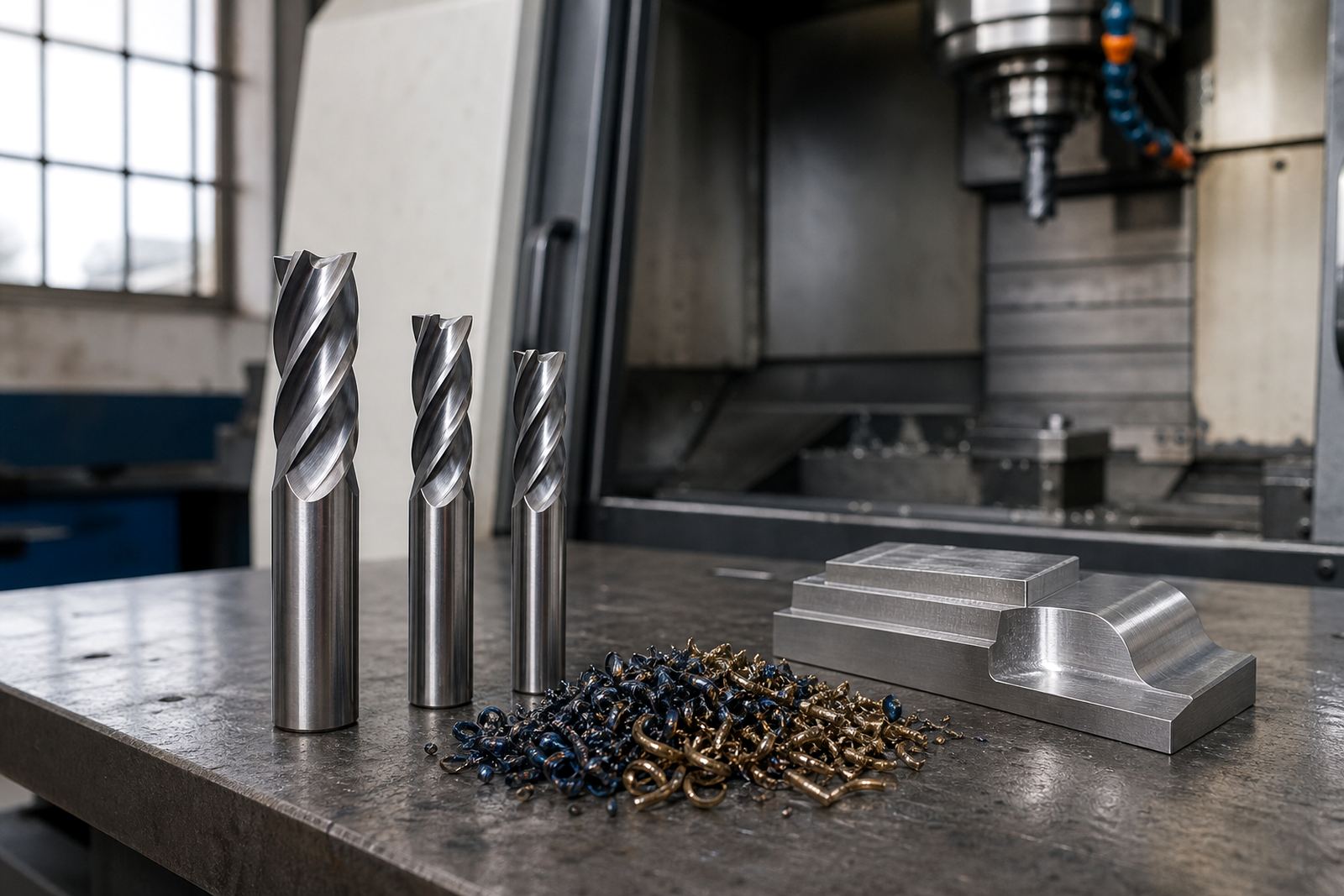
On some jobs, a 3 flute will outperform a 4 flute simply because the flutes clear chips faster and reduce heat build-up. That matters in South Africa where summer temperatures in workshop bays can rise quickly, especially if the machine runs long shifts and the coolant tank is already warm.
Installation, machine setup and power requirements
These end mills are used on CNC machining centres with proper tool holding, balanced spindle condition and suitable coolant delivery. No special gas supply is needed. The important requirements are a stable machine, the correct holder, and enough power and spindle speed to keep the cut clean. If the machine is underpowered or the tool is clamped badly, even a premium cutter will struggle.
Before starting the job, check that the holder is clean, the shank is fully seated, and runout is kept as low as possible. In many workshops, poor tool holding is the real reason a cutter fails early. A 3 flute can take respectable feed, but only if the machine can support the load and the programmer has set a sensible step-over, step-down and chip load.
Coolant is usually advisable for steel and stainless work, while air blast or minimum quantity methods may suit some aluminium jobs. During load-shedding recovery, it is worth checking that the machine is back at the same warm-up state before restarting a long production run. Small changes in spindle temperature can shift finish and size, especially on tighter tolerance work.
- Use with standard CNC machining centres and suitable tool holders
- No gas connection required
- Confirm spindle speed, feed rate and coolant setup before cutting
- Keep runout low for longer tool life and cleaner walls
- Allow for proper warm-up after machine downtime or load-shedding interruptions
Care, tool life and when to replace the cutter
A solid carbide 3 flute mill should be handled as a precision cutting tool, not a consumable to be pushed until it breaks. Store cutters in a dry, ordered rack, away from knocks and dust. On Gauteng floors where grinding dust and coolant mist collect quickly, a clean storage habit can add real life to the tool. At the end of a shift, wipe tools down and check the cutting edges for chips, built-up material or edge rounding.
Replace the cutter when you see declining finish, increased spindle load, extra burrs or chatter that was not there before. Sometimes a tool can still cut but no longer cut well, and that is where hidden cost starts. A worn cutter may also force longer cycle times and more scrap, which costs more than a fresh tool.
Our team assists with tool life optimisation and production standardising so shops can compare one job against the next instead of guessing. If a tool is lasting too short a time, the cause may be feed rate, coolant direction, chip evacuation, clamping pressure or material inconsistency. We help identify the real issue rather than just swapping the cutter and hoping for the best.
For shops near coastal areas, extra care with storage is worth it. Even carbide tooling can suffer from poor handling if holders corrode, chips pack into the collet, or tools are left in damp trays. A simple cleaning routine makes a noticeable difference.
What to check when ordering 3 flute mills
When you order 3 flute mills, the right information helps us match the tool to the actual job rather than the drawing alone. Two components with the same size can behave very differently if one is deep, thin-walled or made from a tougher grade of material. The more detail you provide, the better the recommendation and the smoother the trial run.
- Material type and grade, including whether it is mild steel, stainless, aluminium or cast material
- Cut diameter, flute length, overall length and shank size needed
- Whether the job is slotting, profiling, pocketing or finishing
- Machine make-up, spindle speed range and holder type
- Coolant method, chip extraction and whether the part runs dry or wet
- Target finish, tolerance and expected batch size
Our Germiston base supports CNC machining shops across Johannesburg, Pretoria, Boksburg, Alberton, Centurion, Cape Town and Durban, with technical quotations, sample tool trials and urgent tool supply where production cannot wait. If you are matching a new tool to an existing process, we can help compare options and keep stock planning sensible so you do not run short halfway through a batch.
The best results usually come from a clear starting point: the material, the machine and the finish you need. From there we can recommend a 3 flute option that fits the work, and not just the catalogue description.
Key facts
| Type | Solid carbide 3 flute end mill |
|---|---|
| Applications | Slotting, profiling, pocketing and light ramping |
| Diameter range | Commonly 3 mm to 20 mm |
| Length options | Short, medium and extended reach |
| Material suitability | Aluminium, mild steel, stainless steel and selected cast materials |
| Supply region | South Africa wide, including Gauteng, Cape Town, Durban and Gqeberha |