What a dovetail cutter is used for on CNC work
A dovetail cutter is a specialised solid carbide tool used to machine undercut profiles, angled slots and mating features that lock together. It is common in fixture plates, sliding components, die and mould details, and parts where a straight cutter cannot reach the final profile. For shops running CNC machining centres in South Africa, the main value is accuracy: once the angle and neck geometry are correct, the tool can produce repeatable interlocking cuts with less hand finishing.
These cutters are normally used on rigid machines with good spindle condition and a stable clamp-up. They are not general purpose cutters, and they work best when the toolpath respects the angle and engagement limits. On smaller workshops in Gauteng or coastal shops in Cape Town and Durban, a correct setup matters even more because chatter, moisture and inconsistent workholding can shorten tool life quicky.
Available sizes, angles and cutting forms
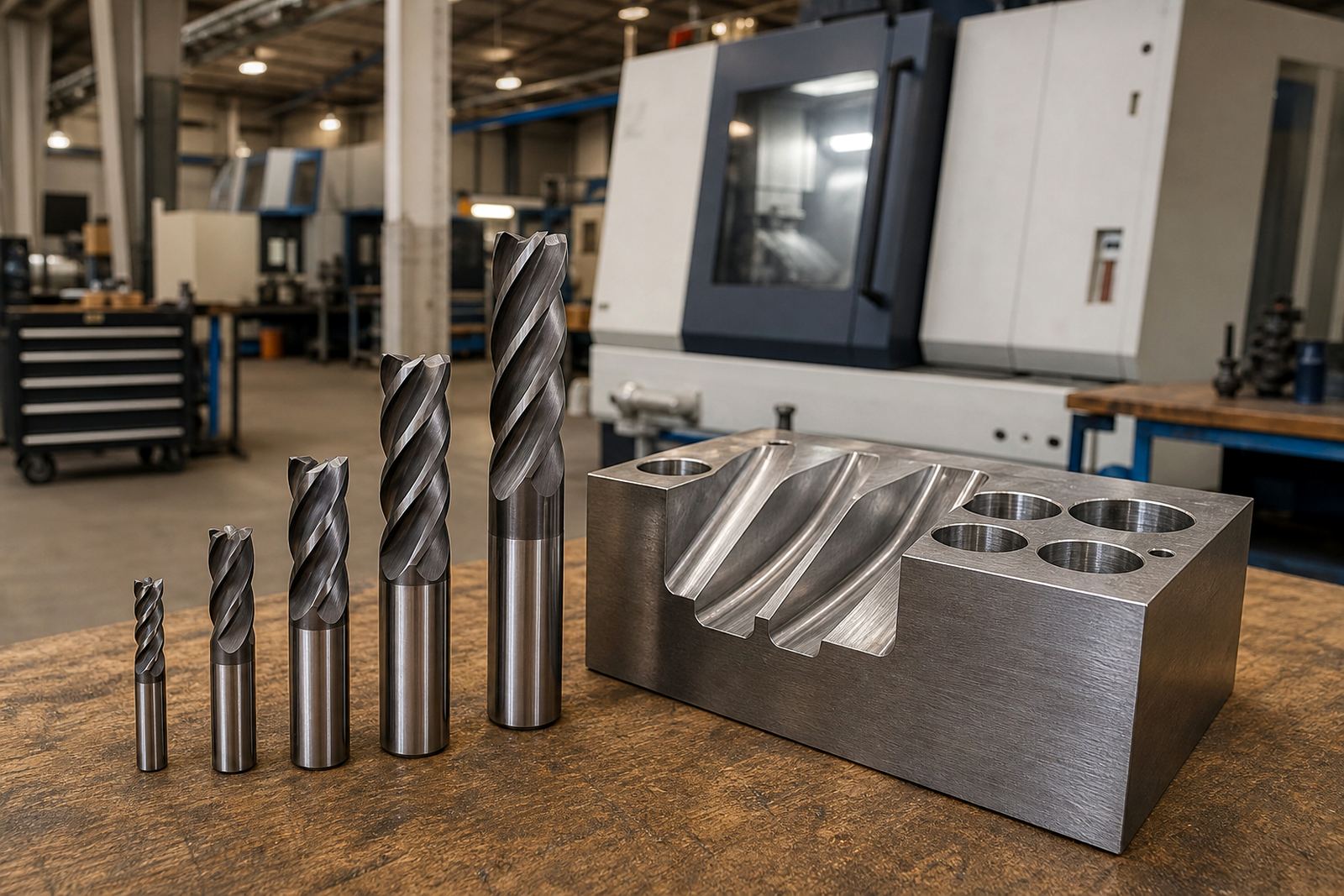
We supply dovetail cutters in a range of diameters, angles and flute counts to suit common CNC jobs. The right choice depends on the groove width, the included angle of the mating part, and how deep the cutter must reach without rubbing the shank or holder. For many production jobs, a small change in angle or tip diameter can make the difference between a clean dovetail and a part that needs rework.
- Angles commonly supplied for angled slot and profile work
- Tip diameters for fine detail or wider engagement
- Solid carbide construction for better wear resistance
- Short and longer reach options for different part depths
- Single end or multi flute options, depending on chip load and finish
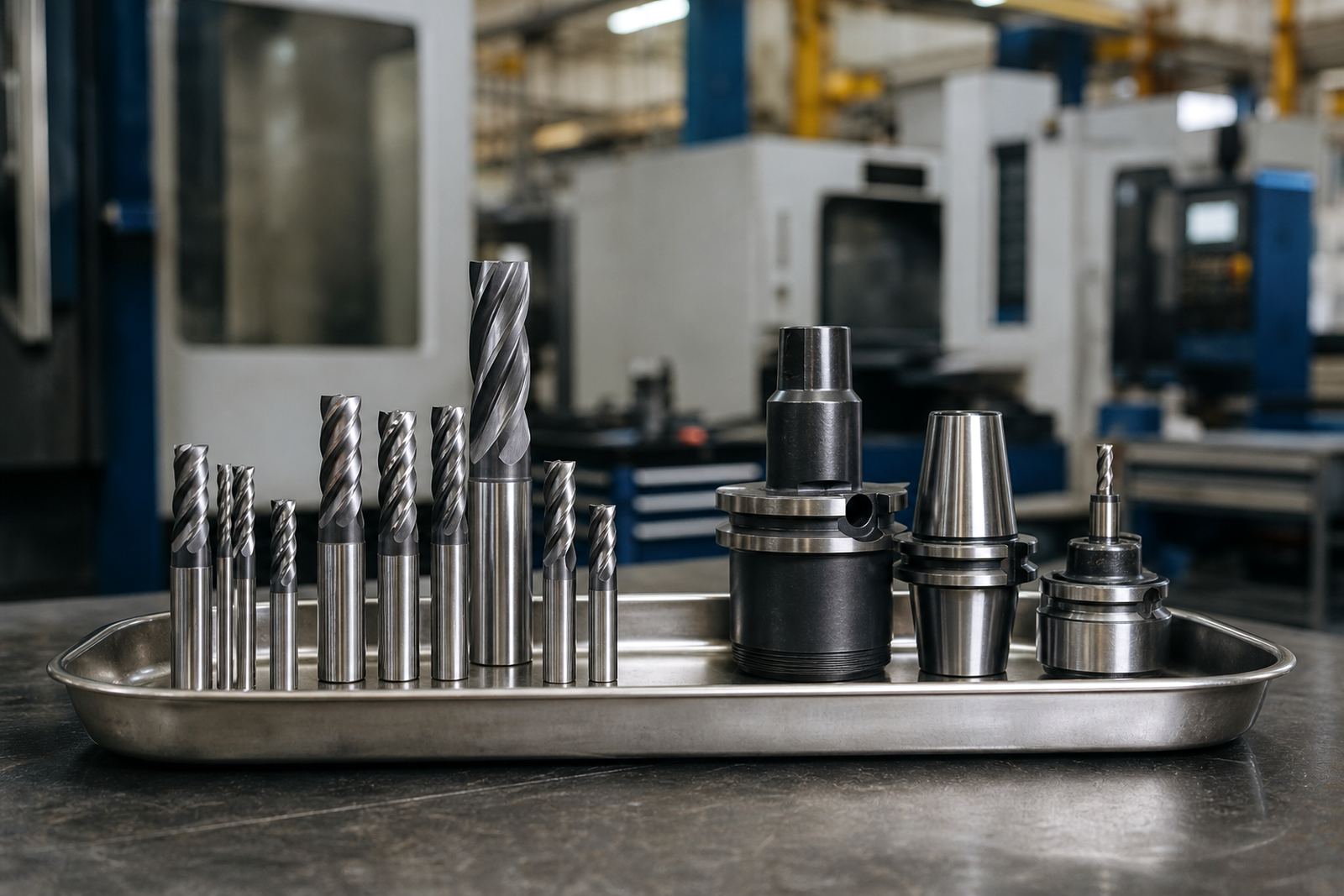
Typical sizes include compact cutters for fine fixture work as well as larger cutters for heavier profile cutting. Shank sizes are selected to match standard collets and holders used on machining centres, and the cutter should always be matched to the available spindle clearance. If you are unsure, our technical team can help compare the part drawing to the cutter geometry before you place an order.
Where dovetail cutters suit best in local production
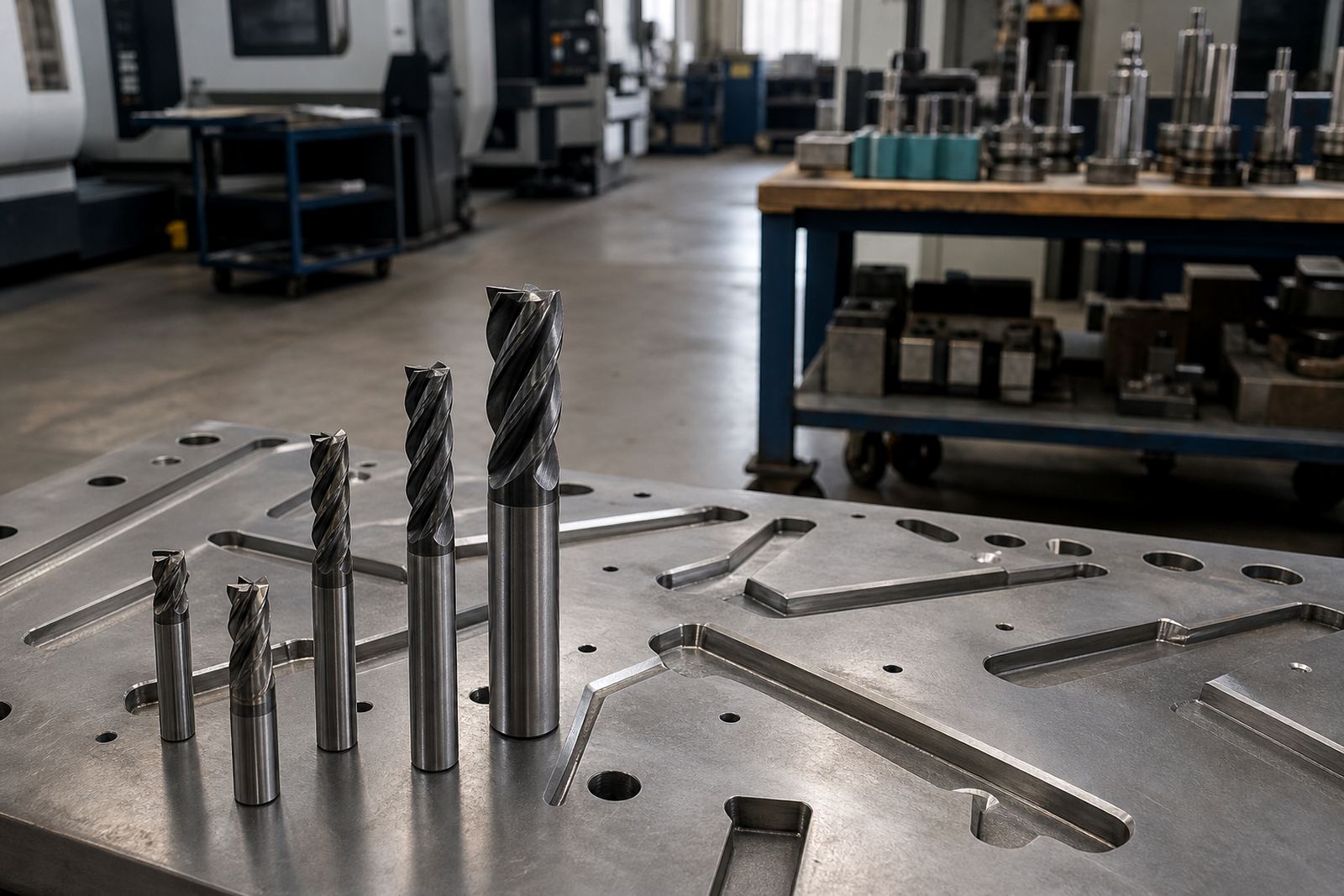
Dovetail cutters suit shops making jigs, fixtures, sliding guides, toolholders, locating parts and interlocking aluminium or steel components. They are also useful for maintenance teams that need precise replacement grooves or special profile repairs. In South African manufacturing, these cutters are often used where a separate mechanical lock is better than adhesive or a welded joint, especially on parts that must be dismantled and reassembled.
They are a practical choice for engineering firms in Germiston, Boksburg and Alberton, but also for production houses in Pretoria, Centurion and Johannesburg that need consistent repeat runs. In coastal conditions, storage and handling matter too because humidity can affect holders, collets and machine tables if the workshop is not kept dry. That makes correct tool care part of the machining process, not an afterthought.
- Fixture plates and clamping details
- Sliding and locking grooves
- Interlocking aluminium profiles
- Special insert pockets and undercut features
- Repair work on existing machined components
Setup, spindle load and cooling requirements
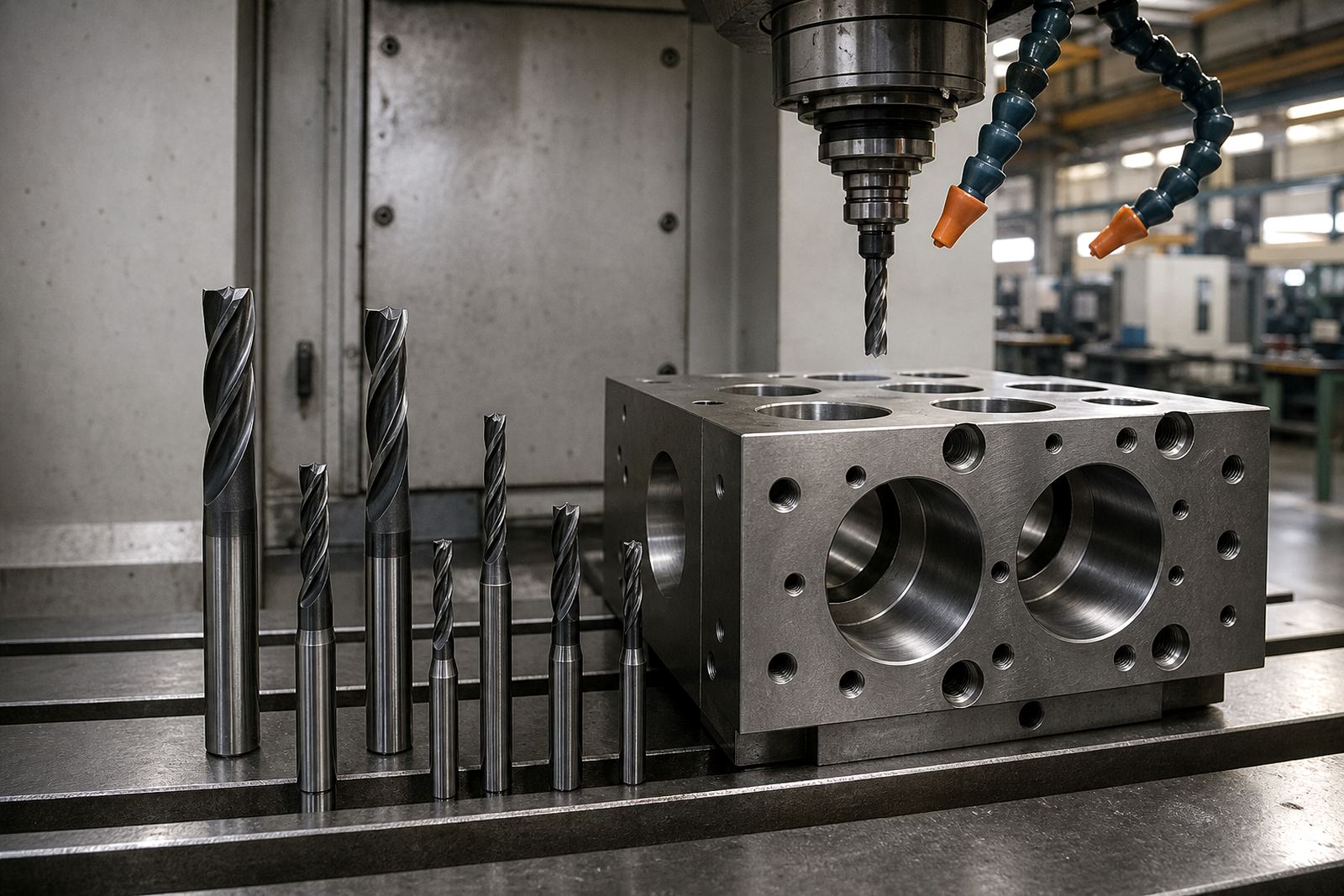
Dovetail cutters need a rigid setup, sensible speed and a feed rate that keeps the cutting edge engaged without forcing the tool. Because the cutter removes material on an angled face, chip evacuation is important. If chips pack into the groove, heat builds up and edge wear starts early. On CNC machining centres, a good air blast or coolant flow helps keep the cut clear. No special gas supply is needed for this product.
Power requirements are simply those of the CNC machine itself, but the spindle must be suitable for the cutter diameter and the job load. A small machine can run a light dovetail cutter for aluminium or mild steel, while a heavier unit is better for deeper cuts and tougher materials. Use the correct holder, keep runout low, and make sure the workpiece is clamped so it cannot shift during entry or exit.
- Use a rigid holder with low runout
- Check spindle speed against material and diameter
- Use coolant or air blast for chip control
- Keep clamping clear of the cutter path
- Test the first part before full production
Care, inspection and service life
Solid carbide dovetail cutters last longer when they are cleaned after use and stored so the edges do not knock against other tools. A light oil wipe can help in damp coastal workshops, but the cutter must be dry before it goes back into storage. Check the cutting edge for chipping, the shank for marks, and the flute area for built-up material after each job. Small damage can affect finish and angle accuracy even if the tool still looks usable.
If a cutter starts producing burrs, poor surface finish or chatter, do not assume the machine is at fault straight away. Look at tool wear, holder condition, chip clearance and the job setup together. Our team can assist with tool life optimisation, material matching and process troubleshooting so you can decide whether to adjust feeds, change the cutter or alter the toolpath. A small change often saves a lot of scrap.
What to check before placing an order
Before ordering a dovetail cutter, check the drawing or sample part and confirm the groove angle, tip diameter, reach depth and the material to be cut. If the cutter is for a fixture detail, confirm the mating part as well because one side of the profile may need a tighter tolerance than the other. It also helps to know whether the machine is running roughing passes first or cutting the profile in one operation.
Please have the following ready when you send your enquiry through our contact page:
- Material type, such as aluminium, mild steel or stainless steel
- Required angle and tip size
- Groove depth and part thickness
- Machine type and holder size
- Whether coolant, mist or air blast is used
- Expected quantity and whether urgent supply is needed
With that information, we can recommend a suitable cutter, suggest a starting speed and feed, and help you avoid buying a tool that is too small or too aggressive for the job. If your workshop needs sample tool trials, stock planning or technical quotations, our Germiston base supports CNC shops across South Africa.
Key facts
| Product type | Solid carbide dovetail cutters for CNC machining centres |
|---|---|
| Typical use | Angled slots, fixture details, interlocking profiles and undercut features |
| Material compatibility | Aluminium, mild steel, stainless steel and selected engineering alloys |
| Available geometry | Various angles, tip diameters, flute counts and reach lengths |
| Cooling needs | Coolant or air blast recommended for chip clearance |
| Supply area | Germiston, Johannesburg, Pretoria, Cape Town, Durban and Gqeberha |
| Ordering info | Send material, angle, depth, quantity and machine details through the enquiry form |