What a 4 flute mill is used for
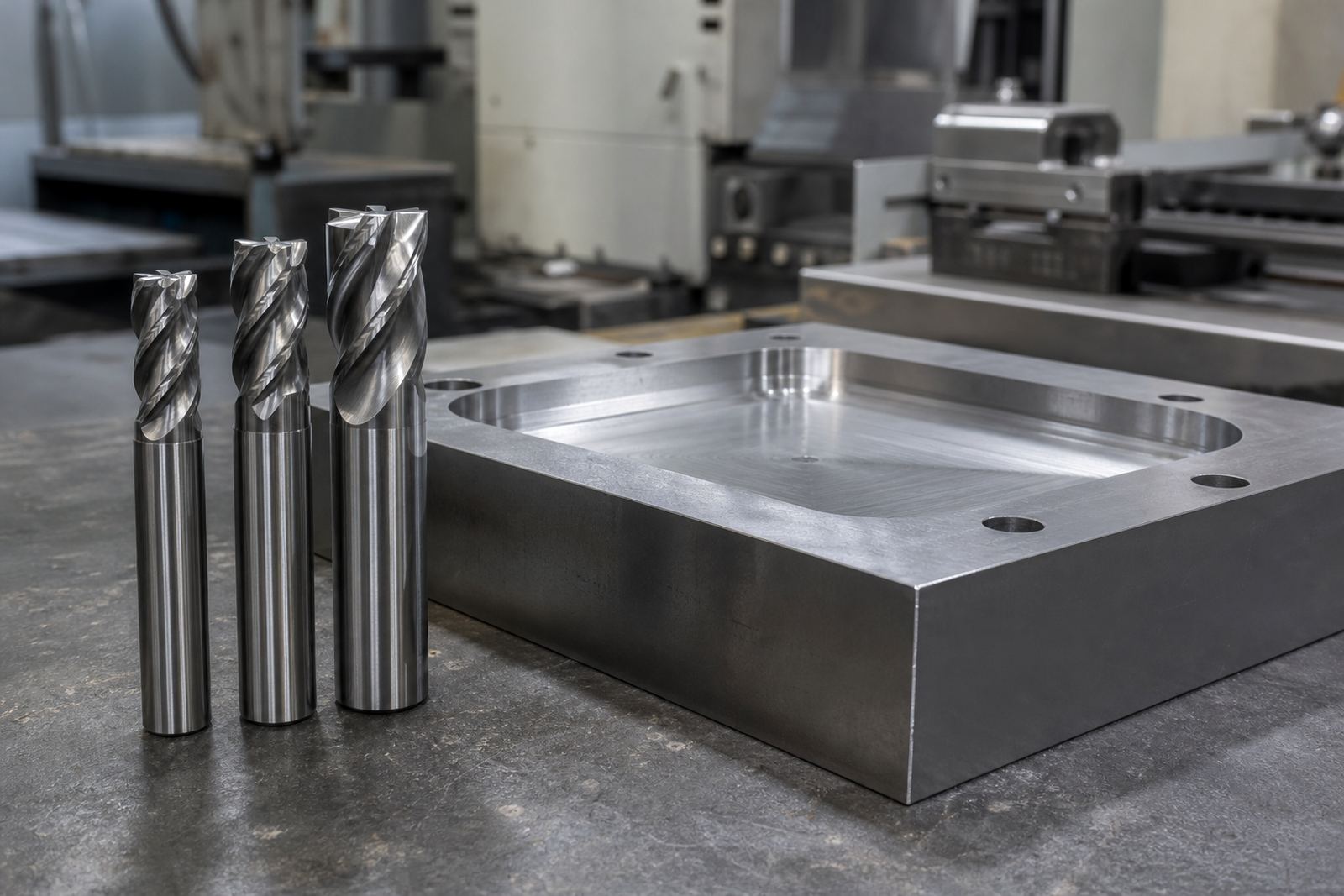
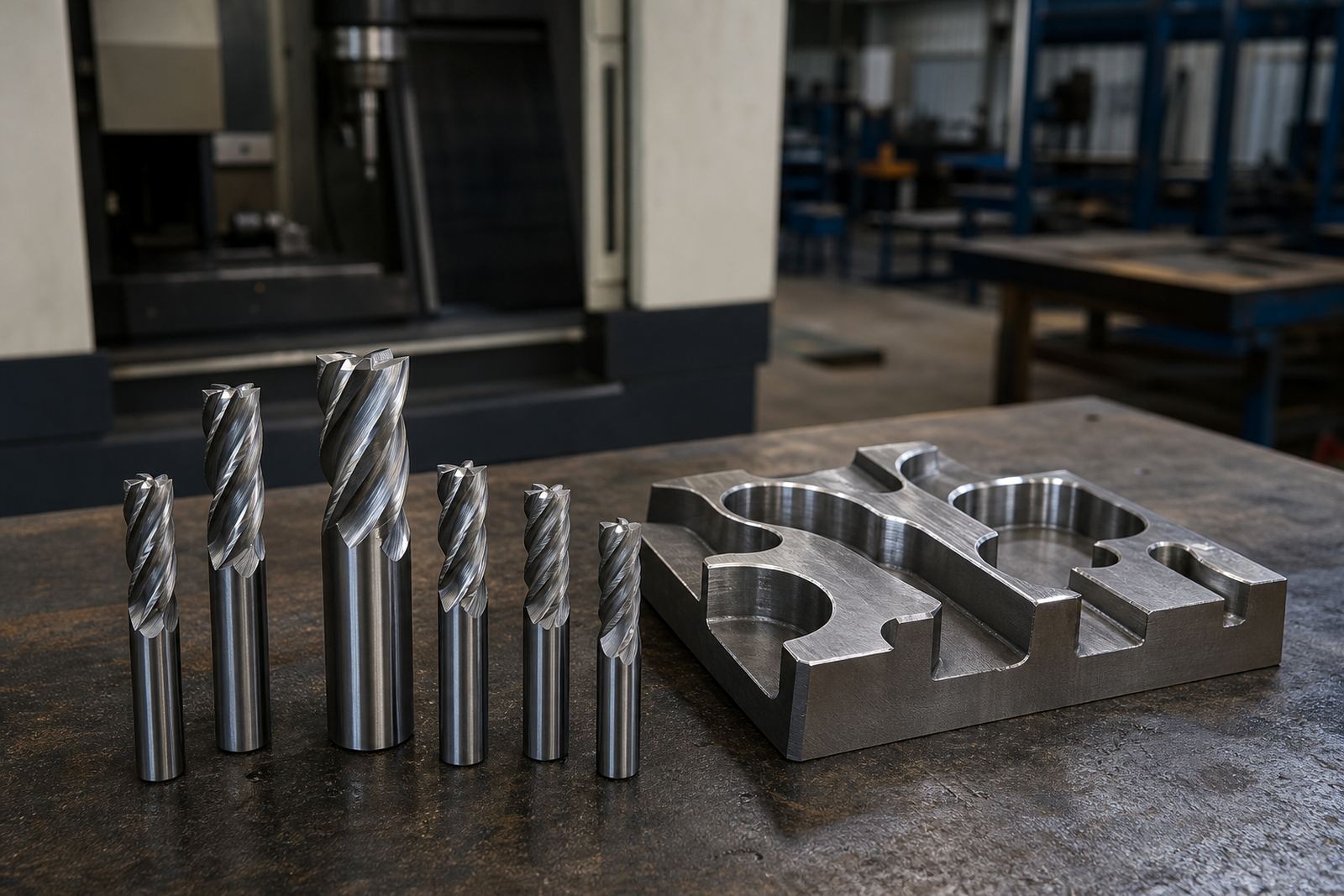
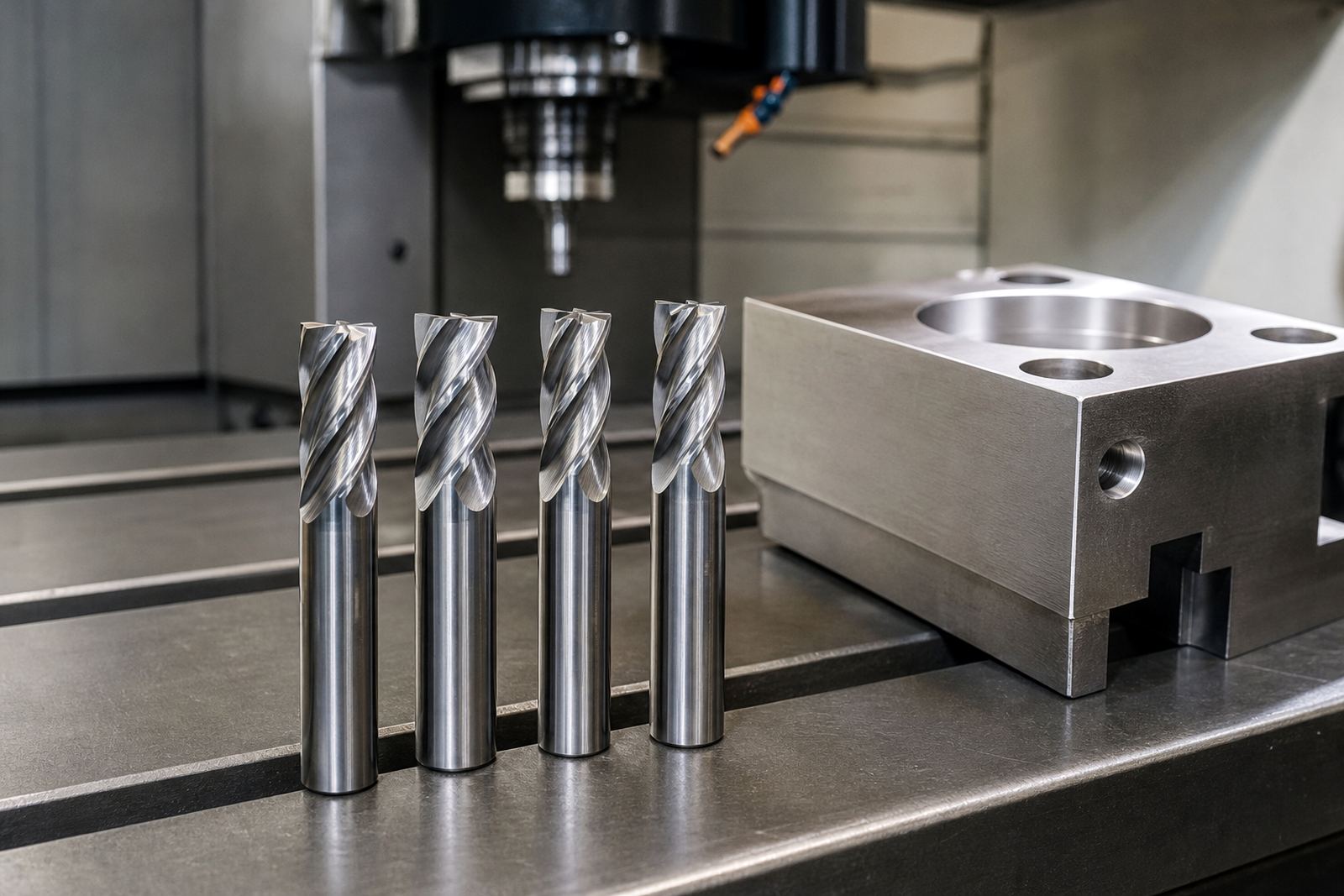
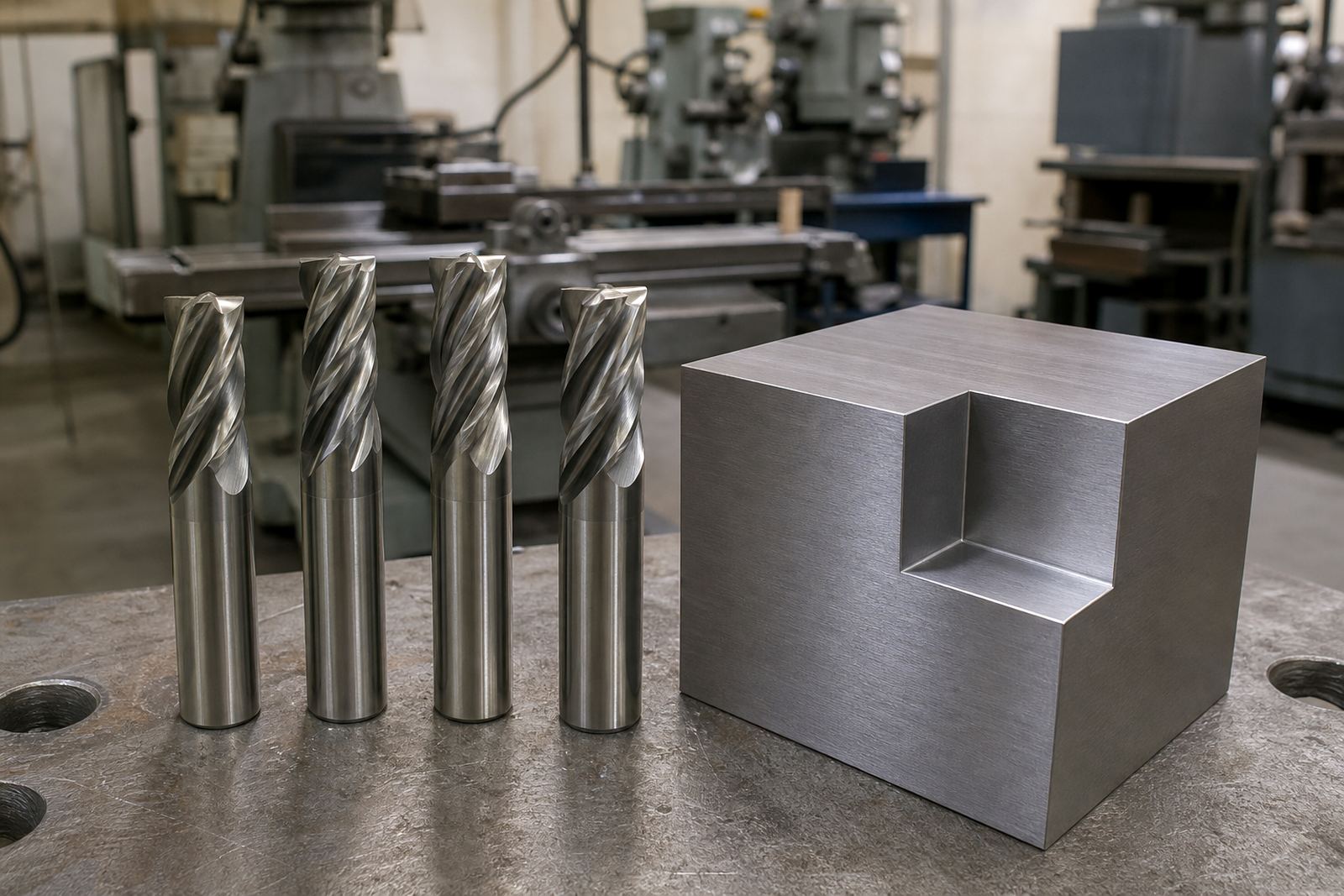
A 4 flute end mill has four cutting edges around the body, which gives it a stronger core than a 2 flute tool and more contact points for productive machining. That extra support helps when you are taking side cuts, profiling edges, doing slot work in moderate depths, or finishing components where surface quality matters. In busy production shops in Germiston, Johannesburg and Pretoria, these tools are a practical choice where you need steady tool life and repeatable results shift after shift.
For CNC machining centres, the four flute layout is often the middle ground between fast chip clearance and stable cutting. It suits work where the machine is running in steel, tool steel, stainless steel or pre hardened material and you want a firmer tool body without losing too much cutting room. On well set-up machines with good coolant delivery, a 4 flute mill can give excellent finish and good corners on parts that must go straight to assembly or further machining.
Available sizes and option ranges
We supply solid carbide 4 flute mills in a range of diameters and overall lengths for light finishing, standard production work and deeper reach applications. Selection usually starts with the cutter diameter, then the flute length, overall length and whether the tool needs centre cutting for plunging or ramp entry. Shops working on smaller fixtures in Boksburg or larger production runs in Cape Town often keep more than one size on hand so they can match the tool to the part instead of forcing one cutter to do everything.
- Diameter options from fine detail sizes up to heavier stock removal sizes
- Standard, long reach and extra length formats for different pocket depths
- Square end and corner radiused styles where edge strength is needed
- Centre cutting versions for ramping and plunging where allowed by the job
- Plain shank options for common CNC toolholding systems
Many customers also look for coating choice, helix style and flute length matched to material. If you are cutting harder steels or working in humid coastal conditions, the right coating and storage plan helps keep tools performing well and reduces early wear. A 4 flute mill that is right for the job will usually run cooler and leave a cleaner edge, even when the machine is working under load.
Best applications in local machining shops
These mills suit side milling, slotting in moderate depths, contouring, pocket finishing and general production work where the cutter must hold size and keep the spindle load steady. They are common in jobbing shops, mould and die work, component manufacturing and maintenance departments. In Durban and Gqeberha, where moisture and salt air can affect storage, a consistent handling routine matters just as much as the cutter choice itself.
A 4 flute tool is a good fit when chip evacuation is still manageable and the job benefits from more cutting edges per rotation. That makes it a strong option for finishing passes on steel housings, machine parts, mounting plates and precision machined faces. It is not always the first choice for very soft, gummy materials where chip crowding is a problem, but for many general machining tasks it gives a practical balance of life and finish.
- Side milling on machine parts and plates
- Finishing passes on steel and stainless steel
- Profiling, contouring and shoulder work
- Slotting where depth of cut and chip flow are controlled
- General CNC production where consistency matters
Setup, spindle load and coolant needs
Installation is straightforward because these tools run in standard CNC toolholders, but the setup still needs care. Check that the shank is clamped cleanly, the holder is free of burrs and the stickout is kept as short as the job allows. Excess stickout is one of the quickest ways to lose finish quality and shorten tool life, especially on longer cutters. If the machine is running across a load shedding schedule, it is wise to restart with a fresh check on tool length offsets and workholding before hitting cycle start again.
4 flute mills do not need gas. They do need the right cooling approach, depending on the material and the cut. Through-tool coolant, flood coolant or a controlled mist system can help with chip removal and edge temperature. For dry cutting or minimum coolant work, speeds and feeds must be set carefully so the chip is formed properly and the tool does not rub. In practice, the best setup is the one that keeps chips moving away from the cut and prevents recutting. A good machine operator will hear the difference fairly quickly, and spot it in the finish too.
Care, storage and servicing on the shop floor
Solid carbide tools last longer when they are handled like precision instruments. Keep them in separated holders or cases so cutting edges do not chip against each other. Wipe off coolant and swarf before storage, then store the cutters in a dry place away from grinding dust and oil mist. In coastal towns and humid plant rooms, a light corrosion control routine helps protect toolholders and any exposed steel parts around the tooling area. The carbide itself is hard, but it is still possible to damage the cutting edge with poor handling.
Inspect the tool before each run for edge chipping, built-up edge, discolouration and unusual wear on the corners. If you see chatter marks on the part or hear the load changing through the cut, stop and check speed, feed, runout and coolant flow. Many end mills are retired too early because the setup is wrong rather than because the carbide has failed. Good servicing habits will stretch tool life and keep production stable from one batch to the next.
- Clean and dry after use
- Store in a dry labelled tray or case
- Keep cutting edges from knocking together
- Check runout, holder condition and coolant delivery
- Pull the tool if chips, wear or chatter begin to show
What to check when ordering for your job
When you order a 4 flute mill, the first check is material type. Steel, stainless steel, cast iron and harder alloys all behave differently, so the diameter, flute length and coating must match the material and the machine. Next, confirm the cutting depth, the required finish and whether the tool needs to plunge, ramp or only cut from the side. This avoids buying a cutter that is too short, too long, or simply not suited to the machining path.
You should also confirm the holder type, shank size, tool reach and the target machine power. A small VMC and a larger CNC machining centre do not always want the same cutter geometry. If you are standardising production across several branches, it helps to keep a clear tool list with one approved option for roughing, one for finishing and one for deeper reach work. That makes stock planning easier and cuts down on last minute scrambles for urgent tool supply. Our Germiston team can help you compare options, check stock levels and match the tool to the cut before you place the order.
- Material to be machined
- Tool diameter and flute length required
- Square end, centre cutting or corner radius need
- Machine spindle power and holder type
- Coolant method and chip clearance limits
- Expected finish, tolerance and batch size
Key facts
| Tool type | Solid carbide four flute end mill |
|---|---|
| Typical use | Side milling, finishing, profiling and controlled slotting |
| Material suitability | Steel, stainless steel, cast iron and other machineable alloys |
| Geometry options | Square end, corner radius, centre cutting and long reach variants |
| Cooling | Suitable for flood coolant, through-tool coolant or controlled mist where appropriate |
| Supply area | Germiston, Johannesburg, Pretoria, Boksburg, Alberton, Centurion, Cape Town, Durban and nationwide |