
What high feed mills do on the shop floor
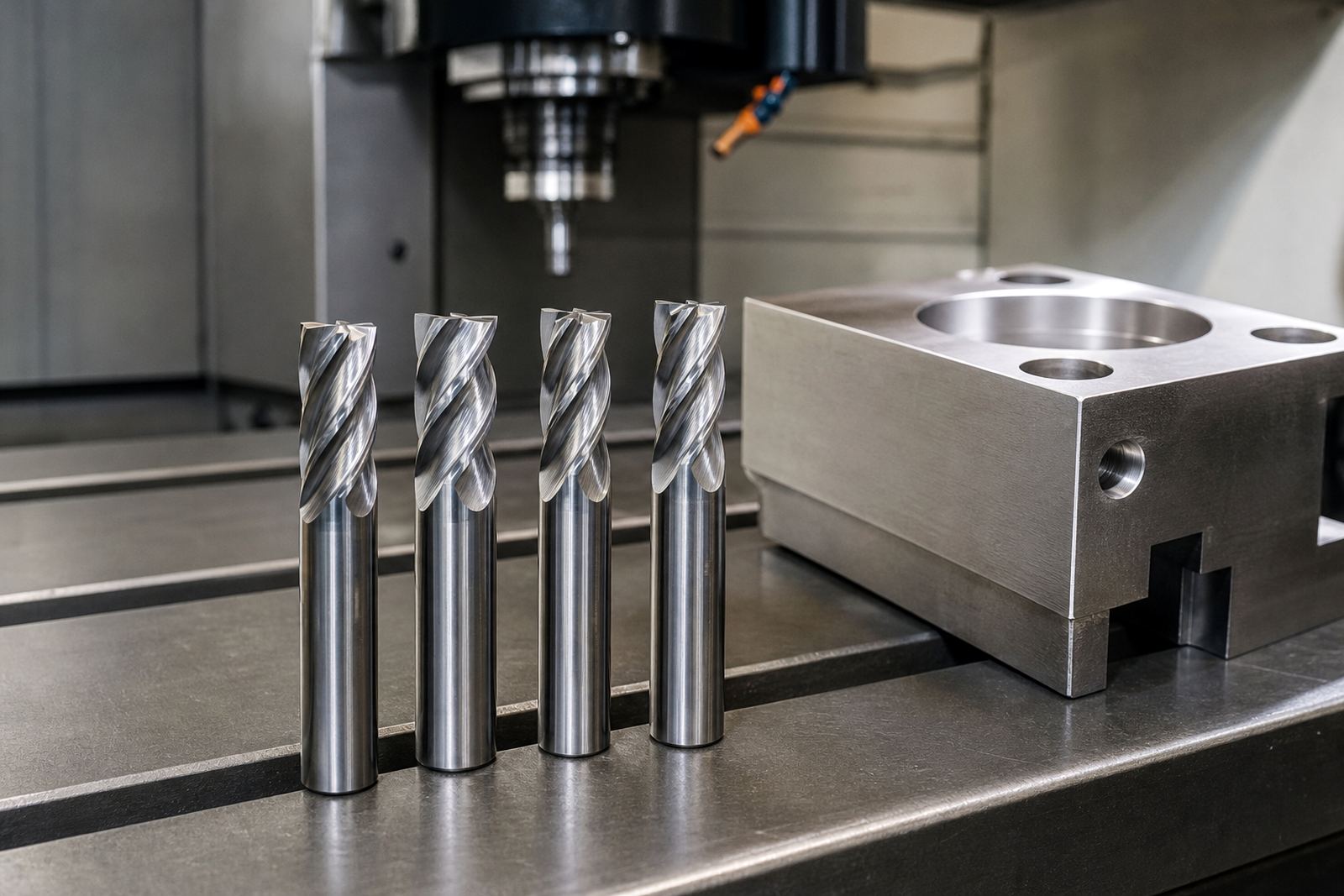
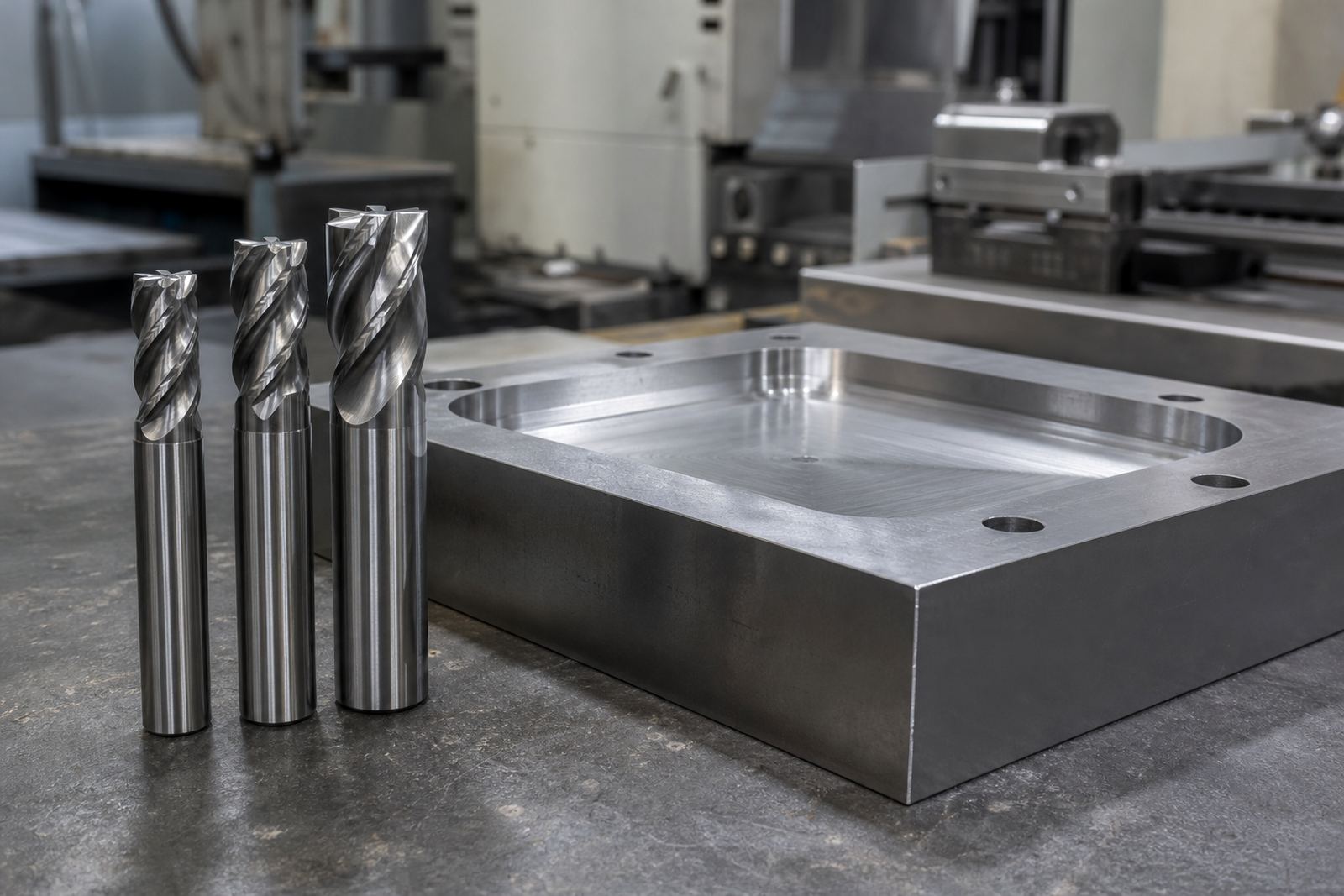
High feed mills are solid carbide milling tools built to run with a shallow radial cut and a higher table feed than a conventional roughing mill. The insert shape and cutting edge geometry are arranged so the chip is thin, which helps the tool move material quickly while keeping heat under control. That makes them useful on mould and die work, general engineering, and repeat production on CNC machining centres across Germiston, Johannesburg, Pretoria and Cape Town.
These tools are best used when the machine is rigid, the holder is in good condition, and the programmer can keep engagement steady. They are not a cure for a weak setup, but on the right job they can shorten cycle times and improve tool life. In many cases, a high feed mill will also reduce cutting forces enough to help with thin walls and long reach parts that would chatter with a heavier cutter.
- Best for light radial engagement, usually around 5% to 15% of cutter diameter
- Used for roughing, pre-finishing and fast stock removal
- Suitable for steels, stainless steel, cast iron and some heat resistant alloys
Sizes, diameters and shank options available
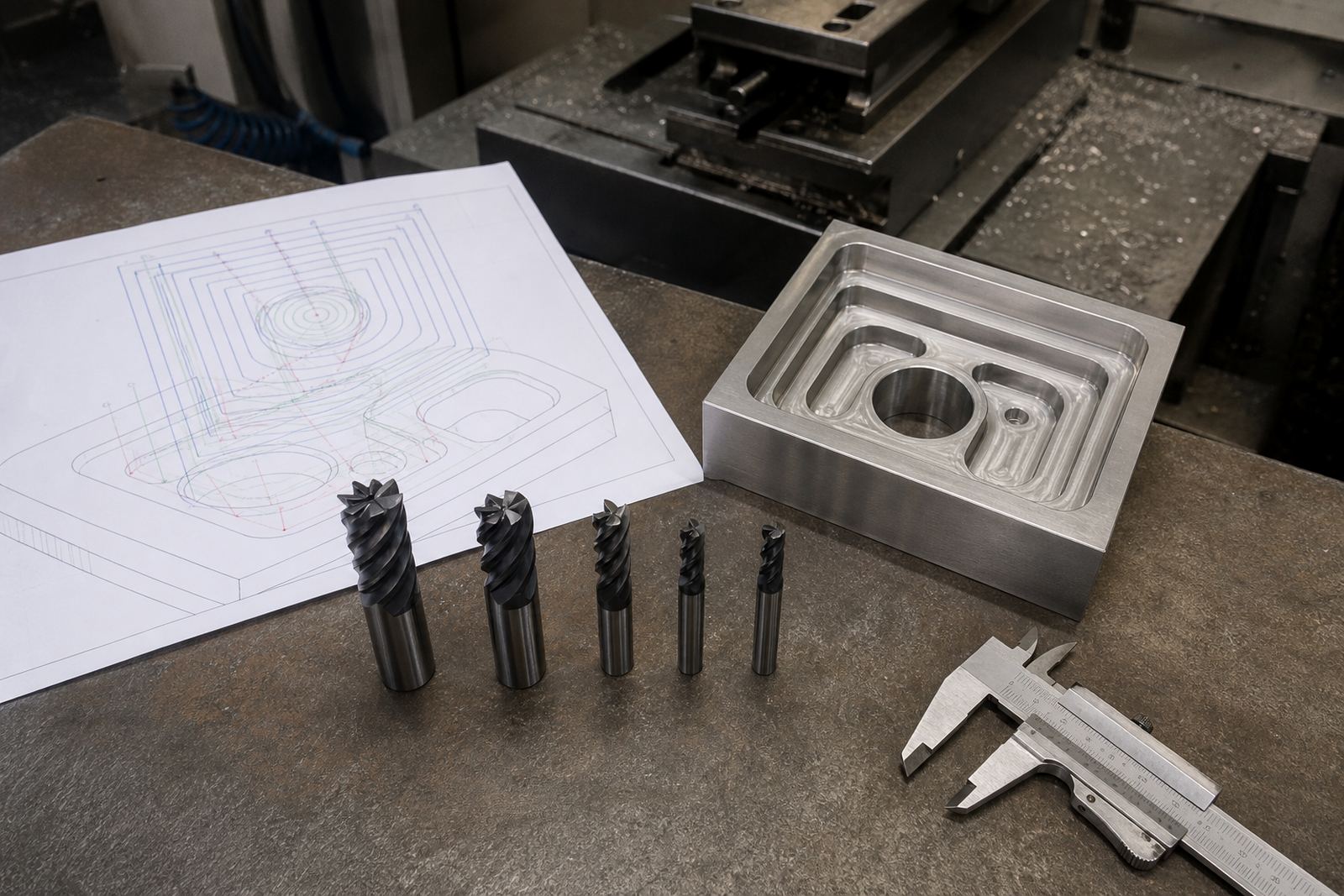
High feed mills are available in a practical range of sizes for everyday CNC work. Common cutter diameters are 8 mm, 10 mm, 12 mm, 16 mm, 20 mm, 25 mm and 32 mm, with larger sizes available for heavier work. Shank sizes normally match the cutter diameter or the holder system in use, and overall lengths can vary for standard pocketing or deeper reach. Some shops prefer shorter tools for stiffness, while others need extended length versions for fixtures and tall components.
When choosing size, the job material and spindle capability matter as much as the cutter itself. A 10 mm tool on a small vertical machining centre will behave very differently to the same tool in a high power machining centre. For shops in Durban or Gqeberha dealing with warm, humid conditions, correct storage and rust prevention matter too, especially if tools sit in the store room for a few days between runs.
- Diameter range: 8 mm to 32 mm, with selected larger sizes available
- Cutting lengths and overall lengths vary by tool series
- Options may include 2 flute, 4 flute or special insert geometries depending on the application
Where high feed milling fits best
These cutters suit jobs where the machine can hold a stable feed and the programmer wants to remove metal quickly without deep side loading. They are commonly used on plate work, blocks, pockets, stepped faces, rough contours and pre-finishing passes. On a production line, they can help standardise cycle times from shift to shift, which is useful when load-shedding and stoppages have already disrupted planning.
High feed mills are a strong choice for shops machining medium carbon steel, pre-hardened material and other common engineering metals. They are also useful when the part has interruptions, as long as the setup is secure and the tool path is set correctly. For some stainless applications, the tool can perform very well if coolant delivery, chip evacuation and feed rate are all kept consistent. If the setup is poor, tool wear will show quickly, so the process must be right from the start.
- Suitable for CNC machining centres with good rigidity and stable workholding
- Useful for production batches, repair work and repeat component supply
- Works well where chip control and cycle time are both important
Installation, spindle load and power needs
High feed mills need proper installation in a clean, accurate holder. Runout should be kept low, the clamping surface must be clean, and the tool should be seated to the correct stick-out for the job. A balanced holder and a good pull stud arrangement help at higher spindle speeds, especially where the machine runs long production shifts. No gas supply is required for the tool itself, only the normal CNC machine power and, where used, coolant or air for chip clearance.
Because the tool is designed for light radial engagement, the machine does not need to force a deep cut. What it does need is steady feed, enough spindle power for the diameter being used, and a controller that can hold a smooth tool path. In many shops the best results come from using a short, rigid setup and a cutter path that keeps engagement even, rather than pushing the tool too hard in one section and then backing off in the next.
- Use clean holders and check runout before first use
- Keep tool stick-out as short as the part allows
- Match spindle speed, feed and coolant delivery to the material and cutter diameter
Care, servicing and tool life control
To get good life from a high feed mill, keep chips moving away from the cut and stop the tool from rubbing. A light cut with too little feed can damage the edge just as fast as an overloaded cut. Inspect the tool after use for edge wear, chipping and coating damage if applicable. If the cutter starts to leave a poor finish or the spindle load rises without a change in programme, check the setup before blaming the tool. Many issues are caused by holder wear, coolant problems or a dull machine spindle, not the cutter itself.
In coastal towns where humidity can cause rust marks quickly, store carbide tools in a dry cabinet or sealed box with rust prevention in place. In Gauteng shops, dust from grinding and general machining can also work into holder tapers, so routine cleaning is worth the effort. Good stores practice helps avoid unnecessary regrinding or early replacement, and it keeps spare stock ready for urgent jobs when customers need parts turned round quickly.
- Inspect cutting edges before and after each production run
- Keep holders, collets and tapers clean and dry
- Record tool life by material and machine so repeat jobs can be standardised
What to check before placing an order
When ordering high feed mills, it helps to give the material, machine type and the cut you want to make. That lets the technical team check whether the cutter diameter, flute count, insert style and reach are suitable. A tool that works well on mild steel may not be the right choice for stainless or hard material, so the application details matter. If you are in Johannesburg, Pretoria, Cape Town, Durban or Gqeberha and need a fast supply, having the part drawing or sample part ready can save time.
Useful details include the spindle taper, holder type, coolant method, available power, target cycle time and the surface finish needed. If the job runs in batches, it also helps to say how many parts are made per day or per week. That gives a clearer picture of whether the tool should be chosen for maximum removal rate or for longer predictable life. A good order brief saves stop-start trial runs and gives the shop a better chance of getting the first setup right.
- Material type and hardness
- Cutter diameter, depth of cut and required reach
- Machine model, spindle taper and available horsepower or kW
- Coolant method, air blast or dry cutting preference
- Expected batch size and urgency of supply
Key facts
| Tool type | Solid carbide high feed mill |
|---|---|
| Diameter range | 8 mm to 32 mm standard, larger sizes on request |
| Application | Light radial engagement, high feed roughing and pre-finishing |
| Typical use materials | Steel, stainless steel, cast iron and selected alloys |
| Machine requirement | CNC machining centre with stable spindle, clean holder and correct feed control |
| Cooling | Coolant recommended, air blast can assist chip clearing on suitable jobs |