
What non centre mills are used for
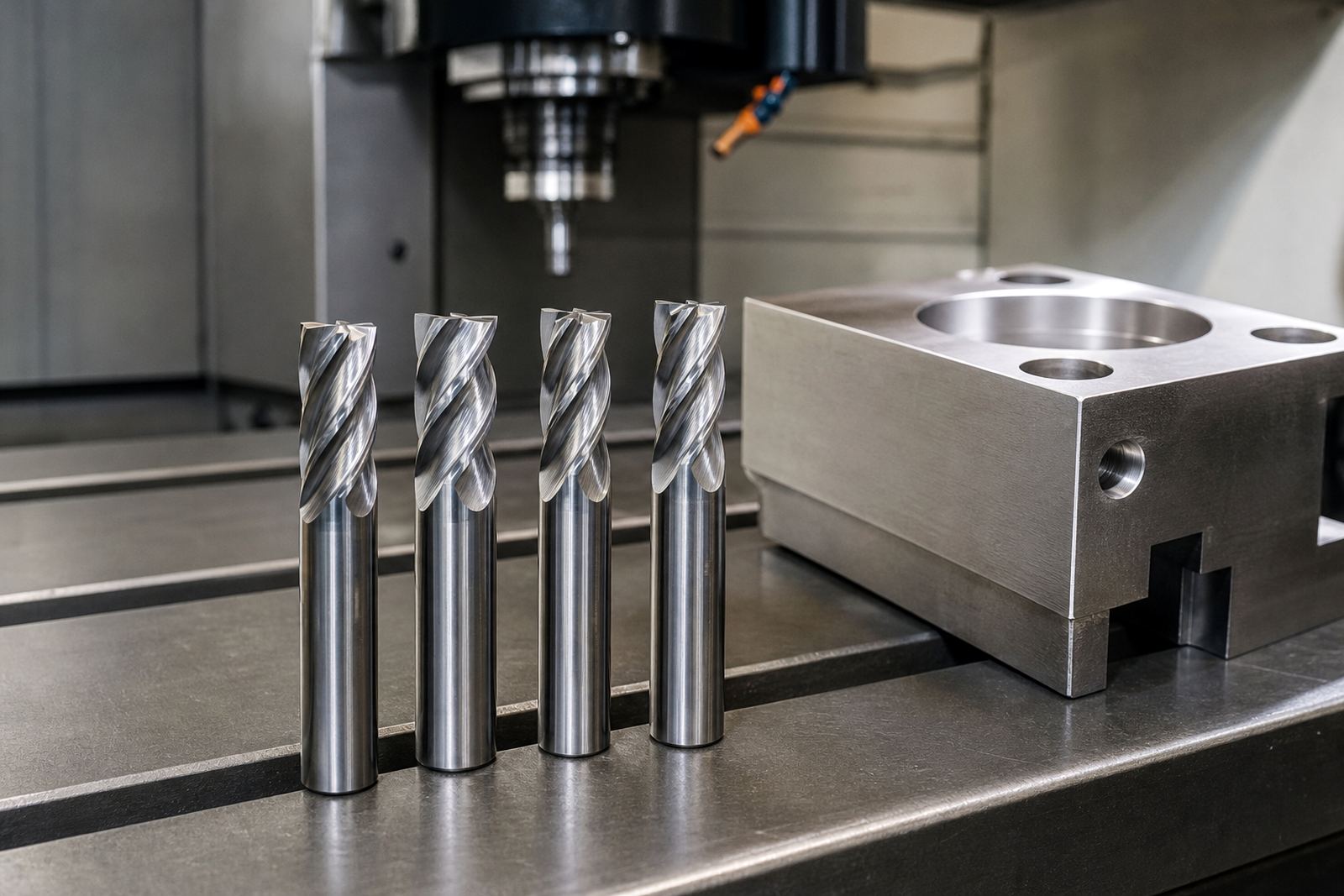
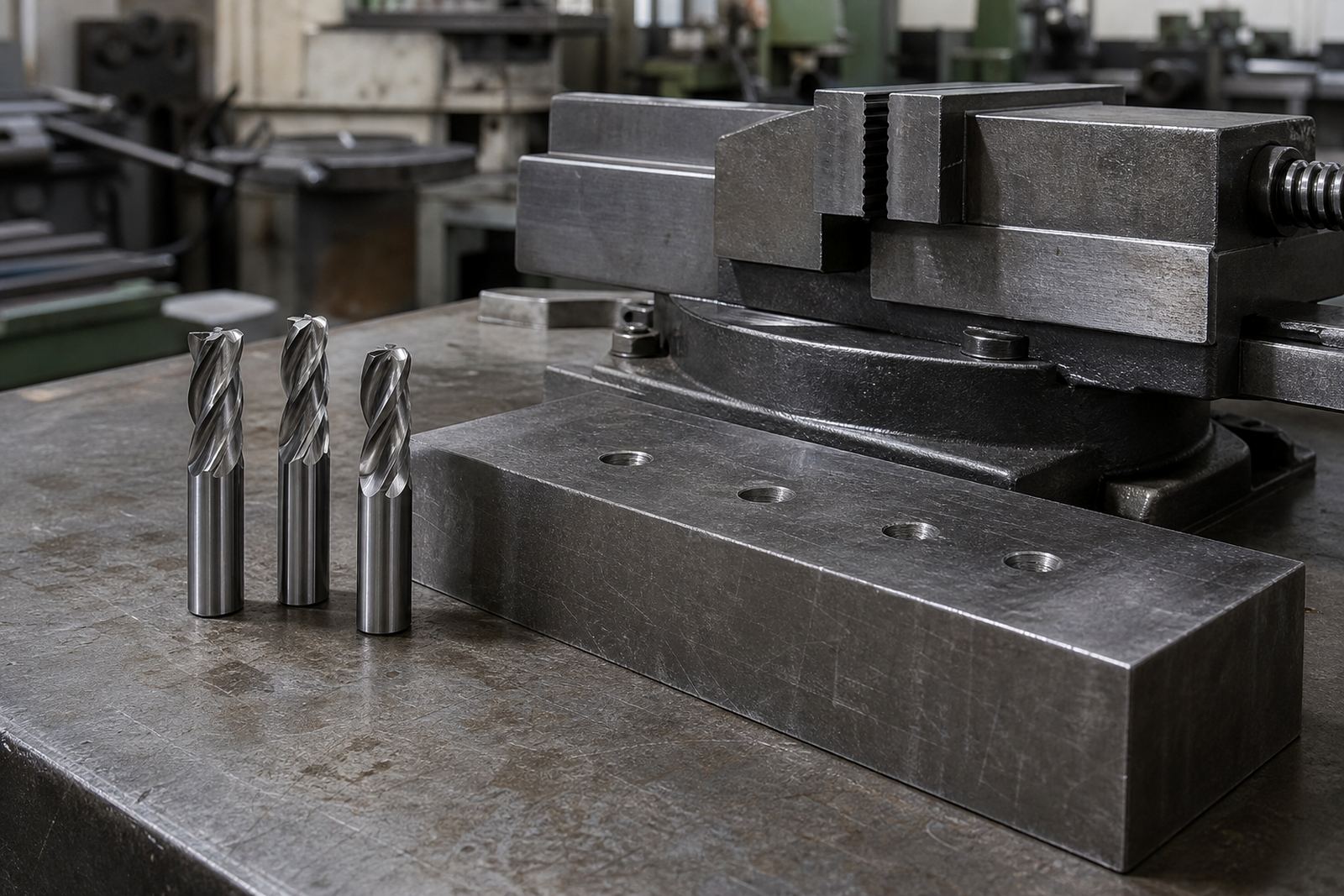
Non centre mills are made to remove material from the side of the cutter rather than starting a cut directly into solid material. In practice, that means cleaner profiling, shoulder work, pocket finishing and edge detailing on CNC machining centres. They suit jobs where the tool enters from a ramp, lead in or pre-machined opening, and where plunge capability is not needed.
These cutters are chosen for repeat work on steel, stainless steel, cast iron, aluminium and general engineering plastics, depending on the grade and coating selected. For job shops in Wadeville, Boksburg, Alberton and the wider Gauteng belt, they are often part of daily production where finish and tool life both matter.
Sizes, flute counts and cutter styles
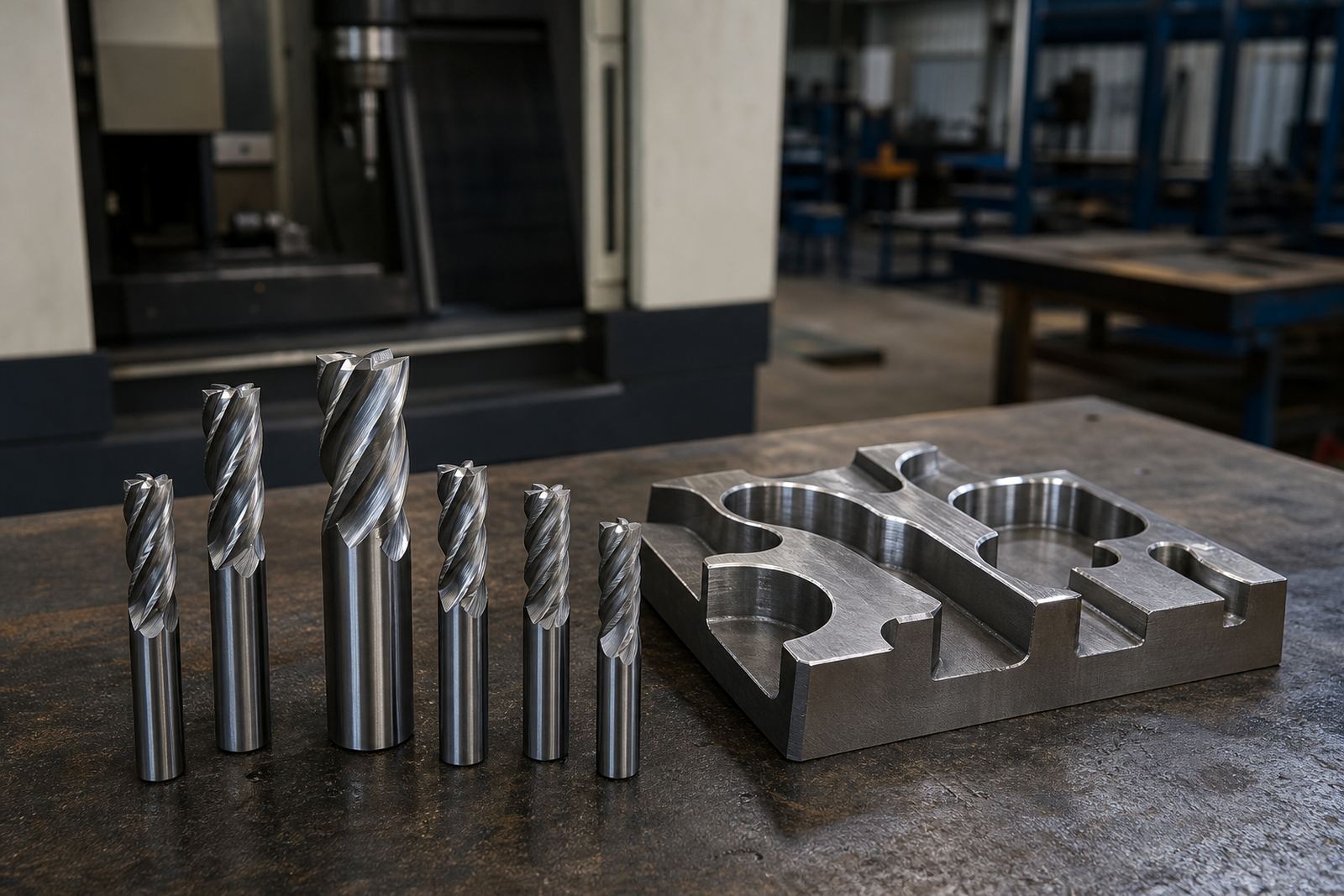
We supply solid carbide non centre mills in a practical spread of diameters and lengths for machining centres running standard toolholders. Typical sizes range from 3 mm to 20 mm diameter, with longer reach options available for deeper profiles or awkward access points. Common flute counts are 2 flute for aluminium and freer cutting work, and 4 flute for steels and harder materials.
- Diameter options from 3 mm up to 20 mm
- Cutting lengths for shallow, medium and extended reach work
- 2 flute, 3 flute and 4 flute options
- Square end and corner radius styles
- Bright finish or coated versions depending on material and duty
- Single item supply or stock planning for repeat production
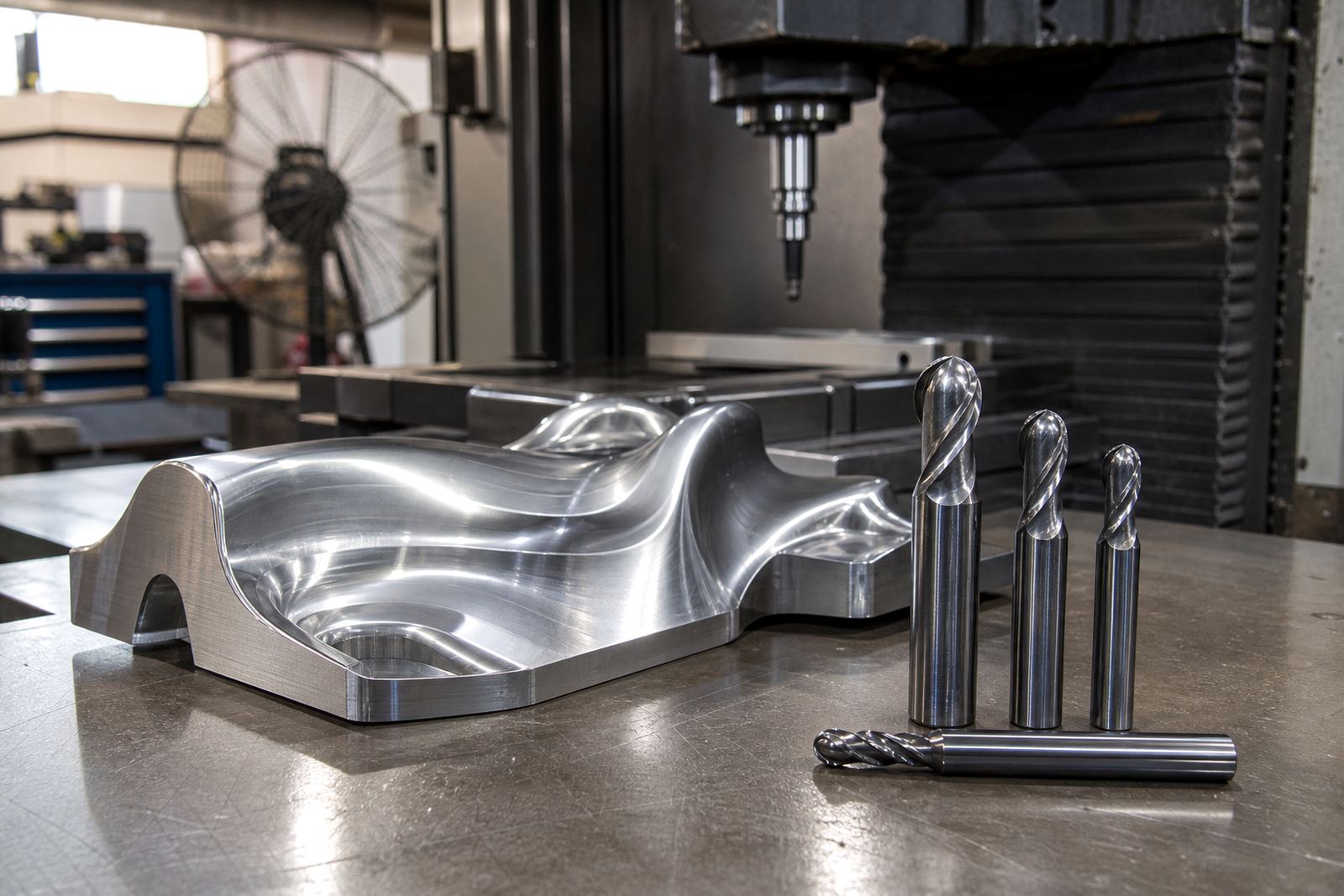
Corner radius versions are useful where edge strength is needed on finished parts. Square end tools suit sharp shoulders and flat-bottom finishing, while longer reach tools help when fixturing limits access. Some mills are made for high speed light finishing, others for heavier side cutting at lower feed rates, so matching the tool to the job saves alot of broken edges and wasted machine time.
Where these mills suit best on the shop floor
Non centre mills work well in CNC machining centres doing profiling, slotting, shoulder milling, edge clean-up and contour finishing. They are a good choice for mould and die work, machine components, brackets, housings, plates and parts that need a controlled finish before assembly or coating. In many shops they are also used after roughing to take the final cut on side walls and faces.
- Profiling on mild steel and stainless steel parts
- Finishing aluminium components with clean wall finish
- Shoulder cuts on fabricated and machined parts
- General engineering work with repeat dimensions
- Short run and production work where tool life must stay predictable
For coastal sites in Durban and Gqeberha, storage and handling matter as much as the cutting itself. Carbide tools should be kept dry and protected from condensation, because moisture in a toolbox or cabinet can affect holders, labels and traceability even if the cutting edges look fine at first glance.
Machine setup, power and coolant needs
These cutters do not need any gas supply. They need a suitable CNC machine spindle, correct holders, stable power and the right cooling method for the material and cut. A rigid setup is important, especially on longer reach tools where vibration can show up quickly. If the machine is running through load-shedding with backup power, make sure spindle recovery, coolant pumps and tool presetting stay consistent after each restart.
Depending on the job, non centre mills can run with flood coolant, through-tool coolant or air blast. Aluminium often benefits from clean chip evacuation with air or coolant, while steels and stainless steels usually need proper coolant delivery for tool life and finish. Keep overhang as short as possible, check runout, and use the correct holder for the shank type. A small amount of chatter can ruin a finish before the operator notices it, so setup checks are worth the time.
How to care for carbide mills so they last longer
Solid carbide lasts best when it is handled carefully, stored properly and used within sensible cutting parameters. After use, clean chips off the flutes, dry the tool and return it to a sleeve or rack. Avoid dropping it onto steel benches or leaving it loose in a drawer with other cutters. Even a tiny chip on the cutting edge can shorten life on the next job.
- Check for wear, chipping and built-up edge after each job
- Keep cutting tools dry and away from grinding dust
- Inspect holders for dirt, burrs and runout before fitting
- Use the correct speed, feed and step over for the material
- Replace tools before finish quality drops on production parts
When a cutter starts rubbing instead of cutting, heat rises quickly and the edge can fail early. That is why tool life optimisation matters, especially on repeat work where one bad setting can affect a full batch. Our technical support team can help work out whether the problem is the tool, the holder, the material or the cutting data.
What to check before placing an order
Before ordering non centre mills, it helps to confirm the material being machined, the cutter diameter, flute count, cutting length, overall length and whether a corner radius is needed. The machine spindle type, holder style and available reach also matter. If the job involves stainless steel, aluminium or a high volume run, say so early so the correct grade can be matched.
You should also check whether you need a standard finish tool, a long reach version, or a tool suited to heavier stock removal. For shops in Johannesburg, Pretoria, Cape Town, Durban and Gqeberha, we can assist with stock planning and urgent tool supply so production does not stop waiting for the wrong size. If you are unsure, send the drawing details and the material spec through the enquiry form on our contact page and we will help confirm the right option.
Ordering support from Germiston supply
CuTools Carbide is based in Wadeville, Germiston and supports machining shops across South Africa with tool selection, application support, speed feed advice and production standardising. Our team includes sales, technical applications, warehouse and quality support, so the order process can stay practical from quote to delivery. We work with shops doing one-off parts and larger production runs, and we know that a missed tool can hold up the whole line.
If you need a quick replacement, a sample tool trial or help matching a cutter to a difficult material, we can assist through our supply areas in Germiston, Johannesburg, Pretoria, Boksburg, Alberton, Centurion, Cape Town and Durban. The aim is simple: the right non centre mill, on time, with the right advice for the job.
Key facts
| Type | Solid carbide non centre end mill |
|---|---|
| Cutting action | Side cutting, profiling and finishing |
| Diameter range | 3 mm to 20 mm |
| Flute options | 2 flute, 3 flute and 4 flute |
| Geometry | Square end or corner radius |
| Use on | Steel, stainless steel, aluminium, cast iron and engineering plastics, depending on grade |
| Machine fit | CNC machining centres with standard holders |
| Cooling | Flood coolant, through-tool coolant or air blast depending on application |