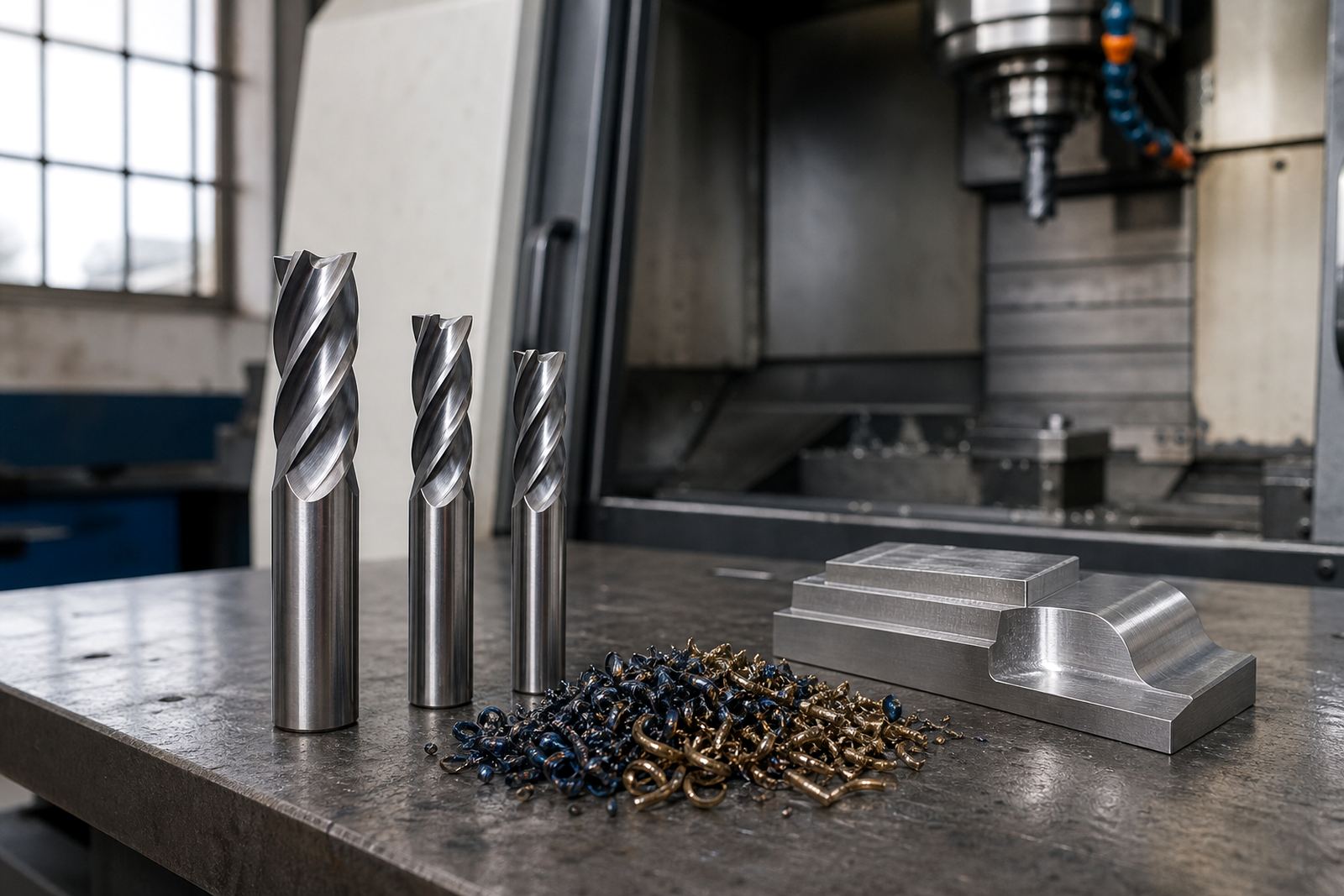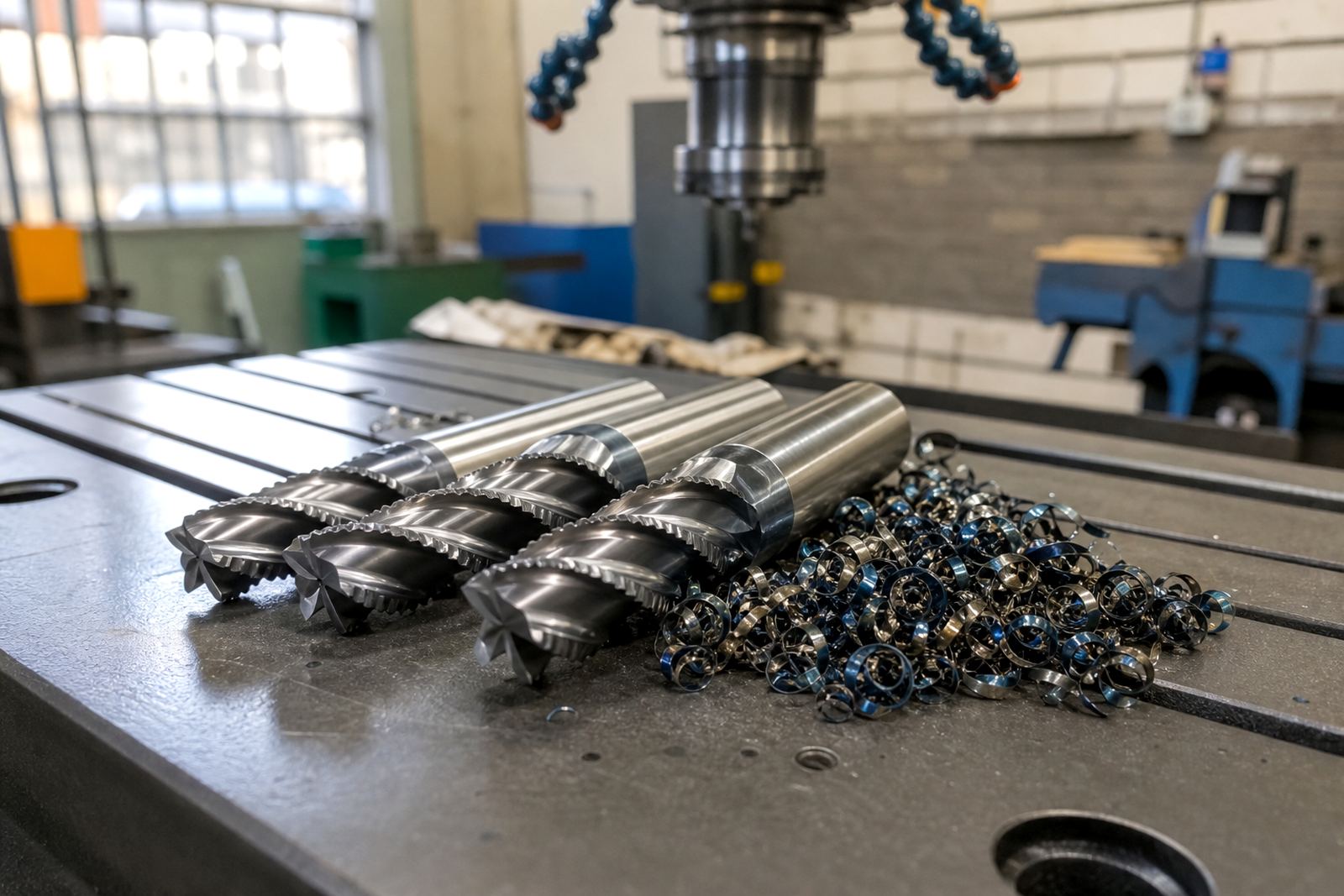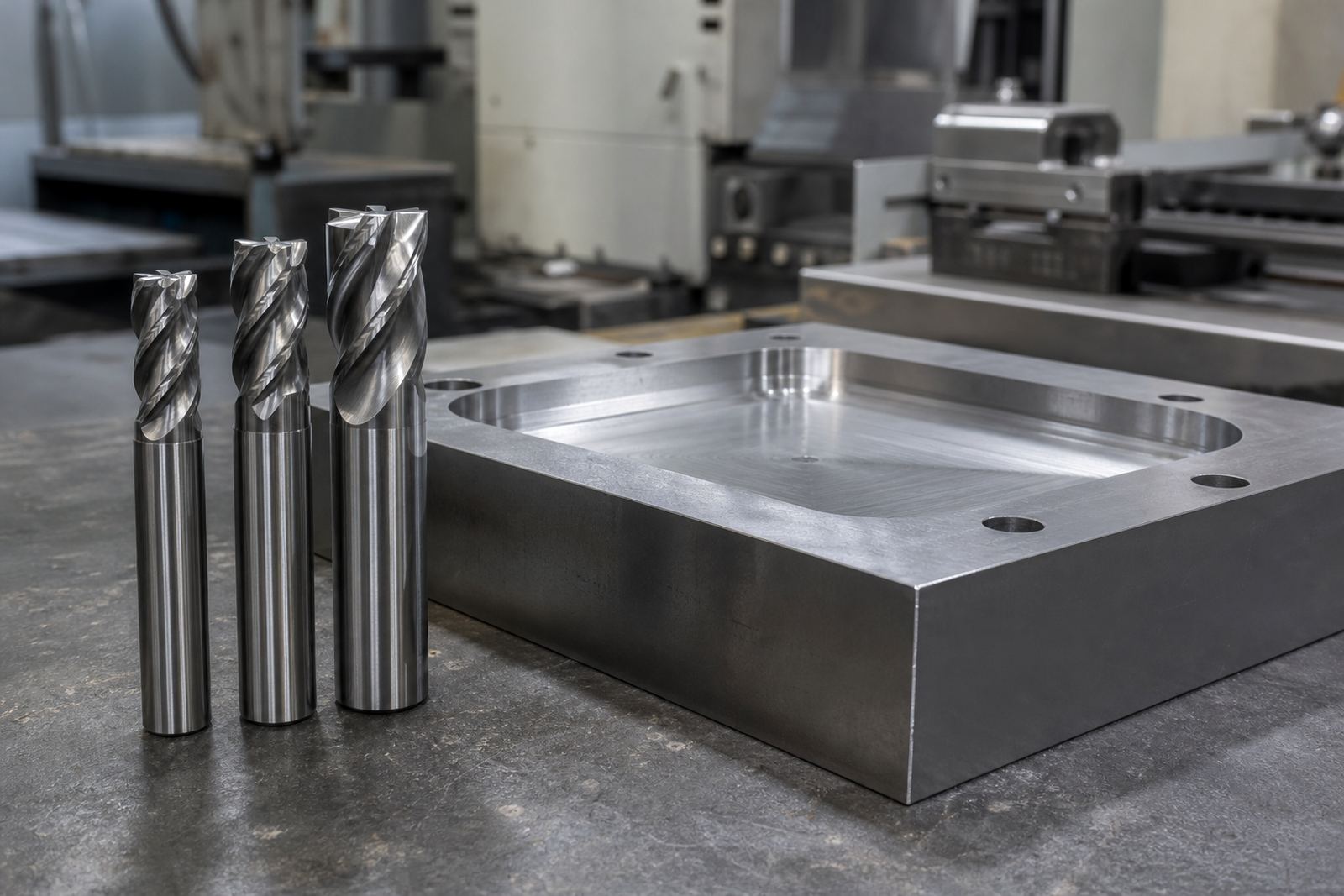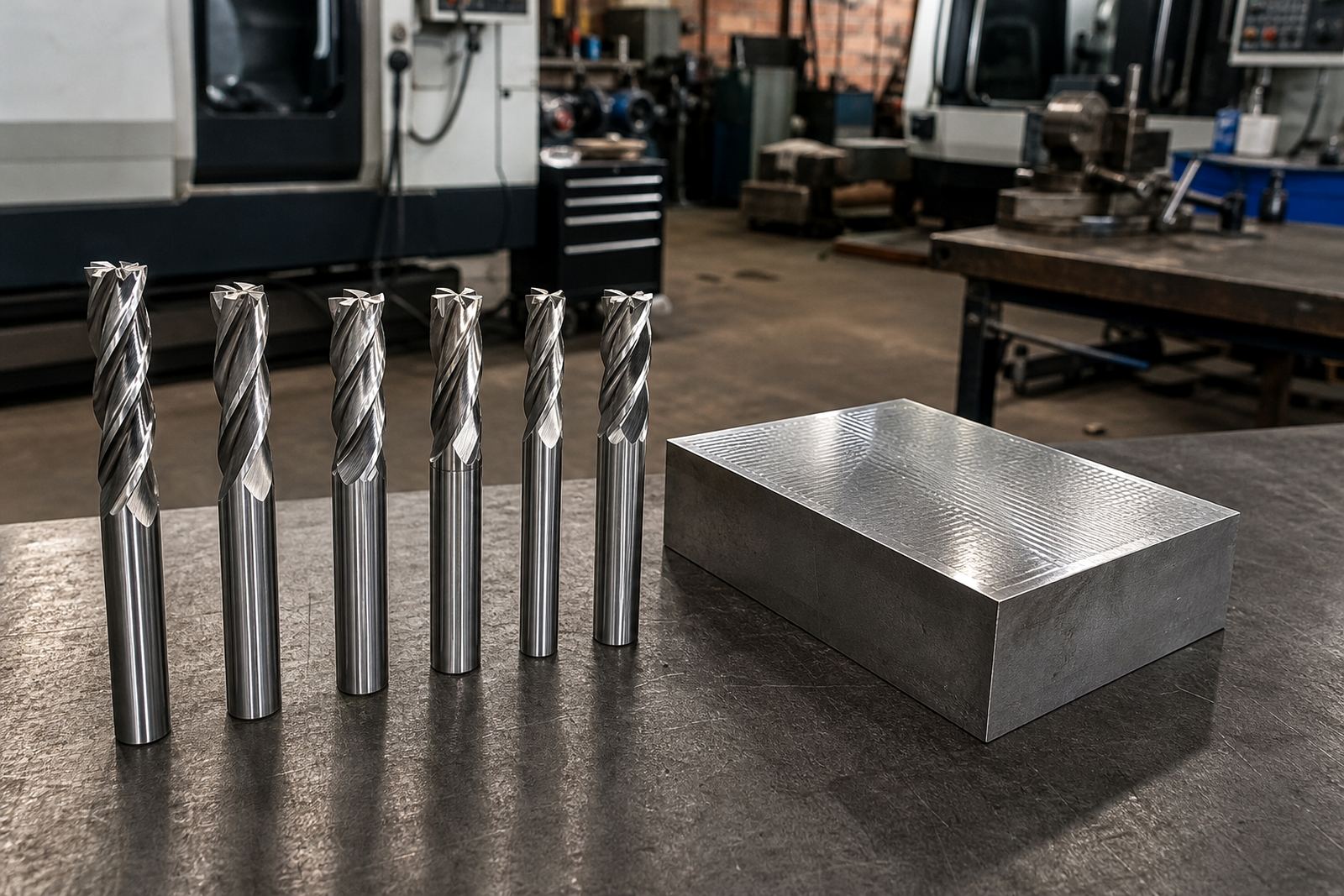
Why 6 flute mills are chosen for finishing work
6 flute mills are built for stable cutting when the job calls for a finer surface and lighter chip load. With more cutting edges around the tool, they suit finishing passes, reduced radial engagement, and parts where you want a cleaner wall or floor finish without pushing the machine too hard. In the right setup, they can improve tool life and part consistency, especially on repeat work where the same tool path is used day after day.
These cutters are not the first choice for heavy roughing in soft or gummy material. They work best where the machine is rigid, the holder is in good condition and the operator can keep chip evacuation under control. If your shop runs stainless, tool steel, pre-hardened material, cast iron or compact alloys, a 6 flute mill can be a strong option for the final stages of the process.
Sizes, lengths and coating options we supply
Our 6 flute mills are supplied in sizes that suit general CNC production, toolroom work and higher-volume machining. Common diameters run from small precision sizes through to larger finish mills, with different overall lengths and flute lengths depending on the application. We can assist with short rigid tools for better control, or longer reach tools where the job calls for extra projection and the setup allows it.
- Metric diameters commonly used for finishing and semi-finishing work
- Short, standard and extended length options
- Square end and corner radius profiles
- Bright and coated options depending on material and chip control needs
- Solid carbide construction for wear resistance and repeatable cutting
For many jobs, the best result comes from matching the tool diameter to the machine spindle, holder and available horsepower. A 6 flute tool with the wrong length or wrong coating can cut poorly, even if the diameter is correct, so we always look at the full setup not only the catalogue size.
Where 6 flute mills perform well in South African workshops
These mills suit CNC machining shops that do mould work, general engineering, precision component production and finishing on batch parts. They are often used in Johannesburg and Germiston for contract work, in Pretoria for engineering and defence related machining, and in Cape Town and Durban where humidity and material storage can affect tool condition if boxes are left open in the workshop. In coastal areas especially, proper storage matters more than many shops think.
6 flute mills are a good fit for applications such as pocket finishing, contour finishing, light slotting, 3D surface finishing and clean edge work on stable machines. They are also useful when you need a better finish before polishing, coating or assembly. If the machine is prone to chatter, the toolholder worn, or the material clamps poorly, you may need a different flute count or a shorter reach. That is where application support helps save time and scrap.
- Finishing passes on CNC machining centres
- Light high-speed cuts with controlled chip load
- Pre-finish work before grinding or polishing
- Parts that need consistent surface quality across batches
Installation, spindle setup and machine requirements
These cutters install like any other solid carbide end mill, but the setup needs to be correct if you want clean cutting and proper tool life. Use a holder that runs true, clean taper surfaces, and check that the collet or shrink fit setup grips the shank evenly. Runout should be kept as low as practical, because a finishing cutter with six flutes can still mark a part if the spindle or holder is out. A little extra attention here pays off quickly.
Machine power and rigidity matter. A 6 flute mill does not need gas, air or special utilities beyond the normal CNC machine requirements, but it does need enough spindle speed and feed control to keep the chip load right. On lighter machines, take smaller depths of cut and monitor sound, finish and chip form. On more rigid centres, you can use higher feed rates and tighter cycle times. If load shedding is a concern in your plant, it is worth keeping toolpaths and offsets well organised so the machine can restart cleanly after a stop.
- Use clean, accurate toolholders with minimal runout
- Confirm spindle speed, feed rate and coolant delivery before production
- Keep tool stickout as short as the job allows
- Test on one part first if the material or finish requirement is new
Care, inspection and storage between jobs
Solid carbide tools last longer when they are treated properly in the store room and on the machine. Keep the flutes clean, wipe off coolant residue after use, and store tools in labelled holders or trays so the edges do not knock against each other. If you machine abrasive material, inspect the cutting edge more often because wear can show up as a dull finish before the tool chips. A small nick on a finishing mill can spoil a batch very quickly.
For shops near the coast or in humid weather, sealed storage helps prevent surface staining on holders and accessory parts. If coolant is left to dry on the shank or tool seat, clean it before the next setup. Check for edge wear, flute damage and any signs of rubbing. If a tool starts pushing rather than cutting, remove it and review speed, feed and coolant, instead of forcing another run out of it.
What to check before you order 6 flute mills
To match the right tool to your job, we need a few details from your side. The material grade, machine type, holder style and required finish all affect the choice. If you can share the cutter diameter, flute length, reach, coating preference and whether the cut is finishing or semi-finishing, we can recommend a suitable option and suggest a starting point for speeds and feeds.
- Material being machined, including hardness if known
- Diameter, overall length and flute length needed
- Square end or corner radius requirement
- Coated or uncoated preference
- Machine model, spindle speed and holder type
- Whether you need stock held for repeat orders or urgent supply
Our team in Wadeville supports shops from Germiston, Boksburg, Alberton, Centurion and further afield with stock planning, technical quotations and sample tool trials. If your job needs a finish tool that is ready to work, we can help you select the right 6 flute mill instead of guessing and wasting time on the first run.
Key facts
| Tool type | Solid carbide 6 flute end mill |
|---|---|
| Use case | Finishing, light high-speed cutting and semi-finishing |
| Diameter range | Common metric sizes available, subject to stock |
| Geometry | Square end or corner radius, short and long reach options |
| Material suitability | Steel, stainless, cast iron, pre-hardened materials and selected alloys |
| Utilities required | No gas required; standard CNC spindle, coolant and air blast where used |