Centre cut mills for mixed cutting on one tool
Centre cut mills are end mills that can cut on the centreline, so they can plunge into material, ramp into pockets and still do normal side milling. In a CNC machining shop that means fewer tool changes, less handling and better flexibility when jobs shift from profiling to slotting or pocketing. For aluminium, mild steel, stainless steel and tool steel, the right centre cut mill can keep a job moving without forcing the operator to jump between a drill and an end mill.
We supply solid carbide centre cut mills for local machine shops that need consistent finish, repeatable dimensions and good wear resistance. These tools are suited to production runs, prototype work and urgent replacement on the shop floor, especially where downtime is costly and the machine must keep cutting after load-shedding or a shift change. The cutters are made for CNC use, not hand drilling, and they work best where spindle speed, rigidity and coolant are set correctly.
- Suitable for plunging, ramping and side cutting
- Available in metric sizes for common CNC setups
- Solid carbide construction for higher cutting stability
- Useful for slotting, pocketing and profile work
Sizes, flute counts and coating choices
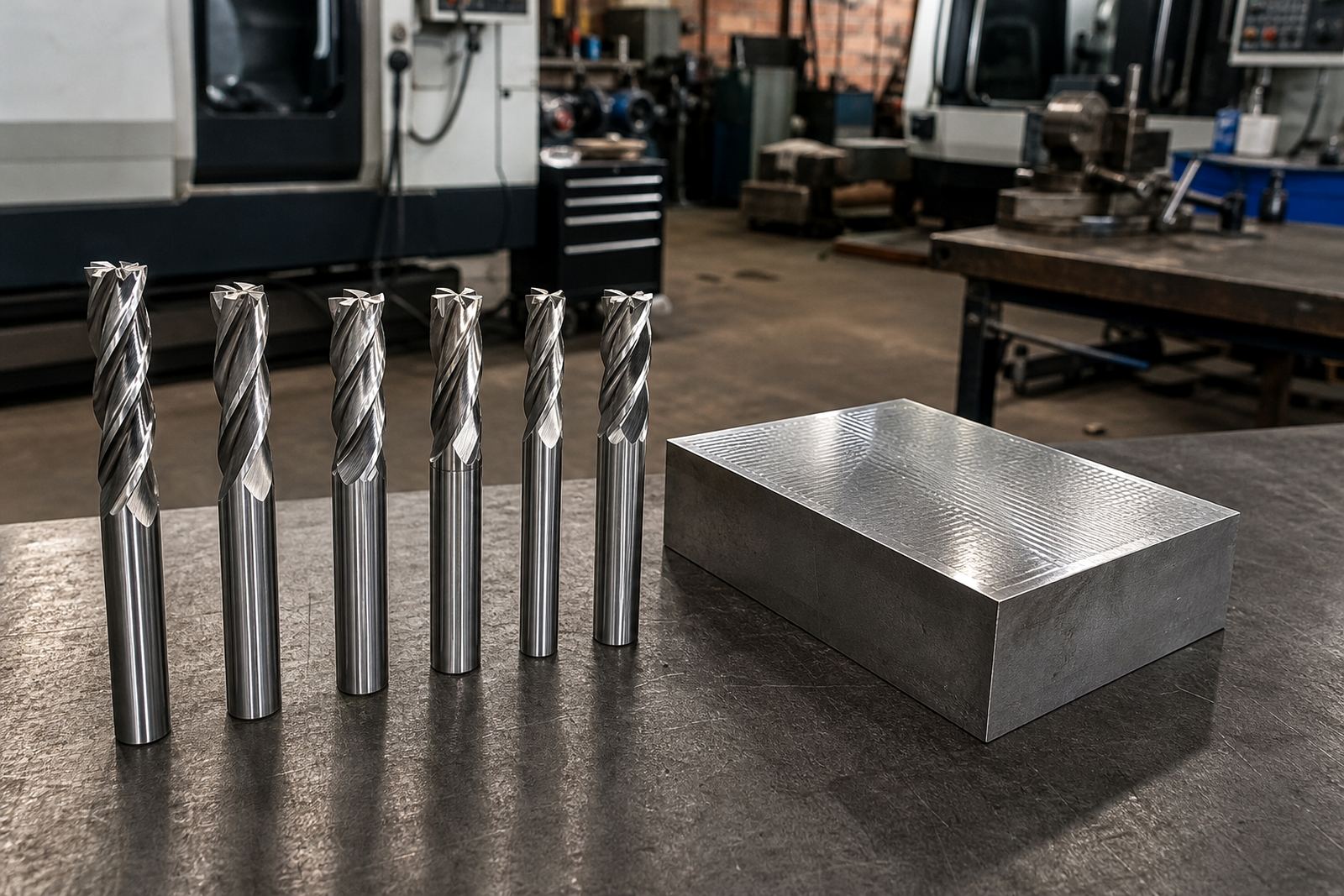
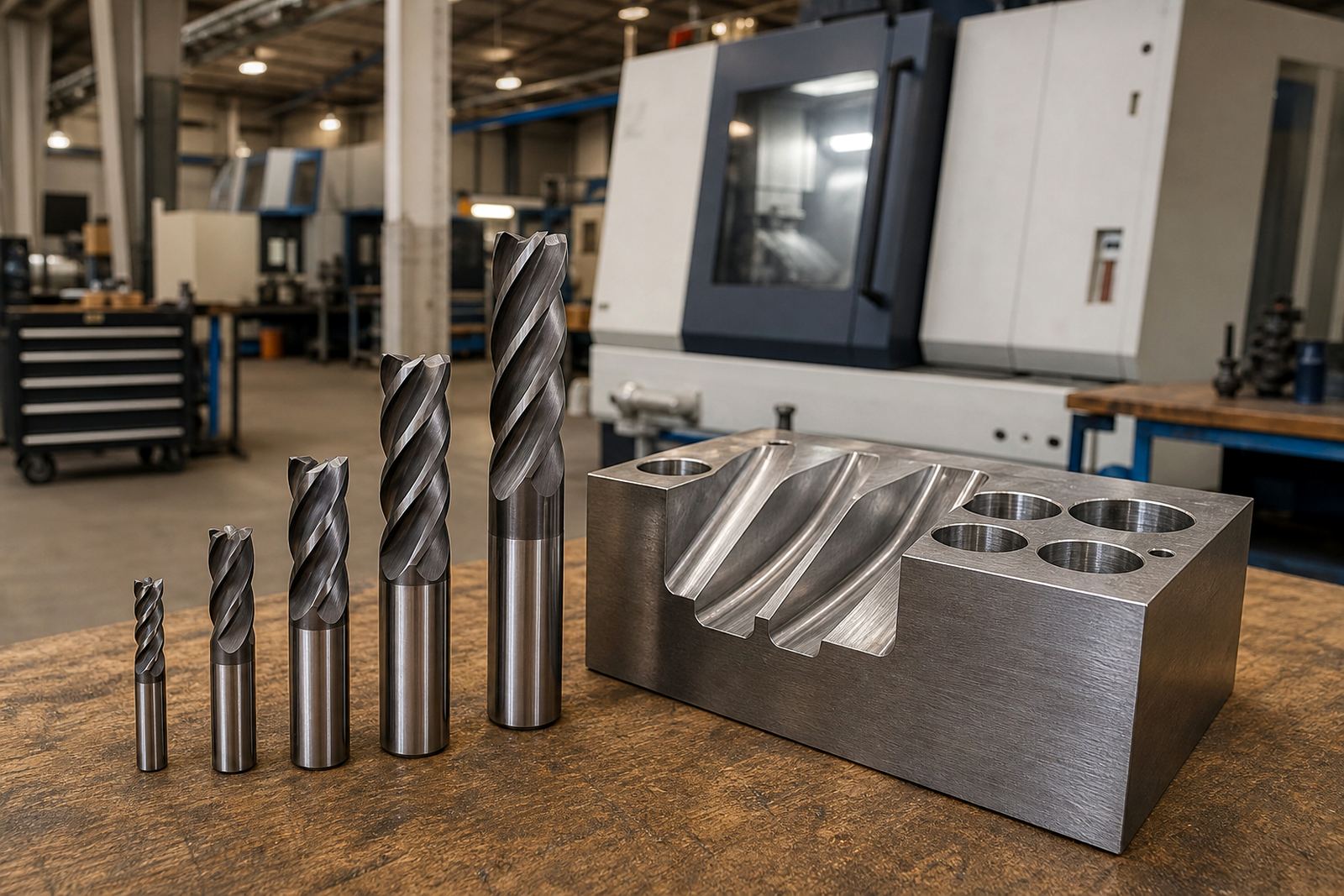
The best centre cut mill depends on material, depth of cut and how much chip clearance you need. Smaller diameters are useful for fine detail and tighter corners, while larger tools suit heavier removal and deeper pockets. Flute count matters too. Two flute tools usually clear chips better in aluminium and softer materials, while 4 flute tools often suit general steel work and better surface finish. In some jobs, 3 flute geometry gives a useful middle ground for mixed cutting.
Coating choice should follow the material and the way the machine is run. In hot, dry cutting conditions or where coolant is limited, a coating can help reduce friction and extend tool life. In coastal areas such as Durban or Gqeberha, storage and handling matter as much as the coating because humidity can affect packaging and workshop conditions if tools are left open. Keep tools clean, dry and separated so cutting edges do not nick each other.
- Common diameters from small precision sizes up to heavier stock removal sizes
- Shank options to suit standard CNC collets and holders
- Flute styles for aluminium, mild steel, stainless steel and general purpose use
- Uncoated and coated options depending on application
Where centre cut mills suit local production
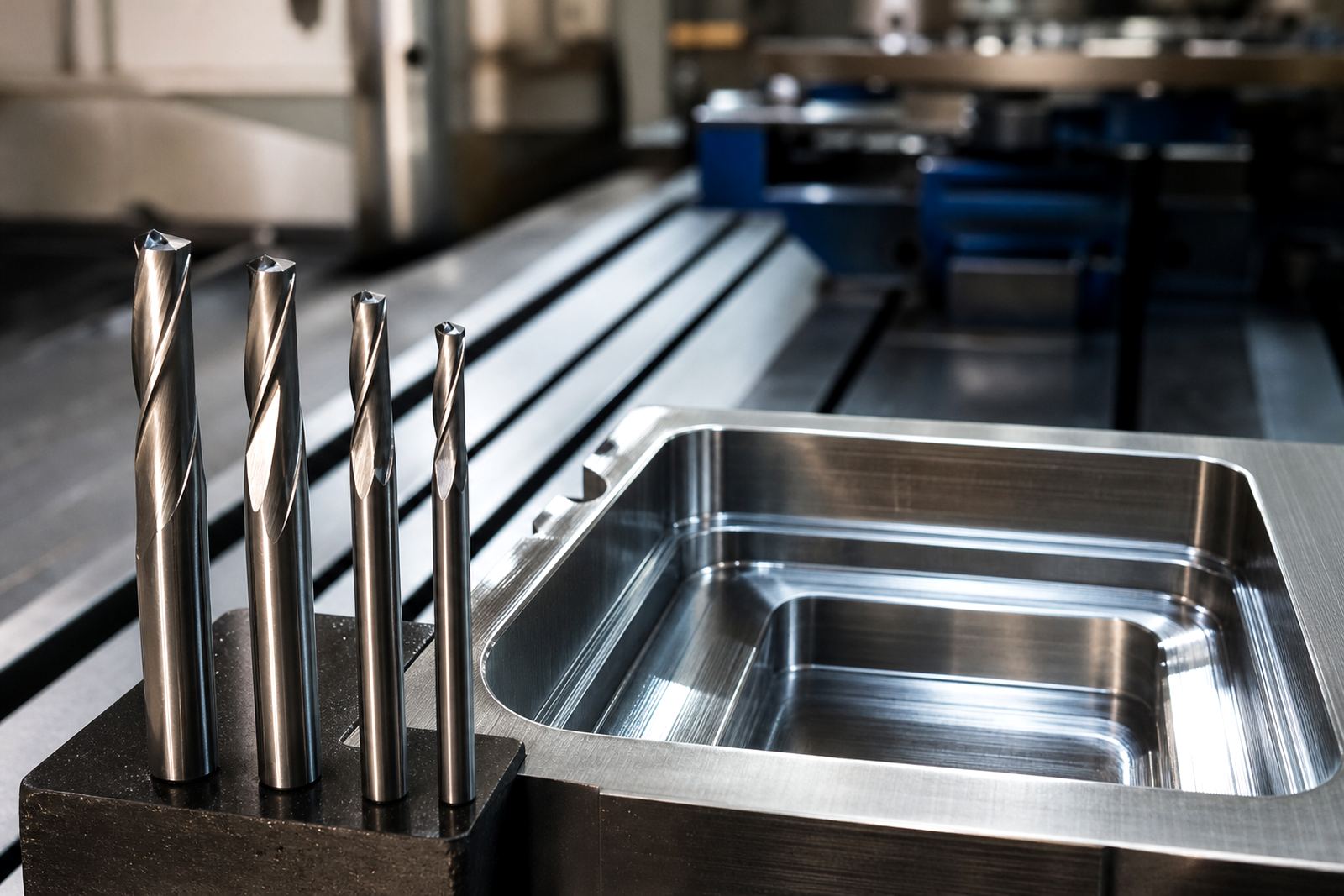
These tools suit machine shops, fabrication yards, maintenance departments and production plants that do both roughing and finishing on the same machine. They are especially useful where the operator needs to start a pocket from solid material, machine ramps into a component or do light side cutting after a plunge entry. That saves time on setup and can help on parts where drill access is limited or the drawing changes at short notice.
Across Johannesburg, Pretoria, Boksburg, Alberton and Centurion, centre cut mills are often used on mould work, general engineering parts, brackets, flanges and fixture plates. In Cape Town, Durban and Gqeberha, they also suit workshops that deal with stainless parts, marine related work and general maintenance where chip control and edge life are important. If the machine is underpowered or the setup is not rigid, a good tool still needs sensible cutting data, otherwise it will chatter and wear early.
Machine setup, power and coolant needs
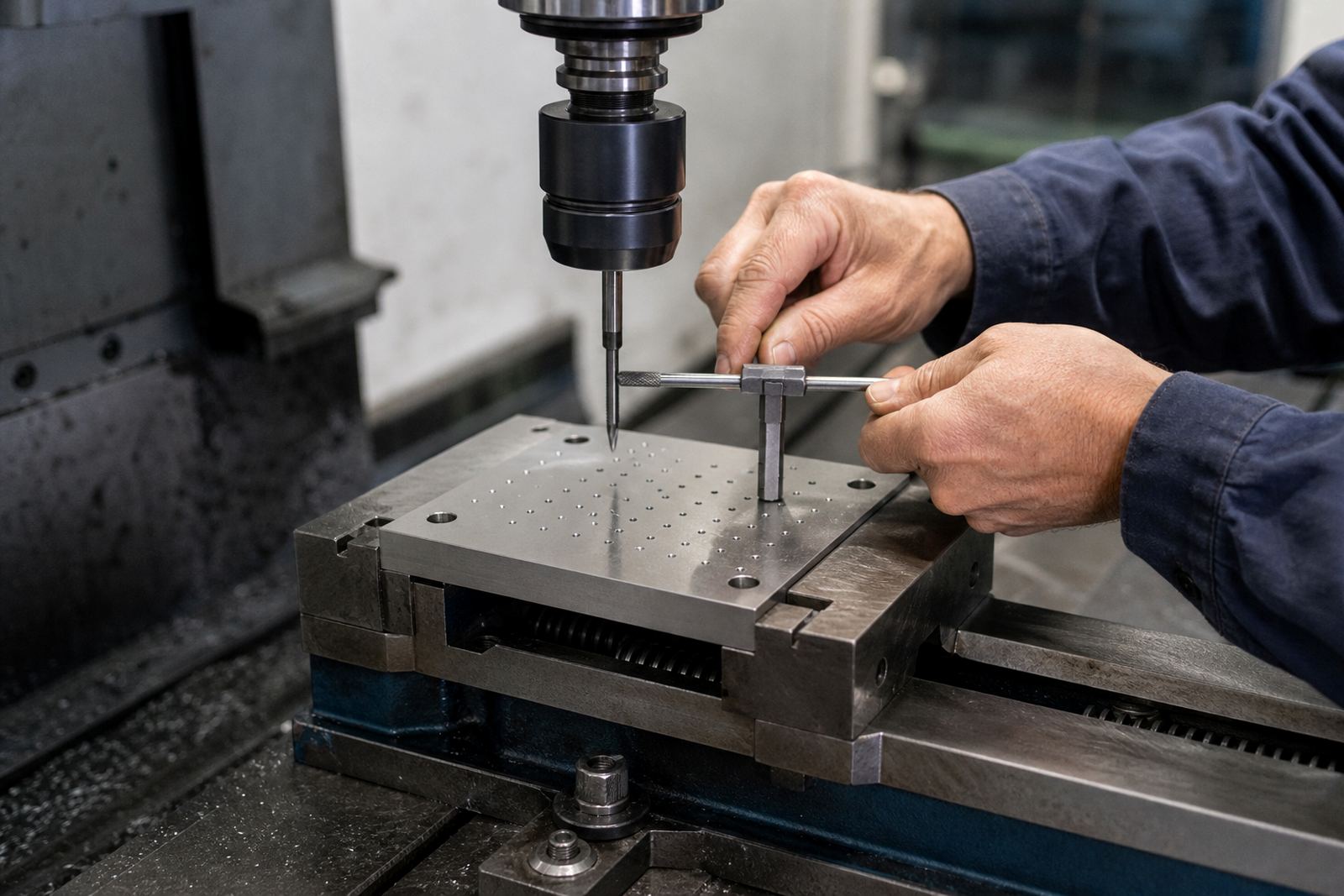
Centre cut mills do not need gas, but they do need the right spindle setup, holder condition and coolant or air management. Check runout, collet wear and spindle condition before fitting a new cutter. A worn holder can spoil a good tool very quickly, especially on small diameters. For deeper plunging or ramping, the machine must have enough spindle power and rigidity to keep the cut stable. If the machine is light duty, reduce stepdown and feed until the cut is clean and steady.
Coolant helps clear chips and reduce heat, particularly in steel and stainless steel. On dry cutting jobs, use a clean air blast where appropriate and make sure chip packing is not building up in the groove. During load-shedding recovery, operators often restart machines under pressure, so it is worth checking the toolpath and workholding before resuming a job. A damaged edge from a stopped cycle can wreck a component in minutes.
- Use a sound collet or holder with low runout
- Confirm spindle speed and feed are matched to the material
- Provide coolant or air blast for chip evacuation
- Check machine rigidity before deep plunges or long ramps
Care, reordering and tool life control
Carbide tools last longer when they are handled properly and inspected often. Do not let cutters rub in the holder, and do not store them loose in a drawer where edges can chip. After use, clean off swarf and coolant, then dry the tool before storage. In humid workshops, especially near the coast, this helps prevent staining and keeps the flute condition easier to inspect. A quick visual check after each run is better than finding a chipped edge after the next setup.
Tool life improves when feed, speed and stepdown are kept within the cutting window. If chips come off as dust in steel, the tool may be rubbing. If the edge is chipping, the cut may be too aggressive or the setup may be flexing. Many shops keep a spare on hand for critical jobs, which is sensible when production cannot stop for a replacement. We can help with stock planning and standardising the right size for repeat work.
- Inspect for edge wear, chipping and flute build-up
- Keep tools dry and separate from loose tooling
- Replace before finish quality and tolerance start drifting
- Standardise the most used sizes for repeat orders
What to confirm before you order
Before placing an order, check the material, slot width, pocket depth, machine type and whether the tool needs to plunge straight in or ramp in. Also confirm the shank size your holder accepts, the flute count you want and whether the job is roughing, finishing or both. If the component has thin walls or requires a fine surface, that affects the geometry and the cutting strategy. For a quote, it helps to send the drawing, the material grade and the current tool data if you have it.
Our Germiston team works with CNC machining shops across South Africa and can assist with tool selection, application support, speed and feed advice, tool life optimisation and urgent tool supply. Marius van der Merwe leads the business from Wadeville, with support from Lerato Mokoena, Johan Smit, Anele Dlamini, Priya Naidoo, Thabo Molefe and Zanele Khumalo. If you need a centre cut mill for a new job or to replace a worn tool, use the enquiry form on our contact page and include the details that matter, not just the diameter.
- Material grade and hardness
- Cutting diameter, flute count and shank size
- Required depth of cut and whether plunging is needed
- Machine model, holder type and coolant setup
Key facts
| Type | Solid carbide centre cut end mill |
|---|---|
| Cutting action | Plunge, ramp and side cut |
| Common materials | Aluminium, mild steel, stainless steel, tool steel |
| Flute options | 2 flute, 3 flute and 4 flute profiles |
| Use | CNC machining centres and general engineering |
| Supply areas | Germiston, Johannesburg, Pretoria, Cape Town, Durban, Gqeberha |