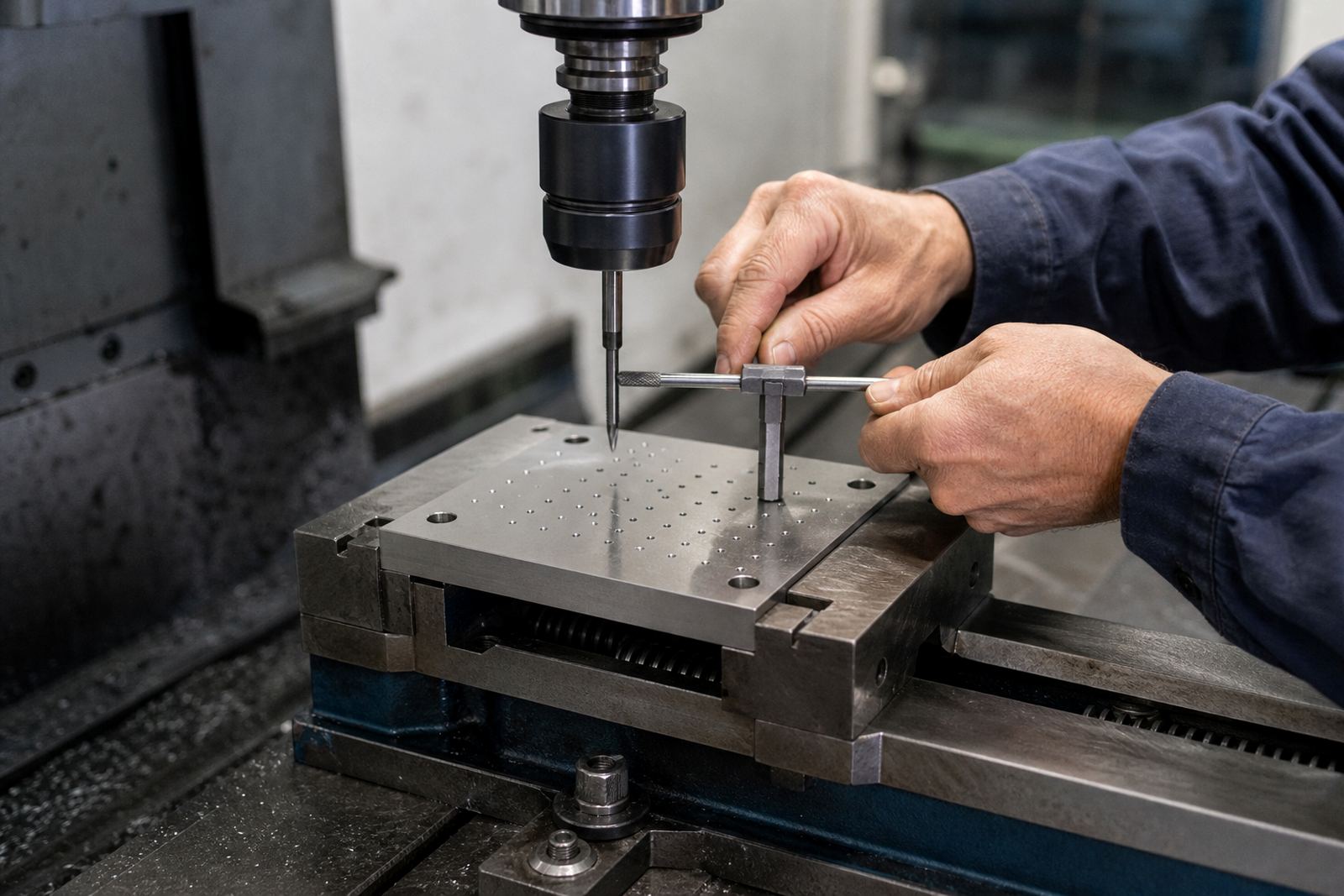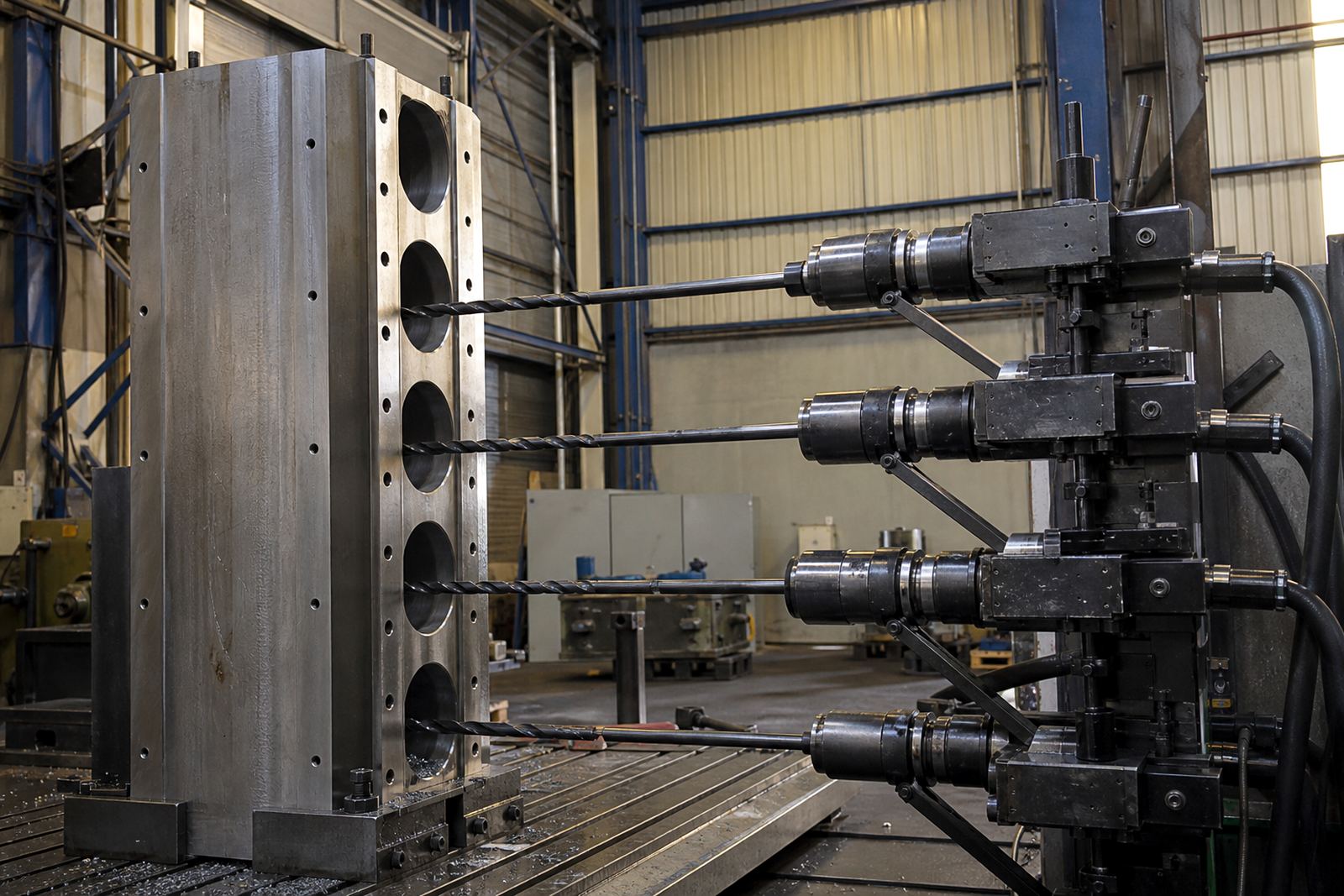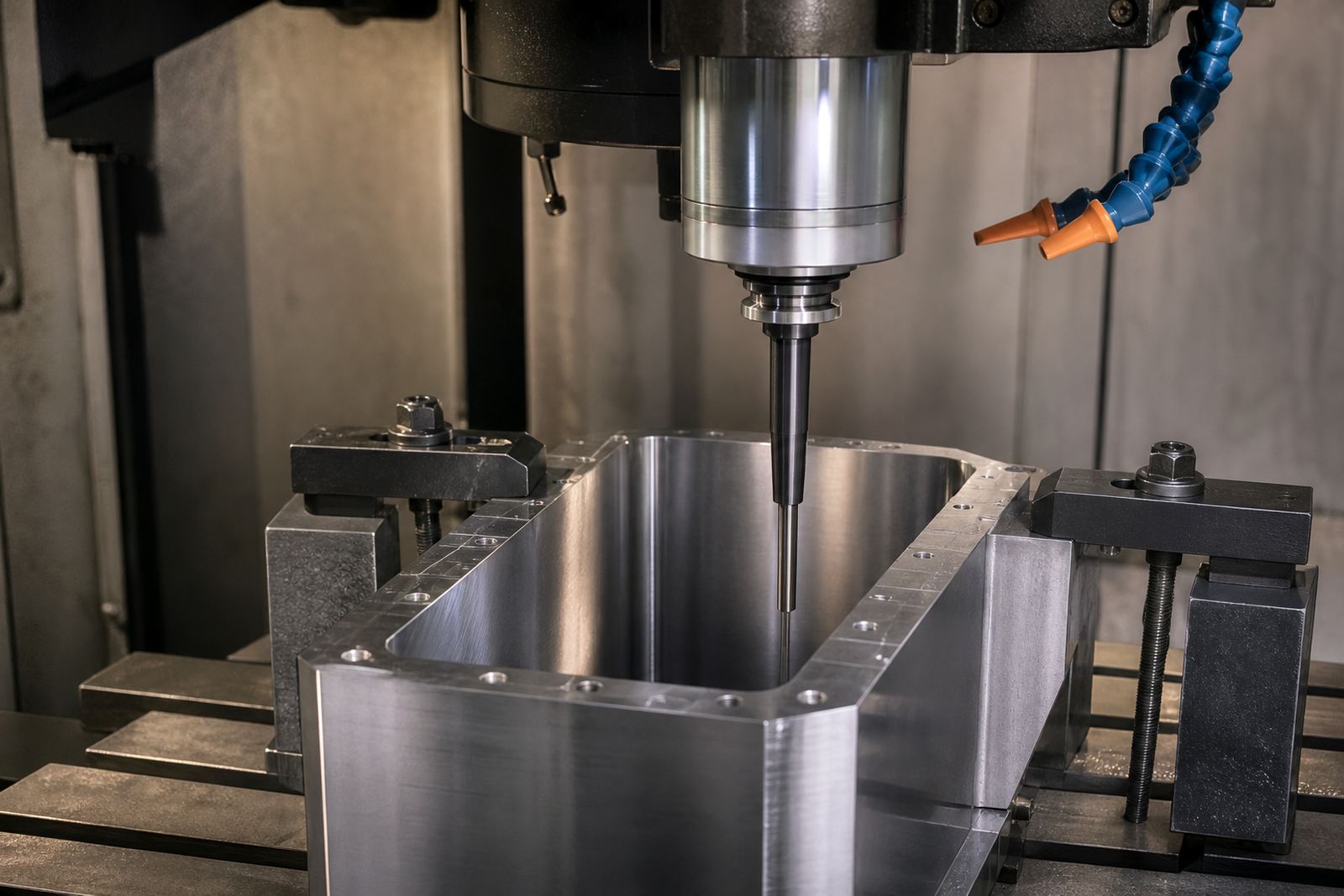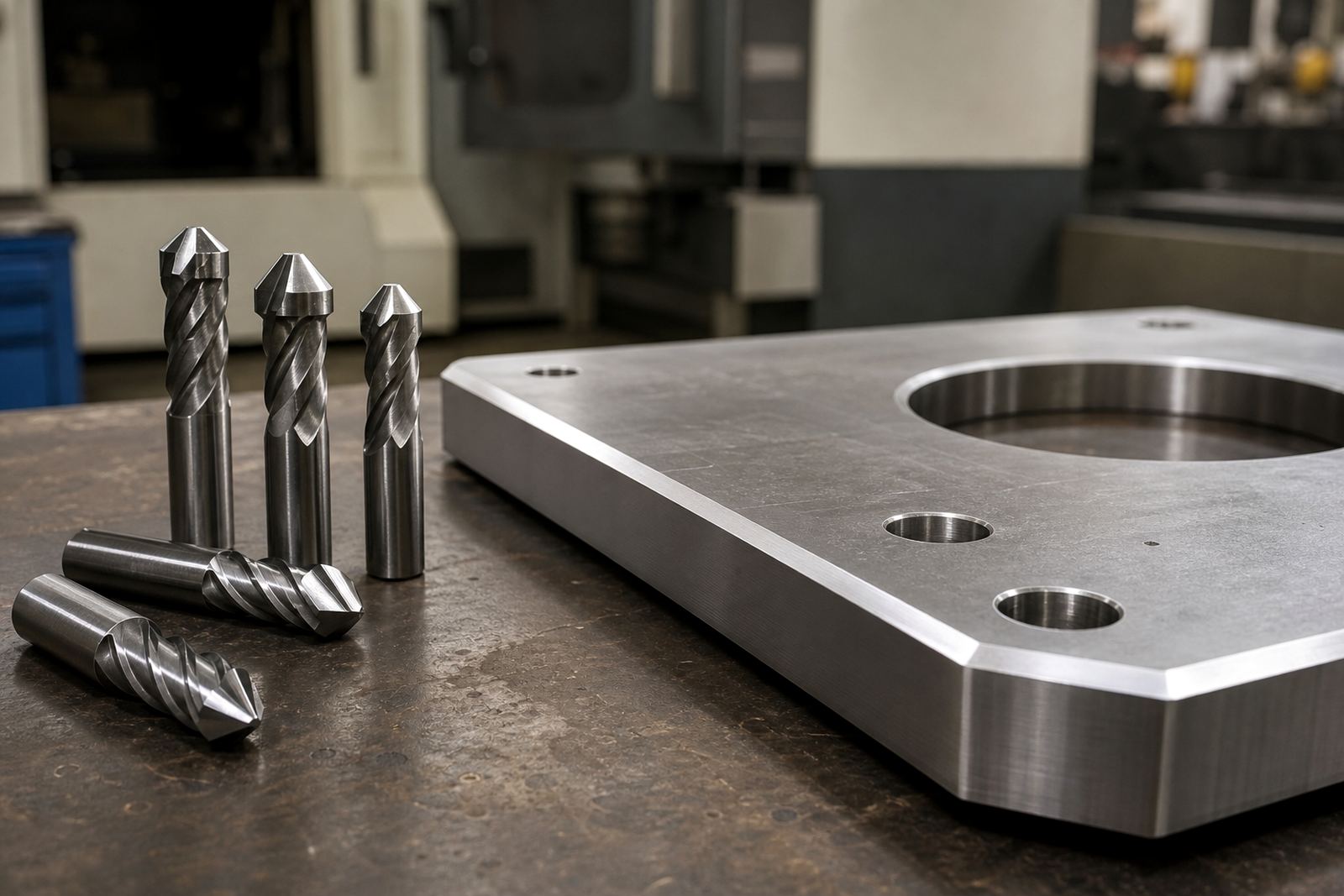
What chamfer mills do on the machine
Chamfer mills are solid carbide cutting tools used to create a controlled bevel on the edge of a part. They are used for edge breaking, countersinking screw heads, removing burrs after machining and putting a tidy lead-in on holes, slots and profiles. On busy CNC jobs, they save time because the chamfer is cut in the same setup instead of moving the job to a separate deburring station.
In local machining shops, these tools are common on aluminium components, mild steel brackets, stainless parts, tool plates and general engineering work. They suit production runs where repeatability matters, especially when the drawing asks for a clean 45 degree edge or a specific chamfer width. A well selected chamfer mill helps keep edges consistent across batches, even when you are running long shifts with load-shedding backups and a tight delivery window.
For shops in Johannesburg, Pretoria, Cape Town, Durban and Gqeberha, the right chamfer tool can reduce hand finishing, improve part presentation and lower the risk of sharp edges causing handling issues. It also helps with assembly, since a lead-in chamfer can make fasteners, pins and mating parts easier to fit.
Sizes, angles and tool options to match the job
Chamfer mills are available in different body diameters, flute counts and point angles. The common options are 90 degree and 60 degree tools, with other angles used where the drawing or thread form calls for it. A 90 degree tool is often used for countersinking and general chamfering, while a 60 degree tool suits sharper edge finishing and certain detail work. The cutting diameter and length of cut must match the space around the feature, especially on stepped parts or deep pockets.
We supply solid carbide chamfer mills for CNC machining centres where precision matters. Depending on the job, you may choose between single end tools for light work, or more rigid options for higher feed and better tool life in production. Some jobs need long-reach variants for deep access, while others need short, stiff tools to keep chatter down on thin-wall work. A good match between tool geometry and material can make the difference between a neat chamfer and a ragged edge.
- Common angles: 30 degree, 45 degree, 60 degree and 90 degree
- Typical sizes: 1 mm to 20 mm cutting diameters, depending on the profile
- Use cases: countersinks, edge breaks, deburring and chamfered grooves
- Material support: aluminium, mild steel, stainless steel and general engineering alloys
- Tool styles: short reach, long reach, multi flute and precision point tools
Where chamfer mills suit best in South African workshops
These tools suit CNC shops doing production machining, maintenance parts, contract manufacturing and small batch engineering. They are practical in industries that want a neat finished edge without spending extra labour on hand deburring. In Gauteng, where many shops run mixed material jobs through the same day, chamfer mills are useful because they handle a wide range of components with a small change in setup.
They are also a good fit where parts must meet quality checks before dispatch. For example, machined housings, brackets, flanges, pump parts and fabricated plates often need edge treatment after milling or drilling. Coastal humidity in Durban and Gqeberha can also affect storage and tool handling, so keeping carbide tools dry and properly packed helps maintain performance. On stainless jobs, the correct chamfer mill can reduce heat build-up and keep the finish cleaner, which is useful when the part will be handled or visible in the final assembly.
These tools are typically used on CNC machining centres with stable spindle condition, correct tool holders and proper workholding. They are not a substitute for poor setup. If the part moves, the chamfer will wander. If the tool is too long, the edge may chatter. The right approach is to match the tool to the machine, the material and the feature size, then set the feed and speed properly from the start.
Installation, spindle setup and power needs
Chamfer mills do not need gas, coolant gas or any special utility beyond normal CNC machine support. They need a machine with the correct spindle taper, suitable holder, good concentricity and enough spindle speed for the tool diameter. On machines affected by load-shedding, stable backup power for controls and coolant systems is important, but the tool itself has no gas requirement. What matters is clean clamping, correct tool stickout and safe clearance around the part.
Before running, check that the holder grips the shank properly and that the tool is seated without damage. The machine should be programmed with the correct angle compensation and chamfer depth. A small error in depth can change the finished bevel by a lot, especially on thin sheet or fine detail work. For first runs, cut a test piece and confirm the edge width against the drawing or sample.
- Use a rigid holder with low runout for best finish
- Keep stickout as short as possible for the job
- Check spindle speed, feed and plunge rate before production
- Use coolant or air where the material and chip control require it
- Confirm toolpath lead-in and lead-out so the edge is not marked
Tool care, wear signs and servicing practice
Solid carbide chamfer mills last longer when they are kept clean, dry and used within the right cutting range. After use, remove chips and cutting fluid, then store the tools in their holders or sleeves so the cutting edges do not knock against each other. Carbide is hard, but it will chip if dropped on the floor or tapped against steel stock. In a busy workshop, that kind of damage often shows up later as poor finish or a small burr that should not be there.
Watch for signs of wear such as a dull edge, more cutting noise, a slight burr left behind, or the need to push the feed harder to keep the same result. If that happens, the tool may still cut, but the finish will suffer and cycle time may go up. Shops that run stainless or abrasive materials should inspect tools more often, because edge wear can show faster than on aluminium. A small amount of mist or coolant residue is normal, but built-up chip packing should be cleared before the next run.
We can assist with tool life optimisation, speed and feed advice and sample tool trials so that a chamfer mill is not being overworked. That is especially useful where a customer wants one tool to do too many jobs, which usually ends up costing more in the long run. Proper matching of geometry and material gives better life and steadier output, even on shift work and urgent call-offs.
What to check before you order chamfer mills
Ordering the right chamfer mill starts with the drawing and the material. The angle, chamfer width, hole diameter and required finish all affect the choice. If the feature is on a drilled hole, the drill size and the required countersink depth must be checked carefully. If the edge is external, make sure there is enough clearance for the cutter body and holder. A tool that looks close on paper can still fail in a real fixture if there is not enough space.
For quoting and supply, we normally need the material type, machine type, spindle speed range, toolholder style, feature size and whether the job is production or one-off. If you are matching an existing tool, send the old tool details or a sample part if that is practical. For shops in Boksburg, Alberton and Centurion, we also help with stock planning so the right sizes are on hand before the job runs out. It saves time when an urgent order lands on a Friday afternoon and the machine must keep going through the weekend.
- Material being cut: aluminium, mild steel, stainless or alloy steel
- Required angle and chamfer width from the drawing
- Tool diameter, flute count and reach needed for access
- Machine type, holder type and spindle speed range
- Whether you need stock for repeat production or a single batch
If you are unsure, send the part details through the enquiry form on our contact page and we will help match the tool to the job. Clear information upfront usually means fewer interruptions later, and a better result on the first run.
Key facts
| Material | Solid carbide |
|---|---|
| Common angles | 30 degree, 45 degree, 60 degree, 90 degree |
| Applications | Edge breaking, countersinking, deburring, chamfering |
| Machine type | CNC machining centres |
| Typical work materials | Aluminium, mild steel, stainless steel, general engineering alloys |
| Supply area | Germiston, Johannesburg, Pretoria, Cape Town, Durban, Gqeberha and nationwide |