Extended reach for deep cavities and narrow access
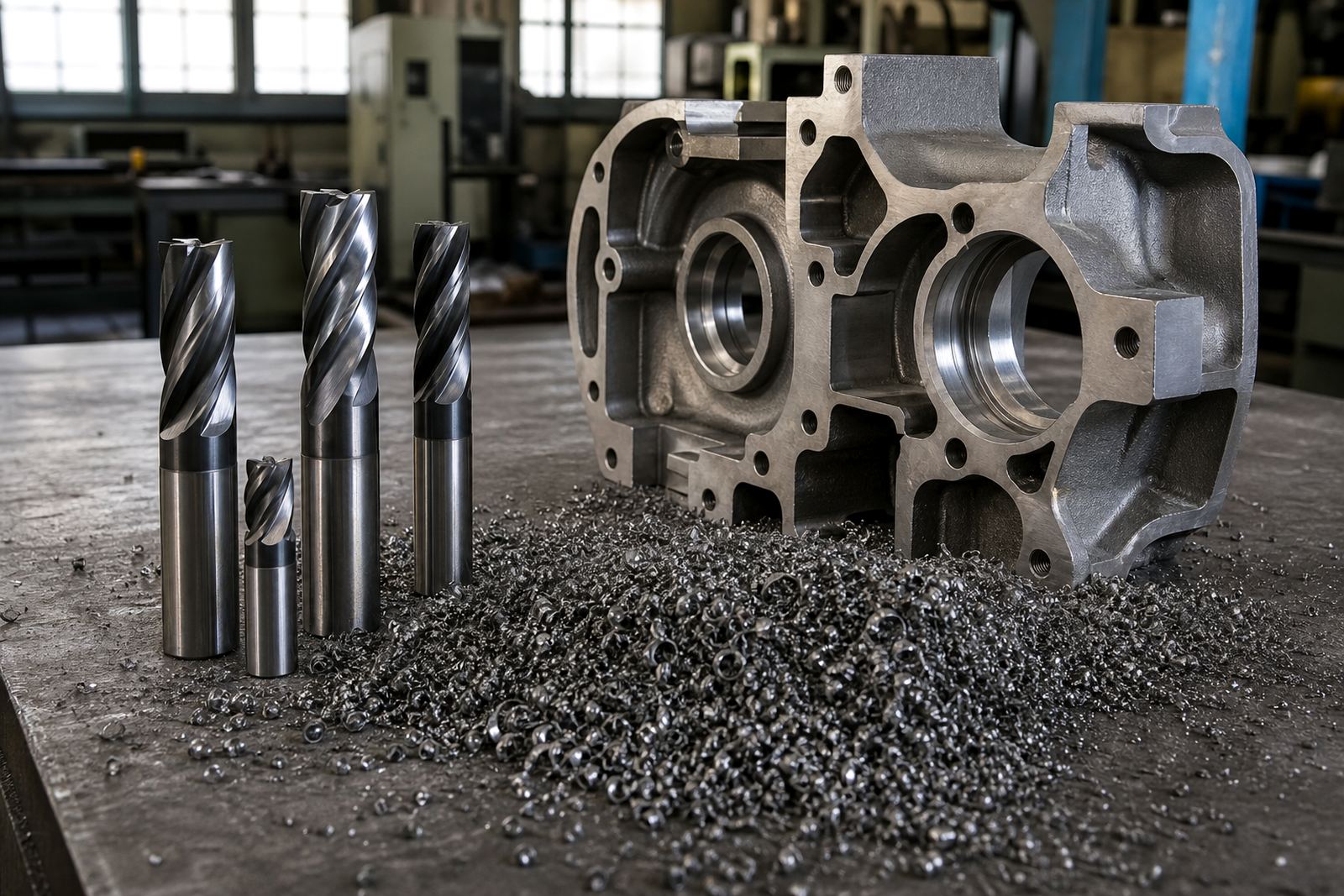
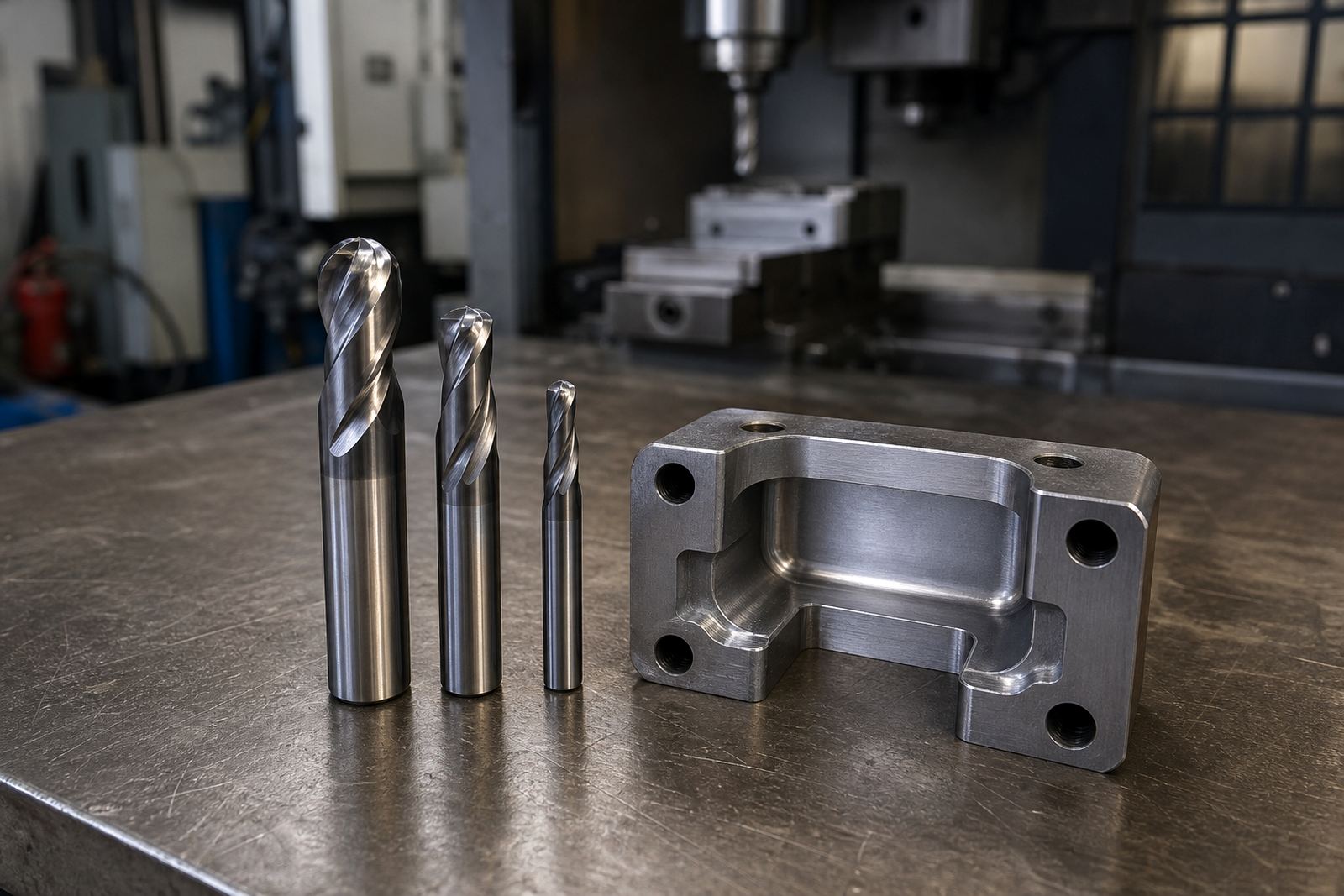
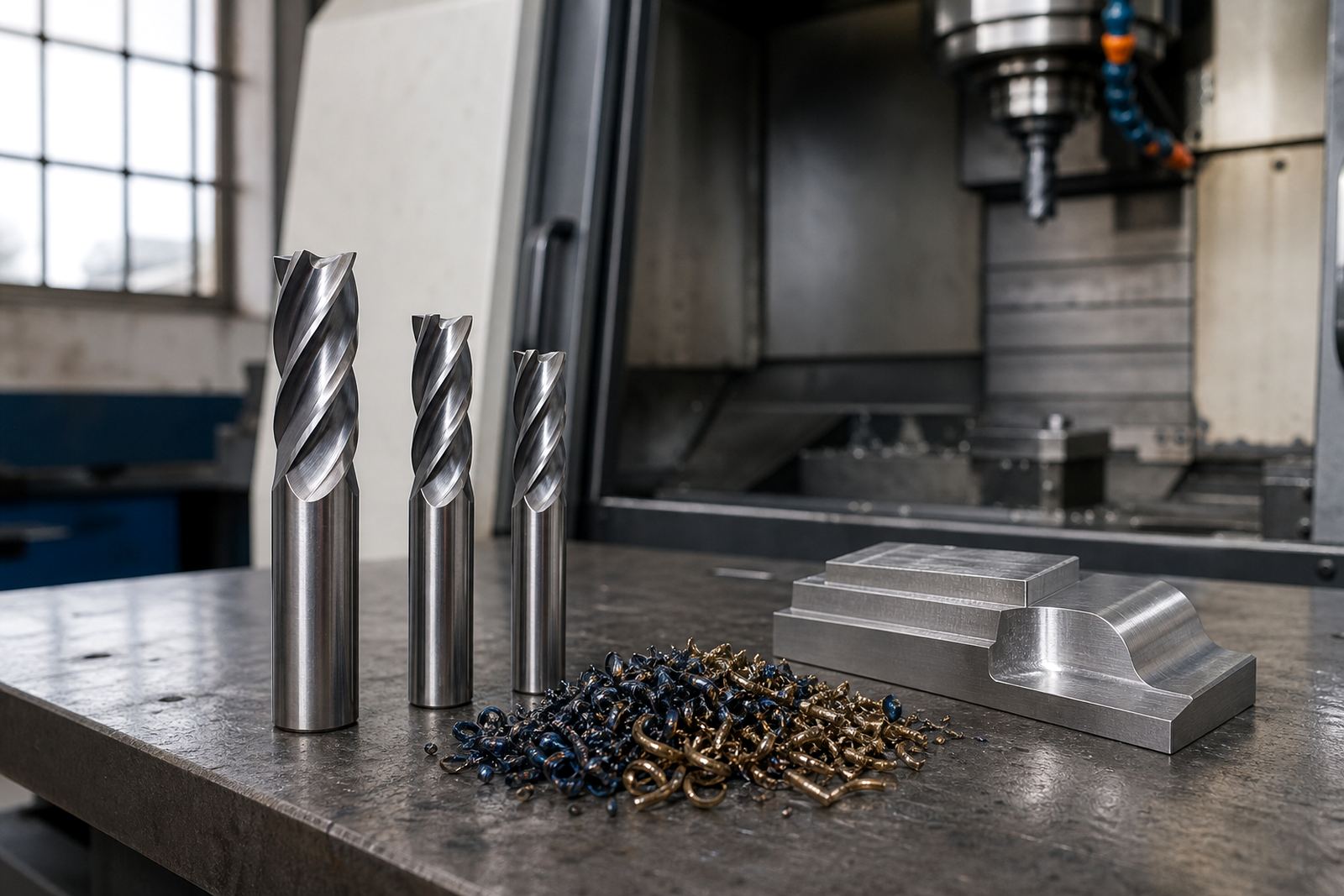
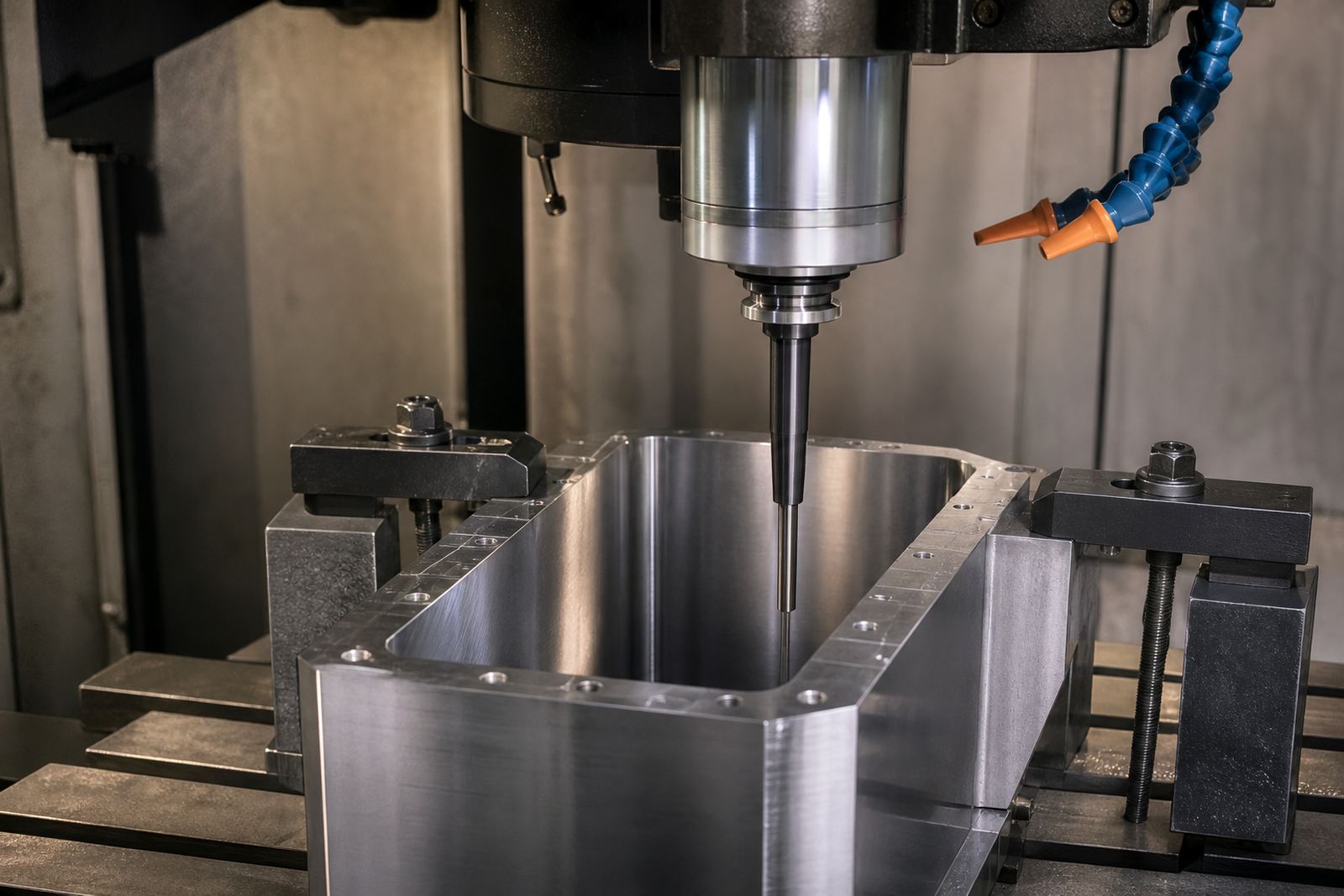
Long reach mills are solid carbide end mills with a longer flute and overall length than standard cutters, so the tool can get into deep cavities, tall walls and recessed features without leaving untreated material behind. They are commonly used on CNC machining centres in Johannesburg, Pretoria, Cape Town, Durban and Gqeberha where parts need accurate profiling, slotting, pocketing and finishing in one setup. Because the cutting edge sits further from the holder, rigidity becomes more important than on shorter tools, so the right diameter, neck relief and stick-out need to be matched to the job.
These cutters are a practical choice for mould and die work, fixture plates, engineering components, aluminium housings, stainless parts and general production work where access is tight. On the shop floor, they help reduce extra setups and save time on manual rework. If the part has a deep pocket, a long bore entry or a thin wall near the machining area, a long reach mill can often do the job better than a standard length tool, provided the feed and speed are set correctly.
Available sizes, flute styles and reach options
CuTools Carbide supplies long reach mills in a range of diameters and flute lengths to suit light finishing and heavier material removal. The most common sizes are used for 3-axis and 4-axis CNC machining, with options that suit both roughing and fine finishing. Selection depends on the depth of cut, material type and how much tool overhang the machine can handle without chatter.
- Diameter ranges commonly used from 1 mm to 20 mm for small detail work through to larger cavity machining
- 2 flute options for aluminium and non-ferrous materials where chip clearance matters
- 3 flute and 4 flute options for steel, stainless steel and mixed production work
- Long flute and extra-long flute versions for deeper reaches where standard cutters are too short
- Square end, corner radius and ball nose forms for profiling, finishing and 3D surface work
For high-speed work in softer materials, a polished flute can help with chip flow and surface finish. For tougher materials, a coated solid carbide tool usually gives better wear resistance and a steadier edge over longer runs. The correct option depends on the machine spindle, clamping method and how aggressive the cut needs to be.
Best use cases in South African CNC shops
Long reach mills suit production shops, prototype rooms and maintenance workshops that machine parts with deep features or difficult access. They are often used in sectors such as general engineering, packaging equipment, mining support components, agriculture, automotive suppliers and small batch manufacturing. In coastal areas like Durban or Gqeberha, shops often need to watch storage conditions closely because humidity can affect tool condition and packaging if it is left open for too long.
They work well where a shorter tool would force extra clamping changes or leave an uncut corner at the bottom of a cavity. That can make a difference on urgent jobs, especially when load-shedding affects machine time and there is pressure to complete more in one run. Good tool choice helps keep the machine cutting instead of waiting for another setup or a manual touch-up.
- Deep pockets and recessed slots
- Long wall finishing where access is limited
- Complex mould and die features
- Fixture and jig machining
- Prototype parts with irregular geometry
Setup, machine requirements and power needs
Long reach mills do not need gas or special site services. They are used on standard CNC machining centres with suitable spindle speed, coolant delivery and rigid toolholding. What matters is the machine setup and the way the tool is loaded into the holder. A long tool needs enough grip length in the collet or chuck, and the overhang should be kept as short as the job allows. If the stick-out is excessive, chatter, edge wear and poor finish can happen very quickly.
For best results, use a balanced holder where possible, check spindle taper cleanliness and make sure coolant reaches the cut. On some jobs, an air blast or through-coolant setup helps clear chips from deep pockets. Shops running on backup power during load-shedding should confirm that spindle speed recovery and coolant flow remain stable after switchover, because interrupted cutting can mark the work and shorten tool life. Small issues like a loose holder or poor tool height setting can waste a good cutter in minutes.
- Use the shortest safe stick-out
- Check runout before first use
- Match spindle speed and feed to material hardness
- Use proper coolant or chip evacuation
- Verify holder grip and torque before the run
Care, servicing and tool life control
Solid carbide long reach mills should be handled carefully from the moment they leave the pack. Carbide is hard but brittle, so dropping a tool onto a steel bench or mixing it loosely with other cutters can chip the cutting edge. Store tools in labelled holders or trays, keep them dry and wipe off coolant after use. In workshops near the coast, a light protective oil on unused stock can help during humid weather.
Tool life depends on the material, machine condition and the cut settings. If the edge starts to wear, the first signs are usually a change in sound, more burrs or a slight loss of finish. The tool should be checked before it begins to rub. Regular inspection of flute wear, edge chipping and built-up material helps prevent a bad part from moving through the whole batch. For repeat jobs, keeping the same feed, speed and coolant method makes it easier to standardise output and plan stock properly.
What to confirm before placing an order
Before ordering long reach mills, it helps to confirm the exact machining task so the tool matches the part and the machine. The best choice for a deep aluminium pocket is not always the same as the best choice for a stainless steel slot, and a small change in flute count or neck length can make a big difference to performance. If the wrong tool is supplied, the job may still run, but the finish, cycle time and tool life can suffer.
When sending an enquiry through the contact form, include the material, part drawing, depth of cut, spindle type and whether the job is roughing, finishing or both. If you have an existing tool that worked well, share the dimensions and any wear notes. CuTools Carbide can help with tool selection, speed and feed advice, sample tool trials, urgent tool supply and technical quotations for shops from Germiston to Cape Town.
- Material type and hardness
- Required diameter, flute length and overall length
- Coating preference if any
- Machine type, spindle speed and holder style
- Cutting strategy and finish requirement
Key facts
| Product type | Solid carbide long reach end mills |
|---|---|
| Diameter range | 1 mm to 20 mm |
| Flute options | 2 flute, 3 flute and 4 flute |
| Reach styles | Long flute and extra-long flute options |
| Material use | Steel, stainless steel, aluminium and general engineering alloys |
| Typical applications | Deep pockets, cavities, slots, profiling and finishing |