Extended-length drills for deeper holes and tight access
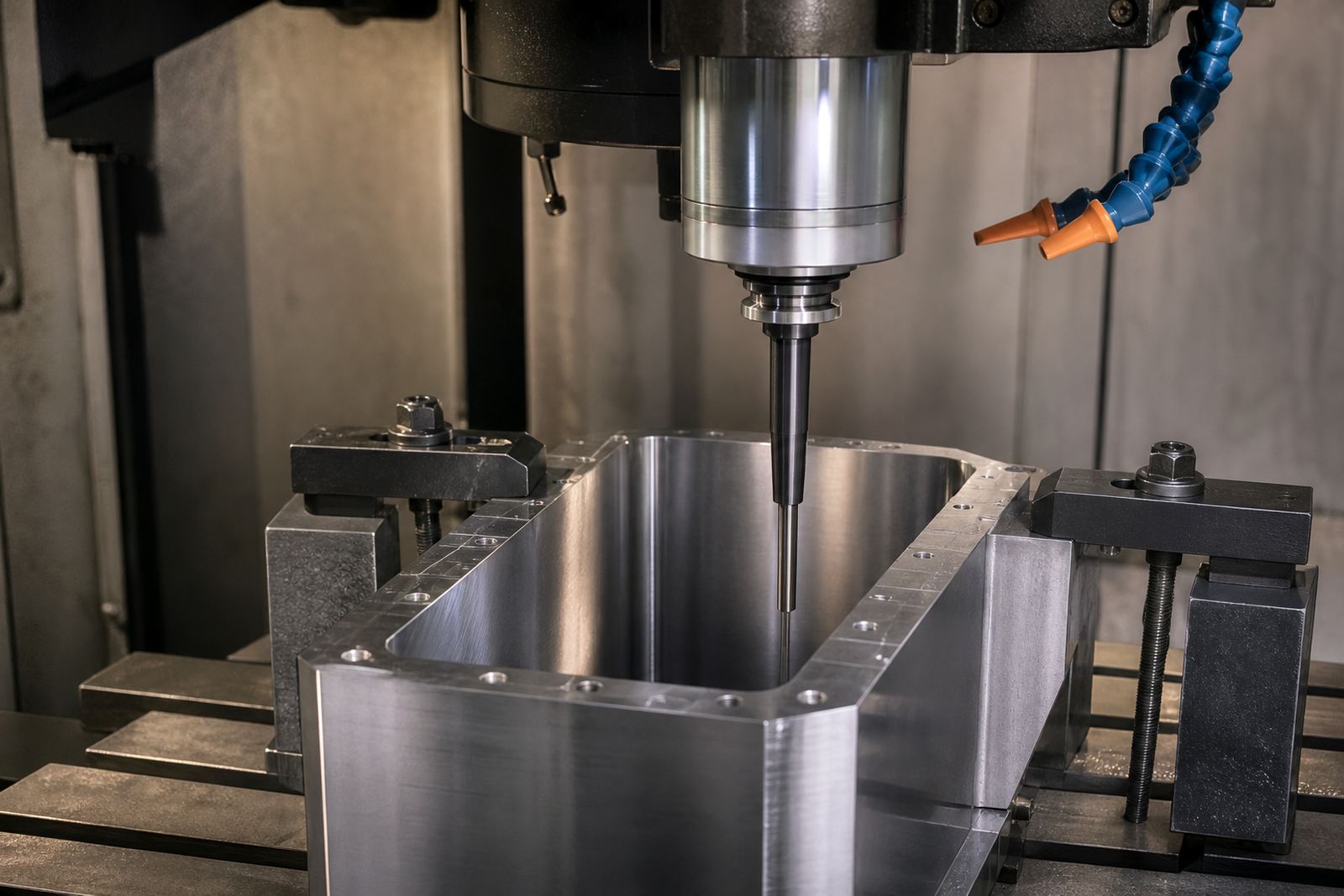
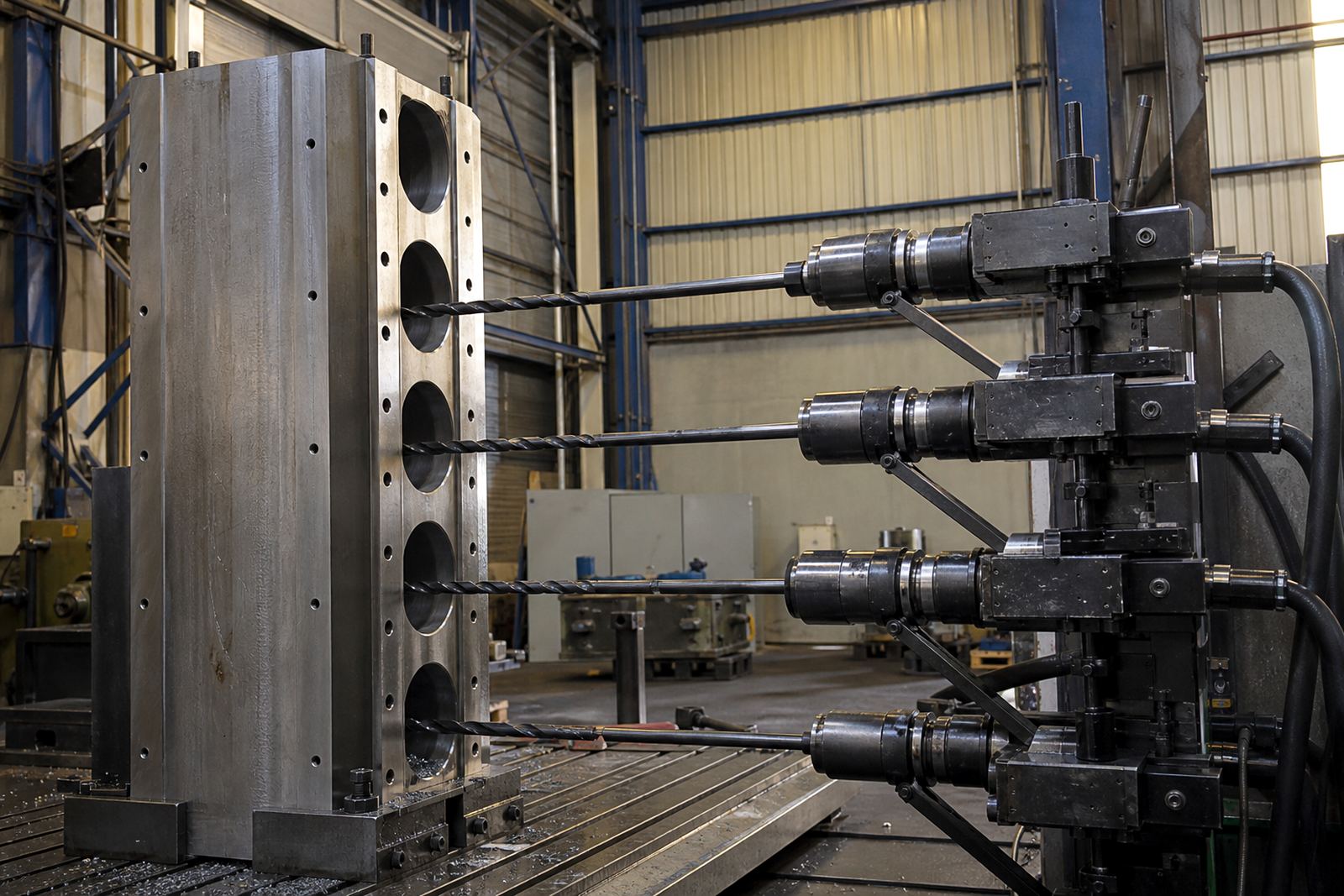
Long drills are used when a standard drill cannot reach the required depth without losing stability or hole accuracy. These solid carbide tools are made for CNC machining centres where the workpiece has deep pockets, long bores or restricted access, and where cycle time matters. In Gauteng job shops and production lines alike, they are often chosen for components that need deeper pilot holes, oil passages, fixture holes or internal features with limited clearance.
Because the tool body is extended, rigidity becomes just as important as cutting edge quality. A long drill must stay true under load, evacuate chips properly and hold size through the full depth of cut. If the setup is weak, the hole can wander, the finish can mark and tool life drops off quickly. That is why application matching matters before the first part is run.
Sizes, diameters and reach options available
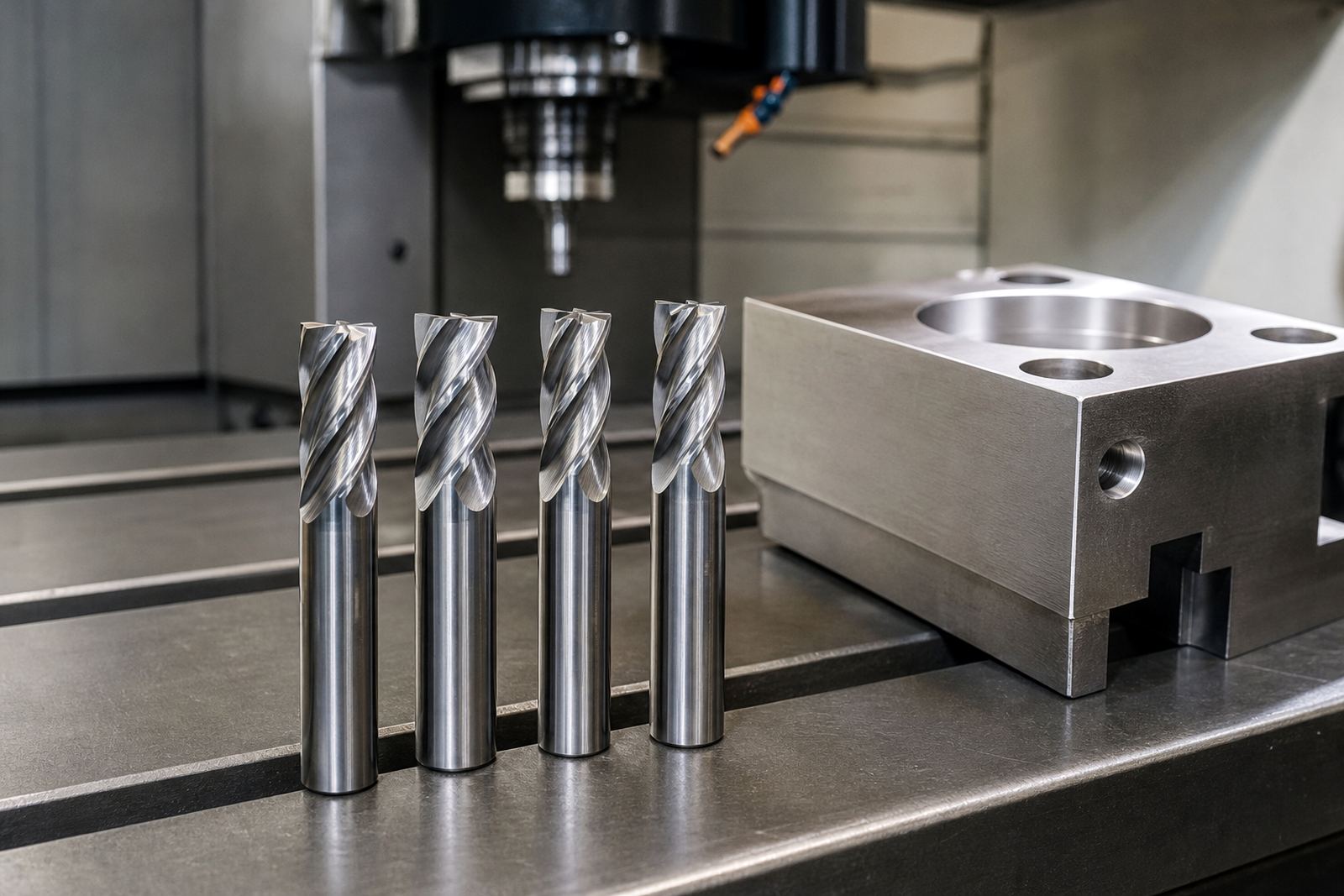
Our long drill range covers common CNC sizes used in general engineering, toolmaking and production machining. The correct choice depends on hole diameter, depth, material and the machine spindle capacity. For many users, the starting point is the depth to diameter ratio, then the available clamping length and flute reach.
- Common diameters from small pilot sizes through to larger production drills
- Extended flute and overall lengths for deeper hole access
- Centre cutting geometries for straight entry and controlled penetration
- Options for aluminium, mild steel, stainless steel and harder ferrous materials
- Variants for dry cutting, minimum quantity lubrication or flood coolant use
As a rule, the longer the reach, the more important it is to confirm machine rigidity and part clamping. Even a good drill will struggle if the setup has vibration, runout or poor chip flow. We can help match the size to the job so the tool is not oversized or too small for the application.
Where long drills suit best in local production
Long drills are used across South Africa in shops making hydraulic components, automotive parts, pump bodies, mould bases, brackets and general engineering items. They suit jobs where the hole must go deep into the part without multiple tool changes. In Cape Town and Durban, where humidity and salt air can affect stored tooling, many buyers also prefer tools with proper packaging and good stock rotation to keep edges in top condition.
They are especially useful when the machine must run lights-out or when operators need to reduce repeated peck cycles. On load-shedding affected shifts, reducing rework and scrap matters even more because every interrupted cycle costs time. A correctly selected long drill can improve hole consistency and help keep production moving with fewer stoppages.
Set-up, coolant and machine requirements
Long drills do not need gas, but they do need the right machine support, coolant delivery and spindle condition. A CNC machining centre with stable spindle bearings, low runout and enough power for the diameter is important. Flood coolant is often preferred, though some jobs can run with air blast or minimum quantity lubrication if chip control is still reliable.
For deep holes, coolant pressure and chip evacuation are critical. If chips pack in the flute, the drill can bind and heat up fast, especially in stainless or tough alloy steels. A neat setup with correct stick-out, firm clamping and a clean workholding surface will usually outperforrm a higher feed setting on a poor setup.
- Check spindle runout before first use
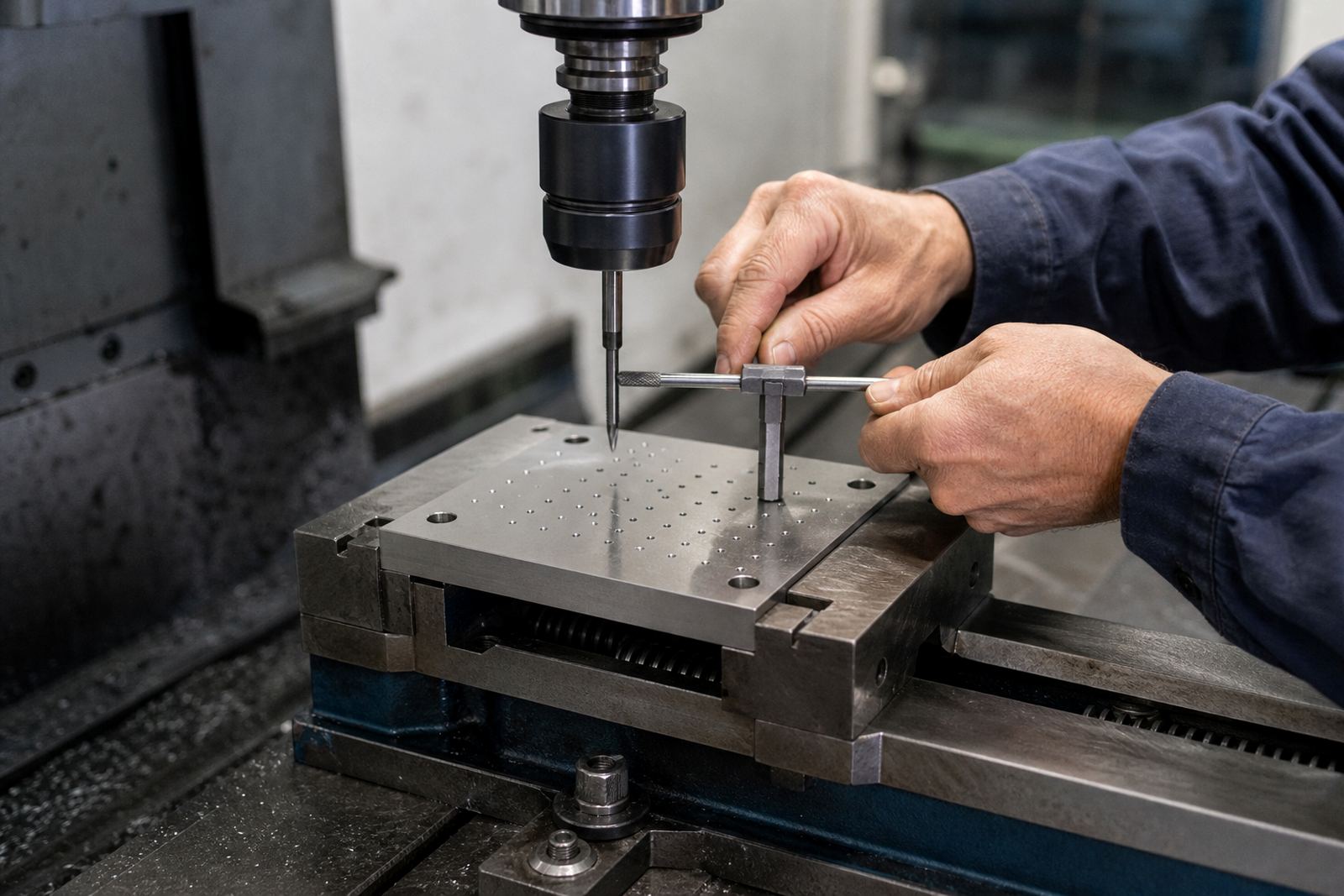
- Keep stick-out as short as the hole depth allows
- Use the right coolant concentration for the material
- Clear chips between cycles when the job demands it
- Confirm the machine has enough torque at the planned speed
Care, inspection and tool life control
Solid carbide drills are strong, but they still need careful handling. Do not drop them onto steel surfaces or store them loose in a box where the edges can chip. After use, inspect the flute for built-up material, edge wear and any sign of rubbing. A worn long drill often shows it before it fails completely, through heat marks, slight squeal or a change in hole finish.
Tool life improves when feeds and speeds are matched to the material and coolant delivery is consistent. If a part has many holes, it helps to monitor wear at regular intervals rather than waiting for a breakage. In production, that small habit saves time and keeps quality stable across the batch.
What to check when ordering long drills
When ordering, the main details are not just diameter and length. The application, material and machine setup all affect which drill will work best. Our team in Wadeville can assist with tool selection, material matching and speed and feed advice so you get the right spec the first time.
- Hole diameter and required depth
- Workpiece material and hardness
- Machine type, spindle speed and available power
- Coolant method: flood, through-coolant, air or MQL
- Required tolerance and surface finish
- Quantity needed for stock, trials or repeat production
If you are unsure, send the drawing details through the enquiry form on our contact page. We can help with sample tool trials, urgent tool supply and production standardising for shops in Germiston, Johannesburg, Pretoria, Boksburg, Alberton, Centurion, Cape Town and Durban.
Key facts
| Product type | Extended-length solid carbide drill |
|---|---|
| Use | Deep-hole CNC drilling where reach is essential |
| Typical materials | Mild steel, stainless steel, aluminium and general engineering alloys |
| Machine fit | CNC machining centres with stable spindle and accurate clamping |
| Coolant use | Flood coolant preferred, with some jobs suited to air blast or MQL |
| Support | Tool selection, speed and feed advice, trials and technical quotations |