Short tools for firmer cuts and less whip
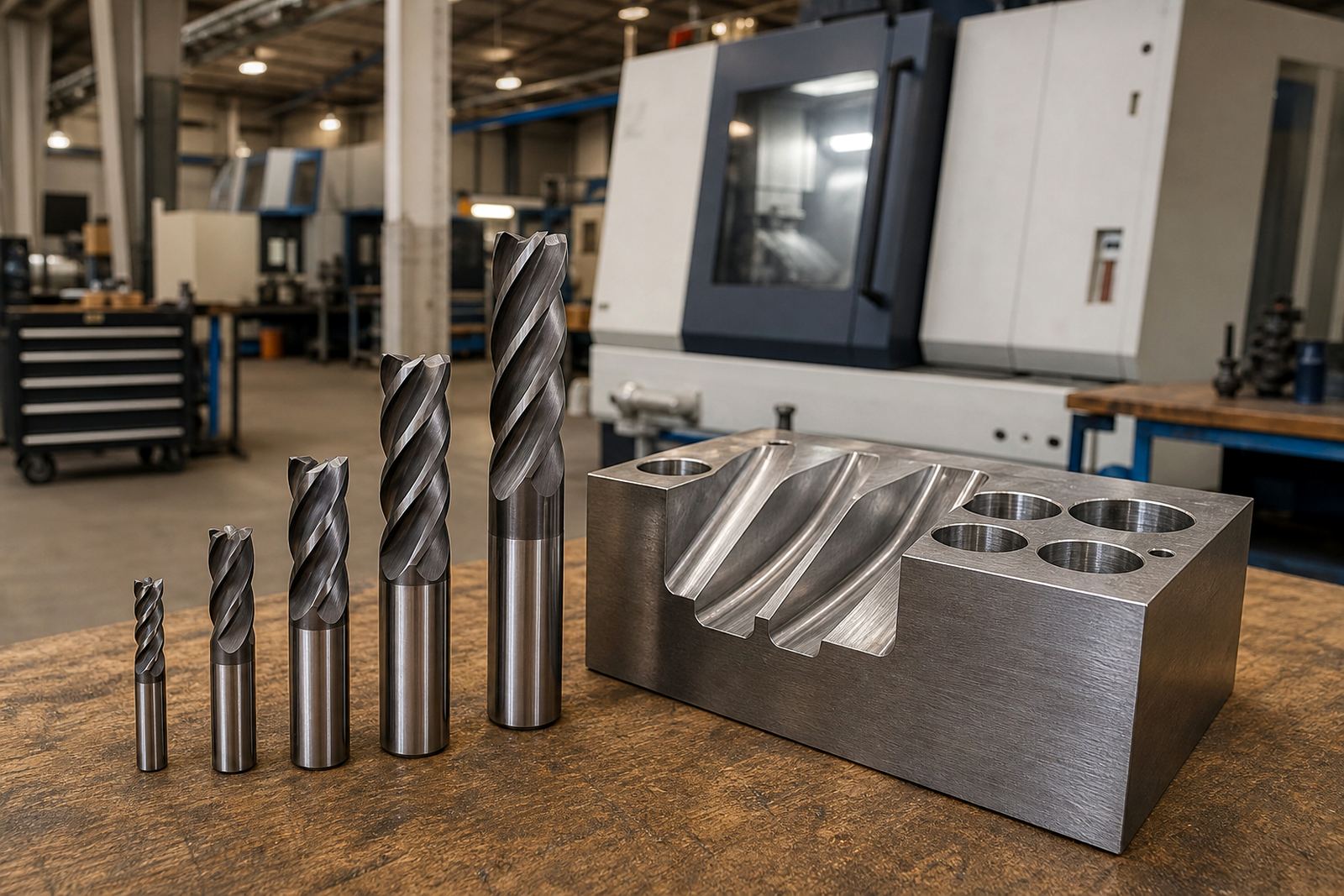
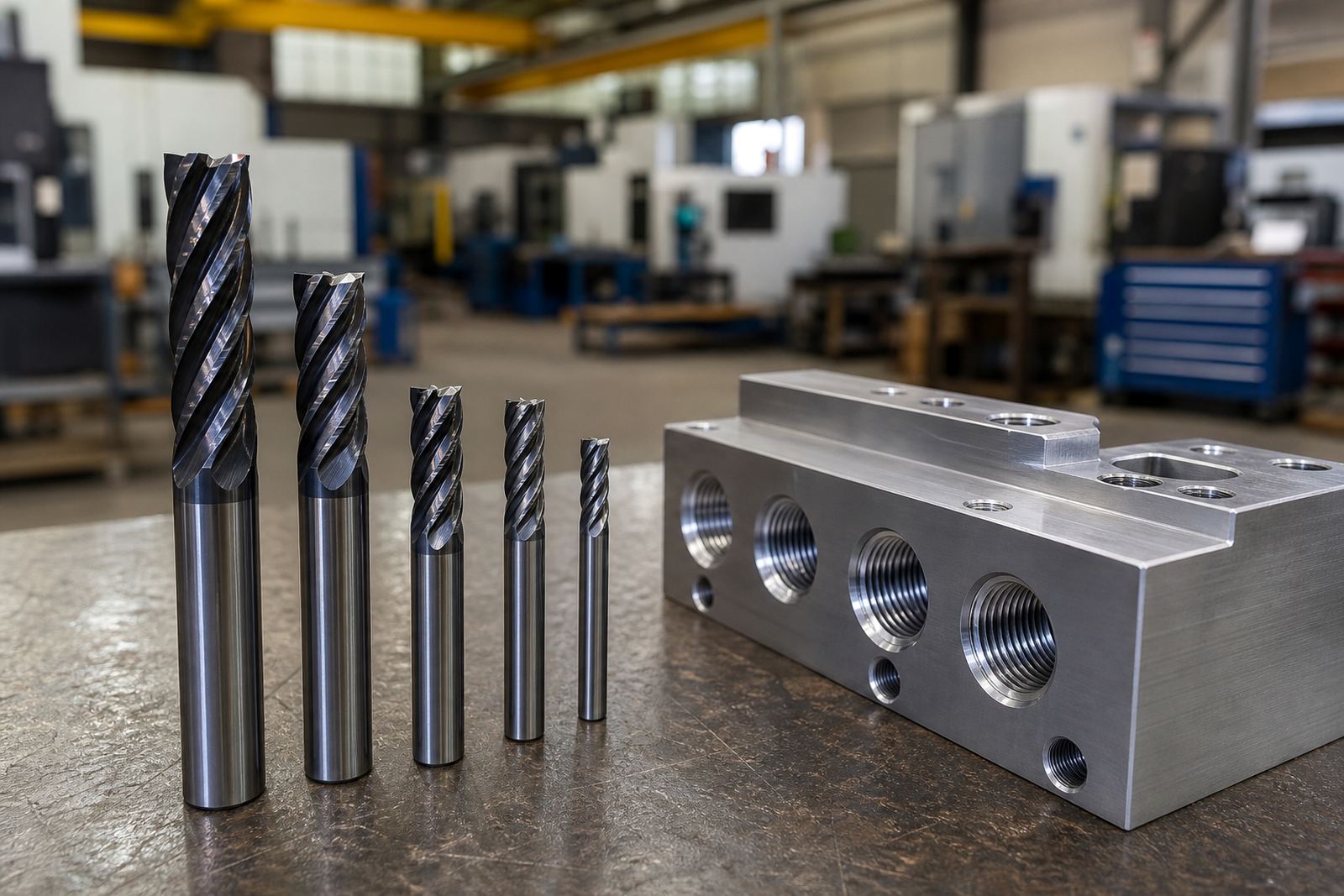
Stub length mills are built with a shorter flute and overall cutting length than standard end mills, which gives the tool more stiffness in the spindle. That extra rigidity helps reduce deflection when machining steel, stainless steel, cast iron and other tough materials on CNC machining centres. In practice, the cutter stays truer to size, corners are cleaner and the machine can hold a steadier load.
For South African shops working long shifts, this matters because a short, rigid cutter is less likely to chatter when the machine is cutting near the limit of its setup. It also helps where power supply dips or load-shedding recovery can interrupt rhythm. A stable tool path means less scrap, better tool life and fewer stops to correct wear.
- Solid carbide construction for high stiffness
- Short flute design for low deflection
- Suitable for roughing and finishing, depending on the cut
- Useful where tool stick-out must be kept short
Sizes, flute styles and coating choices
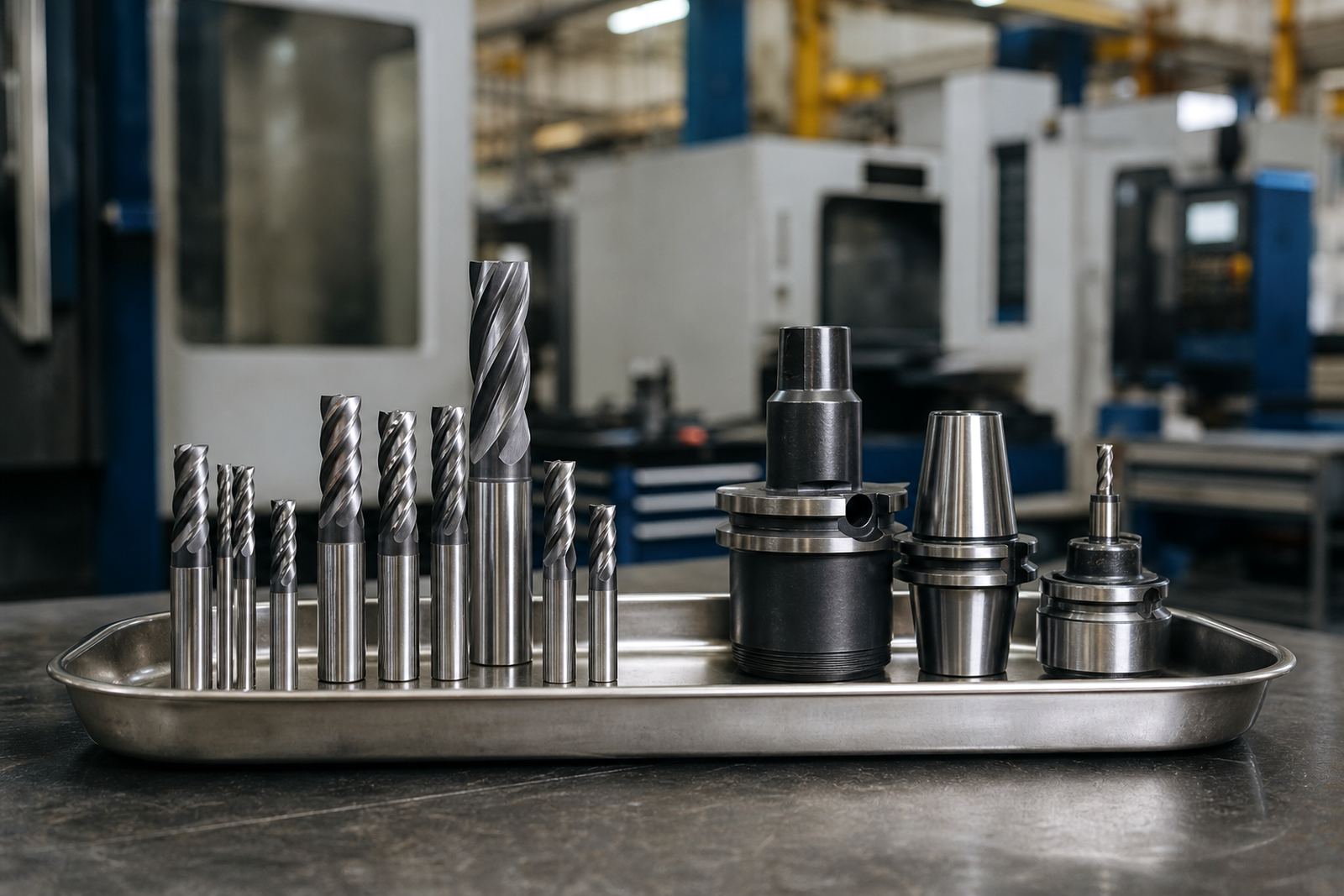
Stub length mills are available in a range of diametres for workshop and production use, from small tools for detail work up to larger cutters for heavier stock removal. Common options include 2 flute, 3 flute and 4 flute patterns, with square end, corner radius and ball nose profiles depending on the job. A shorter length does not mean limited choice, it simply means the cutting section is kept compact for better control.
Typical options include uncoated tools for general use and coated tools where heat, built-up edge or abrasive material needs better resistance. Coating choice depends on the material, cutting speed and coolant method. Our team will match the tool to the job so you are not overpaying for a cutter that is too specialised, or under-specifying one that wears out too quickly.
- Diametres commonly supplied from small precision sizes up to larger production sizes
- 3 mm, 4 mm, 6 mm, 8 mm, 10 mm, 12 mm and larger sizes available on request
- Flute counts selected for chip clearance or higher finish quality
- Optional corner radius for added edge strength
Where stub length mills work best on the shop floor
These cutters suit CNC machining shops that need accurate metal removal with less vibration. They are often used on fixtures with limited reach, in pockets and slots, and on parts where sidewall finish matters. They are a good choice for mould work, general engineering, automotive components, machine parts and repeat production where consistency counts.
They are especially useful when machining harder material grades, when cutting thin features that can flex, or when a long cutter would chatter. If your job uses a small tool overhang, short clamp distance and controlled feeds, a stub length mill will usually give better results than a longer general purpose cutter. For shops in Germiston, Boksburg, Johannesburg and Pretoria that run multiple part numbers in a day, this can make a real difference to output.
- Stable pocketing and side milling
- Better control on shallow cavities and short reach work
- Useful for general engineering and repeat production
- Suitable for shops needing tighter size control
Machine setup, coolant and power needs
Stub length mills do not need special gas supply or dedicated installation. They are standard CNC cutting tools used in a properly set machine with the correct tool holder, programme settings and coolant method. What matters most is spindle condition, holder runout, workholding and the cutting data used. A short cutter can still fail early if the setup is loose or the feeds are too aggressive.
For best performance, keep tool protrusion as short as possible, check runout before a production run and use the correct coolant or air blast for the material. On shops that run through humid coastal conditions in Durban or Gqeberha, care should also be taken with storage and rust prevention on holders and tooling. A small amount of attention here helps prevent premature wear and poor finish.
- No gas connection required
- Works on standard CNC machining centres
- Use the shortest practical stick-out
- Check coolant delivery, chip evacuation and holder condition
Keeping the cutters in working order
Carbide tools last longer when they are used within the right speed and feed range and not forced into heavy side loading. Inspect the cutting edges for chipping, polish the holder taper where needed and keep tools separated in storage so they do not knock against each other. A damaged edge can show up as chatter, rough finish or higher spindle load long before the tool breaks.
In busy workshops, stock planning matters too. It is worth keeping a small buffer of the most used diametres, especially if you produce for urgent local work or municipal contract deadlines. Our Wadeville, Germiston base supports shops that need urgent tool supply, sample trials or help with tool life optimisation. If a cutter is wearing too fast, we can help you check whether the issue is material, feed rate, coolant or setup.
- Store tools dry and separate from loose steel items
- Replace cutters showing edge chipping or taper wear
- Review feeds, speeds and engagement before changing the tool spec
- Keep a controlled backup stock for high use sizes
What to check before you place an order
When ordering stub length mills, confirm the material you are cutting, the machine type and the finish you need. Also check whether you need a square end, radius edge or ball nose, and whether the job calls for roughing or finishing. If the cutter is going into a high speed application, ask for the flute count and coating that best suits your workpiece and chip evacuation requirements.
It is also useful to confirm diameter, flute length, overall length, shank size and whether the tool needs centre cutting. A few millimetres can change the outcome on a tight pocket or a close tolerance slot. If your part is running in batches across Johannesburg, Pretoria, Cape Town, Durban or Gqeberha, standardising the tool spec can save setup time and reduce variation between shifts.
- Material to be machined
- Required diameter and flute length
- End style: square, corner radius or ball nose
- Tool holder type and available stick-out
- Roughing or finishing requirement
- Coolant method and expected production volume
Local supply for CNC shops across South Africa
CuTools Carbide supplies stub length mills from Wadeville, Germiston to machining shops across South Africa, with support for Johannesburg, Pretoria, Boksburg, Alberton, Centurion, Cape Town, Durban and Gqeberha. Our team includes technical and operations staff who deal daily with tool choice, application support, tool life optimisation and urgent supply needs. That means you get practical guidance, not guesswork.
If you are setting up a new job or trying to improve an existing one, send the details through the enquiry form on our contact page. We can help with material matching, production standardising, sample tool trials and technical quotations. For many shops, the right stub length mill is not just a cutter, it is a small change that can improve cycle time, finish and consistency without changing the whole process.
- Supply across Gauteng and major metro areas
- Support for one off work and repeat production
- Help with urgent replacements and stock planning
- Technical input from order to application
Key facts
| Product type | Solid carbide stub length end mills |
|---|---|
| Construction | Short rigid flute geometry for reduced deflection |
| Common diametres | 3 mm to 12 mm and larger on request |
| Flute options | 2 flute, 3 flute and 4 flute |
| End styles | Square, corner radius and ball nose |
| Typical use | Steel, stainless steel, cast iron and general engineering materials |