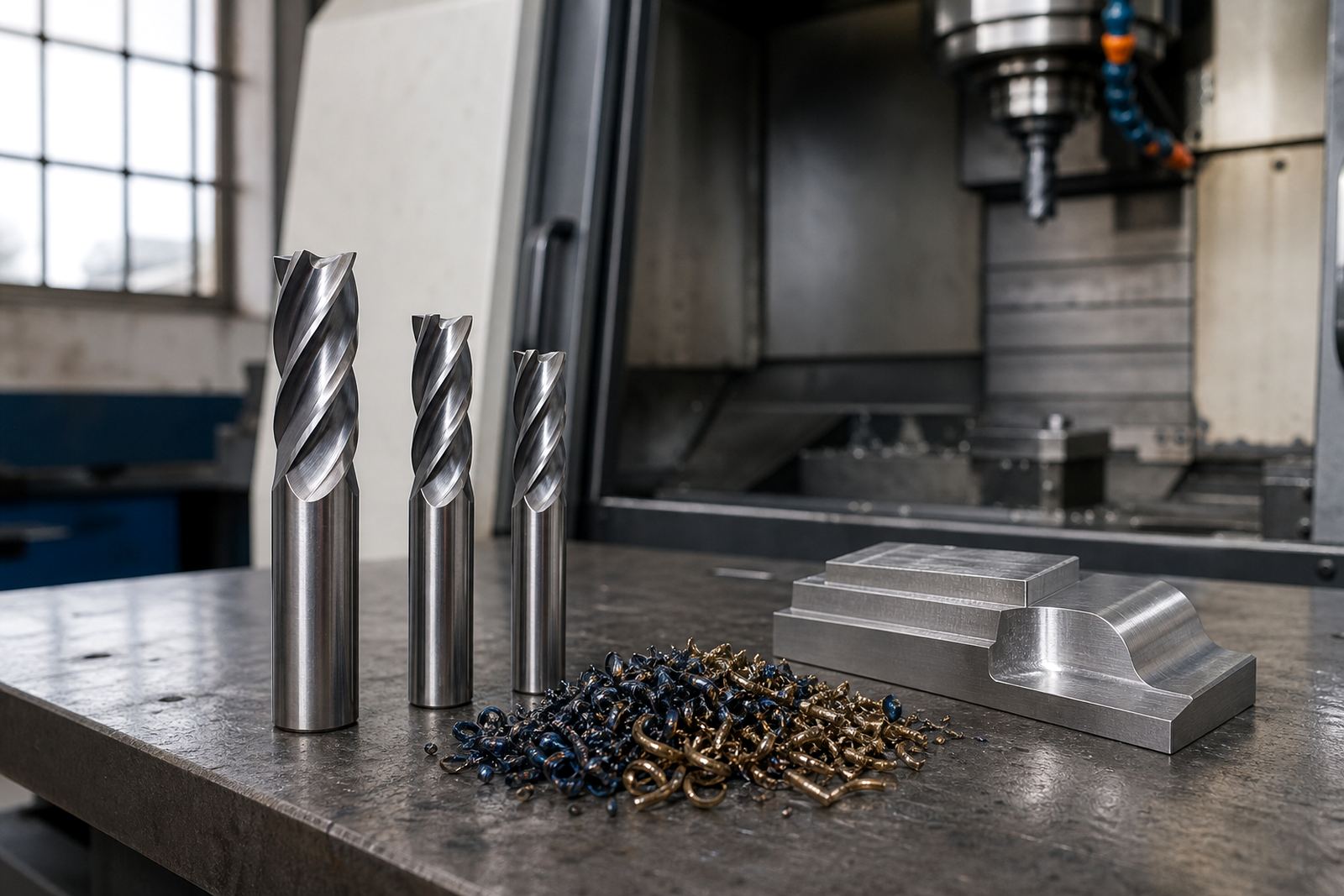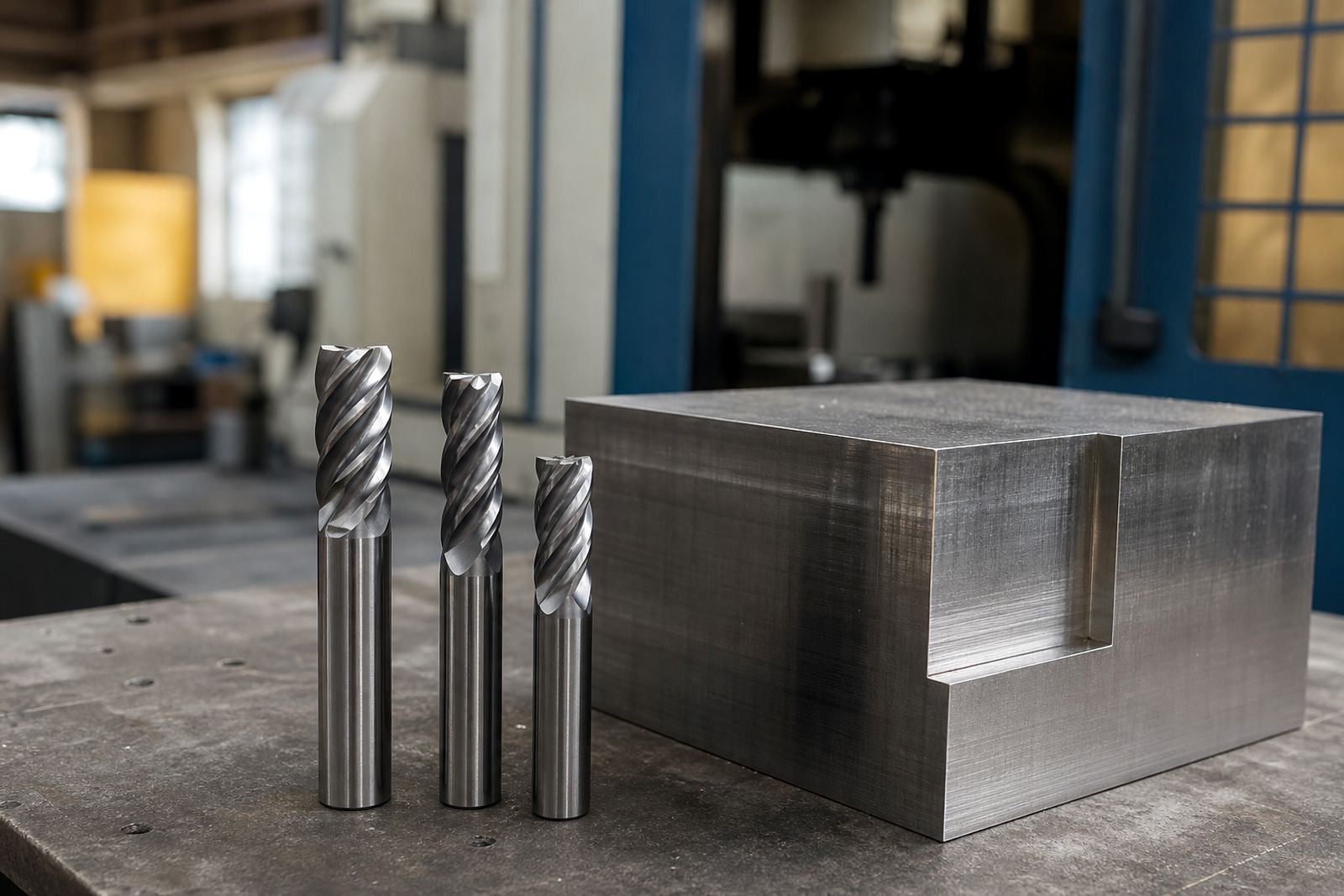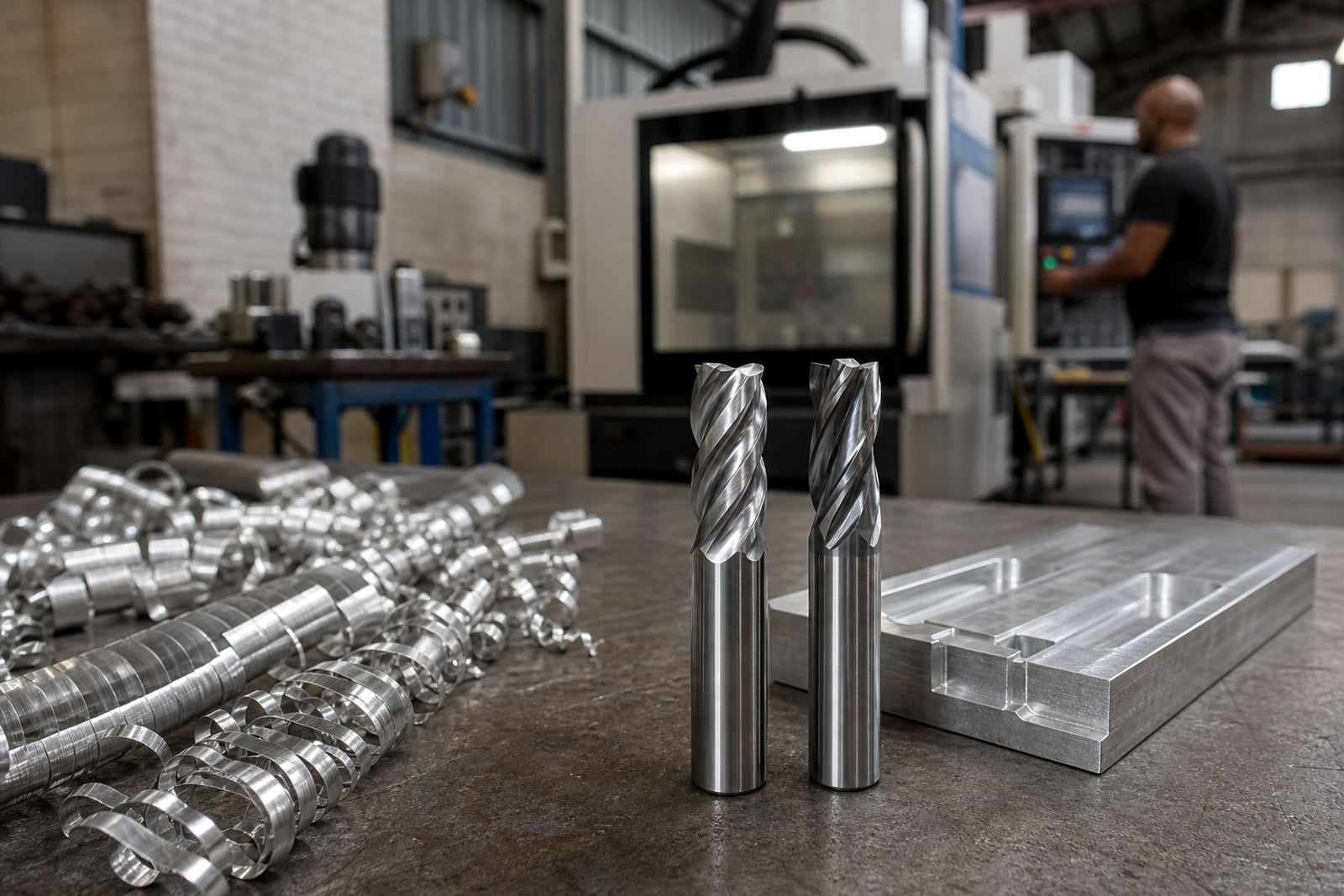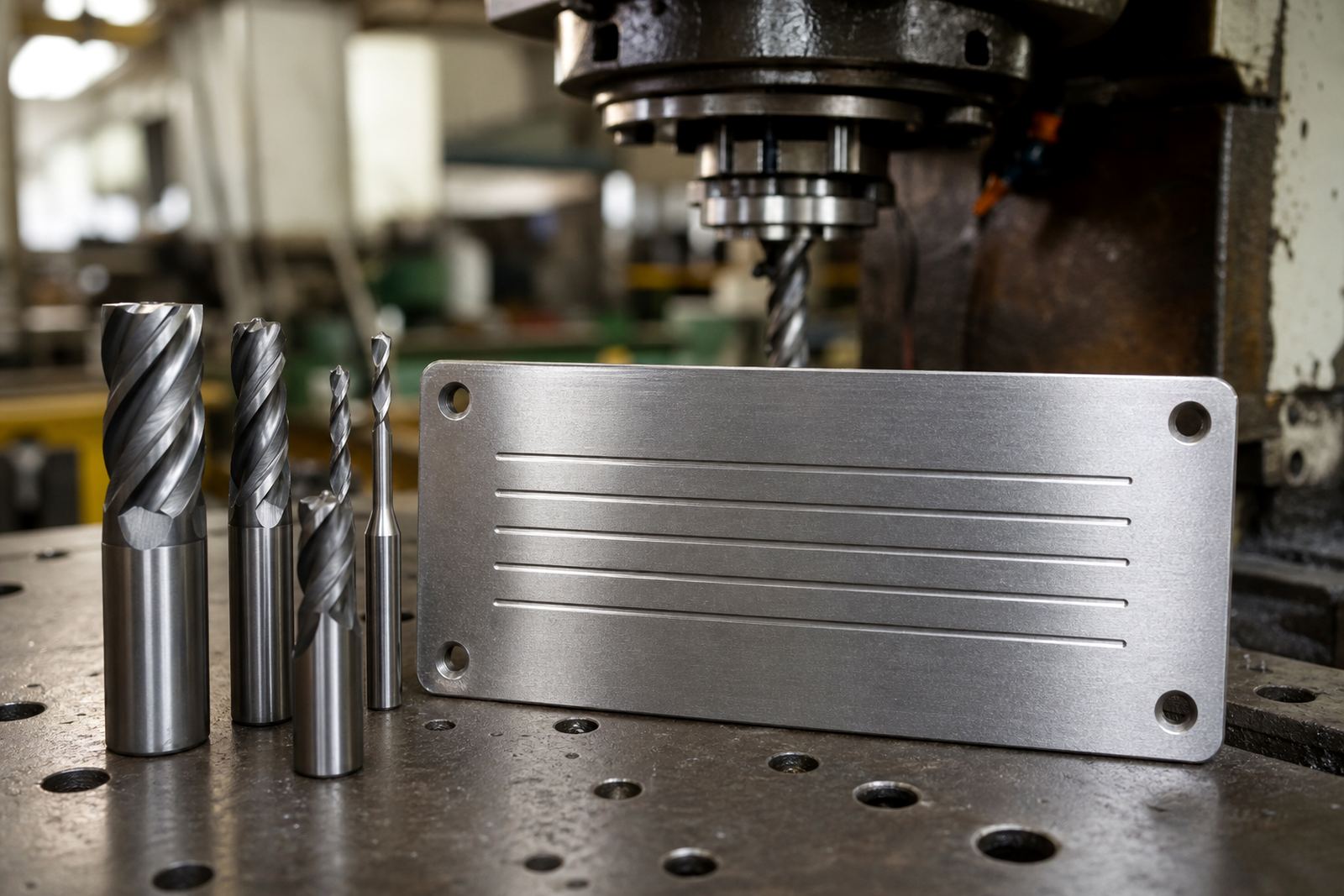
Fine-point carbide cutters for clear marking and shallow detail
Engraving tools are made for precise surface marking rather than heavy metal removal. On a CNC machining centre, they are used for serial numbers, part IDs, logo outlines, calibration marks, small lettering and light V-groove machining. Our solid carbide engraving range is suited to repeat work where the cutter must keep a sharp point and produce a clean line with limited burrs.
These tools are commonly used on aluminium, mild steel, stainless steel, brass, copper, engineering plastics and coated components. The right tool depends on the line width, the depth you need and the finish on the part. A 30 degree tool gives a fine mark for small text, while 60 degree and 90 degree profiles are better where the marking must be more visible or slightly deeper.
In busy shops around Germiston, Boksburg and Alberton, engraving is often done in the same setup as drilling, pocketing or finishing. That means the tool must track accurately, run true and handle short cycle times without losing point geometry.
Available profiles, tip sizes and working depth
We supply engraving tools in a practical range of point angles and shank sizes so they can suit common CNC holders and collet systems. Typical options include 30 degree, 45 degree, 60 degree and 90 degree forms, with single point and double edge styles available depending on the marking requirement. Common shank diameters include 3 mm, 4 mm, 6 mm and 8 mm, and the correct choice depends on the machine spindle and holder setup.
For shallow marking, many users keep the depth between 0.05 mm and 0.30 mm. For more visible V-grooves, the cut may go deeper, but the tool angle and feed must still be matched to the material. A narrow point gives better detail, though it is more sensitive to runout and poor setup, so it needs a clean machine and good tool clamping.
- Point angles: 30 degree, 45 degree, 60 degree, 90 degree
- Shank sizes: 3 mm, 4 mm, 6 mm, 8 mm
- Use cases: text, serials, logos, part numbering, light chamfers
- Suitable materials: aluminium, steel, stainless steel, brass, copper, plastics
Where engraving tools work best in South African production
Engraving tools suit shops that need traceability and neat surface detail. Typical applications include machine plates, name plates, mould inserts, control panels, medical parts, electrical enclosures and customer-facing parts where the marking must stay legible after handling and cleaning. They are also useful for scribing shallow guide lines before a secondary process.
For coastal sites in Durban or Cape Town, a carbide tool helps with wear resistance, but storage still matters because humid air can affect holders, collets and the condition of the tool body. In inland plants, dust and coolant contamination are often the bigger issue. Either way, the best results come from a stable spindle, proper workholding and a cutting path that keeps chatter out of the point.
Shops that run long shifts or deal with load shedding need tools that are easy to set up again after a restart. Keeping the same tool length, holder condition and offset record makes it easier to continue the same job without losing line consistency.
Setup, spindle speed and machine requirements
Engraving tools do not need special gas or compressed-air supply for cutting, but they do need a CNC machine that can hold low runout and maintain stable spindle speeds. A fine point will show any vibration. For that reason, the holder, collet and spindle nose should be clean before every run. On small text, even a little tool runout can widen the line and make the edges uneven.
Speed and feed depend on the material, point angle and the depth required. In practice, engraving in aluminium can run at higher surface speeds than stainless steel, while plastics may need lower heat input to prevent melting or edge smear. A light mist coolant or air blast can help with chip clearing where the machine and part allow it. If chips pack into the cut, the point can wear fast and the finish goes dull.
- Use a true, clean holder with low runout
- Set the tool length carefully before production
- Check spindle condition if the line varies between parts
- Use chip clearance and cooling that suits the material
Care, re-order planning and tool life control
Solid carbide engraving tools should be handled like precision tools, not general purpose cutters. Keep them in individual sleeves or trays so the point does not knock against other tools. After use, remove coolant residue and fine swarf, then dry the tool before storage. On high humidity days near the coast, this simple habit helps protect holders and keeps the cutting edge easier to inspect.
Tool life is influenced by material hardness, cut depth, spindle accuracy and operator setup. A worn point may still cut, but the line can open up and the detail will change from part to part. If a job has strict marking requirements, keep a reference sample and compare the first-off part before the batch continues. That saves time later and avoids scrap.
For repeat production, stock planning matters. Some shops keep one working tool and one spare for each angle and shank size. This makes it easier to continue production during urgent orders or when a batch needs to run over more than one shift.
What to confirm before you place an order
To match the right engraving tool to your machine and job, please confirm the angle, shank size, tip style and material being cut. Also tell us the required marking depth, whether the text is small or bold, and whether the part will be machined in aluminium, steel, stainless steel, brass, copper or plastic. If you are unsure, send the drawing or sample part and we can advise on the best profile.
It also helps to check the holder type, spindle speed range and whether the machine can handle a fine point without chatter. If the job is for serial numbers or traceability, mention the character height and whether the marking must be shallow for a neat finish or a little deeper for visibility after coating. That gives us a clear starting point and avoids guesswork.
- Angle required: 30 degree, 45 degree, 60 degree or 90 degree
- Shank size and holder type
- Material being machined
- Character height, depth and finish expectation
- Quantity needed and whether you need urgent supply
Local supply from Wadeville, Germiston
CuTools Carbide supports machining shops across South Africa from Wadeville, Germiston, with supply into Johannesburg, Pretoria, Boksburg, Alberton, Centurion, Cape Town and Durban. Our team works with production shops, engineering firms and maintenance departments that need practical tool advice, fast quotations and a clear supply plan. If your engraving work must stay consistent across a full batch, we can help with tool selection, sample tool trials and stock planning.
For technical queries, use the enquiry form on our contact page and include the part material, machine type and the marking detail you need. That gives our sales and technical team enough information to recommend the right engraving tool first time, and to check whether a standard item or a special order is the better fit.
Key facts
| Tool type | Solid carbide engraving tool for CNC machining centres |
|---|---|
| Common point angles | 30 degree, 45 degree, 60 degree, 90 degree |
| Shank diameters | 3 mm, 4 mm, 6 mm, 8 mm |
| Typical marking depth | 0.05 mm to 0.30 mm for light marking, deeper where specified |
| Suitable materials | Aluminium, mild steel, stainless steel, brass, copper and engineering plastics |
| Typical uses | Serial numbers, part IDs, logos, shallow V grooves and light chamfers |