What micro drills do in fine engineering work
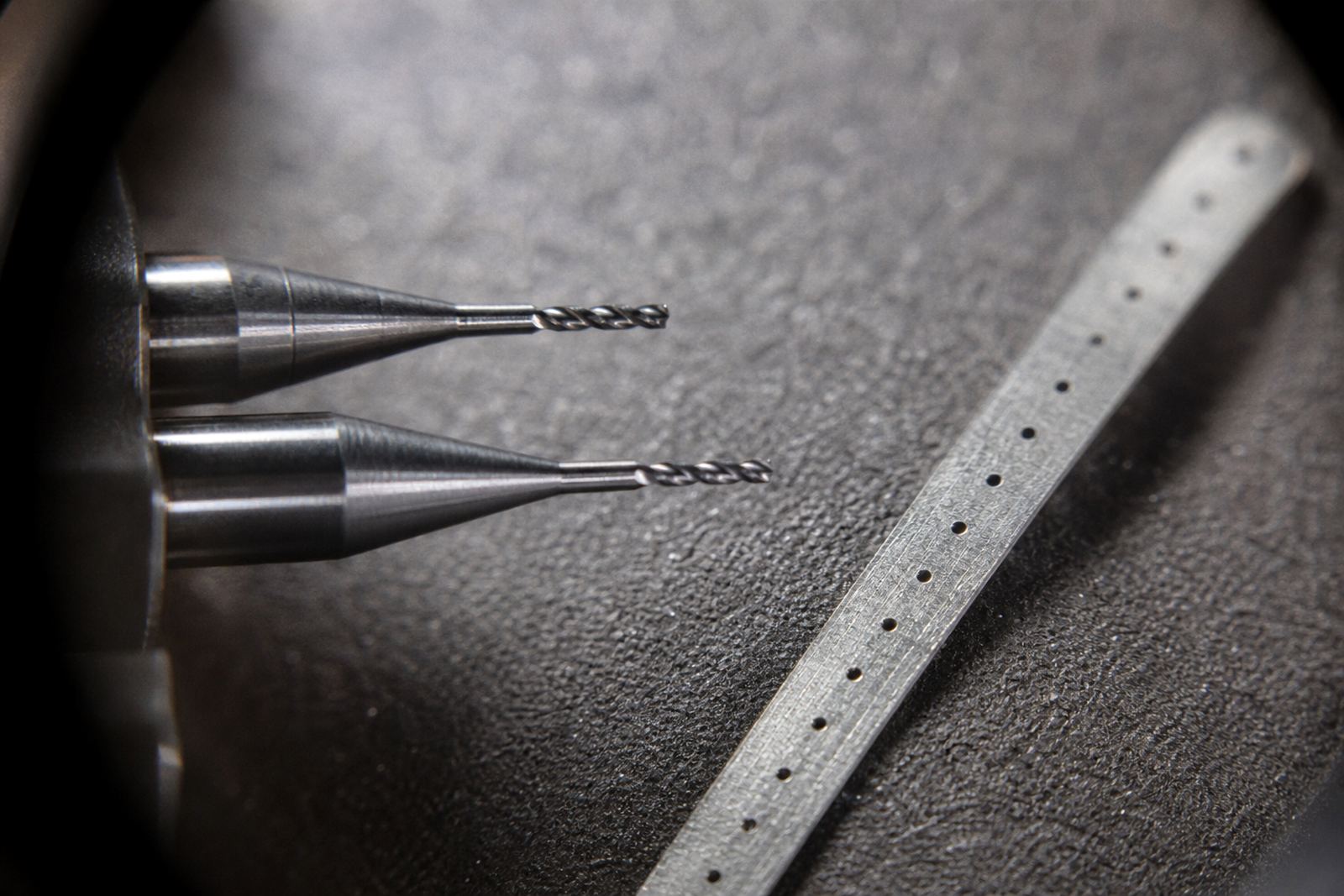
Micro drills are small-diameter cutting tools used to form miniature holes in metal, plastics and composite materials where standard drills are too large or too aggressive. In CNC machining centres they are used for pilot holes, oil passages, instrument parts, connectors, watch and medical components, jig plates and detail work in toolrooms. When the hole is tiny, runout, chip control and spindle condition matter as much as the drill itself.
CuTools Carbide supplies solid carbide micro drills for shops that need consistent hole location and clean entry in production runs. They suit high-speed machining in Johannesburg, Pretoria, Cape Town, Durban and Gqeberha, as well as smaller batch work in Germiston, Boksburg, Alberton and Centurion.
Sizes, flute styles and point options
Micro drills are normally supplied from very fine diameters up to small standard sizes, depending on the material and machine setup. In practice, most buyers choose a range that supports pilot holes, finished holes and repeat jobs across thin sections and small parts.
- Diameter range: from very fine micro sizes up to small precision diameters for CNC work
- Construction: solid carbide for stiffness and wear resistance
- Flute type: spiral flutes for chip removal in deeper holes
- Point geometry: standard point, split point or specialised point forms depending on material
- Shank: precision ground shanks for accurate clamping and lower runout
- Coating options: available for different materials and tool life demands
For shops running stainless steel, tool steel or aluminium, the right geometry can make the difference between a clean hole and a broken tool. On very small drills, even a little spindle wobble or uneven coolant can cut tool life sharply, so selection needs care.
Where micro drills suit best on the shop floor
These drills are used in fine engineering, electrical parts, medical parts, small mould work and precision manufacturing where holes are often shallow, closely spaced or repeated many times. They also suit production environments that need stable tool life and predictable cycle times.
- Small hole drilling in precision plates and sub-assemblies
- Pilot drilling before tapping or reaming
- High-volume CNC runs with tight tolerance requirements
- Light-duty holes in non-ferrous metals and plastics
- Detail work where burr control is important
Because the cutting edge is small, micro drills work best on machines with a sound spindle, good collet condition and stable workholding. If the machine is loose, no drill will perform well, no matter how good the tool is.
Machine setup, coolant and power needs
Micro drills do not need gas, but they do need the right machine conditions. Most CNC machining centres use high spindle speeds, accurate tool holding and reliable coolant delivery or air blast, depending on the material. On some jobs, through-coolant or a carefully directed external coolant stream improves chip removal and reduces heat. In dusty workshops or during load-shedding recovery, clean filtration and consistent start-up checks matter even more.
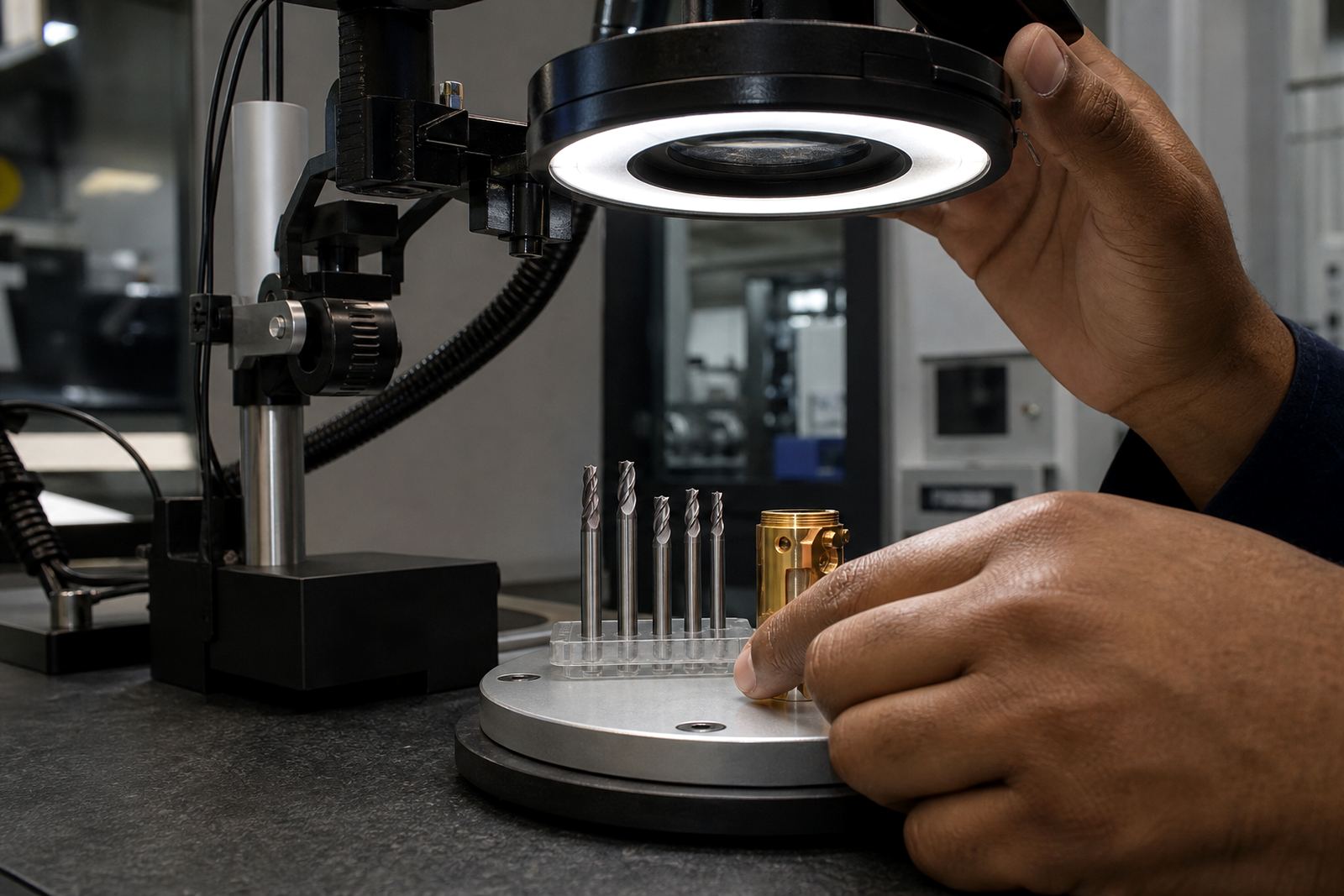
Before running micro drills, check spindle runout, collet wear and tool projection. Keep the tool as short as possible and avoid unnecessary overhang. If the job is long and thin walled, use conservative feeds and make sure chip evacuation is under control, otherwise the tool can bind. Coastal humidity in places like Durban and Gqeberha can also affect storage and corrosion, so sealed packaging and dry cabinets help keep stock in good condition.
Care, storage and tool life control
Micro drills are small and easy to damage if they are handled roughly. A light knock against a bin or tray can chip the edge, so storage needs to be organised. In busy production areas, it is best to keep each size clearly marked and separated from larger drills and end mills. Good housekeeping makes a real difference to tool life.
- Store drills in original sleeves or labelled racks
- Keep cutting edges away from steel chips and loose tools
- Wipe tools dry after use, especially in humid coastal conditions
- Inspect for chipping, burn marks and wear before reuse
- Replace drills that show dull edges or inconsistent hole size
Where tool life is critical, application support can help with feed rates, spindle speed and material matching. That saves time on rework and lowers scrap, especially on batch jobs where a single broken drill can hold up a full production line.
What to check before you order micro drills
Ordering the correct micro drill starts with the material, hole depth and machine capability. For accurate supply, tell us the diameter required, the workpiece material, the hole depth, whether the hole is through or blind, and if the job needs a special coating or point style. If you are replacing an existing tool, send the size and as much setup detail as possible so we can match it properly.
- Diameter and tolerance needed
- Material being drilled
- Hole depth and whether chips must clear through the part
- Machine type, spindle speed range and collet size
- Coolant method and whether through-coolant is used
- Expected batch size and target tool life
CuTools Carbide supports machining shops with tool selection, speed feed advice, sample tool trials and technical quotations. From Wadeville, Germiston we supply micro drills to Johannesburg, Pretoria, Cape Town, Durban and the wider South African market, with stock planning and urgent tool supply available when production cannot wait.
Key facts
| Product type | Solid carbide micro drills for CNC machining centres |
|---|---|
| Diameter range | Very fine micro sizes up to small precision diameters |
| Use case | Miniature holes, pilot holes, precision manufacturing and fine engineering |
| Material compatibility | Steel, stainless steel, aluminium, plastics and selected non-ferrous materials |
| Machine setup | High-speed CNC with accurate tool holding and controlled coolant or air blast |
| Supply area | Germiston, Johannesburg, Pretoria, Cape Town, Durban and across South Africa |