What trochoidal mills do in everyday CNC work
Trochoidal mills are built for cutting strategies that keep radial engagement low while the tool moves in a looping path through material. That approach helps reduce heat, lowers cutting force and gives the cutter a better chance of lasting through long runs, especially in harder steels, stainless, heat treated parts and other demanding jobs. On busy lines in Gauteng, where machine time is expensive and operators need predictable results, that matters.
These cutters are not the same as general purpose end mills. The geometry is set up for constant chip load, smoother evacuation and steady cutting pressure. In practice that means less chatter, cleaner side walls and better life when the programmer uses the right stepover and depth. They are a good fit for shops that want to push feed rates without overloading the spindle or risking broken tools.
CuTools Carbide supplies solid carbide trochoidal mills for CNC machining centres used in manufacturing, tooling and precision engineering. The range suits shops from Wadeville and Germiston through to Pretoria, Durban, Cape Town and Gqeberha, including busy jobbing shops that need tools which can handle mixed batches and tight turnaround times.
Sizes, flute counts and cutter options
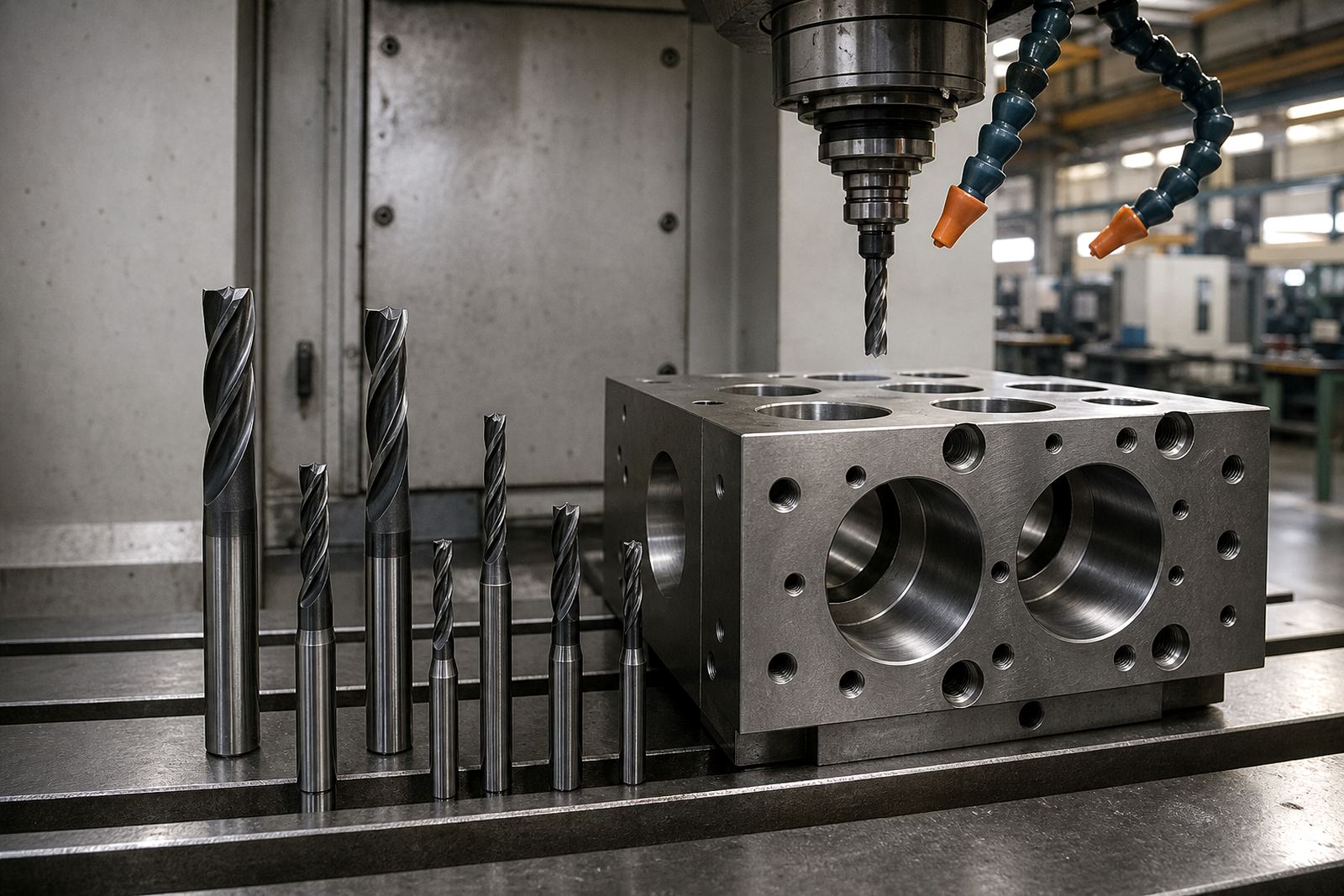
Trochoidal mills are normally chosen around the material, machine rigidity and the type of cut. A smaller diameter gives better access and lower cutting force, while larger diameters give more stability in heavier passes. Flute count also matters. Lower flute counts usually suit slot clearing and chip space, while higher flute counts can help in finishing and higher feed work on stable machines.
- Diameter options from small toolroom sizes through to larger roughing diameters for production work
- Common shank sizes to suit standard CNC holders and collets
- Variable helix and variable pitch options for better chatter control
- Long reach and extended length versions for pockets, deep cavities and awkward features
- Uncoated and coated versions for different materials and heat levels
- Corner radius options where edge strength is needed
For most shops, the best choice comes down to material and machine condition. A rigid machining centre with good workholding can use more aggressive geometry, while lighter machines or long overhang jobs may need a more conservative option. If the machine is running near load-shedding backup power, it is wise to keep programmes steady and avoid toolpaths that spike spindle load too sharply.
Where trochoidal milling suits best
Trochoidal milling works well in tough materials, deep pockets, narrow slots and parts where tool deflection is a risk. It is widely used for mould and die work, plate work, brackets, fixtures, aerospace-type components and general engineering parts where material removal needs to be controlled. Shops cutting stainless steel, tool steel, alloy steel and some cast materials often see the benefit quickly.
It also suits production environments where repeatability matters. The path keeps the cutter from biting too hard at one point, so the machine runs with more stability and the tool wears more evenly. That can help with batch consistency, especially where the same part is running across a shift and the operator needs less intervention. In coastal areas such as Durban or Gqeberha, where humidity can affect storage and corrosion, proper tool handling is just as important as the cutting data.
- Deep slotting where conventional slotting would overload the cutter
- Long reach machining where chatter needs to be reduced
- High material removal on stainless and tool steel
- Interrupted cuts and awkward geometries
- Jobs that need longer tool life with fewer changes
Installation, machine setup and power needs
Trochoidal mills are fitted like other solid carbide cutters, but the setup needs care. Use a clean holder, correct collet size and minimal overhang. Any dirt, burrs or damaged clamping surfaces will affect runout and can shorten tool life fast. For best results, check spindle condition and holder balance, especially on higher speed jobs where vibration shows up quickly.
These tools do not require gas, air or special utilities. They depend on the CNC machine, cutting fluid or air blast if the process calls for it, and the right programme. The real requirement is stable spindle power and a control that can handle smooth toolpaths without stopping and starting too sharply. Shops using backup power during outages should make sure voltage stays steady, because sudden drops can affect finish and tool load.
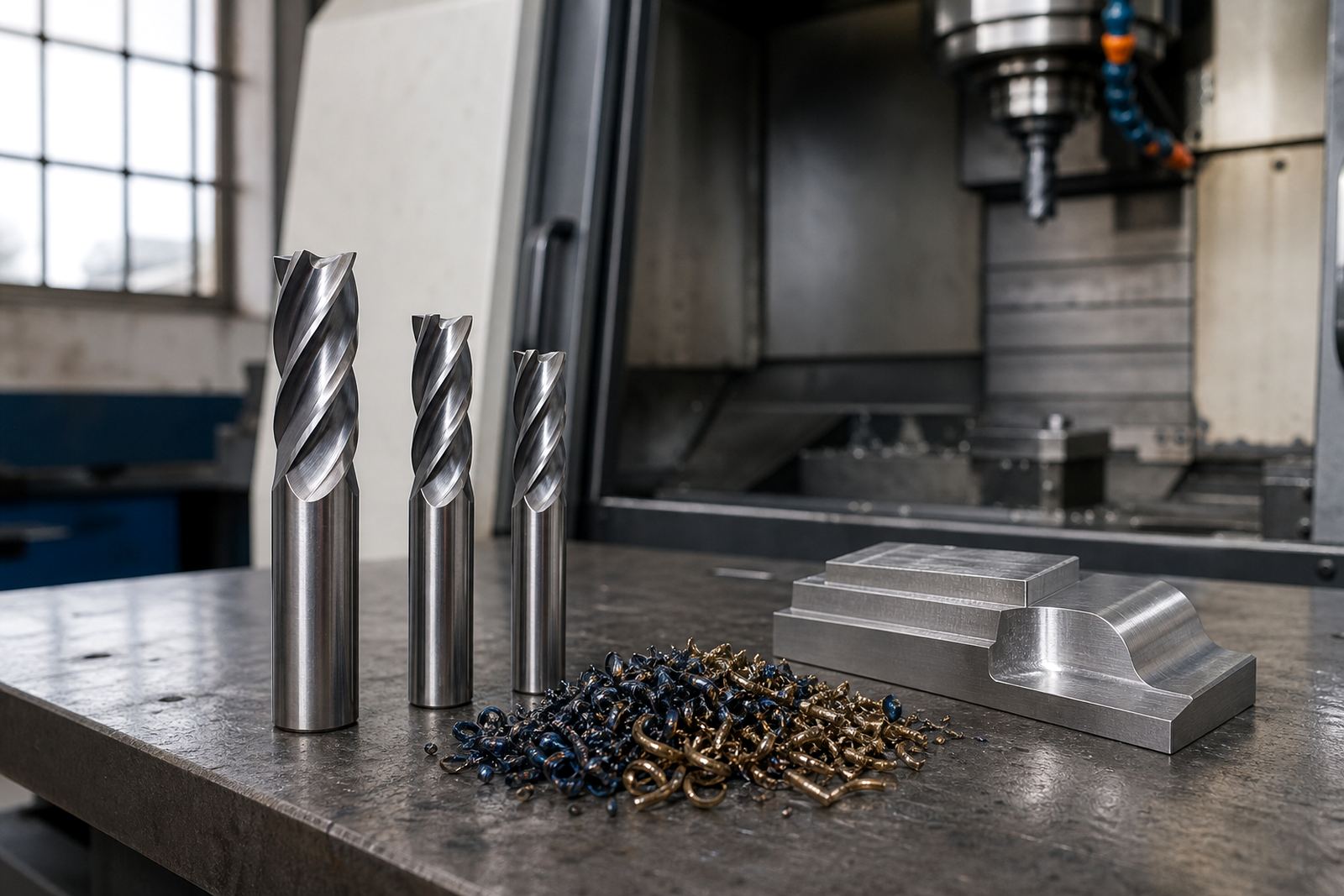
For many stainless and chip-heavy applications, chip evacuation is as important as the cutter itself. Flood coolant, through coolant where available, or a properly aimed air blast can make the difference between a clean cut and a recutting problem. If the machine enclosure or extractor is not keeping up, the cutter may run hot and wear unevenly.
Care, rechecking and tool life control
Trochoidal mills last longer when they are cleaned, inspected and stored properly. After use, remove swarf and coolant residue, then check the cutting edges for chipping or polishing. On a busy floor, a quick visual check before the next setup can save a lot of scrap. If a cutter has started to squeal, leave a rough finish or leave a burr on one side, it is time to inspect the runout and the programme.
Store tools in holders or trays where the cutting edges do not knock against each other. In humid coastal stores, keep them dry and lightly protected from moisture. A bit of surface staining or corrosion on a carbide tool may seem minor, but it can affect clamping and cutting consistency over time, so it is worth avoiding.
- Clean after every job and dry before storage
- Check for edge wear, chipping and built up material
- Monitor tool life against material and cutting data
- Replace tools before they fail in production
- Keep holders and collets in good condition
What to confirm before you order
Ordering the right trochoidal mill starts with the job details. The material grade, machine type, spindle speed, holder style and the required depth of cut all affect the choice. A tool that works well on mild steel may not suit hardened material, and a cutter chosen for one machine may not perform the same way on another with different rigidity or power.
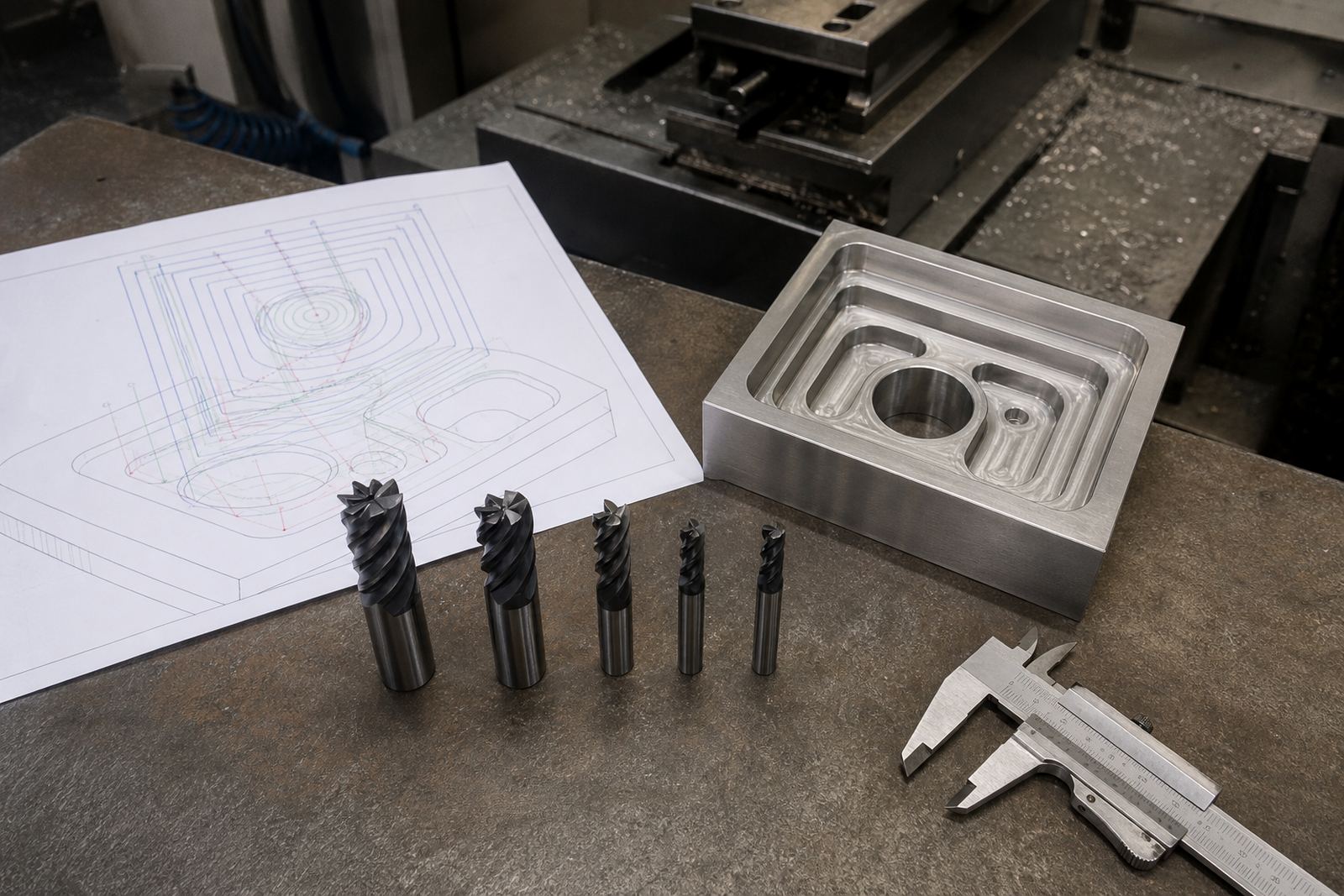
It helps to have the part drawing, material spec and current tool data ready. If you are replacing an existing cutter, send the diameter, flute count, overall length and any coating or corner radius details. If you need a new solution, include the finish requirement and whether the job is roughing, semi-finishing or finishing. That gives our team a better base for tool selection and application support.
- Material type and hardness
- Required diameter, flute count and reach
- Machine model, spindle speed and holder type
- Coolant method or air blast setup
- Current speeds and feeds if you have them
- Whether you need stock removal, finishing or both
CuTools Carbide handles technical quotations, sample tool trials, stock planning and urgent tool supply from Wadeville, Germiston. If you are standardising across multiple sites in Johannesburg, Pretoria, Cape Town or Durban, we can help you match the cutter to the process so the same setup gives more consistent results from job to job.
Key facts
| Product type | Solid carbide trochoidal mills for CNC machining centres |
|---|---|
| Diameter range | Small toolroom sizes to larger production diameters, subject to job requirement |
| Flutes | Commonly 2, 3 and 4 flute options, depending on material and cut style |
| Shank | Standard cylindrical shank sizes to suit common CNC holders |
| Length options | Standard length, long reach and extended reach variants |
| Application | High-efficiency roughing, deep pocketing, slotting and controlled engagement milling |