What a lollipop cutter does on the machine
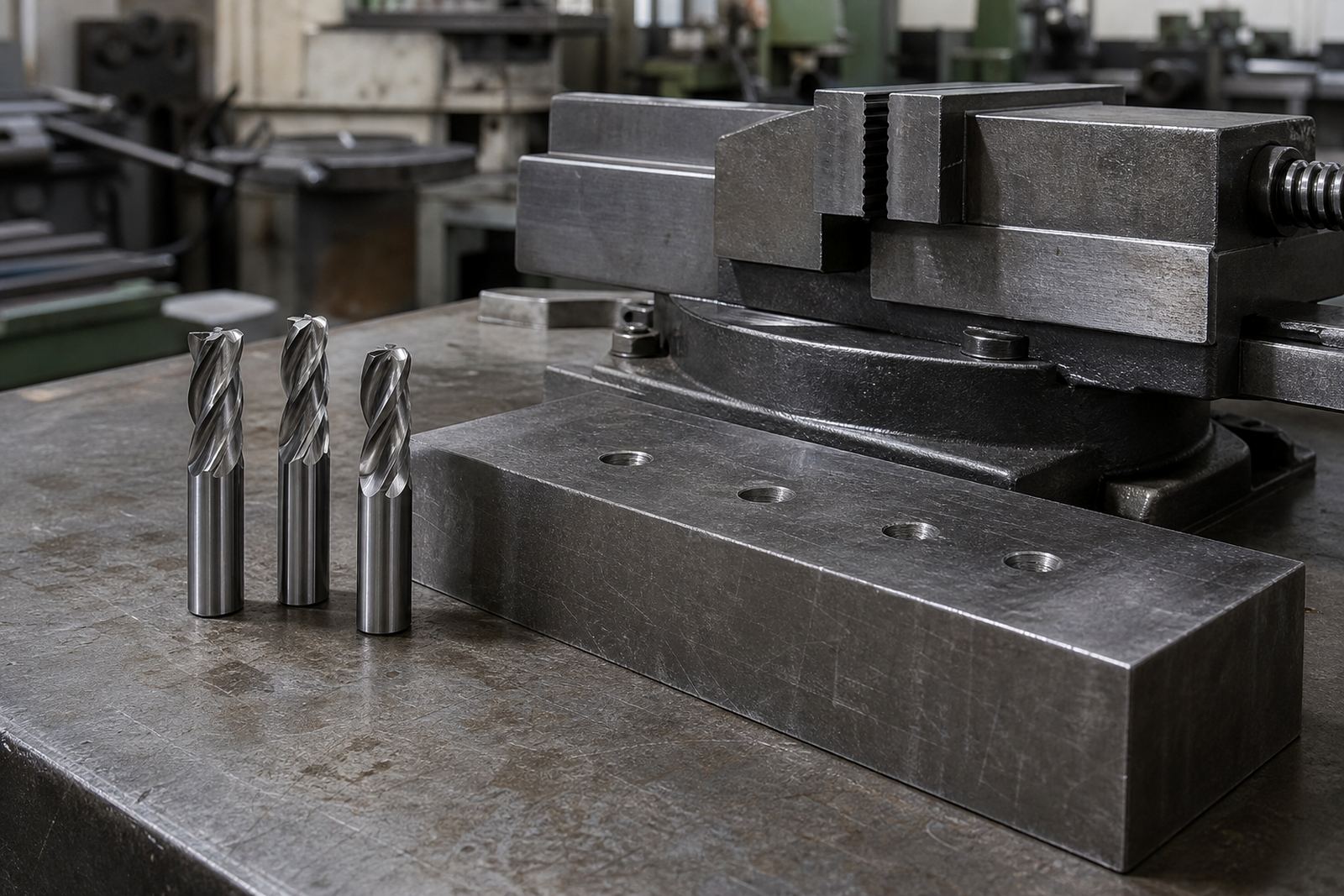
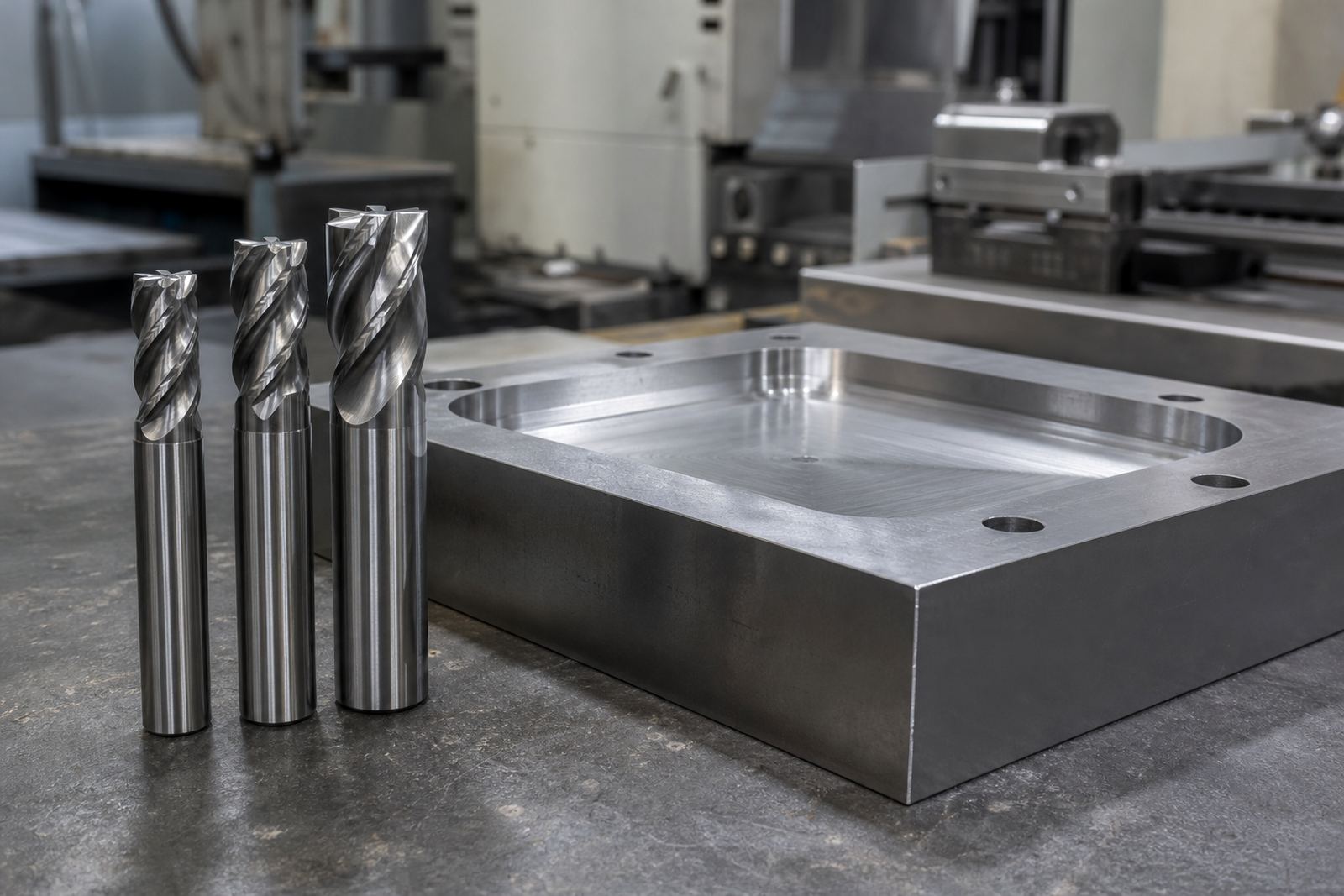
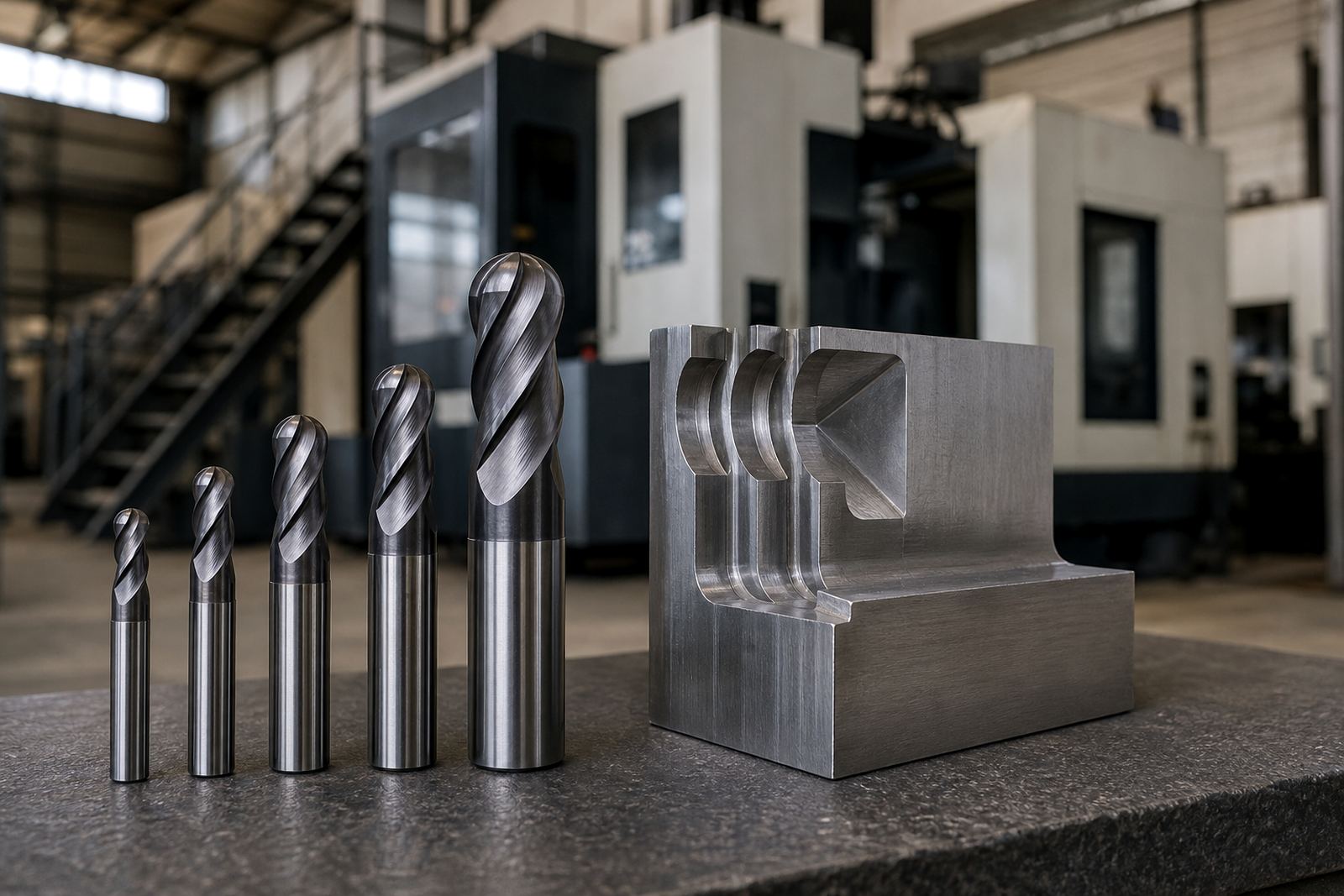
A lollipop cutter is a solid carbide undercut tool with a rounded cutting head on a slim shank. The shape lets the cutter work behind an edge or into a recessed feature without the shank rubbing the wall. In practice, it is used where a normal ball nose or end mill cannot enter at the correct angle, yet the finish still needs to be clean and repeatable.
These tools are common on CNC machining centres doing mould work, precision components, aerospace type details, medical parts and general engineering parts with hidden geometry. They are also useful where a part must be finished in one setup to save time and keep positional accuracy. For shops in Johannesburg, Pretoria or Cape Town, that can mean fewer re-clamps and less risk of scrap on a tight run.
Sizes, head styles and coating choices
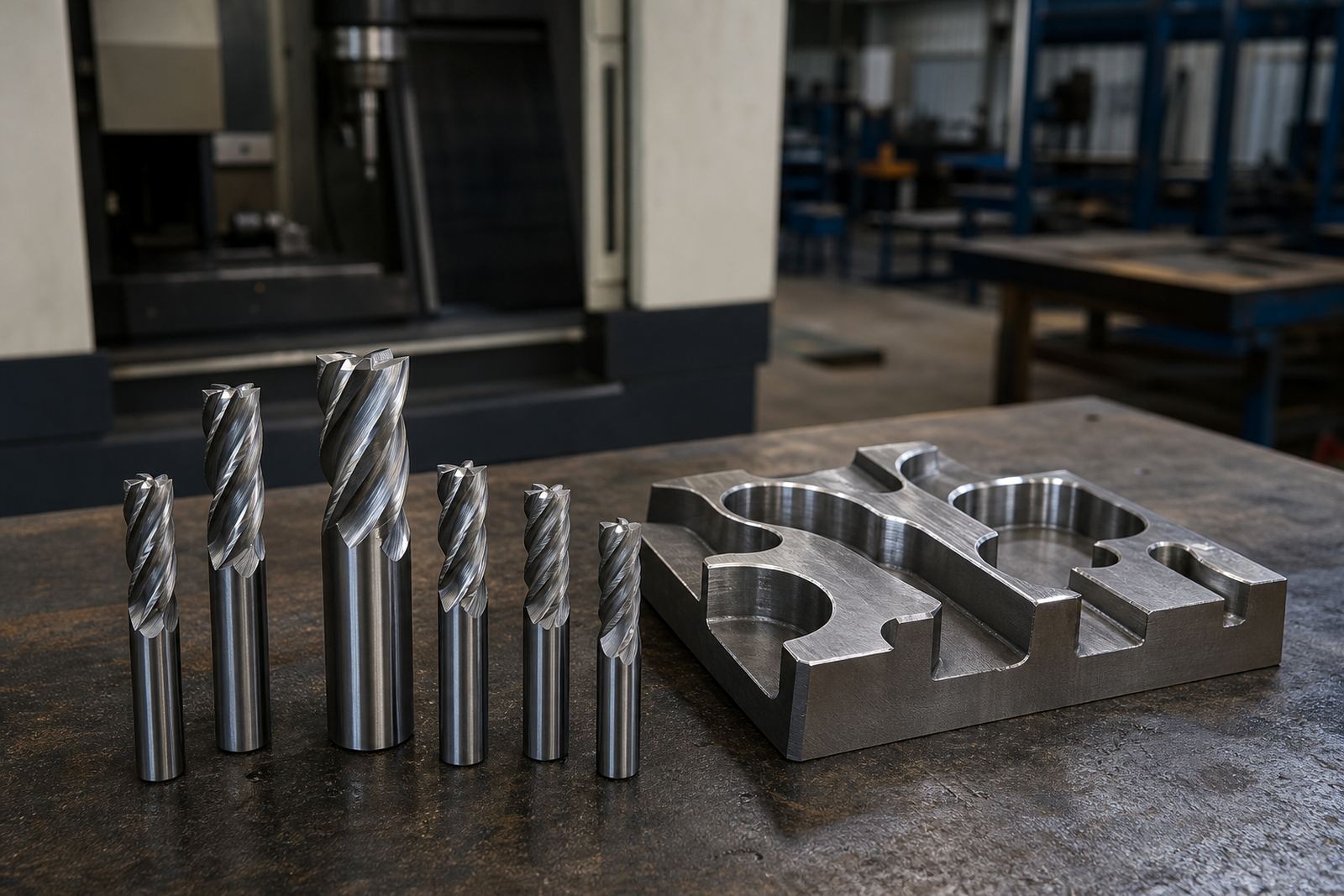
CuTools Carbide supplies lollipop cutters in a range of diameters and neck lengths to suit light detailing through to deeper undercutting. The right size depends on the feature width, wall height and the amount of stick-out needed to clear the surface. Smaller heads are used for fine internal details, while larger heads help on broader back chamfers and larger radius features.
- Head diameters typically from 2 mm to 20 mm, depending on the cut required
- Shank sizes to suit common toolholders on CNC machining centres
- Long neck options for deeper reach where the tool must clear a shoulder
- Uncoated and coated options for different materials and heat loads
- Left and right hand forms may be available for specific toolpaths
For stainless steel, hardened steels, aluminium and engineering plastics, tool choice should match the material and the finish target. A coated cutter is often the better choice where heat and tool wear are a concern, especially on longer cycles and harder alloys.
Where lollipop cutters suit best
These cutters are ideal for features that sit behind a lip or at an awkward angle. Common uses include back chamfers on machined parts, hidden radii inside pockets, dovetail related cleanup, undercuts in mould cavities and small reliefs that need a consistent finish. They are also useful on components with complex surfaces where a programmer wants to clean up an area without altering the main form.
They suit production shops and toolrooms alike. A well chosen lollipop cutter can reduce hand finishing, which helps when deadlines are tight and labour is better spent on inspection or assembly. In coastal areas like Durban or Gqeberha, correct storage matters too, because humidity can shorten tool life if tools are left exposed after a shift.
- Back chamfers and hidden bevels
- Internal radii and relief cuts
- Undercuts behind shoulders or flanges
- Detail work in mould and die applications
- Fine finishing where access is limited
Machine setup, speeds and power needs
Lollipop cutters are used on CNC machining centres with standard spindle drive, so no gas supply is needed. The main setup points are toolholder grip, stick-out, runout and the toolpath itself. Because the cutting head is offset from the shank, the programmer must keep clearance in mind to avoid rubbing and chatter. That is where proper speed and feed advice saves time and stops premature wear.
Use rigid holding, short as practical stick-out and a balanced toolpath with light stepovers where needed. On lighter machines or during load-shedding recovery after power interruptions, check that the spindle and control are fully stable before restarting a critical pass. A cutter that is forced through a poor setup will lose edge life fast, even if the material is easy to machine.
- Use on CNC machining centres with suitable toolholders
- No gas, coolant gas or special supply required
- Coolant or air blast may be used, depending on material and finish
- Keep tool runout as low as possible
- Restart cautiously after a power interruption or spindle stop
Care, storage and regrinding checks
Solid carbide tools last longer when they are cleaned, dried and stored properly after use. Wipe down coolant residue, keep the cutting head protected and avoid mixing worn tools with new stock. In humid conditions near the coast, a light film of coolant left on the tool can lead to staining or grip issues in the holder, so housekeeping matters.
Before reusing a cutter, check the cutting edge for chipping, neck wear and any polish marks that point to rubbing. If the feature is still oversize or the finish is poor, the issue may be setup rather than the cutter itself. A tool life review helps shops in Germiston, Boksburg or Alberton spot whether the problem is speed, feed, toolholder wear or an incorrect tool selection.
- Clean after each shift and dry before storage
- Inspect edges for micro-chips and neck wear
- Keep each size in labelled storage
- Separate tools by job and material where possible
- Review worn tools before sending them back into production
What to check before you place an order
Ordering the correct lollipop cutter starts with the feature drawing and the material spec. The important details are the smallest clearance, required radius or chamfer size, depth of reach and the finish standard expected. If the tool is going into a proven programme, bring the current tool number, spindle speed, feed and coolant method so the replacement matches what already works.
CuTools Carbide supports machining shops across South Africa with tool selection, application support and technical quotations, including urgent tool supply when a line is waiting. If you are comparing options for a repeat job, it helps to know whether the feature is a true undercut, a back chamfer or a hidden radius that needs a specific head profile. That small detail can save a lot of trial cuts.
- Material being machined, including hardness if known
- Feature size, depth and minimum clearance
- Required radius or chamfer angle
- Machine spindle taper and holder type
- Coolant method and target surface finish
- Whether the tool is for roughing, finishing or production standardising
Local support for shops that need the right cutter fast
From Wadeville in Germiston, CuTools Carbide supplies solid carbide end mills and drills, plus specialist cutters like lollipop tools, to machining shops in Johannesburg, Pretoria, Cape Town, Durban and Gqeberha. The team can assist with material matching, sample tool trials and process troubleshooting when a part is giving trouble or a production run must be standardised.
Whether you need one cutter for a tricky repair job or stock planning for regular production, the aim is to get the right tool into the machine with as little delay as possible. For shops working under municipal time pressure, shift changes and power interruptions, that kind of support can make the difference between finishing on time and pushing work into the next day.
Key facts
| Tool type | Solid carbide lollipop cutter for undercutting and hidden feature machining |
|---|---|
| Common use | Back chamfers, hidden radii, grooves behind shoulders and hard-to-reach details |
| Diameter range | Typically 2 mm to 20 mm, depending on the required feature |
| Reach options | Short, medium and long neck styles for different clearances |
| Machine use | CNC machining centres with suitable toolholders and spindle control |
| Supply area | Germiston, Johannesburg, Pretoria, Boksburg, Alberton, Centurion, Cape Town and Durban |