Small-diameter cutters for high-detail CNC work
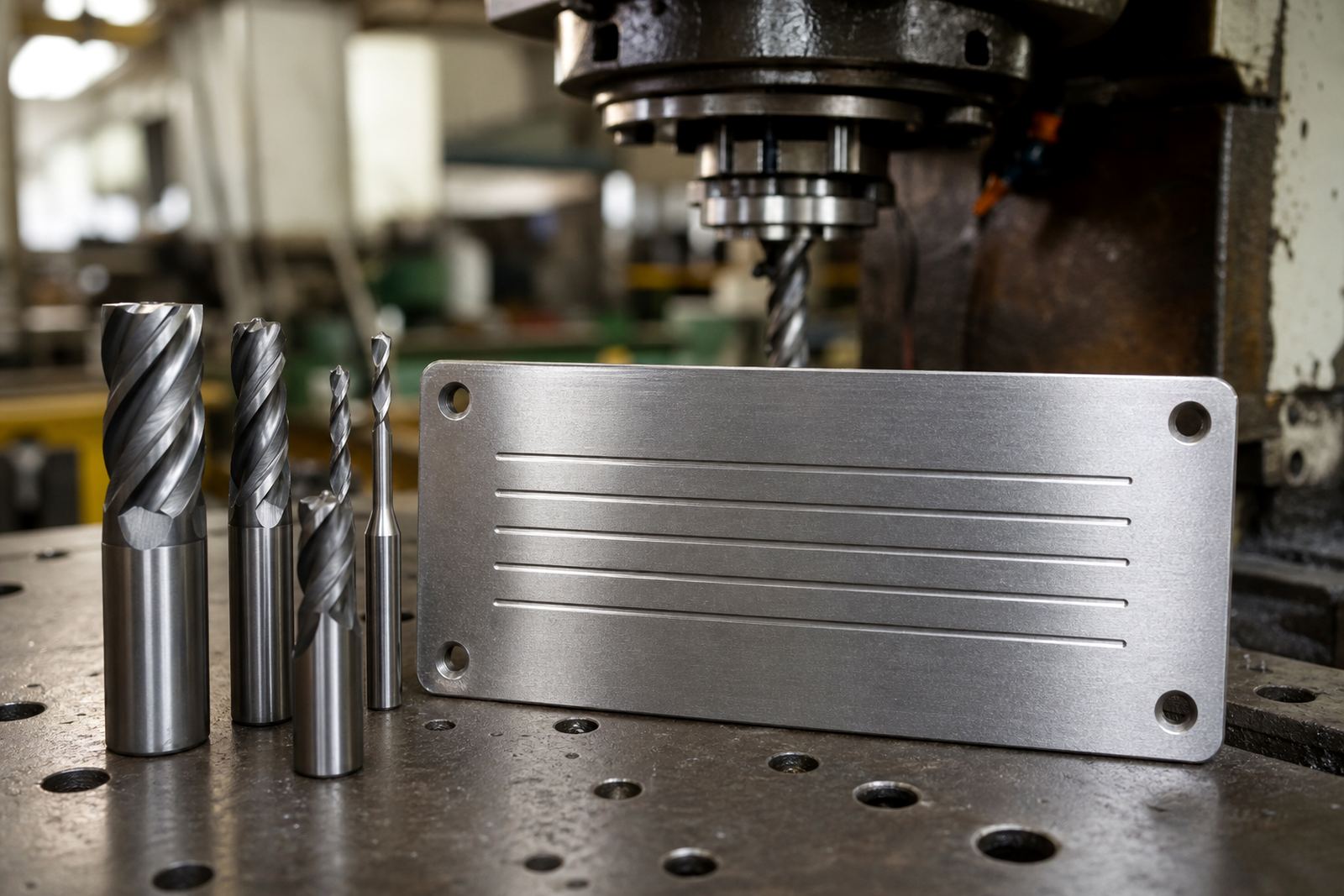
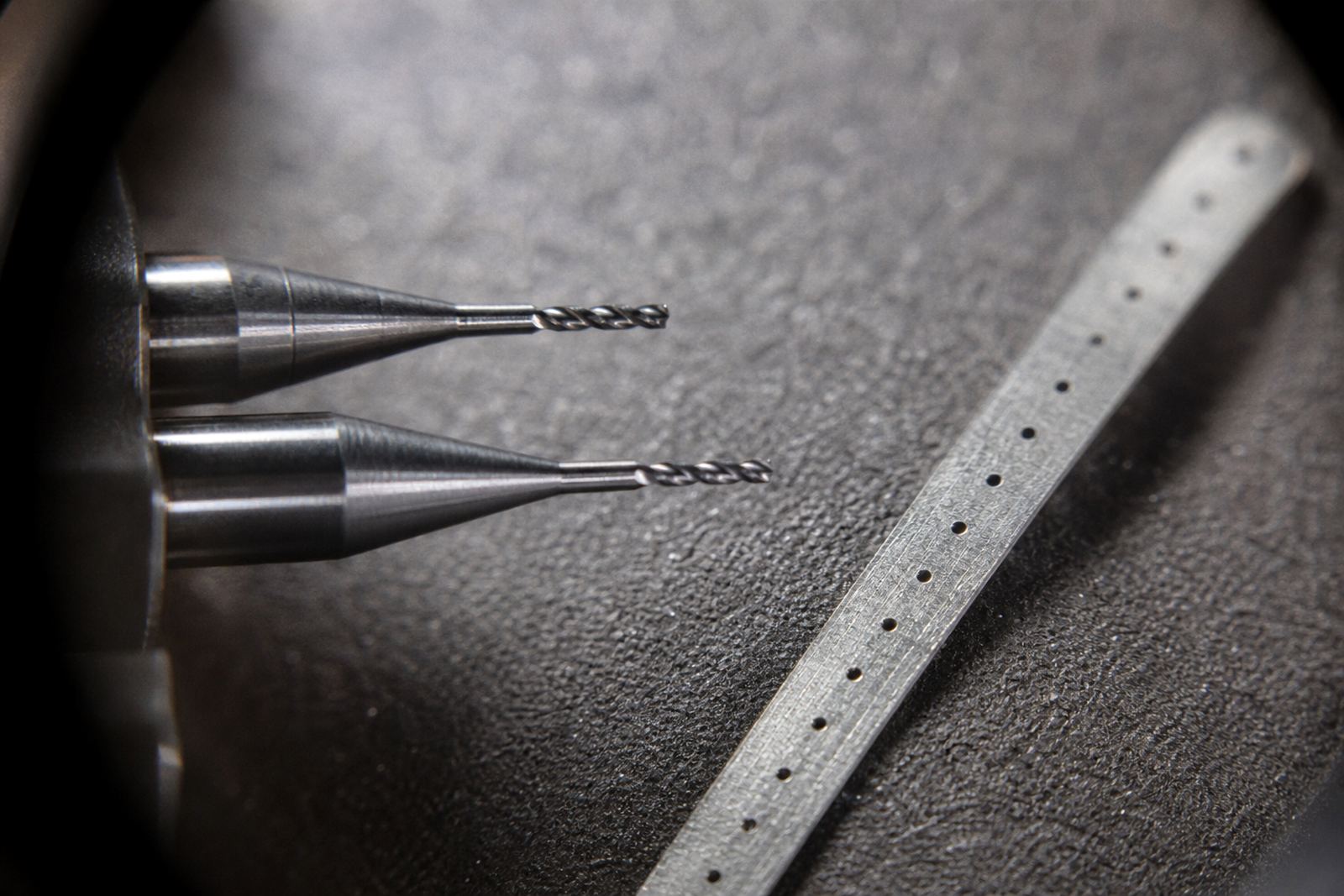
Micro end mills are made for features that standard cutters cannot handle properly, such as fine slots, miniature cavities, small lettering, thin walls and precise corner work. In CNC machining centres they help produce cleaner finish passes and tighter feature control on parts where even a small amount of tool deflection can affect size and surface finish.
These cutters are used by job shops and production teams working with tool steel, stainless steel, aluminium, copper alloys and selected engineering plastics. In South African workshops they are often chosen for medical parts, electrical components, mould detail, instrumentation parts and prototype work where accuracy matters more than fast material removal.
Sizes, flute options and cutting details
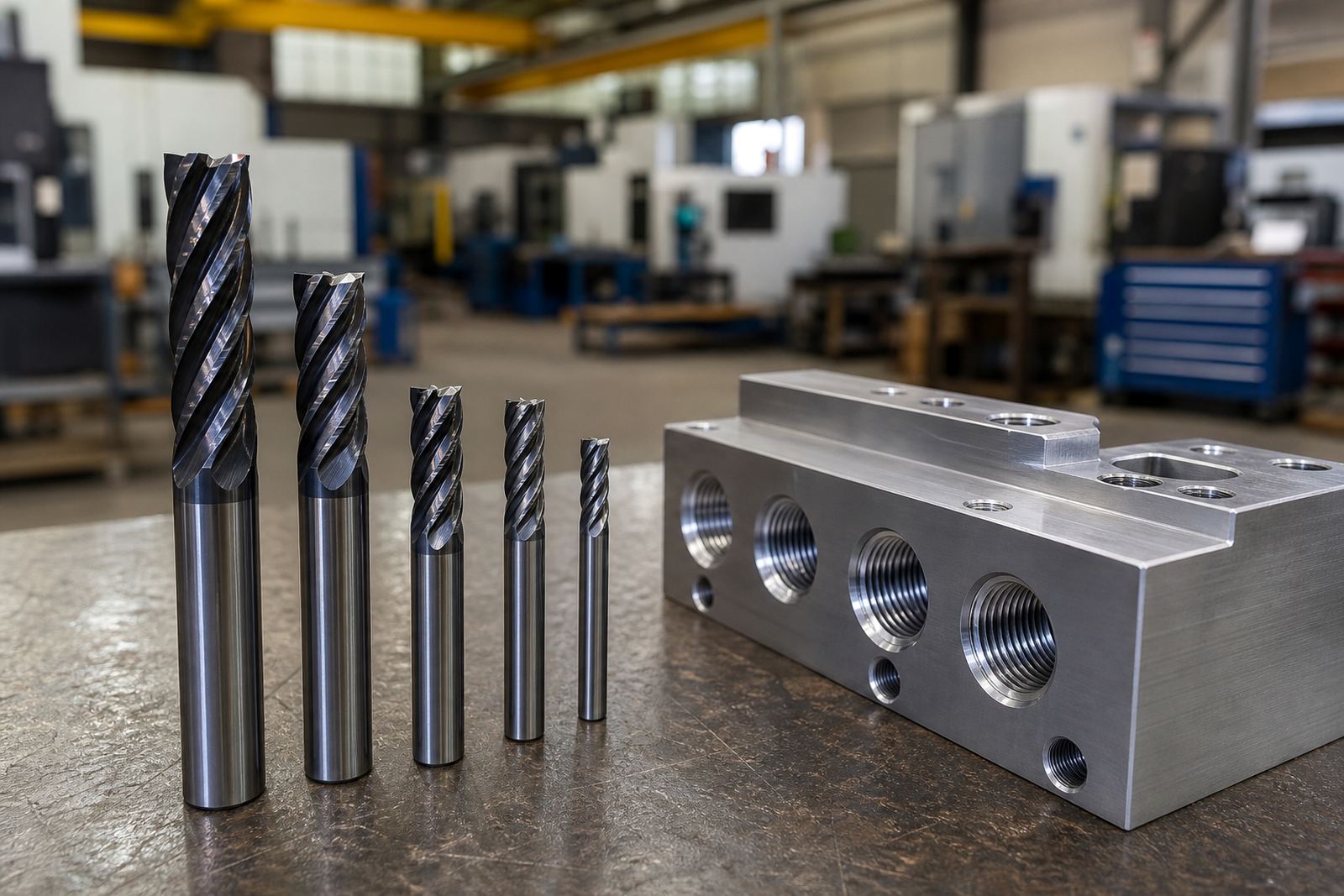
Our micro end mill range covers very small diameters for detail work through to larger fine-detail cutters for light profiling and finishing. Common options include square end, ball nose and corner-radius styles, with 2 flute and 4 flute choices depending on chip evacuation and finish needs. Flute length, neck relief and overall length should be matched to the workpiece depth and the amount of reach needed.
- Typical diameters from 0.2 mm to 6 mm
- Square end for sharp corners, step work and pocketing
- Ball nose for 3D surfacing, mould detail and blended contours
- Corner-radius cutters for added edge strength on fragile features
- Extended reach options for deep pockets and confined areas
- Coated and uncoated versions available for different materials
For most CNC machining centres, the right choice depends on spindle speed, tool holder condition, part material and the level of finish expected. A small tool can be excellent for detail but it must also suit the machine’s runout and stability.
Where micro end mills suit best in local production
Micro cutters are best suited to work that needs fine detail rather than heavy stock removal. They are commonly used in toolrooms, precision engineering, mould and die work, sign and engraving applications, electronics housings and specialised component manufacturing. On the coastal side, where humidity can affect storage and finish, clean handling and dry storage become even more important.
They also help when parts are too small for larger cutters to reach cleanly, or where a light cut is needed to protect thin walls. In many Germiston and Boksburg workshops the real value is not just the finish, but the reduced risk of rework when a small feature must stay in tolerance the first time.
- Ideal for miniature components and tight-feature machining
- Useful on prototype runs and short production batches
- Suited to detailed finishing passes and fine contour work
- Can reduce secondary hand finishing when set up correctly
Machine setup, spindle speed and power needs
Micro end mills do not need gas supply, but they do need the right machine setup. A clean spindle, accurate collet or shrink-fit holder and low runout are essential. Because the cutters are small, even a slight vibration can shorten tool life or cause edge chipping. The machine must also be able to run high spindle speeds steadily, especially on aluminium and smaller diameter cutters.
Coolant or mist can help with chip control and heat, but the method must match the material and the tool coating. On some light cuts, air blast is enough to clear chips and avoid recutting. Load-shedding planning matters too, because interrupted machining can leave a tool buried in a part and damage both cutter and workpiece if power returns unexpectedly.
- Use precise tool holding with minimal runout
- Keep spindle speed high enough for the diameter
- Reduce feed if the setup is not rigid enough
- Use coolant, mist or air blast where suitable
- Check machine warm-up and spindle condition before production
Care, storage and servicing on the shop floor
Micro end mills need careful handling because the cutting edges are small and easy to damage. Store them in indexed holders or labelled cases so the edges do not knock against one another. In humid areas, keep them dry and away from coolant mist when they are not in use. A light protective routine can extend shelf life and reduce rust marks on tool bodies, especially when a tool sits unused for a while.
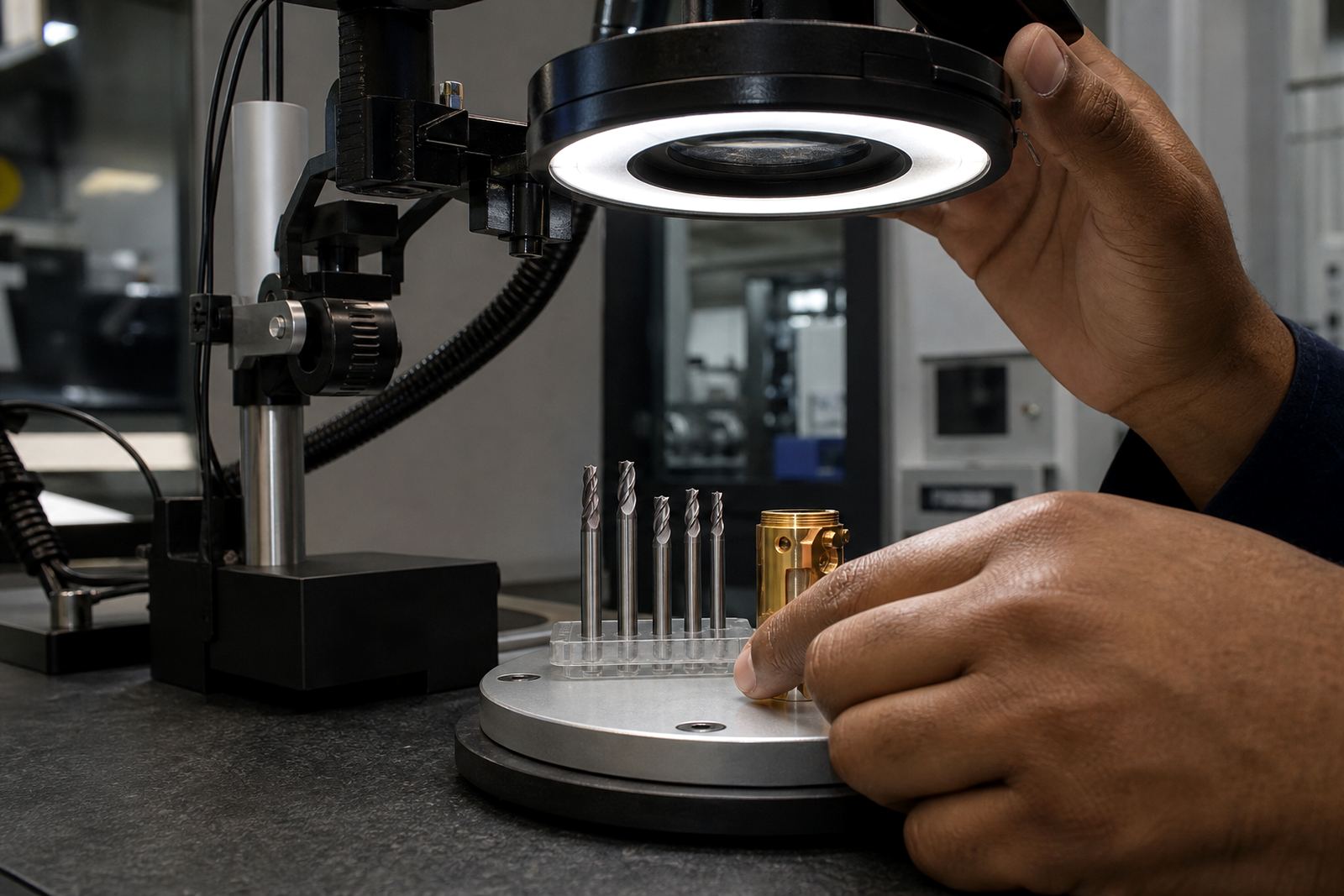
During production, inspect tools often under magnification if possible. Look for edge wear, built-up material, chip welding and signs of rubbing. If a tool starts making noise or the finish changes, it is usually better to stop and check than to push on and lose a batch. Small tools can disappear fast in a production schedule if they are treated like standard cutters.
- Wipe tools clean before returning them to storage
- Separate new, used and worn cutters clearly
- Check for edge chipping after interrupted cuts
- Replace cutters before finish quality drops
- Keep a small spare stock for urgent jobs
What to confirm before you place an order
When ordering micro end mills, the small details matter just as much as the diameter. Confirm the material you are cutting, the smallest feature size, the pocket depth and whether you need a square, ball nose or radius profile. It also helps to know the machine model, holder type and whether you need coated or uncoated tooling for the job.
For stable supply across South Africa, many shops also plan around usage rate, batch size and the urgency of replacement stock. If you are standardising a process across Johannesburg, Pretoria or Cape Town plants, one consistent tool spec can make quoting, setup and tool life tracking much easier. Our team can assist with selection, sample trials and technical quotations when a part is giving trouble.
- Work material and hardness
- Required diameter, flute count and overall length
- Need for square end, ball nose or corner radius
- Cutting depth and reach required
- Machine speed range and holder type
- Expected finish level and production quantity
Key facts
| Material | Solid carbide |
|---|---|
| Diameter range | 0.2 mm to 6 mm |
| Flute options | 2 flute and 4 flute |
| Tool styles | Square end, ball nose, corner-radius |
| Use cases | Detail machining, miniature parts, finishing, light profiling |
| Supply area | Germiston, Johannesburg, Pretoria, Cape Town, Durban, Gqeberha and surrounding areas |