
Solid carbide thread mills for clean threads on CNC machines
Thread milling is a reliable way to cut accurate threads in one tool path, especially when the part calls for control, repeatability and less risk than tapping. Our solid carbide thread mills are used on CNC machining centres for internal and external thread generation across mild steel, stainless steel, aluminium and many engineering plastics. They suit shops that need consistent pitch control, better chip clearance and one tool that can handle multiple thread depths with correct programming.
Compared with tapping, thread milling gives more flexibility on blind holes, larger diameters and hard-to-replace components. If a thread goes off size, the tool path can often be adjusted without changing the cutter. That saves time on production runs and helps with urgent jobs where scrap is not an option. For South African workshops working around load shedding and tight delivery windows, that control matters.
Sizes, thread forms and tool options we supply
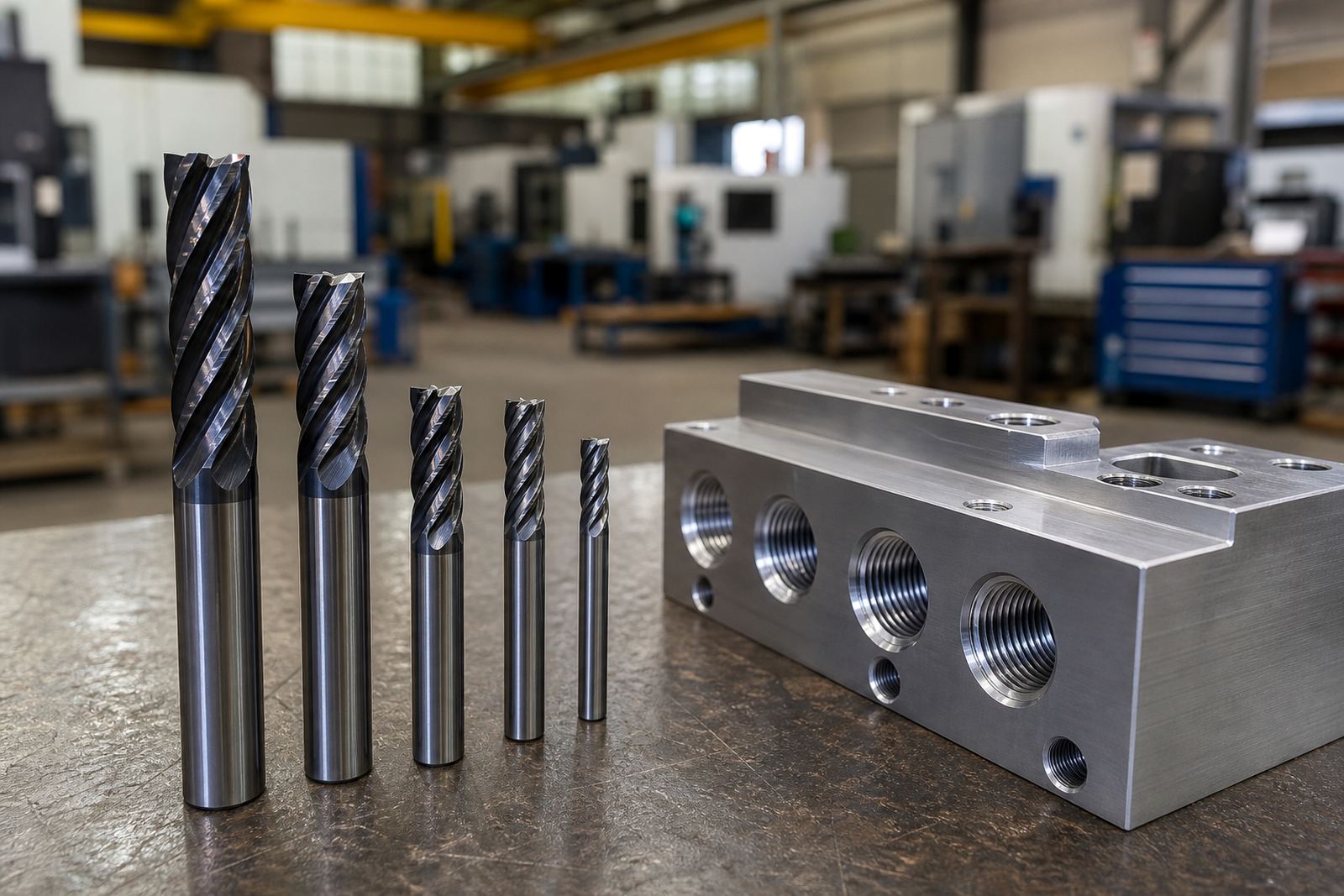
We supply a range of thread mills to suit common CNC work in local manufacturing, engineering and maintenance shops. Options are selected according to thread diameter, pitch and material. Single point thread mills are useful for smaller batches and varied work, while multi-form tools suit repeat production where cycle time matters.
- Metric coarse and fine thread profiles
- Unified and custom profile options on request
- Internal thread mills for blind and through holes
- External thread mills for turned and machined components
- Micro sizes for small precision parts
- Larger diameters for heavy-duty machining and production work
Typical sizes supplied range from small precision tools for compact parts up to larger diameter cutters for industrial components. Tool length, flute count and shank size are matched to the machine setup and the depth of cut, so the cutter does not chatter or pull in use. Some jobs need a short rigid tool, others need extra reach, and the right choice depends on the actual part geometry.
Where thread mills work best in South African production
These tools suit CNC shops doing one-off work, repeat batches and jobs with mixed materials. They are common in automotive parts, general fabrication, pump components, hydraulic fittings, machine building and maintenance manufacturing. In areas like Germiston, Boksburg, Alberton and Centurion, many shops use thread milling where thread quality must stay consistent over long runs.
Thread mills are also a practical choice for Cape Town and Durban workshops working in humid or coastal conditions where tool storage and corrosion control matter. A carbide tool stored correctly stays cleaner and lasts longer, especially when coolant is managed well. On some jobs, thread milling can replace several tap sizes with one cutter and that helps reduce inventory pressure. It is not magic, but it is a very practical way to keep production moving.
- Blind holes where chip evacuation is important
- Large or awkward threads where tapping is risky
- Harder materials and mixed production schedules
- Parts needing controlled size correction
- Shops aiming to reduce tap breakage and rework
Setup, machine requirements and cutting conditions
Thread mills need a properly set CNC machine, the correct programme and stable workholding. No gas supply is needed. A standard CNC machining centre with suitable spindle speed, rigid fixturing and flood coolant or controlled mist cooling is usually enough. High spindle speed helps, but the important part is matching the feed, pitch and tool path to the thread being cut.
For best results, make sure the machine can hold consistent interpolation and that tool holders are in good condition. A worn collet, poor runout or loose clamping will show up fast on a thread mill. Some shops also prefer through-tool coolant, but it is not always necessary. If the machine is running during load shedding backup periods, keep an eye on restart checks and program recovery so the tool does not re-enter a part incorrectly.
- Check spindle runout before setup
- Use stable workholding and correct stick-out
- Confirm pitch, diameter and helix direction in the programme
- Match coolant delivery to chip evacuation
- Keep the holder and tool clean before each run
Care, storage and tool life on the shop floor
Carbide thread mills last best when they are kept clean, dry and used at the right speeds. After cutting, remove chips and coolant residue before putting the tool away. In coastal areas, moisture can mark tools if they are left exposed on a machine or in an open tray. A simple storage system goes a long way and saves money over time.
Inspect the cutting edges for wear, chipping or built-up material before every critical job. If the thread starts to show burrs, poor finish or size drift, check the tool before blaming the programme. Tool life improves when speeds, feeds and coolant are consistent. We also help shops with tool life optimisation and process troubleshooting when threads are not meeting spec or when the same tool behaves differently from one batch to the next. A little attention here stops expensive rework later.
What to check before ordering thread mills
Ordering the right thread mill means checking the thread details, the material and the machine limits before you place the order. If you send through the part drawing or thread call-out, our team can help match the cutter to the job and reduce guesswork. That is often the fastest way to get the right tool first time.
Please confirm the following before ordering:
- Thread size and pitch
- Internal or external thread
- Material type and hardness
- Hole depth or thread length
- Machine type and spindle limits
- Coolant method and holder size
Where the application is unusual, we can help with sample tool trials, technical quotations and on site consultation. Our Wadeville, Germiston base supports enquiries from Johannesburg, Pretoria, Boksburg, Alberton, Centurion, Cape Town and Durban, with stock planning for repeat work and urgent supply when a line cannot wait.
Key facts
| Material | Solid carbide |
|---|---|
| Application | Internal and external thread generation on CNC machining centres |
| Thread types | Metric, fine pitch and selected custom profiles |
| Shank options | Matched to machine and holder requirements |
| Coolant | Flood coolant, mist or through-tool where suitable |
| Supply area | Germiston, Johannesburg, Pretoria, Cape Town, Durban and Gqeberha |