Built for stainless that runs hot and grabs
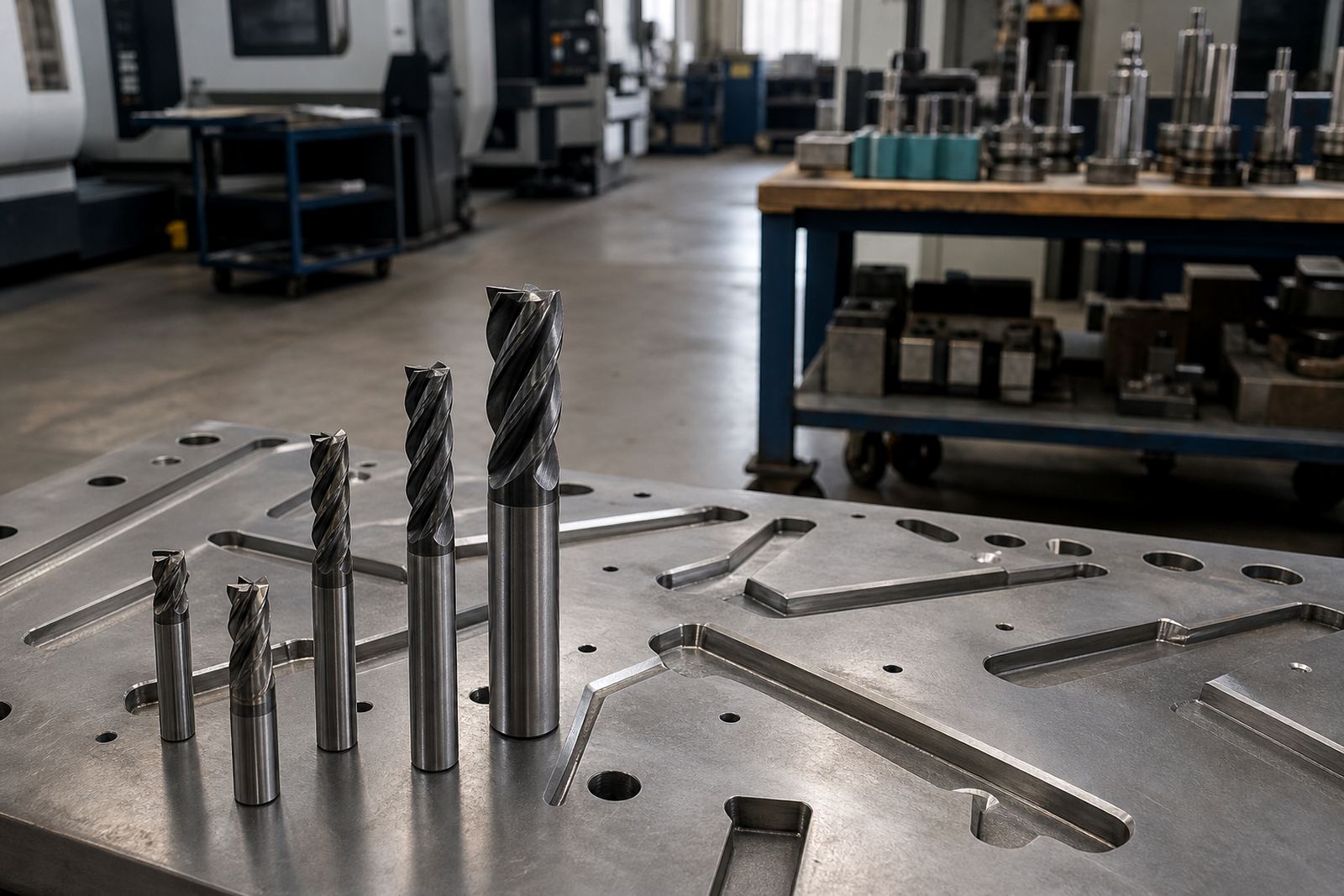
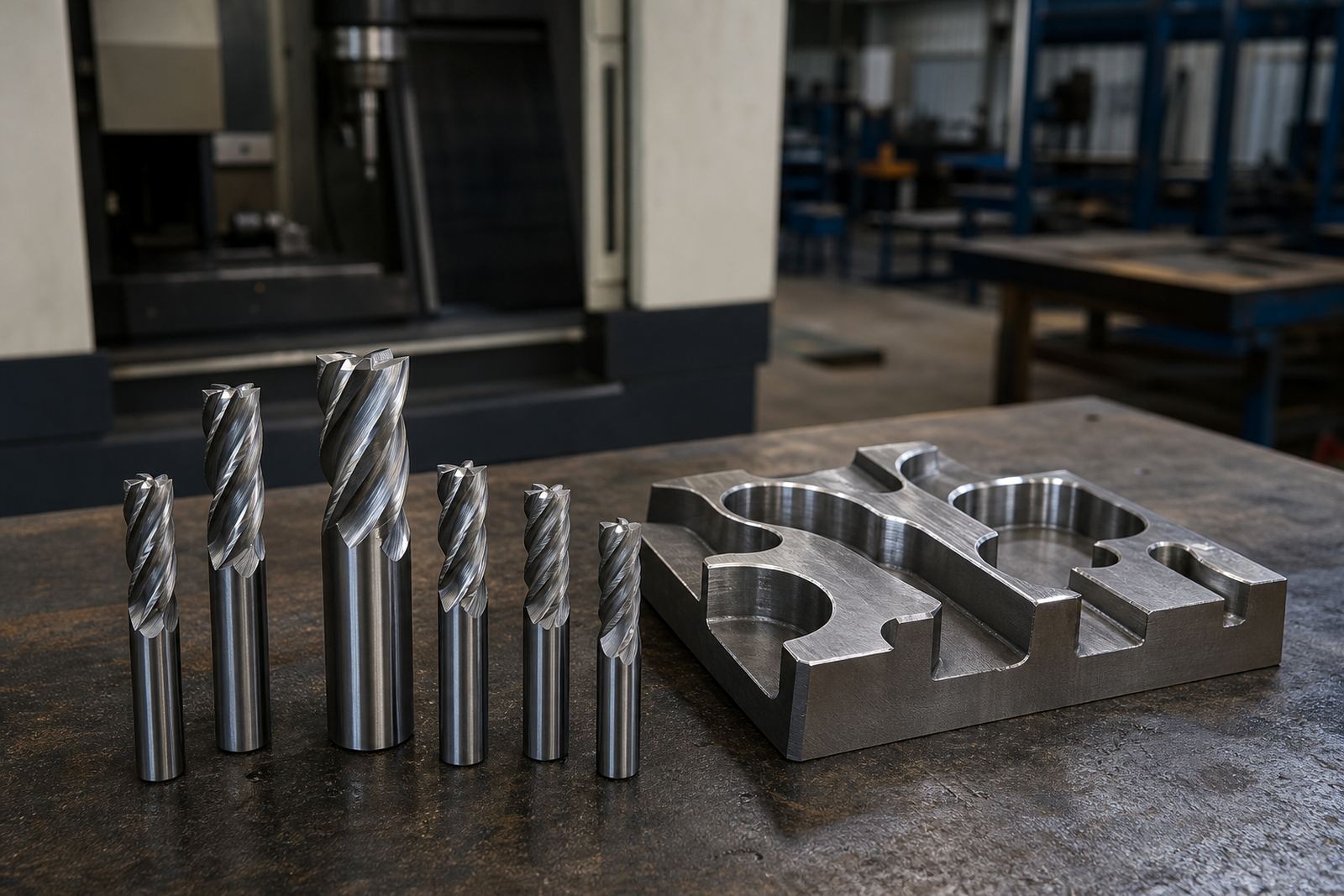
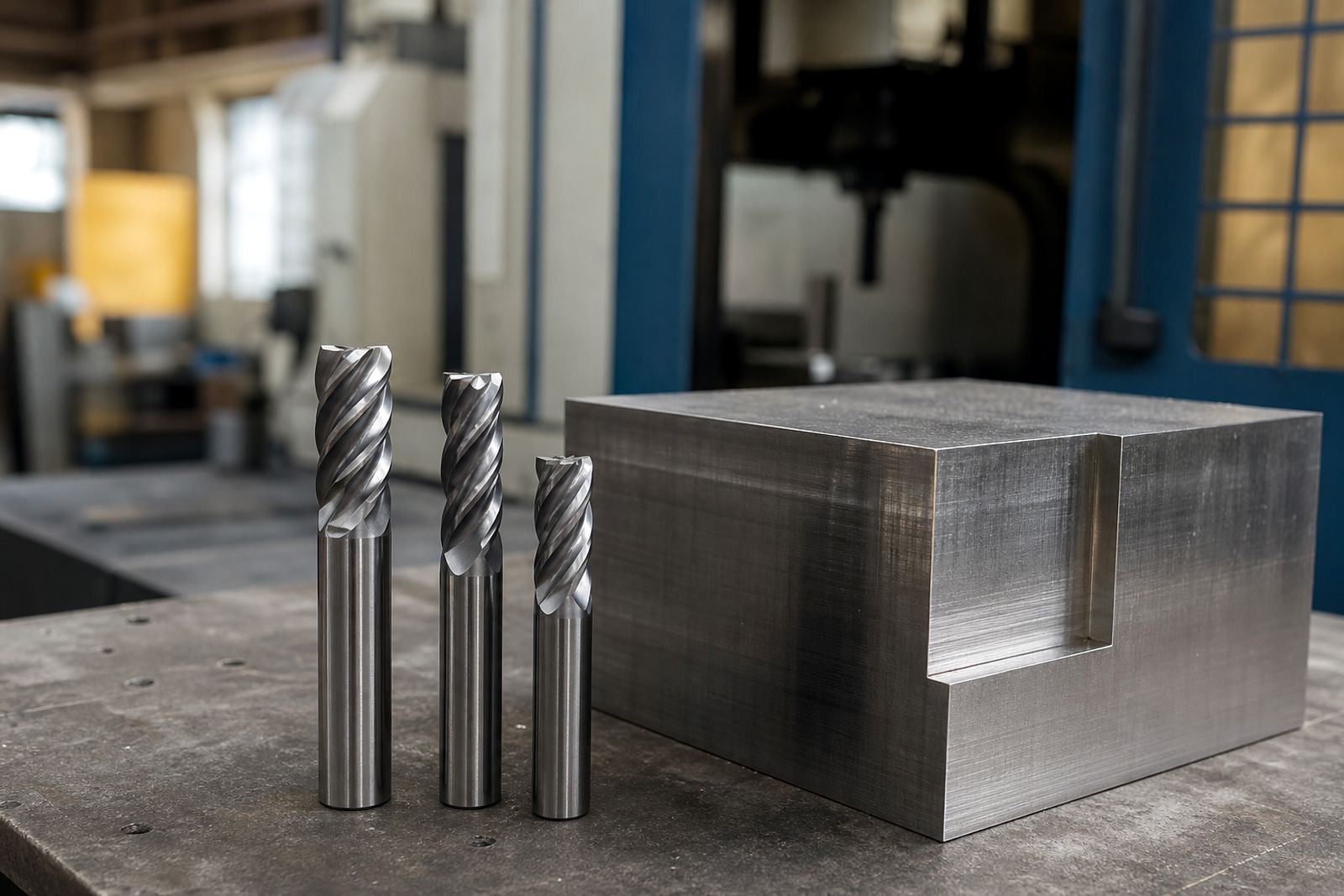
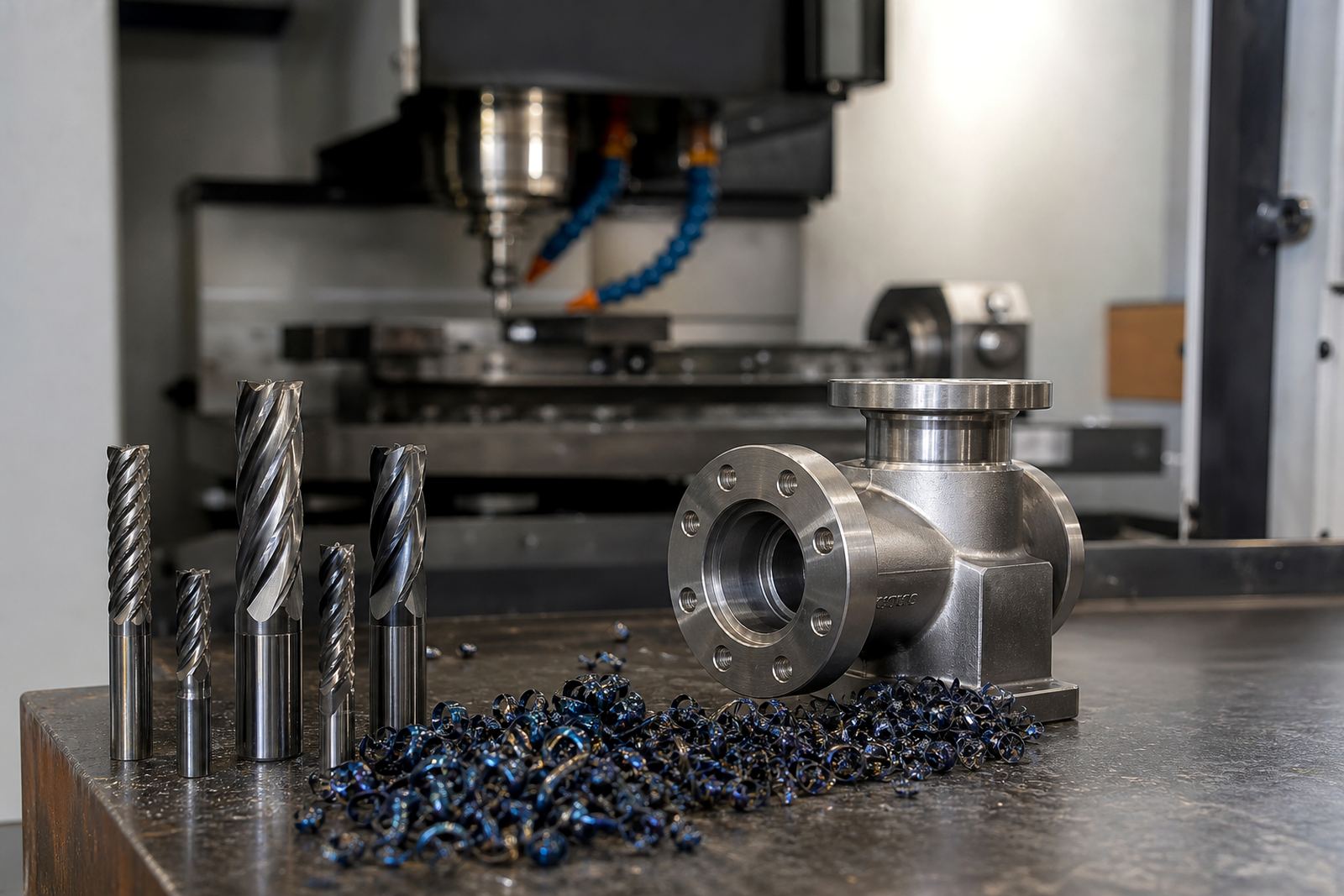
Stainless machining asks a lot from the cutter. The material work hardens, holds heat at the cutting edge and can chip a tool if the feed is wrong or the flute geometry is not suited to the job. CuTools Carbide stainless end mills are made for those conditions, giving South African CNC shops a better option for general stainless, corrosion resistant alloys and tough production parts.
These tools are aimed at milling operations where edge strength matters more than aggressive stock removal. They are suitable for machine shops in Germiston, Johannesburg, Pretoria, Cape Town, Durban and Gqeberha that need dependable tools for repeat work, fewer stoppages and cleaner finishes. In hot summer conditions and with load shedding interrupting schedules, a cutter that holds its edge a bit longer helps keep the job moving.
- Solid carbide construction for stiffness and wear resistance
- Designed for stainless steels and similar difficult materials
- Good choice for slotting, side milling, contouring and finishing passes
- Better control of heat at the cutting zone when used with the correct feeds and speeds
Sizes and options for day to day CNC work
Stainless end mills are available in common diameters for production and maintenance work, from small detail cutters through to heavier roughing sizes. The right selection depends on part geometry, machine rigidity and how much engagement the cut needs. Shops working on pump parts, food grade components, fastener plates and general engineering jobs often keep a mixed set so they can cover roughing and finish work without delay.
Typical options include 2 flute, 3 flute and 4 flute styles, with short flute and long reach choices where needed. Corner radius options are useful where sharp corners tend to chip, and variable helix designs can help reduce chatter on less rigid setups. For long jobs or smaller machines, a shorter gauge length often gives better stability than a longer tool that flexes under load.
- Diameter range for small to medium CNC applications
- Square end and corner radius options
- Short, medium and extended reach variants
- Unequal helix and variable pitch options for vibration control
Where stainless end mills suit best
These cutters suit CNC machining centres running stainless parts in jobbing shops, general engineering plants and production lines. They are a practical fit for components that need a neat finish with controlled cutting forces, such as brackets, housings, flanges, manifolds and parts that see moisture or washdown in service. Coastal humidity can affect stored tooling and raw material, so a cutter that stays consistent helps reduce scrap and rework.
They are also a sensible choice where the machine is not always at peak condition. If spindle runout, tool holder wear or coolant delivery is not ideal, stainless will expose the weakness quickly. Using the correct end mill helps, but the machine setup still needs attention. On older CNC machines in Germiston or Boksburg for example, a steady toolpath and proper workholding make a clear difference.
- Best for austenitic and other difficult stainless grades
- Suitable for wet machining and coolant-assisted cutting
- Useful in both batch work and repeat production runs
- Helps reduce burrs where finish quality matters
Installation, spindle setup and power needs
These are CNC tools for machining centres and similar equipment with a proper spindle, rigid holder and controlled feed. No gas supply is required. Coolant, mist or air blast may be used depending on the grade of stainless and the machine arrangement, but the main requirement is stable machine power and correct tool engagement. On thinner machines, too much radial engagement will cause vibration and poor edge life.
Before starting, check toolholder cleanliness, runout and drawbar condition. A clean holder and correct torque on the clamping system help protect the cutting edge. For stainless jobs, keep the cut engaged enough to avoid rubbing because rubbing heats the tool and hardens the material. If the feed is too light the cutter can squeal and the finish gets worse rather than better, which is never ideal.
- No gas or special utility connection needed
- Use with standard CNC spindle holders and collets
- Coolant or air blast recommended where chip evacuation is tight
- Check spindle runout before fine finishing work
Care, storage and tool life control
Stainless end mills last longer when they are kept dry, stored properly and used with a sensible cutting strategy. In coastal areas, humidity can leave condensation on bare tools, so storage in closed cupboards or sealed boxes is useful. After use, clean off chips and coolant residue, then inspect the cutting edge for micro chips or rounding. A small amount of wear can be managed, but once the edge starts to burnish the material the finish will drop off quickly.
For better tool life, keep the machine and holders in good order, use the right feed per tooth and avoid dwelling in the cut. Tool life optimisation is often about small changes rather than one big change. If a tool is failing early, the issue may be chip packing, excess overhang or the wrong toolpath, not only the cutter itself.
- Store tools dry and away from moisture
- Inspect for edge wear after each production run
- Replace or regrind only when the edge is still structurally sound
- Track cutting time so repeat jobs can be standardised
What to confirm when ordering
When ordering stainless end mills, the important details are the stainless grade, the machine type, the operation and the target finish. A tool that works well on one job may not suit another if the depth of cut, reach or surface quality is different. Give the cutter diameter, flute count, overall length and flute length needed, then match that to the part and machine setup. If the job has narrow walls, deep pockets or interrupted cuts, mention that too.
It also helps to know whether the job is roughing, semi-finish or finish only. For urgent tool supply or sample tool trials, clear information speeds up the quote and avoids back and forth. CuTools Carbide works with machining shops across South Africa from Wadeville, Germiston, and the team can help with tool selection, application support and material matching when the job is tricky.
- Stainless grade or material spec
- Diameter, flute count and reach needed
- Job type: roughing, finishing or slotting
- Machine model, holder type and coolant setup
Key facts
| Material | Solid carbide |
|---|---|
| Use | Stainless steel milling on CNC machining centres |
| Flute options | 2 flute, 3 flute and 4 flute |
| Diameter range | Common small to medium CNC sizes |
| Geometry | Square end, corner radius and variable helix options |
| Supply area | South Africa, including Gauteng and coastal manufacturing centres |