Why the fastest program is not always the cheapest part
In machining, the temptation is to chase cycle time first and ask questions later. That can work on a one-off job, but in daily production the real target is cost per good part, not just the shortest spindle time. A tool that tears through a batch in half the time but dies early may leave you worse off once changeovers, scrap, and rework are added in.
Solid carbide end mills and drills are made for speed, but they still need the right balance of surface speed, feed, step-over and engagement. In a shop near Wadeville or Jet Park, the difference between a clean, stable cut and a noisy, overworked one can show up after only a few hours. The machine may sound fine, then the edge chips and the finish starts going off. That is where the true cost starts creeping up.
- Shorter cycle time matters only if the tool survives the full batch.
- Stable cutting usually gives better finish and fewer rejects.
- Longer tool life reduces interruptions during busy shifts.
What changes tool life on South African shop floors
Tool life is shaped by more than speed alone. Material type, coolant delivery, chip evacuation, machine condition and operator consistency all play a part. A tool cutting mild steel in Germiston will not behave the same way as one cutting stainless, tool steel or aluminium for a subcontractor in Pretoria or Cape Town. Coastal humidity can also affect storage and chip control, while inland dust and heat can put extra strain on holders, collets and coolant quality.
Load-shedding adds another layer. When production stops and starts, tools may sit in the spindle longer than planned, coolant can settle and settings can drift if the team is rushing to recover lost time. That is why a sensible cutting plan should work not only in ideal conditions, but also when the shift is interrupted and the machine comes back online fast.
- Material hardness and toughness change the cutting load.
- Poor chip clearing can cause recutting and early wear.
- Inconsistent coolant flow can overheat the cutting edge.
- Machine vibration, runout and worn holders shorten life quickly.
Finding the sweet spot without guessing
The best balance comes from controlled testing, not guesswork. Start with the tool maker’s recommended range, then adjust in small steps. If the tool is lasting well but the cycle is slow, raise the feed or speed carefully. If the finish is good but the edge is wearing too fast, reduce heat and load before the tool starts to fail. It helps to change one variable at a time so you know what actually improved.
On a production run, the aim is to keep the cut stable. A slight reduction in spindle speed with a firmer feed can sometimes improve chip formation and extend life. On the other hand, running too gently can rub the edge and create heat. The right answer often depends on whether the job is roughing, finishing or drilling deep holes that need better chip control.
- Raise or lower only one setting per test.
- Watch chip colour, size and consistency.
- Listen for chatter, squeal or a change in cutting tone.
- Record tool life per batch so the next run starts with facts.
What a practical trial looks like in a real shop
A small machining shop in Germiston handling repeat work for brackets and shafts may think a tool is failing when the real issue is the process. For example, an end mill might be blamed for premature wear, but the holder may have runout, the coolant nozzle may be aimed wrong, or the workholding may allow a faint movement under load. Once those details are corrected, the same tool can run longer and cut cleaner without slowing the job down much.
That is why sample tool trials are useful. They show how a tool behaves on your own machine, with your own material and your own operator habits. A trial also helps when a shop is moving from jobbing work to more repeat production and needs a more predictable life per tool, not just a tool that works once and then falls away after three parts.
At CuTools Carbide, the practical side matters. The focus is on tool selection, application support and process troubleshooting so the shop can make a confident call. Sometimes the answer is a different cutter geometry. Sometimes it is a change in speeds and feeds. Sometimes it is simply stock planning so the right tool is on hand before a rush order lands.
Signs your cutting settings are too aggressive
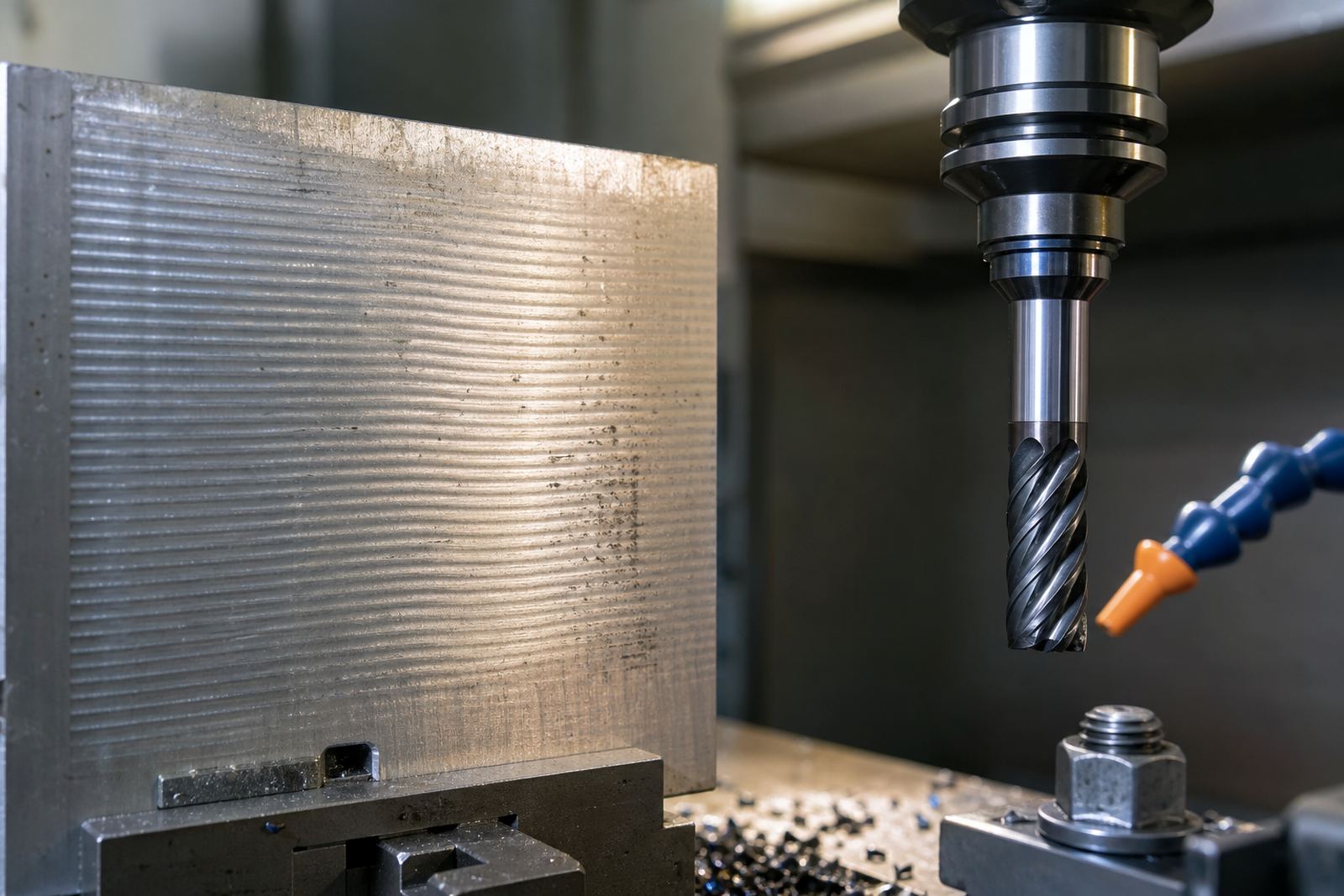
There are clear warning signs when a tool is being pushed past a sensible limit. If the finish starts to burnish instead of cut, chips come off as dust or long strings, or the tool life drops sharply from one batch to the next, the process needs attention. The same applies when a drill starts wandering, the hole size drifts, or the operator keeps having to slow the machine down halfway through a run.
It is not always about backing off completely. Often the best move is a controlled correction that keeps output healthy while protecting the edge. That might mean improving coolant delivery, shortening stick-out, changing the entry strategy or adjusting feed rates to suit the material. Small changes can make a proper difference, and often more than people expect.
- Chatter marks or a rough surface finish.
- Edge chipping visible under inspection.
- Heat discolouration on the tool or chips.
- Higher power draw or a machine that starts sounding strained.
How local support helps keep production moving
Shops in Johannesburg, Pretoria, Boksburg, Alberton, Centurion, Cape Town and Durban all face the same pressure: keep machines cutting, keep tolerances in check and avoid delays. The difference is that each shop has its own mix of materials, shift patterns and customer deadlines. A good carbide supply partner should understand that and respond with practical advice, not generic recommendations.
That is where support around technical quotations, urgent tool supply, production standardising and on site consultation becomes useful. For a plant in Gqeberha working through stainless jobs, or a subcontractor in Johannesburg running multiple CNC machining centres, the value lies in getting a tool that fits the process and a cutting plan that protects the margin. The goal is always the same: steady output, sensible wear and less waste.
Since 2009, CuTools Carbide has focused on solid carbide end mills and drills for South African machining shops. Under the leadership of Marius van der Merwe, with support from the sales, technical, operations and warehouse team, the aim is straightforward: help customers find the right balance between speed and tool life so each shift runs better, not just faster.