What a coating is meant to do in real cutting work
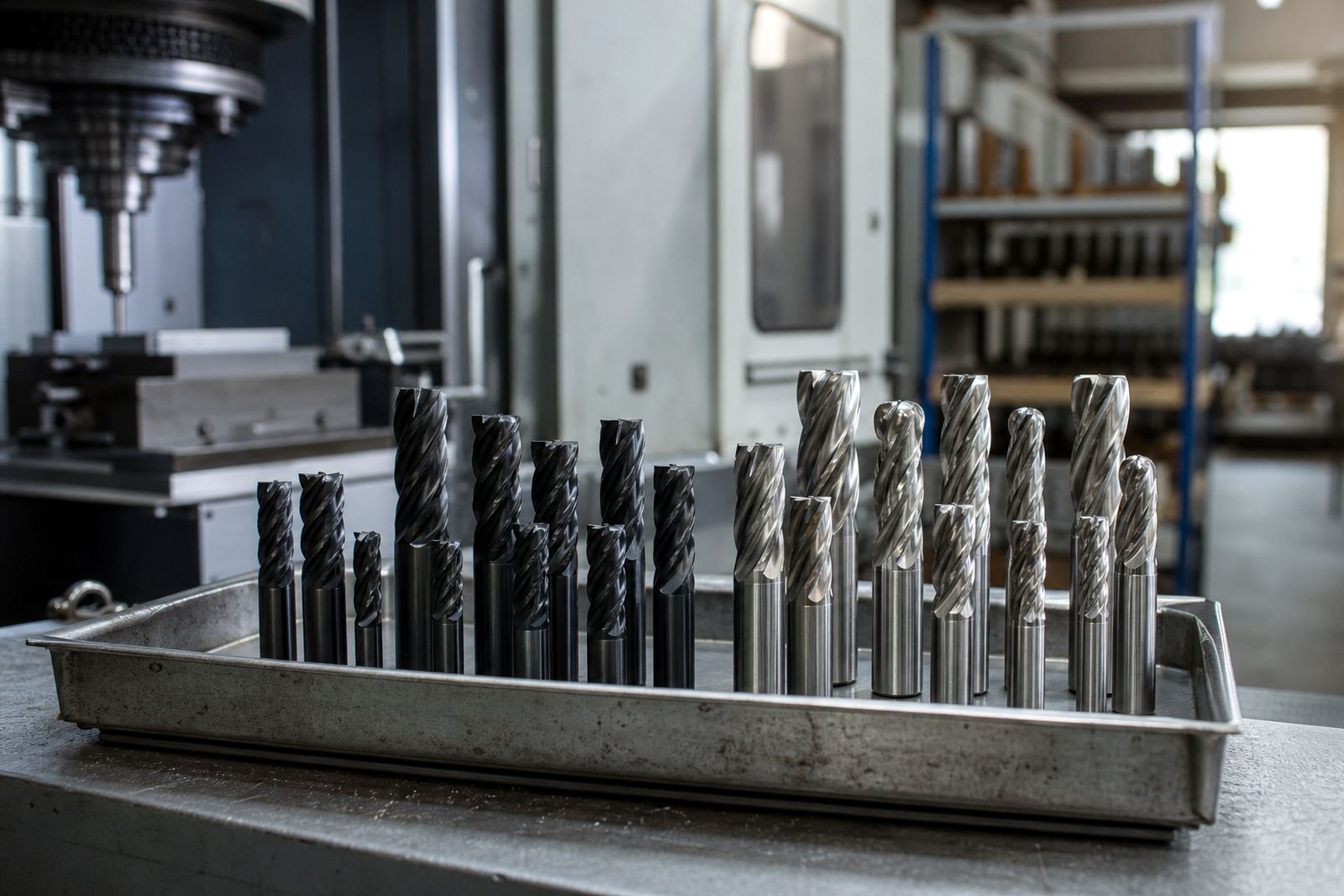
A coating is a thin surface layer applied to a solid carbide cutter or drill to change how the tool behaves in cut. In plain terms, it helps the cutting edge move through material with less rubbing, less heat transfer and slower wear. That can matter a lot in long runs, especially where the same cutter has to keep holding size across many parts.
For most CNC machining centres, the coating is there to support the tool, not replace good setup. If the tool is being pushed too hard, the holder is not gripping well, or chip evacuation is poor, a coating alone will not save it. The benefit is usually best seen when the cutting data, material and machine condition are already in the right range.
Which jobs usually gain the most from coated tools
Some applications place much more stress on the cutting edge than others. Tough steels, stainless grades, abrasive cast materials and long production cycles often make coatings worthwhile. They can also help where the workshop is dealing with warm machines, dry cutting or interrupted cuts that shock the edge on entry and exit.
- Higher cutting temperatures from harder materials or faster spindle speeds
- Longer tool contact time in pocketing, profiling and deep drilling
- Built up edge on sticky materials such as certain aluminium and stainless jobs
- Repeated production work where tool life consistency matters more than a cheap first pass
- Wet or dry conditions that change how chips clear the flute
In a busy Germiston or Boksburg shop, a coated end mill can be the difference between changing tools halfway through a batch and finishing the shift with steady dimensions. But the coating must suit the job, otherwise it is just extra cost.
Why the wrong coating can still waste time and money
Not every coating suits every material. A tool that performs well in alloy steel may behave badly in aluminium, and a drill that works cleanly in mild steel may struggle if the chips pack in on a deeper hole. The common mistake is choosing a coating because it sounds harder, when the real need is lower friction, better heat resistance or better chip release.
When the coating and the job do not match, the symptoms are easy to spot. Edge wear can appear early, chips may weld onto the tool, surface finish may become patchy and tool size can drift before the batch is complete. Some shops then keep increasing feed or slowing down spindle speed in the wrong direction, which makes matters worse.
- Too much heat: edge wear, colour change and shorter life
- Poor chip flow: re-cutting chips and poor hole finish
- Wrong friction level: built up edge on softer materials
- Incorrect feed and speed: coating fails before it has a fair chance
That is why application advice matters. The cutting data has to suit the coating, not the other way around.
Application still matters more than the coating itself
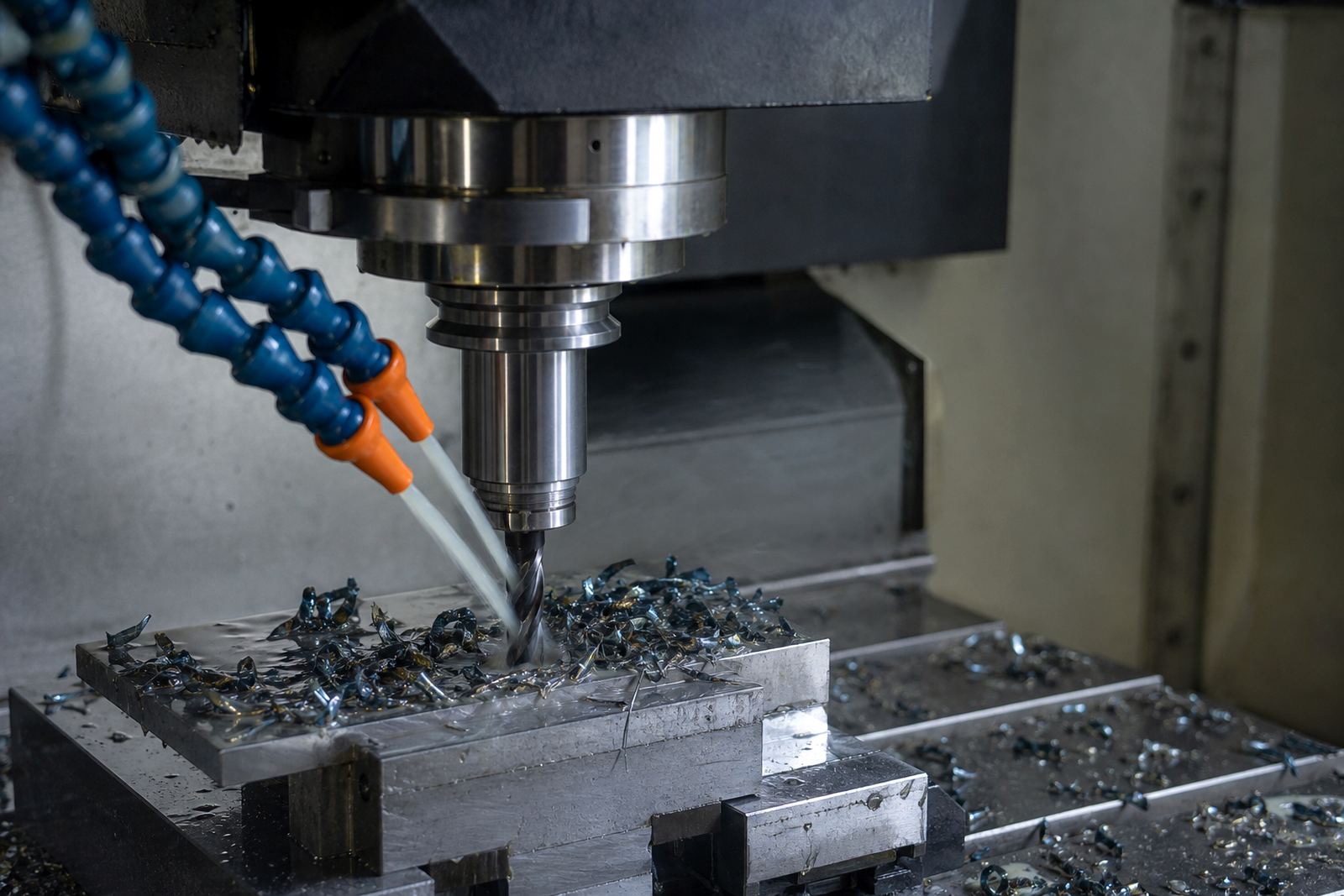
A coating can help a good process work better, but it cannot fix a weak one. Machine rigidity, tool overhang, workholding, coolant delivery and spindle condition all affect the result. If a tool is hanging out too far from the holder, chatter will damage the edge faster than any coating can protect it.
For South African workshops balancing production with load-shedding, it is also important to think about restart conditions. When a machine stops mid cycle and starts again, the tool may re-enter hot material or packed chips. A suitable coating can help, but the operator still needs a sensible restart procedure and a clean path for chip removal. In humid coastal towns like Durban or Gqeberha, storage and corrosion control matter too, because a tool that sits incorrectly protected can lose performance before it even reaches the spindle.
Good application practice usually gives bigger gains than changing coating alone. That includes checking runout, setting correct coolant flow, using the right flute count and making sure the cut is stable enough for the tool to work as intended.
How to choose between coated and uncoated tools
The better question is not whether coating is always needed, but whether it adds value in that specific job. For light deburring, short runs in easy material or jobs where cost must be kept tight, an uncoated tool may be entirely suitable. For tougher jobs, higher spindle speeds or production parts where consistency matters, the right coating can pay back quickly.
It helps to look at the full picture before placing an order. Material type, hole depth, slot width, coolant pressure, machine horsepower and the required finish all affect the choice. In some cases a coated drill is the right answer, while in others a plain solid carbide tool with the correct geometry will outlast a coated one.
- Use coated tools where heat and wear are the main problem
- Use uncoated tools where friction is low and the cut is short
- Match flute count and geometry to chip evacuation needs
- Check whether the machine can hold the speeds and feeds required
- Ask for a sample trial when the material or job is uncertain
A practical example from a Gauteng production floor
A machining shop in the East Rand may be running medium carbon steel brackets on a deadline, with a mix of day shift and night shift production. The first complaint is often short tool life, followed by inconsistent slot width and a rougher finish near the end of the run. The instinct is to blame the cutter immediately, but the real issue may be a combination of too much overhang, worn coolant nozzles and cutting data that is a little too conservative.
Once the application is reviewed, the tool choice becomes clearer. A coated solid carbide end mill with the right flute count and a sensible engagement strategy may hold edge quality for longer, but only if the feed rate is increased enough to let the tool cut properly. If the operator keeps rubbing the edge with too light a feed, the coating will not help much. This is where practical support matters: not just supplying the tool, but helping the shop use it correctly so production stays predictable.
That same approach works across Johannesburg, Pretoria, Cape Town, Durban and Gqeberha. The material may change, the machine may differ, but the principle stays the same: coating is a useful support, not the whole solution.
The right takeaway for CNC buyers and workshop teams
Tool coatings are valuable because they can extend life, improve resistance to heat and support more stable cutting. Yet they work best when the application is already controlled. If the cutter is wrong for the job, the coating only delays the problem.
For buyers and production teams, the sensible route is to treat coating as one part of the decision. Look at the material, the machine, the clamping method, the cutting data and the batch size. When all of those line up, a coated end mill or drill can give better value, fewer stoppages and more consistent parts. That is where the real saving is, not in the coating alone but in the way it is applied in the shop.