
Why job shops need a different buying plan
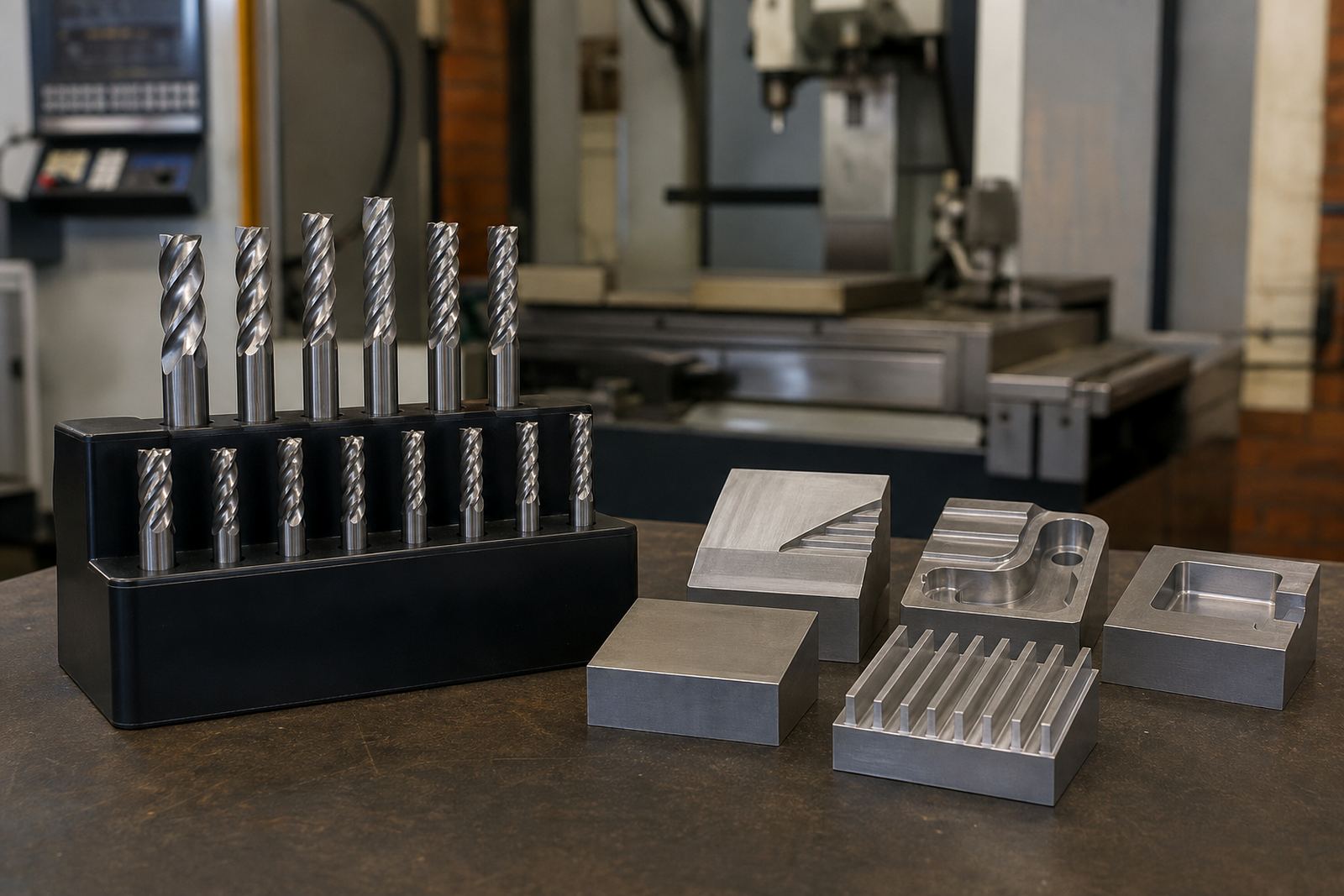
A job shop in Germiston or Boksburg may cut mild steel in the morning, stainless in the afternoon and aluminium the next day. That kind of mix means tool buying should focus on flexibility, not just the lowest price per cutter. Solid carbide end mills and drills need to match the work that actually comes through the door, not the work you hope to see.
For irregular job flow, it helps to keep a core range that covers common diameters, flute counts and reach lengths. A shop doing repair work for mining, food processing and general engineering will often need a few reliable sizes in stock rather than a deep box of one item. That keeps the machine running when a client calls after 4 pm and wants a part ready for collection the next day.
Match the cutter to the material, not just the drawing
One of the biggest mistakes in mixed-material shops is using one cutter type for everything. A tool that works well in free-cutting aluminium may chatter in stainless or run hot in hardened steel. That affects tool life, surface finish and cycle time. If your work includes coastal jobs sent up from Durban, or parts for plants near Cape Town where humidity can affect storage, tool choice matters even more because poor storage and wrong application both shorten life.
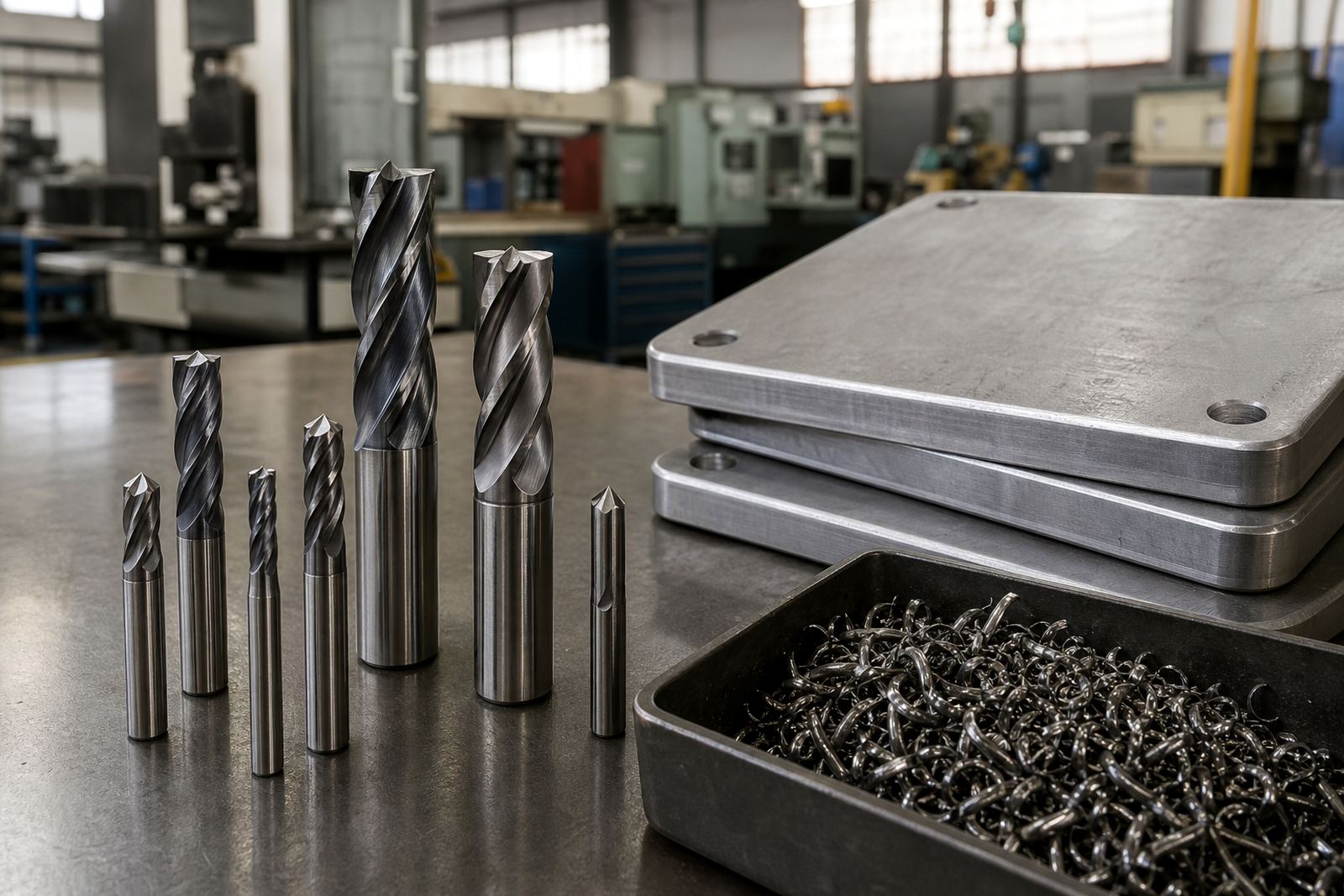
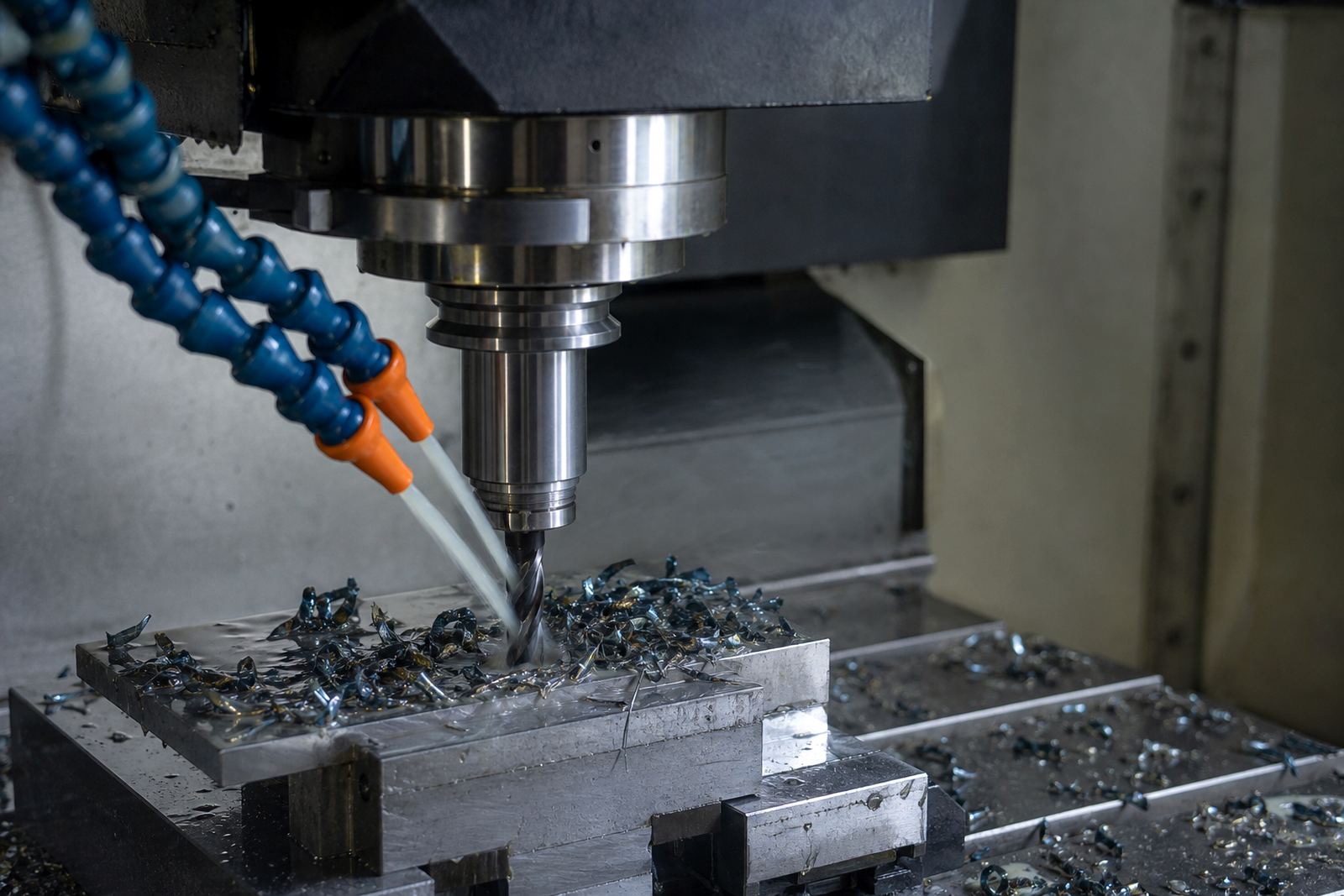
When selecting solid carbide end mills and drills, look at diameter, flute count, coating suitability and overall reach. Thin-wall parts need different cutting behaviour from heavy blocks. Short jobs can tolerate a bit more compromise, but repeat work needs a proven setup that can be standardised. A good supplier should talk through chip evacuation, spindle speed, feed and coolant before writing a quotation.
- Use higher flute counts where finish is important and chip space allows it.
- Choose stronger geometries for interrupted cuts and scale-heavy material.
- Confirm whether your machine has enough spindle speed for small-diameter carbide tools.
Buy for machine uptime, not for a single job
In a job shop, the real cost is often downtime, not the cutter price. If a machine sits because the correct drill is out of stock, the whole schedule moves. That is where stock planning becomes part of the buying decision. It is worth keeping enough safety stock to cover the most common emergency jobs, especially if deliveries are affected by load-shedding, traffic delays around Johannesburg or municipal access issues at industrial parks.
Start with the tools you replace most often, then identify the sizes that stop production when they run out. Some shops keep a two week buffer on small drills and a one week buffer on specialist end mills. Others keep one spare per critical size and restock as soon as the seal is broken. The right answer depends on how often you get repeat work and how many machines are expected to run at once.
- Review stock monthly for fast movers and dead stock.
- Link buying quantities to actual machine hours, not gut feel.
- Set a minimum level for urgent tools that supports after-hours work.
Ask for application support before you place the order
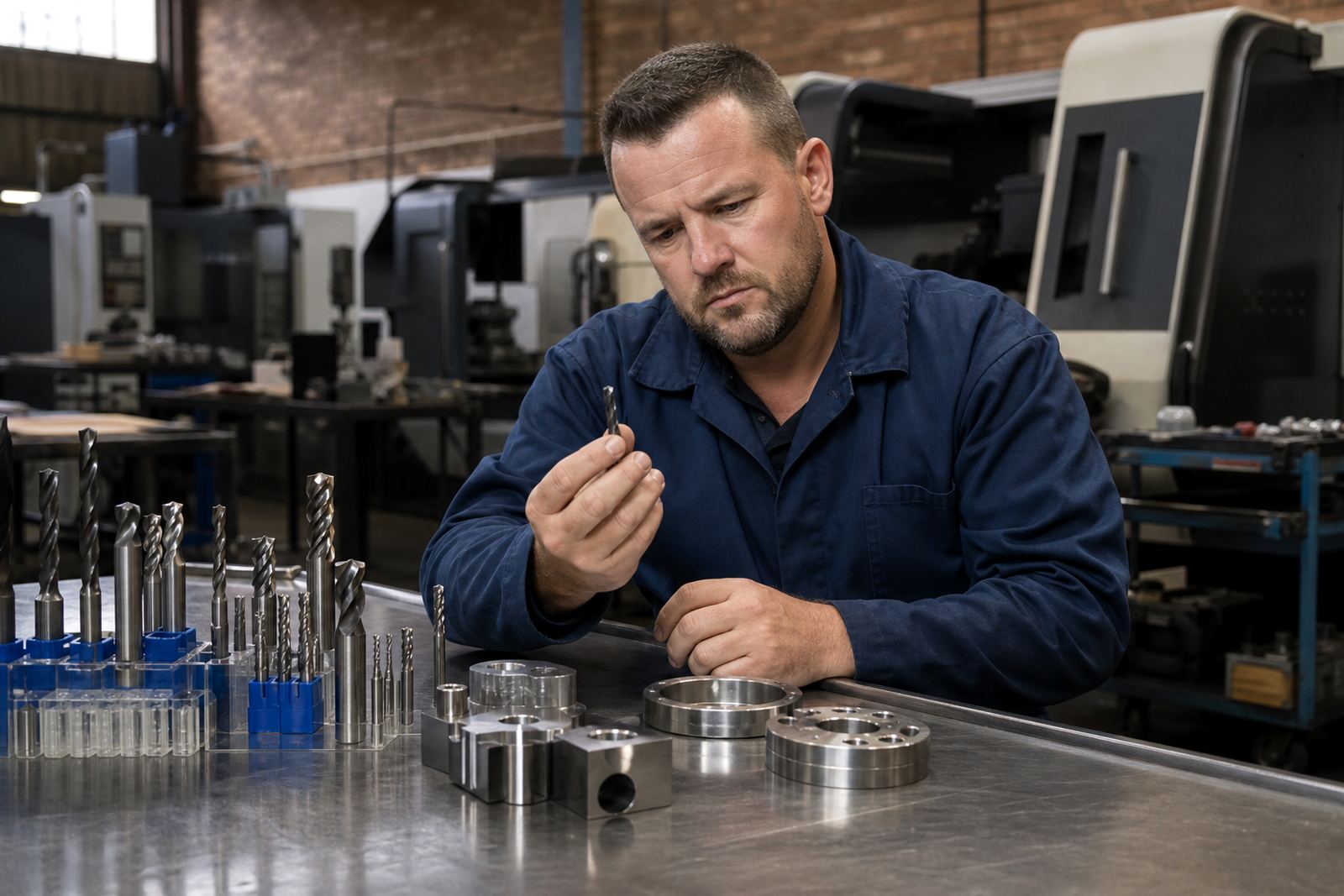
Good tooling buying includes technical guidance. If the same cutter keeps failing, the issue may be speed, feed, clamping or toolpath rather than the tool itself. A shop in Pretoria doing mixed production runs might need one setting for long-reach pockets and another for short, rigid finishing passes. On site consultation and sample tool trials can save money because they show what happens on your actual machine, with your coolant and your operators.
Practical speed and feed advice also helps new staff work with more confidence. Instead of guessing, they can follow a tested range for steel, stainless or aluminium. That reduces scrap and protects the spindle. It also helps when a customer brings in a one-off job with no time for trial and error. The more mixed the shop, the more valuable those small adjustments become.
Use quotations to compare real value, not just unit price
A technical quotation should tell you more than the cost of the tool. It should help you see tool life, expected use, and whether the cutter is suited to the material and machine. A cheaper drill that breaks twice in one shift costs more than a better one that completes the batch. That is especially true for job shops doing small runs, where each interruption affects the next customer too.
When comparing options, ask whether the supplier can help with production standardising, material matching and tool life optimisation. Those services matter in a workshop where the foreman juggles urgent reworks, quoted jobs and repeat orders. If the same part is being machined in Johannesburg today and sent to Gqeberha next week, consistency in the tooling spec makes future buying much easier.
Build a simple buying routine that fits irregular work
The best buying routine is not complicated. It is steady, recorded and easy for the team to follow. At CuTools Carbide, the aim is to help shops in Germiston, Centurion, Alberton, Cape Town, Durban and beyond keep the right tools moving through the workshop without overbuying. That includes urgent tool supply when something breaks, and stock planning when a job list starts filling up faster than expected.
For a job shop, the winning approach is usually a short approved list, a clear reorder point and one person who signs off on changes. That keeps the warehouse tidy and the machine room supplied. It also means operators are less likely to grab the wrong cutter just to keep the job going. A little planning goes a long way, especially when the week turns busy and the deadlines stack up.
- Keep a buying log for each repeat job and note what worked best.
- Review failures with both the operator and the technical lead.
- Update your standard list as materials, machines and tolerances change.