What an end mill actually does in CNC milling
An end mill is a rotary cutting tool used to shape slots, profiles, pockets and surfaces on a CNC machining centre. Unlike a drill, it can cut sideways as well as down, which makes it useful for a wide range of components from brackets and housings to mould inserts and production parts.
In everyday South African machining shops, the choice of end mill affects cycle time, surface finish and tool life. A good tool choice also helps when power supply is unstable, because a machine that stops mid-cycle can leave a poor finish if the cutter is already running hot. On a busy line in Germiston or Wadeville, that matters when you need parts out by shift end.
Most carbide end mills are chosen for their hardness, wear resistance and ability to hold sharp cutting edges. The real question is not just whether the tool is carbide, but which flute count, geometry and coating suit the material and the job.
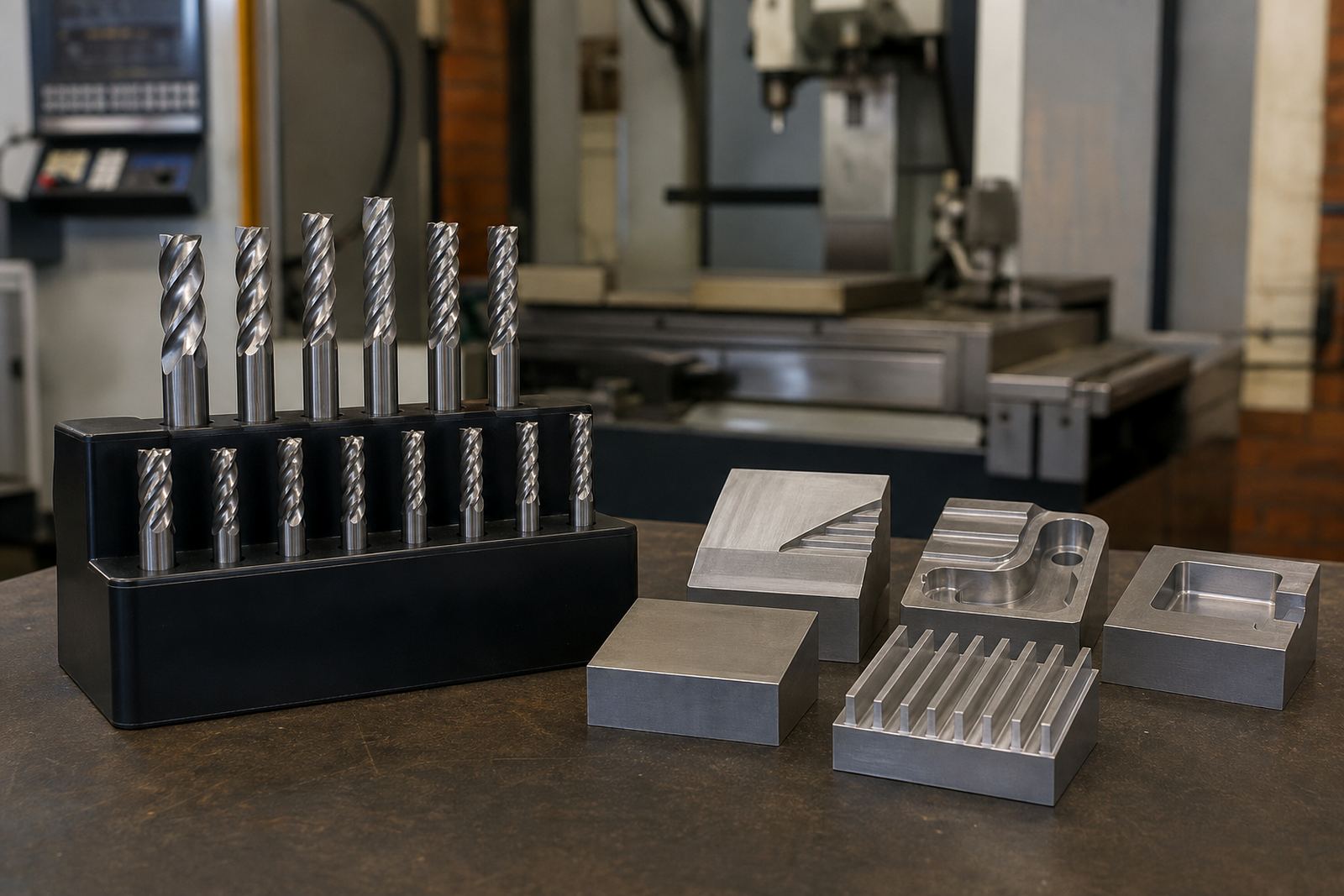
Flute count: 2 flute, 3 flute, 4 flute and when to use them
The flute is the groove that carries chips away from the cut. Flute count changes chip clearance, cutting strength and finish. If the chip cannot clear properly, the cutter rubs instead of slicing, and that raises heat very quickly.
For softer materials and high chip loads, fewer flutes usually help. For harder materials or finishing work, more flutes can give a smoother cut. The best choice depends on the material, spindle speed and whether you are roughing or finishing.
- 2 flute: Better chip clearance, common for aluminium, plastics and deep slotting.
- 3 flute: A good middle ground for non-ferrous work and general machining.
- 4 flute: Often used for steel, stainless steel and finishing passes.
- 5 flute or more: Suited to fine finishing or specific high-feed applications where chip load is carefully controlled.
A shop machining aluminium pump covers in Pretoria may prefer a 2 flute cutter for chip evacuation, while a shop finishing mild steel plates in Boksburg may get better results from a 4 flute end mill. The difference seems small, but it changes how the job runs from the first pass to the last.
Geometry matters more than people think
Geometry refers to the shape of the cutting edges, rake angles, helix angle and the end style of the tool. These features decide how aggressively a cutter bites into material and how stable it stays under load.
A high helix tool often gives a cleaner finish and better chip evacuation, especially in softer materials. A lower helix design can be more stable in tougher alloys and heavy cutting. Corner radius tools are also common because a small radius strengthens the tip and reduces chipping, which helps in production work where tool life matters.
Common geometry choices include:
- Square end: For sharp internal corners, pockets and general milling.
- Corner radius: For added strength and longer life on tougher jobs.
- Ball nose: For 3D contours, mould work and curved surfaces.
- Roughing geometry: For faster stock removal with broken chips and lower cutting force.
If you are machining a stainless steel component in coastal conditions like Durban, geometry becomes even more important because heat and work hardening can reduce tool life fast. The wrong tool can chatter, leave poor finish and wear out much sooner than expected.
Matching the tool to the material keeps costs down
Material matching is one of the quickest ways to improve performance. A carbide end mill that works well on aluminium may not suit tool steel, and a cutter that handles mild steel fine may struggle on hardened material. Using one universal tool for everything usually means giving up either finish or life.
Think about the material before choosing the tool. Consider whether the job is abrasive, gummy, thin-walled or prone to heat build-up. If the workpiece moves or vibrates, tool selection becomes even more important because the cutter must stay stable under changing load.
- Aluminium: Usually needs sharp edges, good chip evacuation and often fewer flutes.
- Mild steel: Commonly handled with general-purpose carbide and balanced flute counts.
- Stainless steel: Needs heat control, stable geometry and proper feed settings.
- Cast materials: Often need wear resistance and a setup that manages abrasive dust.
At a machining shop in Johannesburg South, a part might move from a roughing op to a finishing op in the same shift. Good stock planning and material matching reduce wasted setup time and help keep tool stock predictable, which is useful when suppliers need to cover urgent demand across Gauteng.
Feeds, speeds and chip control on local shop floors
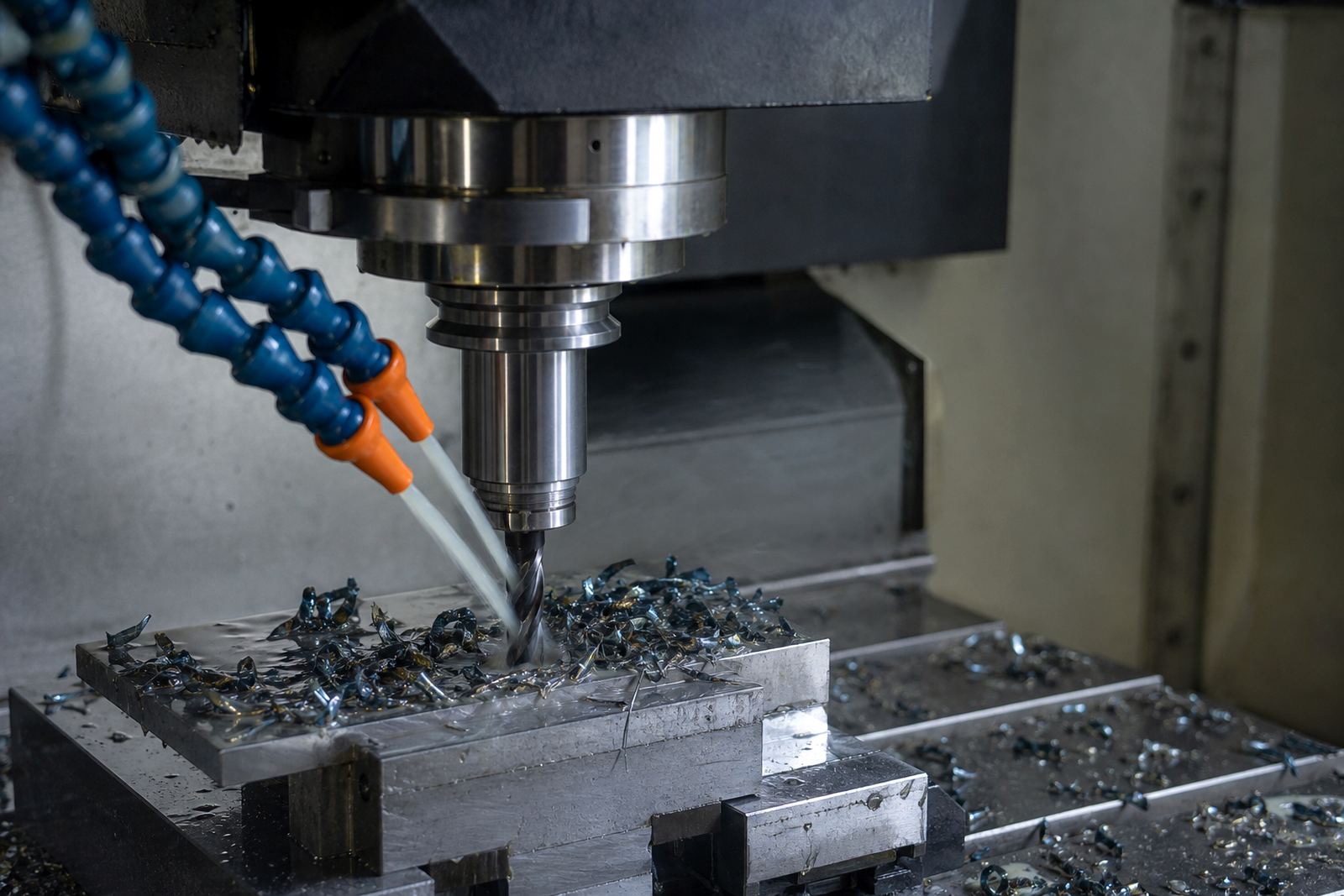
The right feeds and speeds are just as important as the cutter itself. Too slow and the tool rubs. Too fast and the tool overheats or breaks down. Chip control tells you a lot about whether the setup is correct.
For standard end milling, the aim is to create a chip that carries heat away from the cut. That means the cutter should be taking a proper bite rather than skimming. In practice, many shops start too cautiously, then wonder why the tool wears early. A better approach is to set the cutter to work properly from the start and adjust based on sound, finish and chip shape.
Useful checks during setup:
- Listen for chatter or squealing.
- Watch chip colour and shape.
- Check for built-up edge on the cutting edges.
- Confirm that coolant or air blast is clearing chips from the flute.
During load-shedding, some shops reduce spindle load or pause work mid-cycle, but that can affect tool life if the cutter sits in hot material too long. It is better to plan the job so critical finishing passes happen when power supply is stable and the machine can run through cleanly.
A simple example from a Germiston production floor
Picture a machining shop in Wadeville running a mild steel mounting plate for a conveyor system. The part has shallow pockets, a few external profiles and a final finish pass on the top face. The operator needs decent chip clearing, repeatable size and no fuss on the last op.
In that case, a 4 flute carbide end mill could suit the finishing work, while a more open flute tool may be better for roughing the pockets. If the same shop later switches to aluminium covers, the cutter choice changes again because chip evacuation becomes the main concern. That is why application support matters more than just buying a size and hoping for the best.
When tools are matched properly, shops usually see better tool life, fewer broken cutters and less time spent correcting size. Even a small improvement across a full week can free up machine time for another job, which is often where the real saving is found.