
Why chip evacuation matters on every CNC job
Good chip evacuation is not only about keeping the pocket tidy. It affects cutting temperature, surface finish, dimensional consistency and how long the tool stays sharp. When chips are pulled back through the cut, they can scratch the wall, blunt the cutting edge and push the machine into extra load. On a busy shop floor that means more scrap, more tool changes and more time lost setting up again.
In South African machining shops, chip clearing becomes even more important when production runs through long shifts, load-shedding recovery periods and mixed material batches. A job that cuts well for the first few parts can start to drift once chips begin packing into the flute or the operator stretches a cycle to save time. If you are machining aluminium, stainless steel or mild steel, chip evacuation needs to be part of the toolpath decision, not an afterthought.
Match flute geometry to the material and cut depth
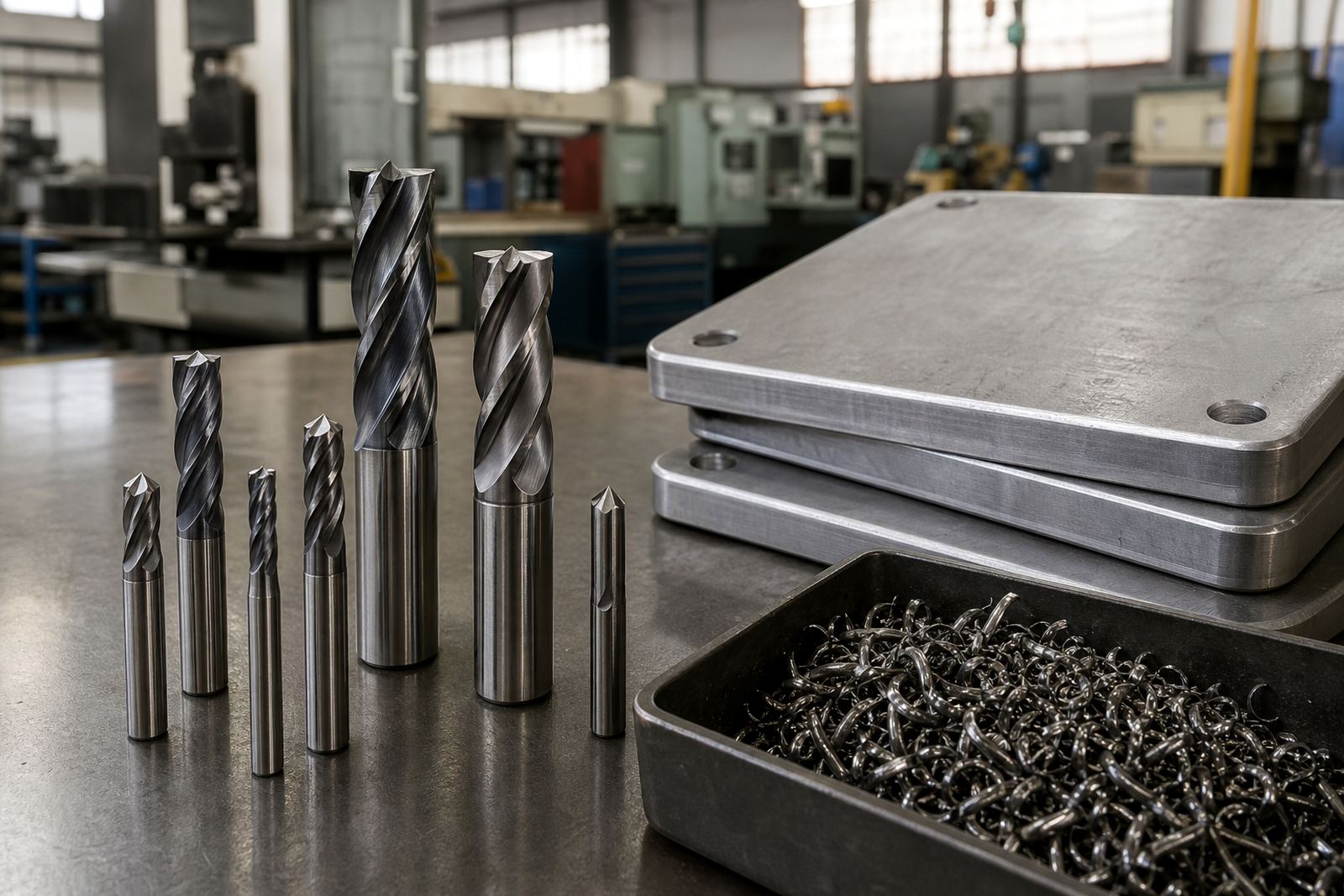
The first step is choosing the right tool for the chip you want to make. A solid carbide end mill with the wrong flute count can clog quickly, especially in deep pockets or narrow slots. In softer materials, larger flute spaces help clear bigger chips. In tougher alloys, chip size is often smaller but the heat is higher, so the tool still needs enough space to move the chips out cleanly.
Think about these points before you start the job:
- Use fewer flutes when chip space matters more than surface finish.
- Check whether the cut is slotting, side milling or a ramped entry.
- Keep an eye on stickout, because extra overhang can reduce chip control.
- For deep cavities, step down the depth in stages instead of forcing one heavy cut.
- Match the tool coating and geometry to the material, not just the nominal diameter.
At CuTools Carbide in Wadeville, Germiston, this is often the first discussion with a shop in Johannesburg, Pretoria or Boksburg. The right tool choice can solve a chip problem before the machine settings are even touched.
Use feeds and speeds that let chips break properly
Cutting data changes how chips form. If the feed is too low, the tool rubs and makes long stringy chips that wrap around the cutter. If the speed is too high for the material and tool, chips can become hot and weld back onto the edge. Both cases make evacuation harder. The aim is to produce chips that break cleanly and leave the flute on their own.
A useful habit is to watch the first few passes closely. If the chips are dust-like, you may be rubbing. If they are long and hairy, the cut may need more feed, a different flute design or a better coolant strategy. Tool life improves when the chip thickness is right, because the edge is cutting instead of scrubbing.
For local production runs in places like Germiston or Centurion, speed feed advice can save hours on repeat work. One machine may handle the same material differently from another due to spindle condition, clamping rigidity or part geometry, so do not copy old settings without checking the current setup.
Coolant, air blast and dry cutting all have a place
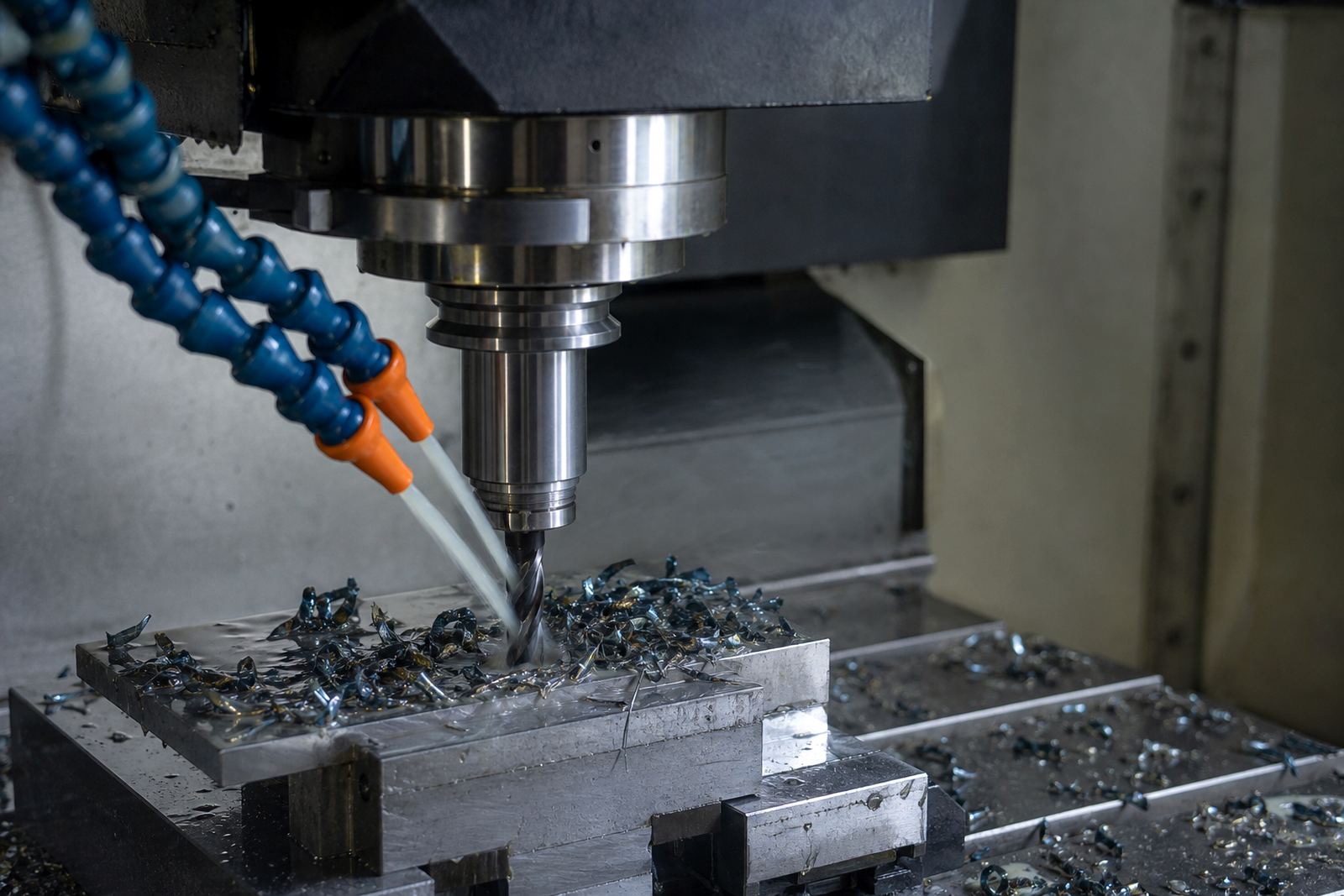
Chip evacuation is not always about flood coolant. In some materials, a strong air blast is enough to clear chips out of a shallow pocket. In others, coolant helps flush chips away and controls heat better. The trick is to use the method that suits the material, the machine and the cut direction.
Here is a practical guide:
- Use air blast where chips must be cleared quickly from open cuts and coolant pooling is a problem.
- Use coolant when heat control and flushing matter, especially on deeper cuts.
- Avoid weak mist or poor nozzle placement, because that often moves chips only halfway out.
- Check that coolant nozzles actually hit the cutting zone, not the side of the holder.
- Keep filters, pumps and tank levels in good condition or chip recirculation can become a real issue.
In coastal areas like Cape Town, Durban and Gqeberha, humidity and airborne moisture can also affect how chips behave in storage and how coolants perform over time. Shops need to keep an eye on concentration and cleanliness, otherwise the whole process starts working against itself.
Pocketing, slots and deep cavities need different clearing habits
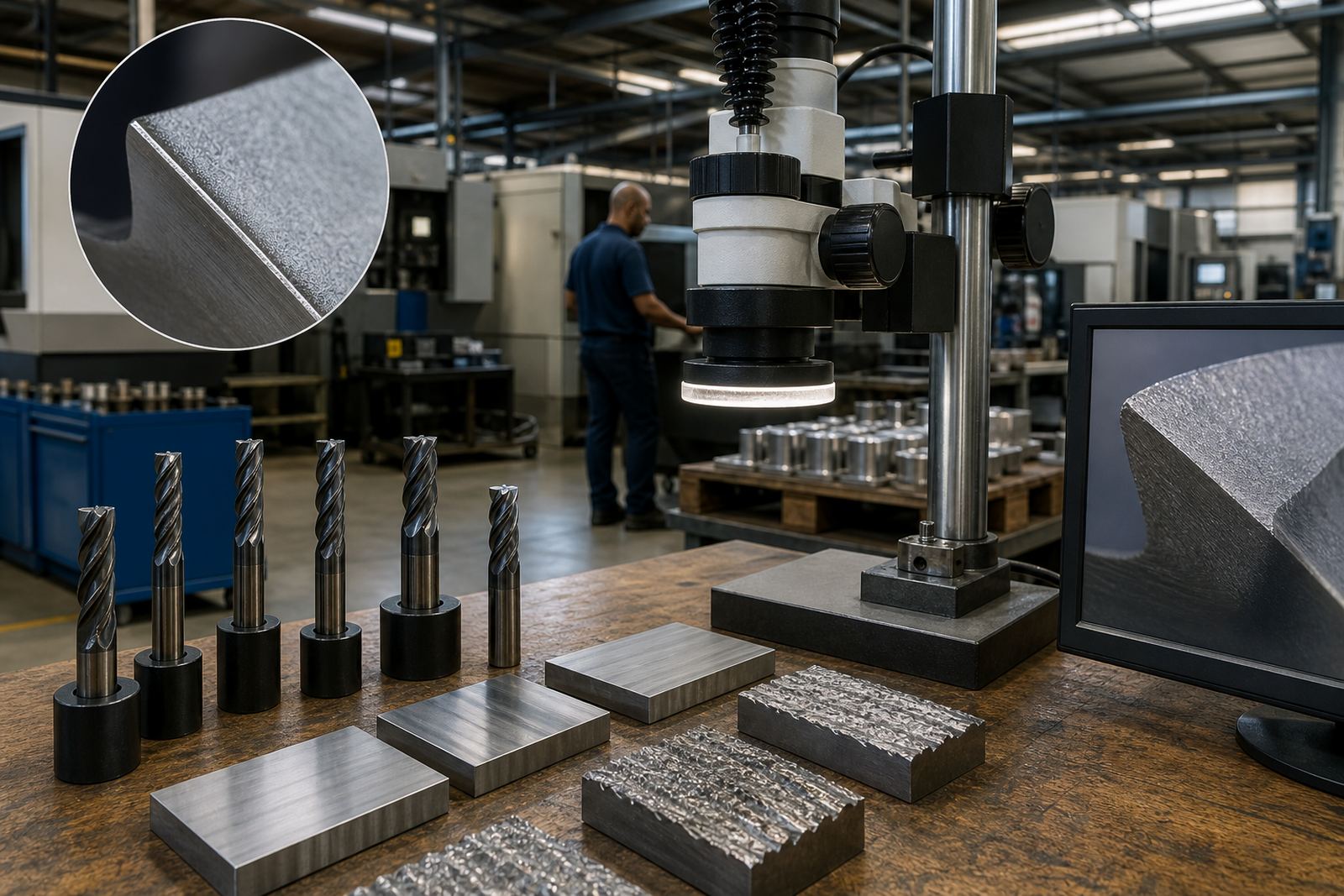
Chip evacuation problems are often worst in confined spaces. A slot has nowhere for chips to go, and a deep pocket can trap them under the tool. If the cutter goes back through those chips, recutting starts immediately. This is where toolpath strategy matters as much as the cutter itself.
For tighter spaces, try these habits:
- Use trochoidal or adaptive style paths where possible to keep the chip load steady.
- Break deep pocketing into layers rather than machining full depth too soon.
- Allow periodic retracts to clear chips before they pack into the corners.
- Watch for corners where chips build up faster than on straight runs.
- Leave enough room for the flute to move chips out instead of forcing them through a narrow channel.
On aluminium work, packed chips can quickly weld to the edge if they stay in the cut. On stainless, recutting can harden the surface and turn a reasonable job into a noisy, hot one. A small change in path can cut the problem right down.
A Germiston example: when chip control fixed a repeat job
A local machining shop in Germiston was running a repeat batch of small components on a CNC machining centre. The parts were finishing acceptably on the first operation, but by mid-run the tool marks were getting heavier and the machine sounded strained. The issue was not only the tool choice. Chips were collecting in the pocket and the cutter was running back through them on every pass.
After reviewing the cut, the shop changed to a more suitable solid carbide end mill, adjusted the feed so the chips broke better and improved coolant direction at the cut zone. They also altered the path to clear chips more often. The result was cleaner walls, better consistency across the batch and fewer tool changes during the shift. It was a simple fix but it saved real production time, and the operator no longer had to stop the machine as often to clean out chip build-up.
That kind of result is common when the process gets looked at properly. The machine was fine. The issue was chip evacuation.
How to stop recutting before it starts
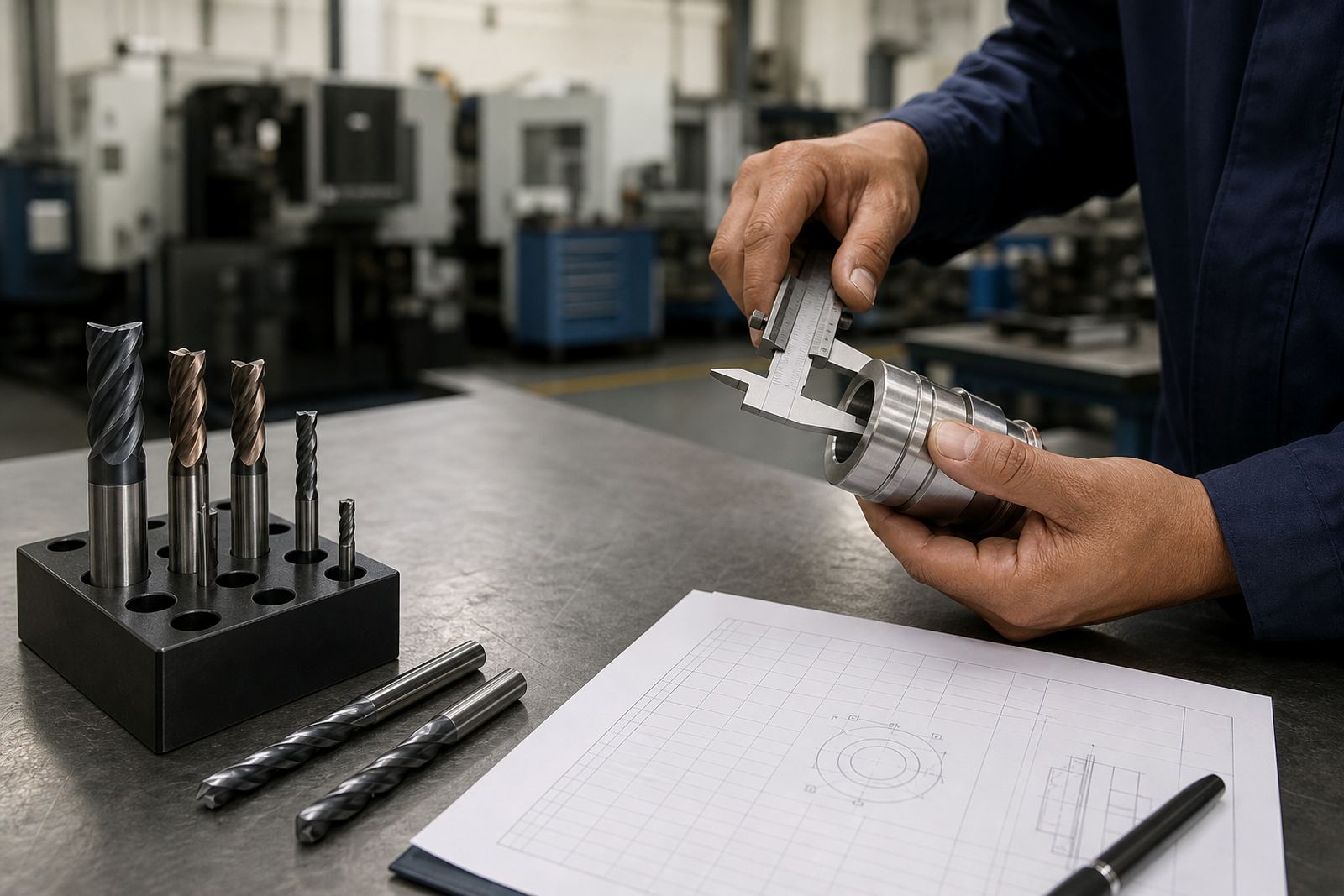
Once a chip is cut, it should leave the process as quickly as possible. That sounds simple, but it takes discipline on the floor. Shops that standardise their setup tend to get better results because every operator follows the same checks before pressing cycle start.
Use this checklist before production runs:
- Confirm flute count and geometry suit the job.
- Check coolant or air delivery at the actual cut point.
- Review feed and speed so chips break cleanly.
- Inspect the pocket or slot for chip traps.
- Remove worn tools before they start smearing chips instead of cutting them.
- Keep stock planning tight so the right tool is on hand when the machine is ready.
If a shop needs help with tool selection, material matching, tool life optimisation or urgent tool supply, it is worth getting advice before the job turns into scrap. A short technical quotation or sample tool trial can prevent a bigger problem later.