
Why cast iron eats tools faster than mild steel
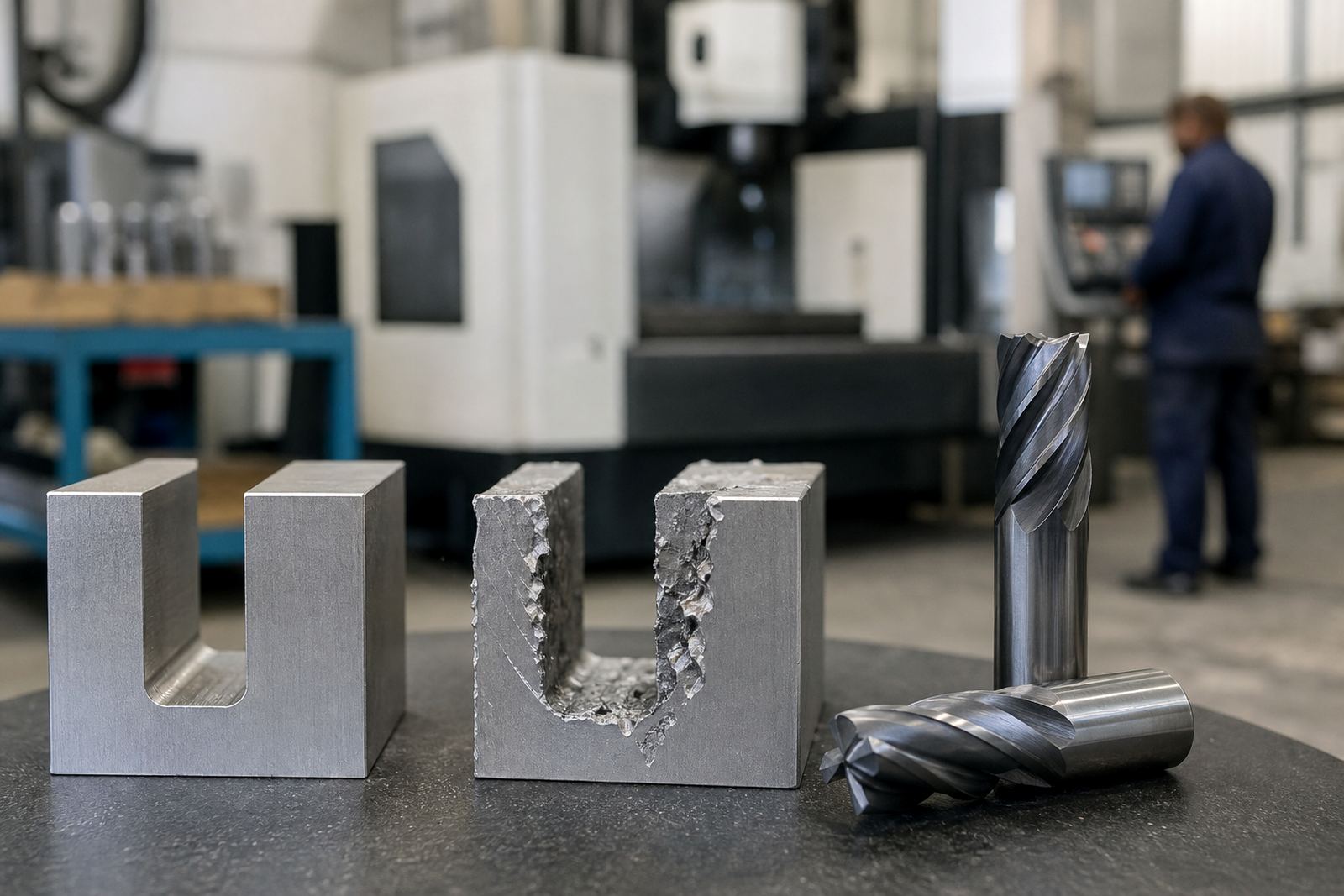
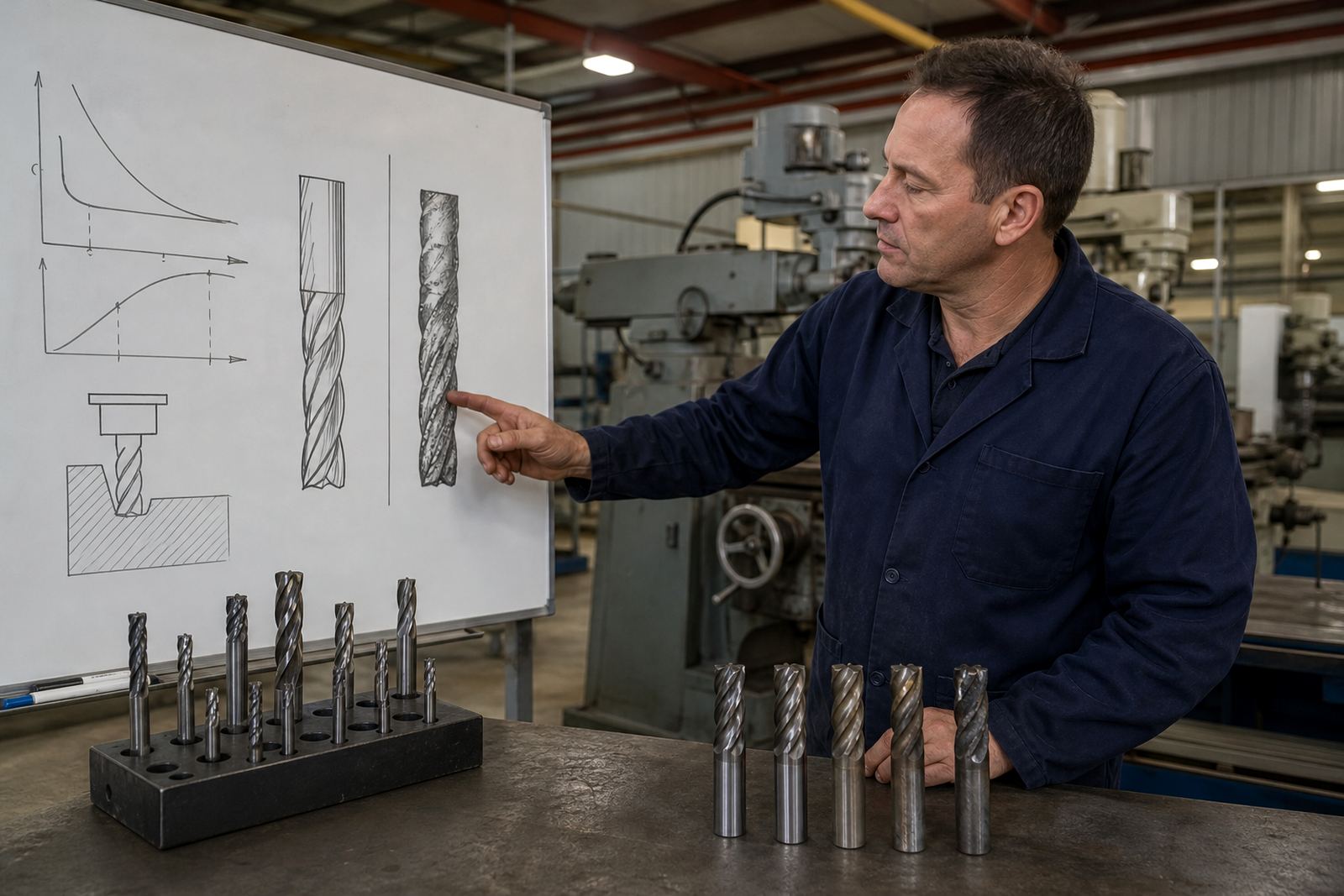
Cast iron is not difficult for the sake of it, it is difficult because it is abrasive. Graphite in the material acts like fine grit and it will wear a weak edge quickly, especially on old housings, brake components and pump bodies with scale or sand residue still present.
In shops around Germiston and Johannesburg, the first complaint is often poor finish, then sudden edge breakdown. That usually means the tool is rubbing, the insert or end mill grade is wrong, or the machine is fighting vibration. On CNC machining centres, a solid carbide cutter with the correct geometry can hold up well, but only if the setup is firm and the chip load is right.
Watch for castings that vary from one batch to the next. A part that looked clean on the first sample may cut very differently on the next pallet. This is where tool life goes off track and cost per part starts creeping up.
- Check for sand, scale and hard spots before cutting.
- Expect edge wear rather than a clean chip-out failure.
- Do not assume one feed and speed will suit every casting.
Picking the right solid carbide end mill for the grade
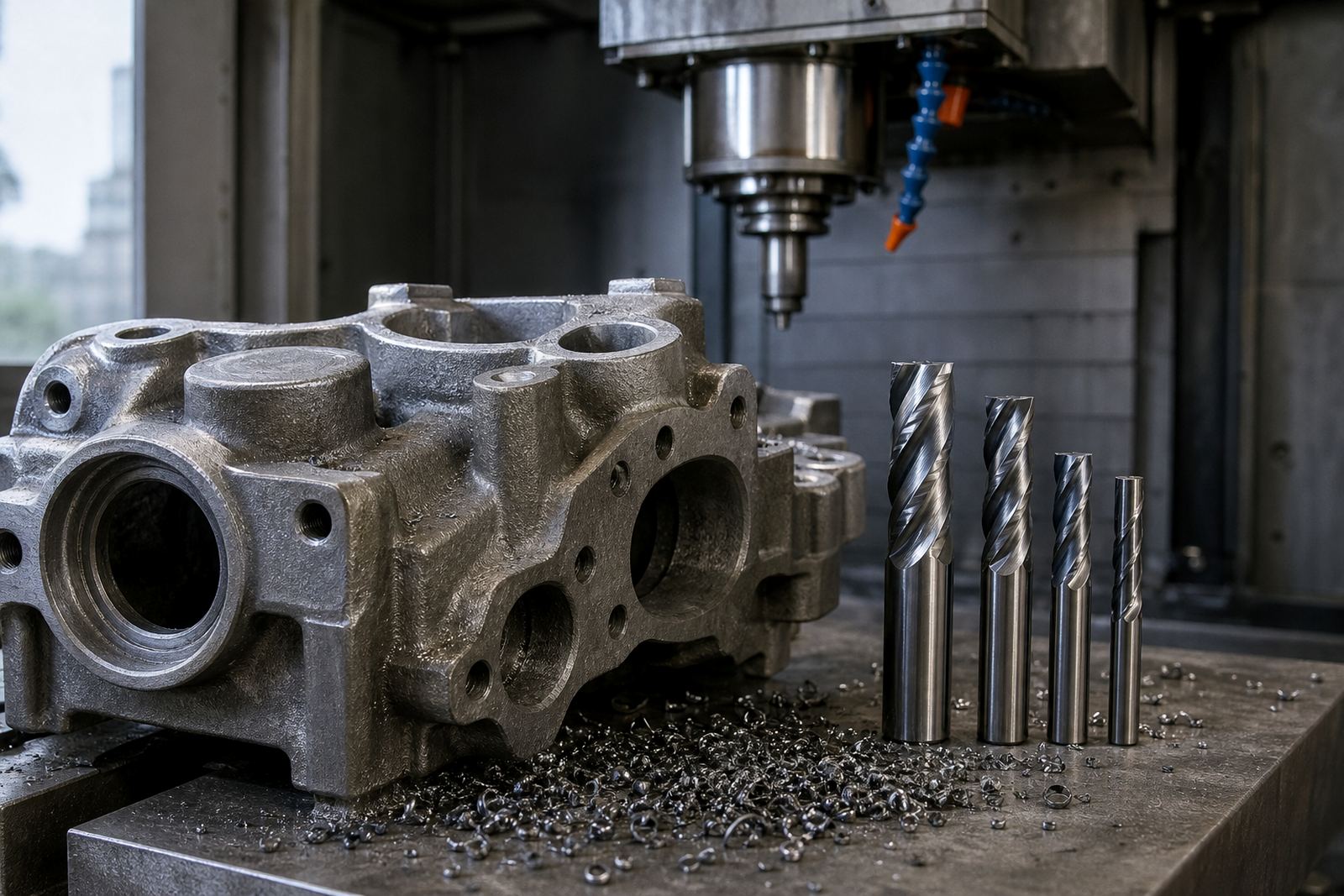
Chip control is different with cast iron because the material breaks into fine, dry fragments rather than long curls. That sounds simple, but it changes everything about containment and housekeeping. Dry chips can spread through the machine enclosure, get into guides, and create a mess around the chuck and table if extraction and cleaning are neglected.
In coastal areas like Durban or Gqeberha, humidity can mix with the fine dust and form a dirty paste on exposed surfaces. That does not just look untidy, it can affect clamps, vises and measuring tools. In a busy workshop, the safest routine is to clean the machine, wipe exposed ways and clear the enclosure before the next part comes in.
- Use air only where it is allowed and controlled, since dust can be driven into sensitive parts.
- Keep cutting zones clear so the tool does not recut debris.
- Store open tools properly to avoid surface contamination in humid conditions.
When the part is a housing, fixture and setup matter as much as the cutter
Large cast iron housings often have thin walls, interrupted faces and awkward clamping points. That is where many jobs go wrong. The cutter may be correct, but the setup is moving under load. If the part shifts even slightly, finish quality drops and the edge chips faster. This is especially common on production runs where the first part was clamped carefully and the rest were rushed.
For these jobs, process troubleshooting is usually worth more than changing tools alone. Check whether the support points are close enough to the cut, whether the jaws are marking the part, and whether the machine table is clean and flat. A stable setup can improve tool life without changing the programme at all.
- Use proper support under thin sections.
- Keep clamping force firm but not excessive.
- Inspect the first three parts, not only the first one.
How South African shops can keep cast iron jobs on schedule
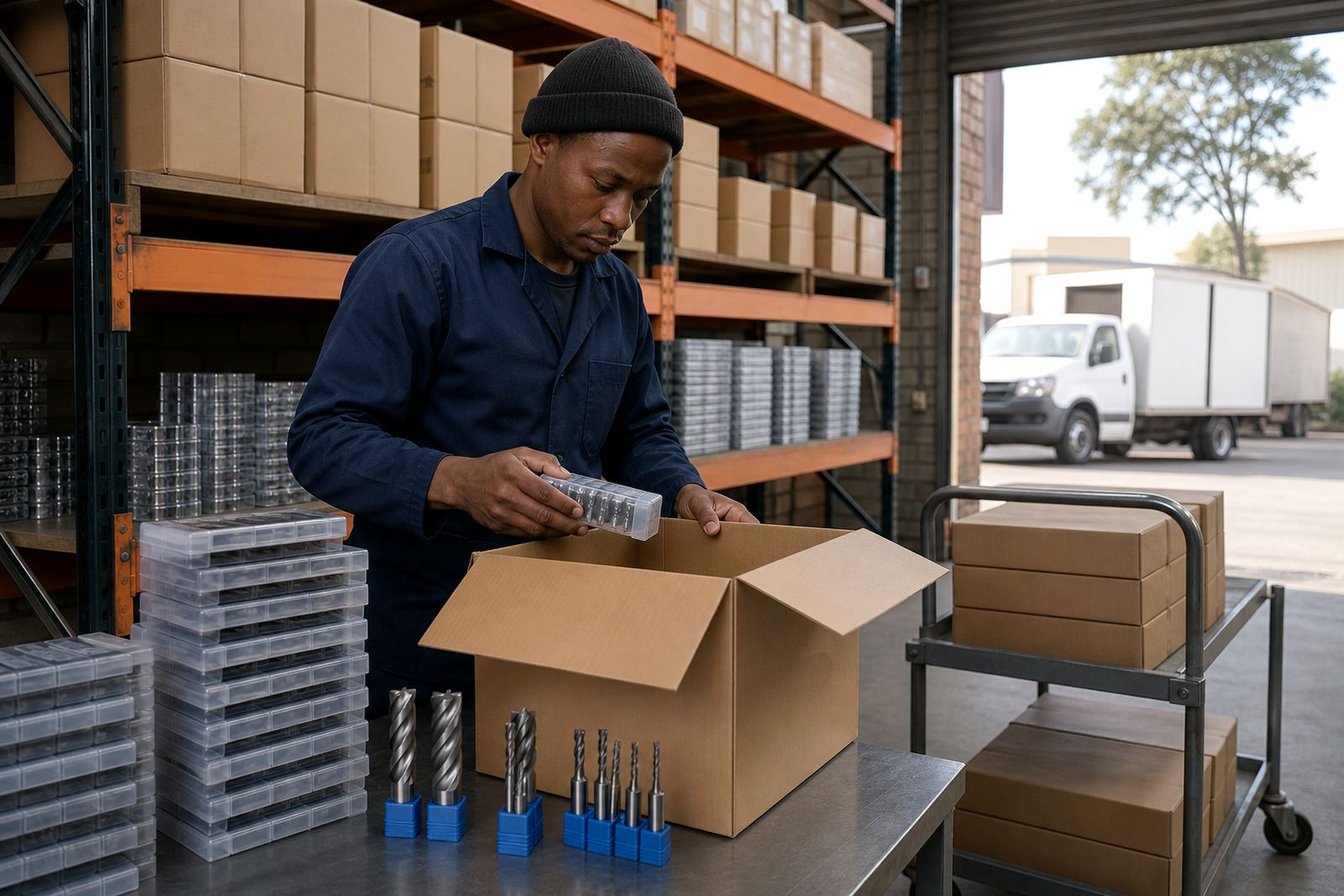
From Wadeville to Pretoria and Cape Town, the shops that stay ahead on cast iron do the basics well. They plan stock, keep spare cutters ready and ask for technical help before the edge fails mid-run. If a job must ship to Durban or a plant in Alberton by Friday, waiting until the last tool is dead is poor planning and often more expensive than ordering early.
CuTools Carbide works with CNC machining shops across South Africa on tool selection, application support, speed feed advice and urgent tool supply. That matters when a sample tool trial shows the first cutter is too aggressive or too soft for the material. The fix may be a different end mill, a different coating approach, or a better finishing strategy. The goal is simple: keep the job running and keep the part within spec.
- Build a small safety stock of your most used sizes.
- Trial one change at a time so you know what improved.
- Ask for technical quotations before a new cast iron job starts.