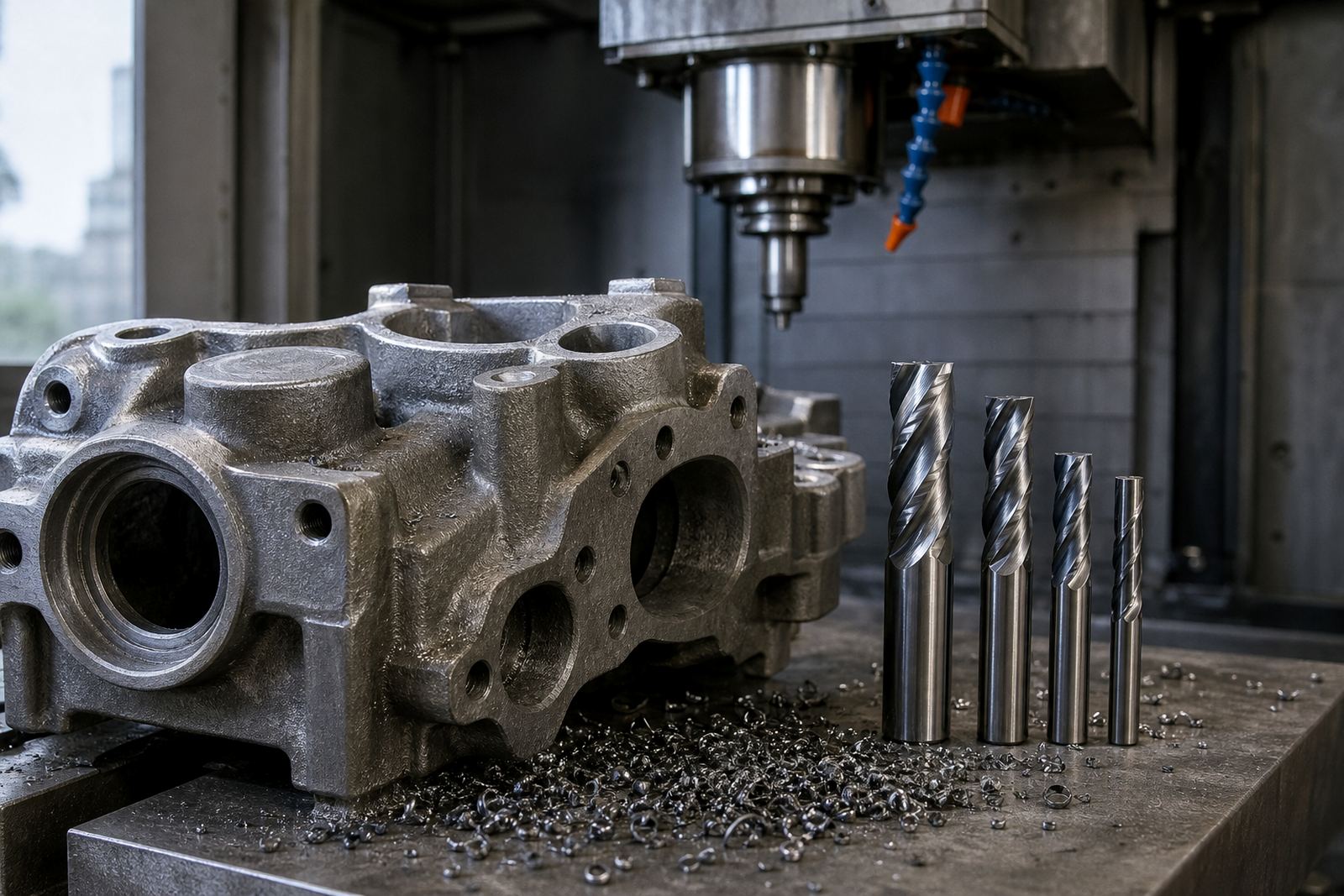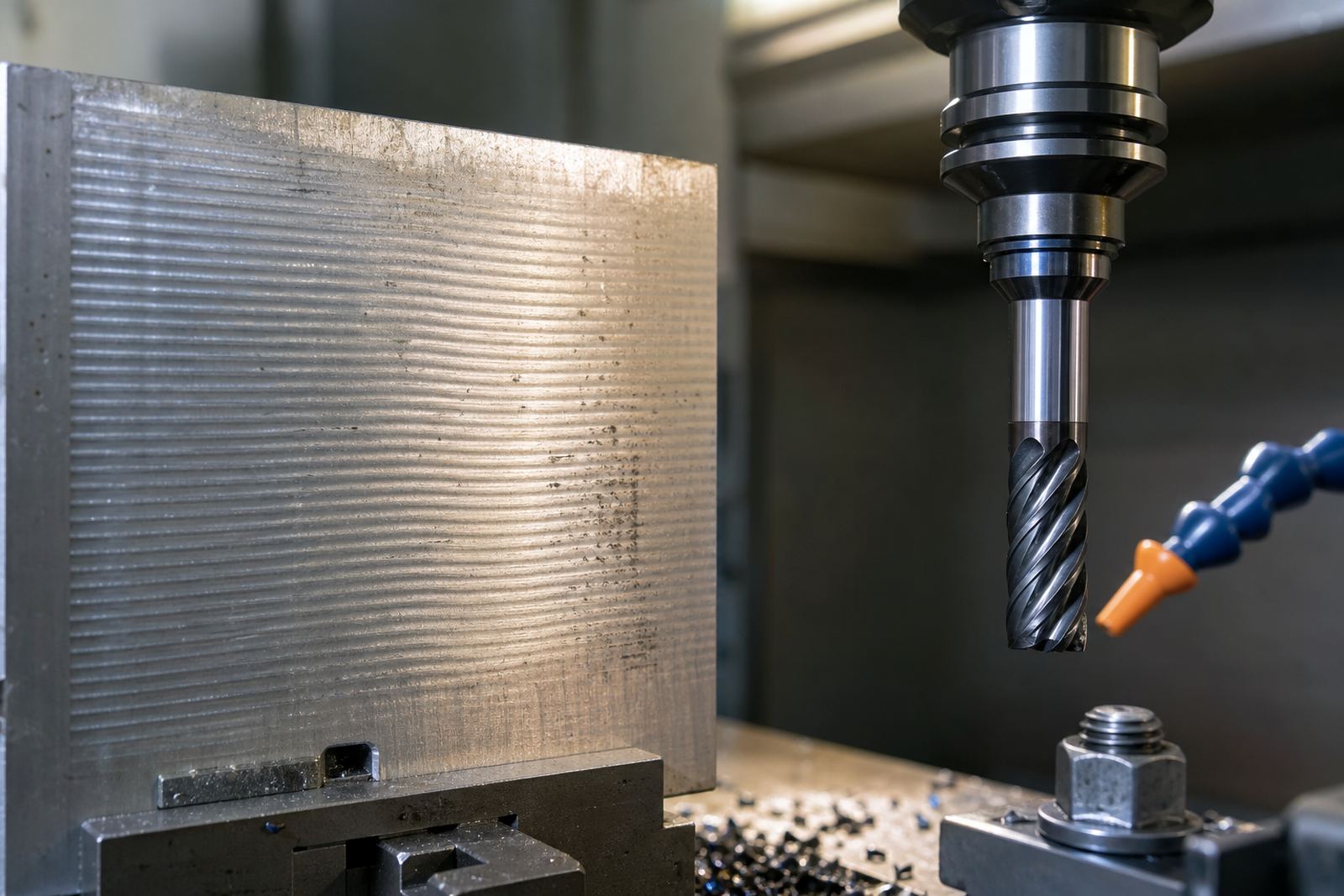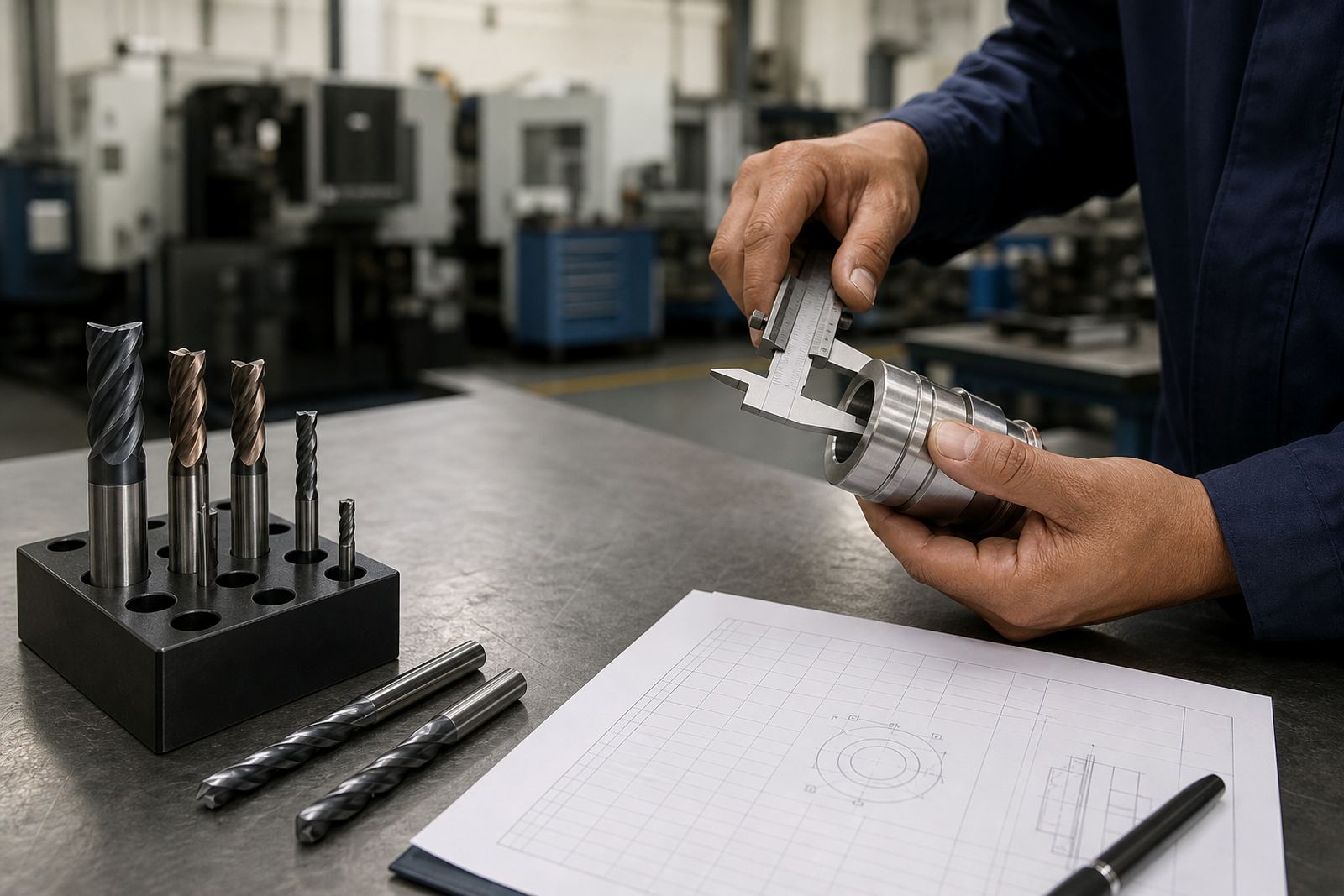
Why entry and exit quality matters on real jobs
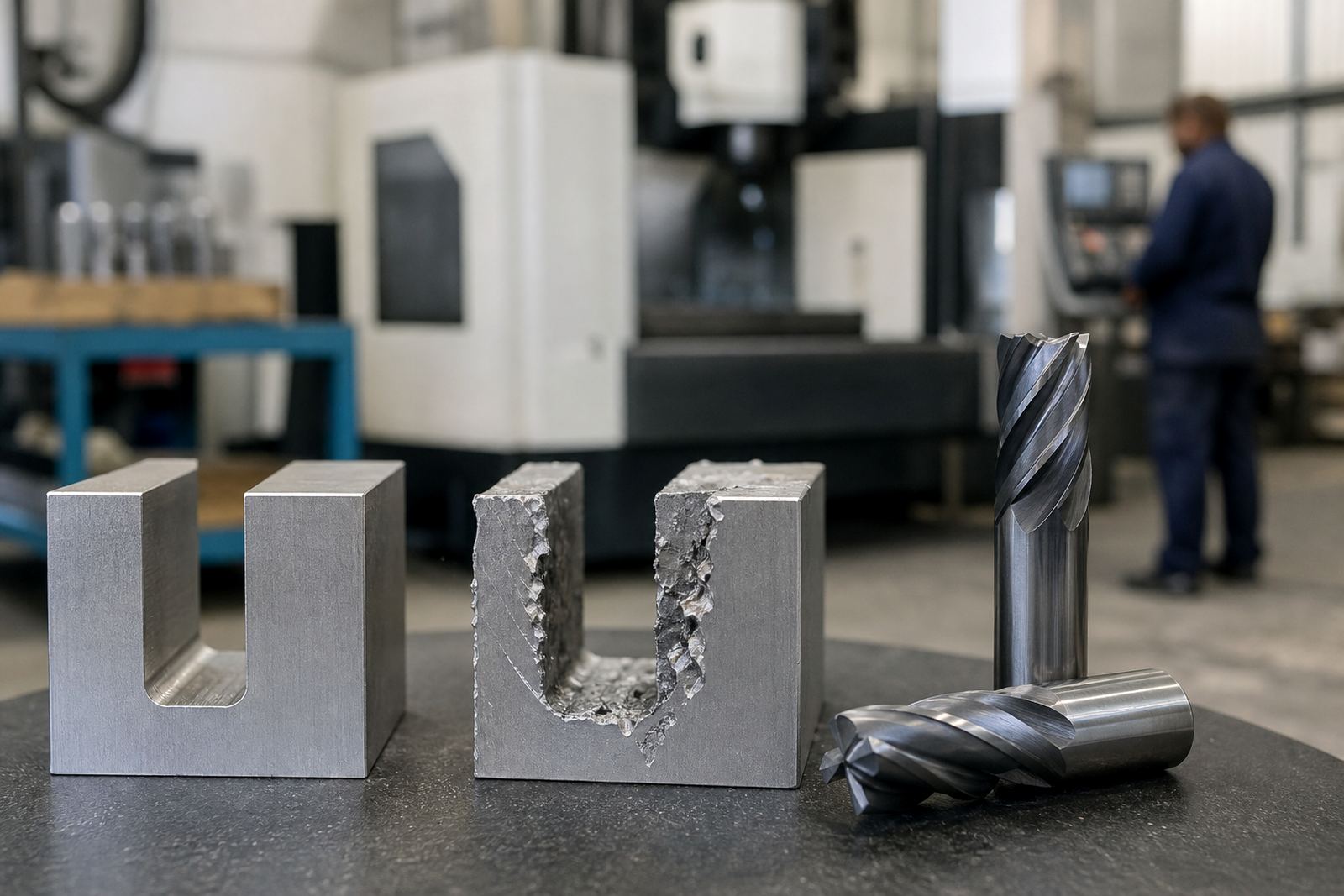
When a slot chips on the first pass or a hole leaves a rough burr on exit, the problem is rarely only the tool. In most shops around Germiston, Boksburg and Johannesburg, the issue is usually a mix of tool choice, machine condition, workholding and feed strategy. If the entry tears the material, the rest of the cut starts from a damaged surface, and that damage often carries through to the finish.
Hole and slot edge quality matters because the edge is often the first thing a customer sees and the first thing a fitter checks. Poor entry can also shorten tool life, especially on solid carbide end mills and drills running on long shifts with load-shedding interruptions. A tool that enters cleanly, then exits without leaving a heavy burr, is easier to keep consistent from one batch to the next.
Match the tool geometry to the material and the cut
The entry point needs the right geometry for the job, not just a sharp edge. In harder materials and stainless steel, a more controlled cutting edge helps reduce chipping at the start of the cut. In aluminium, the tool needs enough clearance to move chips away fast so the entry does not gall or pack up. If the tool is not suited to the material, the problem shows up immediately at the first contact point.
For shops doing mixed work, tool selection should consider flute count, helix angle, point style and whether the cut is full slot, ramping or drilling. A tool that works well for a shallow pocket may not give the same finish on a deep slot or blind hole. Johan Smit often reminds customers that the first 2 mm of contact can tell you more about the setup than the last 20 mm.
- Use a tool with the correct point or corner style for the material.
- Check that flute count suits chip evacuation in the cut type.
- Avoid forcing one general tool into every job when the finish matters.
- For blind holes, allow enough room for chip clearing at the bottom.
Set up the machine to support a clean cut
Even a good solid carbide tool will struggle if the machine is not stable. Spindle runout, loose holders and poor clamping will show up as chatter marks or ragged edges at entry and exit. In smaller workshops, this often gets blamed on the tool but the real issue is movement in the machine or part. If the job is on a thin plate, the workpiece can lift and the exit edge will burr badly.
Before chasing a cutting data change, check the basics: holder condition, tool stick-out, clamp pressure and part support. On older machining centres, especially where power dips have caused repeated stops and restarts, a quick inspection of the taper and holder can prevent an ugly finish. A clean, short setup is often better than a longer reach, and it usually gives better tool life too.
- Keep stick-out as short as the job allows.
- Use firm part support under thin material.
- Check for runout before high precision work.
- Inspect holders after any crash or power interruption.
Use the right entry strategy for holes and slots
Tool entry should be controlled, not abrupt. A straight plunge into a slot may be acceptable on some jobs, but for many parts a ramp, helix or pre-drill gives a cleaner start. This is especially useful when the material is prone to tearing or when the slot wall must look good enough for direct assembly. The more controlled the entry, the less chance of edge breakout and early wear.
Where possible, ease into the cut with a feed that allows the tool to bite steadily. If the first contact is too aggressive the tool may mark the edge before it reaches full cutting engagement. On CNC shops that run production through the day, a small change in entry path can save a lot of hand deburring later, which is important when labour is tight and the machine schedule is full.
- Use ramping or helical entry where the job allows.
- Leave enough lead-in distance for the tool to stabilise.
- Avoid overloading the first millimetres of engagement.
- For holes, consider a pilot or pre-drill when finish is critical.
Reduce exit burrs with feed, support and chip control
Exit quality is often about how the material behaves as the tool leaves it. Thin walls flex, gummy materials pull, and poorly cleared chips get dragged across the edge. If the tool exits while the part is moving or springing back, burrs become bigger and the edge loses shape. That is why good support and the correct feed approach matter so much.
Tool life optimisation is not only about lasting longer, it is also about keeping the edge clean for as long as possible. When feeds are too low, the tool can rub and smear the edge. When feeds are too high, the last contact point can tear. The right balance depends on the material and the machine. A few tests on sample parts often give better results than guessing and hoping for the best, which is not ideal when a batch is due for dispatch.
- Support thin sections close to the cut line.
- Clear chips quickly so they do not scratch the exit edge.
- Adjust feed if the tool is rubbing rather than cutting.
- Check the last pass in a pocket or slot, not only the first.
A practical Germiston example from a mixed production shop
A production shop in Wadeville was cutting slots in stainless parts for equipment assembly. The entry looked acceptable, but the exit edge had a raised burr that needed hand work on every batch. After checking the setup, the issue was traced to excessive stick-out, slight workpiece lift and a feed rate that was fine in the body of the cut but too light at the exit. Once the part was better supported and the entry path was changed, the finish improved straight away.
That type of problem is common across Johannesburg, Pretoria and the coast as well, especially where shops run urgent work and swap between materials during the week. A good fix is usually practical: the right tool, the right support and a sensible cut strategy. It is not flashy, just repeatable.
How CuTools Carbide supports cleaner starts and finishes
CuTools Carbide supplies solid carbide end mills and drills to machining shops across South Africa, with support from our Wadeville base in Germiston. Our team works with shops on tool selection, speed feed advice, tool life optimisation and troubleshooting when entry or exit quality is not meeting the required standard. If a tool is leaving burrs, chipping early or struggling in a specific material, we help match the tool to the application before the next run starts.
For shops in Cape Town, Durban, Gqeberha and Gauteng, the goal is the same: fewer rejects, less deburring and more consistent parts. Whether the issue is hole edge finish, slot breakout or unstable cutting on a long shift, the right advice can save time and material. That includes sample tool trials, technical quotations and urgent tool supply when stock is tight.
Clean entry and exit do not happen by chance. They come from a setup that respects the material, the machine and the cut. Get those three right and the finish becomes a lot easier to control.