Why stock support matters more than a low tool price
In CNC machining, a few hours of downtime can cost far more than the price difference between tools. If a workshop in Germiston, Pretoria or Durban is waiting on a replacement cutter from far away, the machine may stand idle while operators juggle schedules and customers wait for parts. Local stock support reduces that risk because the right tool is closer to the floor when it is needed.
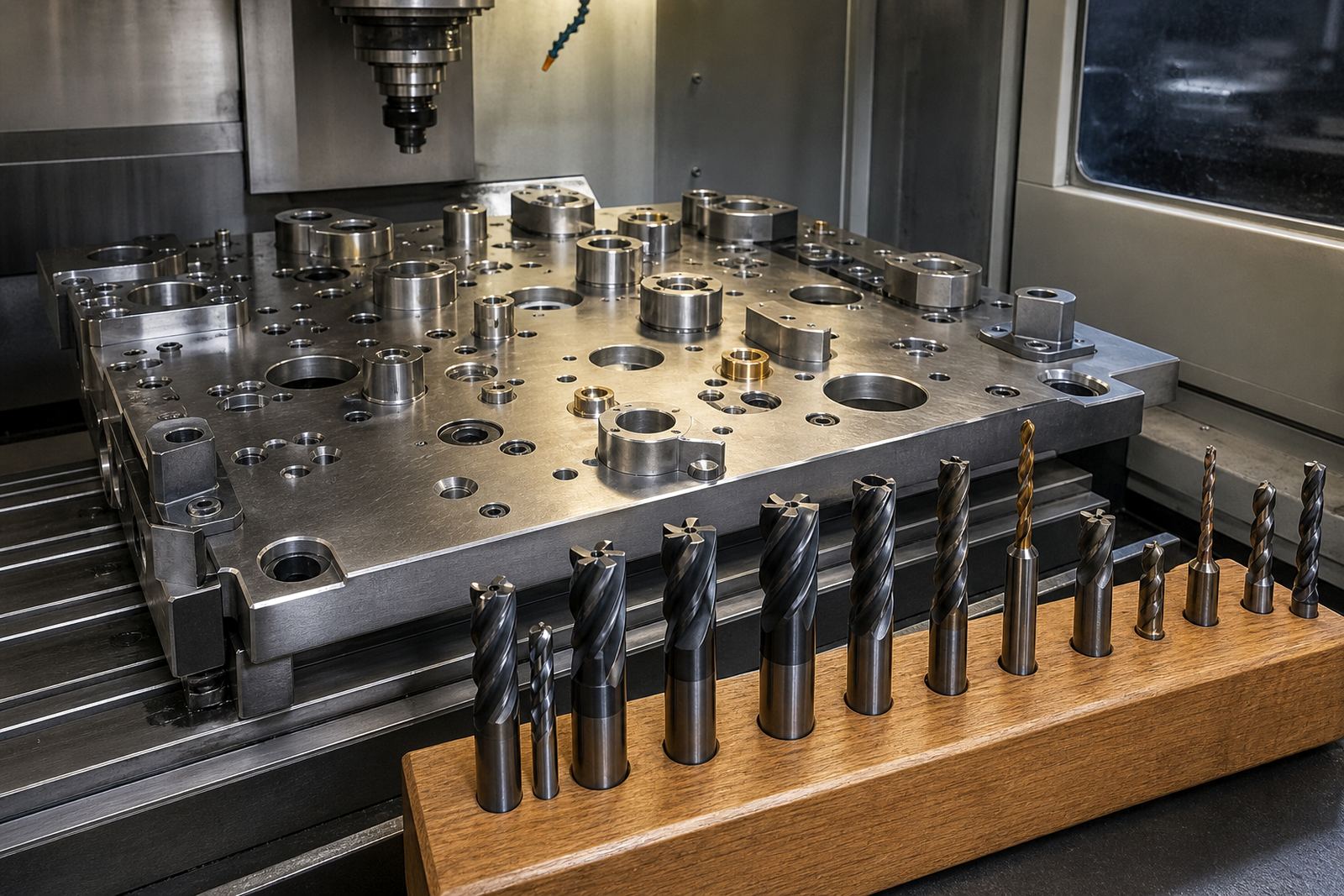
For many South African workshops, planning also has to account for load-shedding, tight delivery windows and changing production runs. A supplier with solid carbide end mills and drills on hand can help a shop prepare for these pressures instead of reacting after the machine has already stopped. That matters whether you are cutting mild steel, stainless, cast iron or aluminium, and it matters even more on repeat work where consistency is everything.
What dependable local supply looks like in practice
Good supply support is not just about having boxes on a shelf. It means knowing which tool sizes move quickly, which coatings suit local materials, and which items should be kept ready for standard jobs across Johannesburg, Boksburg, Centurion and Cape Town. It also means clear technical guidance so a shop does not guess its way through feed and speed settings.
At CuTools Carbide, the value comes from matching product supply with practical machining knowledge. That includes help with tool selection, material matching, tool life optimisation and sample tool trials. When a workshop needs to keep a machine running through a busy week, the right advice and stock together can save far more time than chasing a cheap but unsuitable cutter.
- Standard solid carbide end mills for general production work
- Drills for repeat jobs and holemaking on CNC machining centres
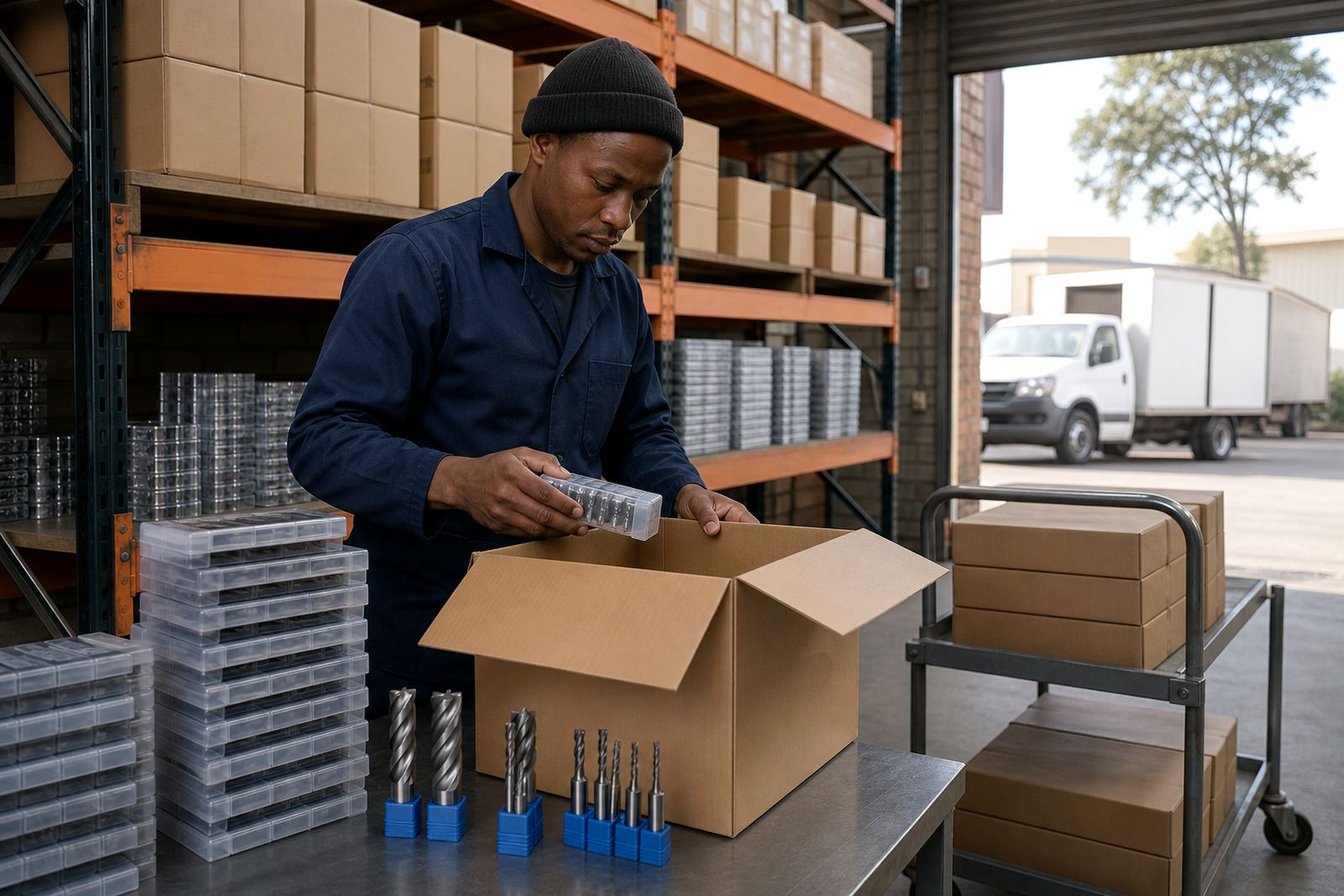
- Urgent tool supply for breakdown replacements and same-week orders
- Technical quotations that help buyers compare options properly
A Germiston example: how one job stays on schedule
Picture a machining shop in Wadeville that is running a production batch for a local engineering client. The job needs a small diameter solid carbide end mill to finish a slot cleanly, but tool wear shows up earlier than expected because the material is harder than the previous batch. If the replacement has to come from far away, the machine can sit idle while operators wait. If the supplier is based in Germiston and already carries the required size, the swap can happen the same day and the order keeps moving.
This is where local supply becomes a production tool in its own right. A shop can contact the team through the enquiry form, ask for a quick check on the application, and get a practical answer before the next run starts. That kind of support is useful for shops that work across Johannesburg, Pretoria, Boksburg and Alberton, where customers often expect short lead times and tight tolerance control.
Keeping tool life predictable in South African conditions
South African workshops face a mix of conditions that affect tool life. Coastal humidity can influence storage and handling, while inland dust and temperature swings can affect the consistency of machining rooms. Add in power interruptions, interrupted coolant flow and rushed changeovers, and it becomes clear why tool planning should not be left to chance.
A dependable local supply partner helps shops standardise their tooling choices, hold sensible safety stock and avoid last-minute substitutions. That can reduce the number of unexpected tool failures and help operators keep surface finish and hole quality more consistent. Small changes in feed, speed or flute choice can make a big difference, so having someone who understands CNC work locally is worth a lot.
- Store cutters in a dry, clean area to avoid handling issues
- Keep key diameters on site for repeat jobs and urgent changeovers
- Review wear patterns before increasing cutting loads
- Match the tool to the material instead of forcing one cutter to do every job
Technical support saves more than machine time
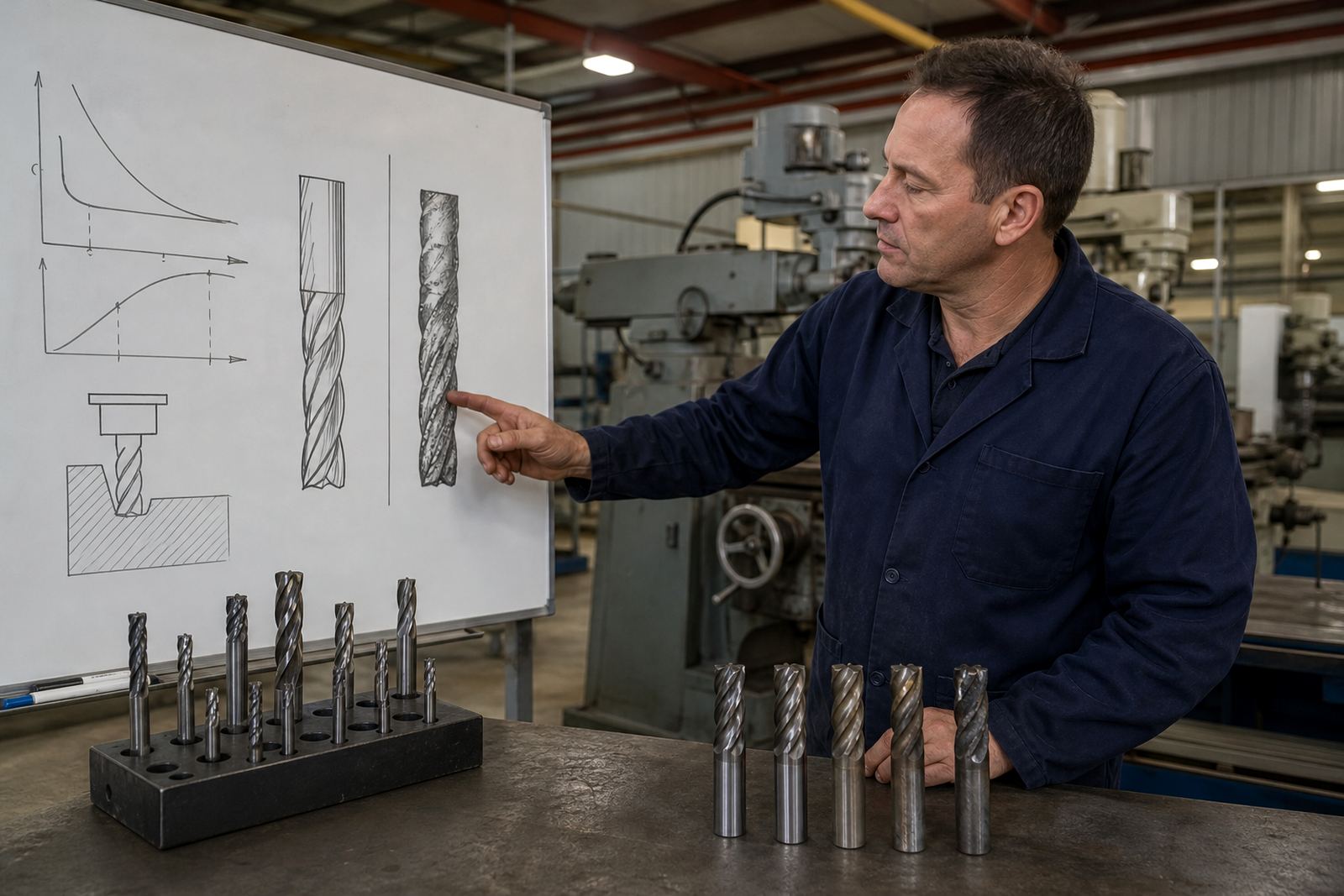
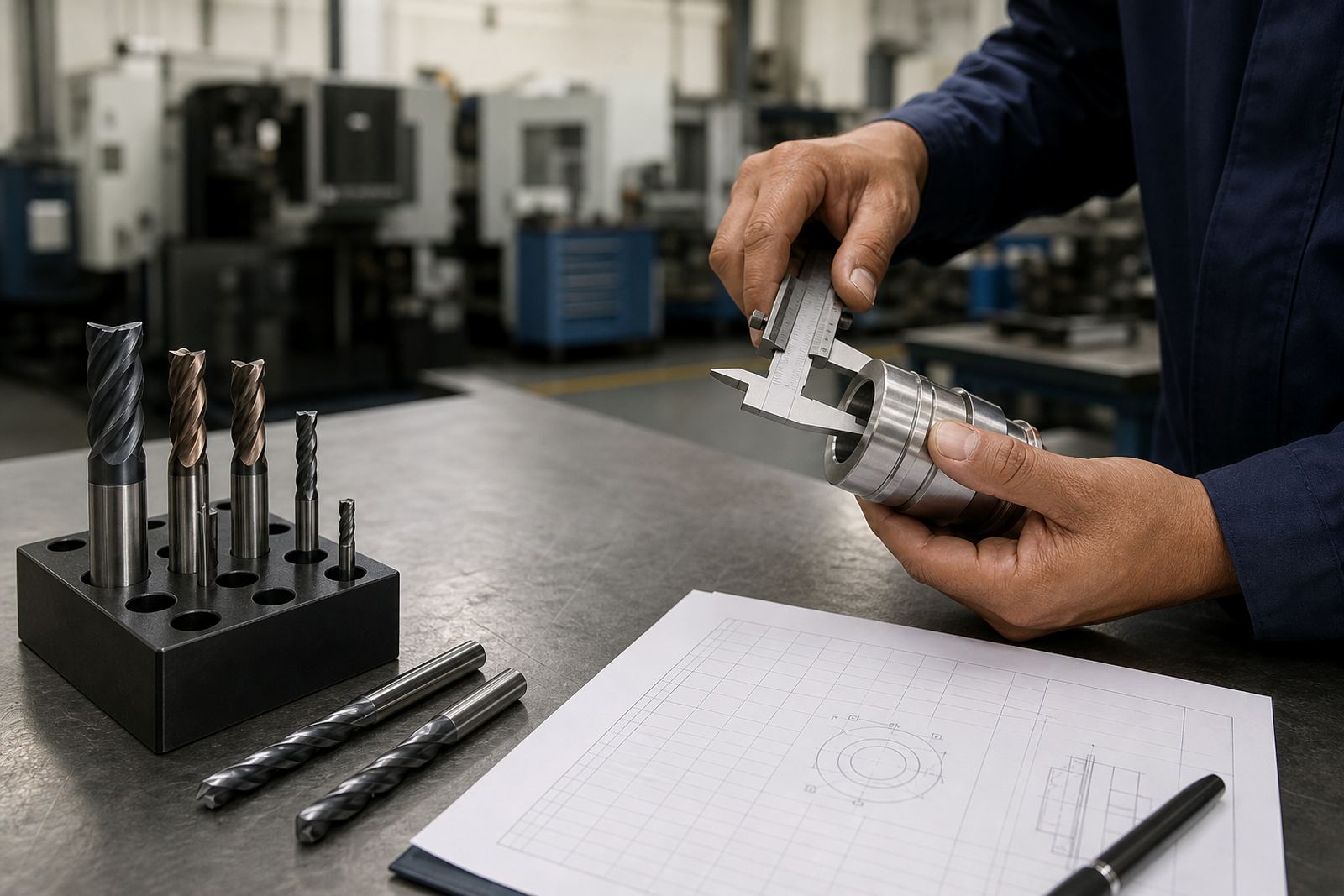
Many shops know the frustration of buying a tool that is technically correct but not ideal for the actual job. A cutter may be the right diameter yet still give poor life if the chip load, flute geometry or material match is off. That is why practical support matters just as much as inventory. A good supplier should help with speed feed advice, process troubleshooting and production standardising, not only with pricing.
CuTools Carbide supports machining teams with people who understand the floor, including a Sales Manager, Technical Applications Lead, Operations Coordinator, Customer Support Specialist, Warehouse Supervisor and Quality and Procurement Officer. That matters when a buyer needs a straight answer on a finish cut, a roughing pass or a tool life issue on a job that cannot miss its deadline. The aim is simple enough, keep the machine cutting and keep the order moving.
Why regional coverage helps national workshops
South African manufacturers often run more than one site, or they supply customers in more than one province. A workshop with branches in Gauteng and the Western Cape does not want different rules, different lead times and different tool specs at every location. It needs one supply point that can support Johannesburg, Pretoria, Cape Town, Durban and Gqeberha with the same practical standard.
That is where local branches and area coverage make a real difference. Whether a shop is in Germiston Supply, Johannesburg Supply, Pretoria Supply, Boksburg Supply, Alberton Supply, Centurion Supply, Cape Town Supply or Durban Supply, it helps to work with a supplier that understands local buying patterns and can keep stock planning realistic. In hard working plants, even a small delay can throw off the rest of the week, so local support is not a luxury, it is part of keeping the plant efficient.
What buyers should ask before they place an order
Before placing a tooling order, it helps to ask a few direct questions. That keeps the purchase aligned with the job, the machine and the delivery schedule. A supplier that answers clearly is usually easier to work with when the pressure is on.
- Is the tool suitable for the exact material and finish requirement?
- What stock is available now, and what can be supplied urgently?
- Can the supplier suggest a better size or cut length if the current option is not ideal?
- Is there support for sample tool trials before committing to a larger order?
- Can the supplier help with stock planning for repeat jobs and busy months?
Those questions are not about making the process complicated. They are about avoiding a bad fit, unnecessary wear and avoidable downtime. For CNC shops trying to keep production steady in South Africa, that is where local supply really earns its place.