
Why the edge matters before the first cut
On a solid carbide end mill or drill, the cutting edge does the real work. If that edge is sharp and consistent, the tool enters the material cleanly, shears instead of rubs, and keeps cutting forces steady. If the edge is chipped, rounded from poor handling, or damaged during storage, the machine starts fighting the cut from the first second.
That extra load shows up in three places. First is stability, because the tool can start to chatter where the edge is not biting evenly. Second is finish, since a damaged edge leaves small tears and witness marks on the part. Third is wear, because rubbing generates heat and heat shortens tool life fast, especially in stainless, tool steel and tougher alloys used in local manufacturing.
What a poor edge does to the cut
Most machining shops in Germiston, Johannesburg and Pretoria know the signs straight away. The spindle sounds harsher, chips come off unevenly, and the operator starts backing off speed to save the tool. That usually treats the symptom, not the cause.
A weak cutting edge can create the following problems:
- higher cutting forces and more deflection on long reach tools
- micro chipping that grows into visible edge breakage
- poor chip evacuation, especially in deeper pockets and blind holes
- heat build-up that burns through tool life faster than expected
- uneven surface finish that leads to extra polishing or rework
When a tool is working close to its limit, edge condition becomes even more important. A good edge gives the machine a chance to stay within tolerance. A poor one can make a stable job feel unpredictable.
Edge prep and the difference between cutting and rubbing
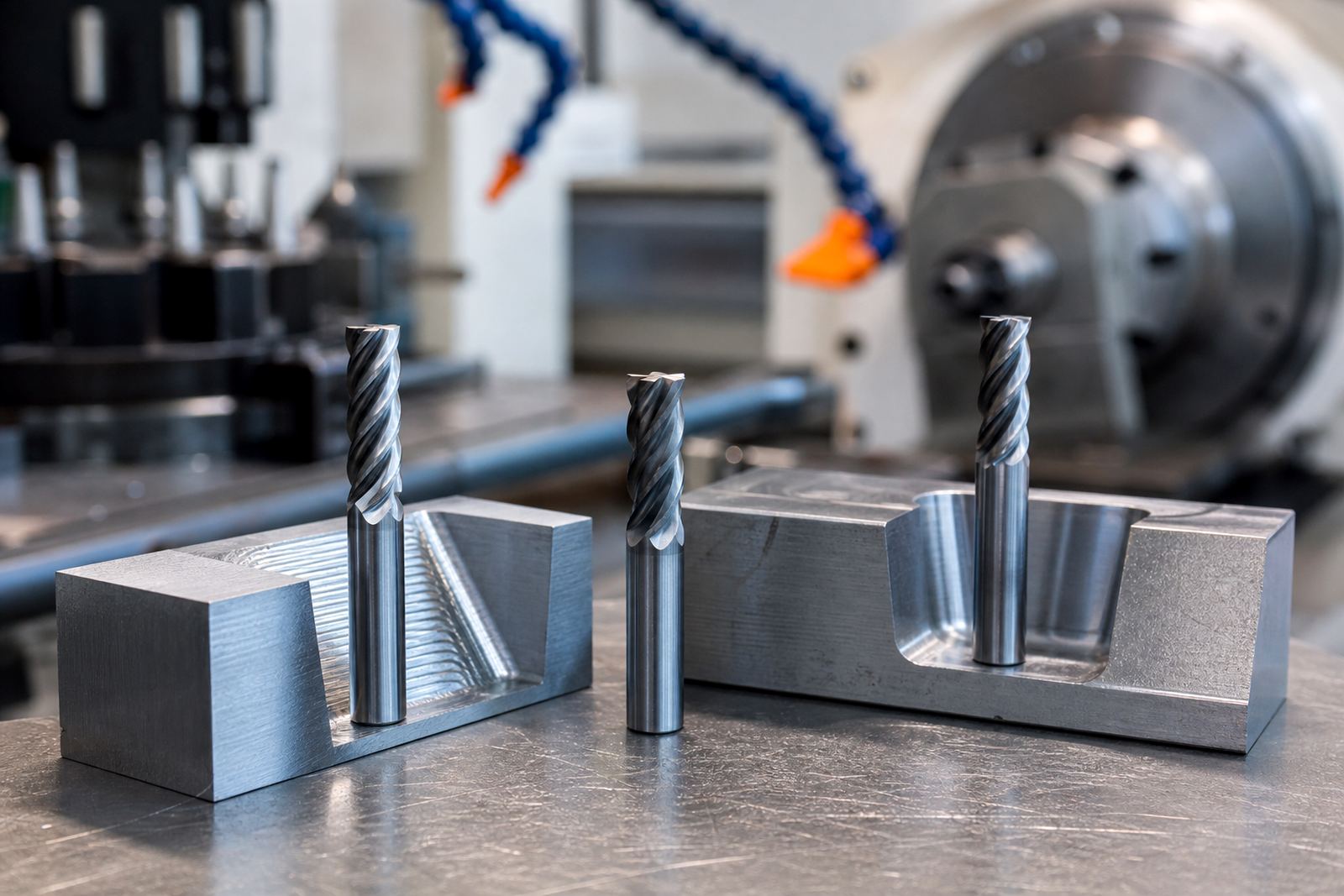
Edge preparation is about more than sharpness. The edge has to suit the material, the chip load and the machining strategy. Too sharp, and the edge can chip early on abrasive or interrupted cuts. Too much hone or edge rounding, and the tool starts pushing material instead of cutting it. That is where finish suffers and power draw climbs.
For CNC shops working across mild steel, hardened steels, aluminium and non-ferrous materials, the right edge prep helps the tool stay in the sweet spot. It supports clean entry, steady chip formation and longer life without forcing the programmer to change everything else around it.
As a practical rule, the more consistent the edge, the more consistent the job. That matters on repeat production runs where one bad tool can upset a full shift, and load shedding makes every productive hour count.
How edge condition affects finish on the part
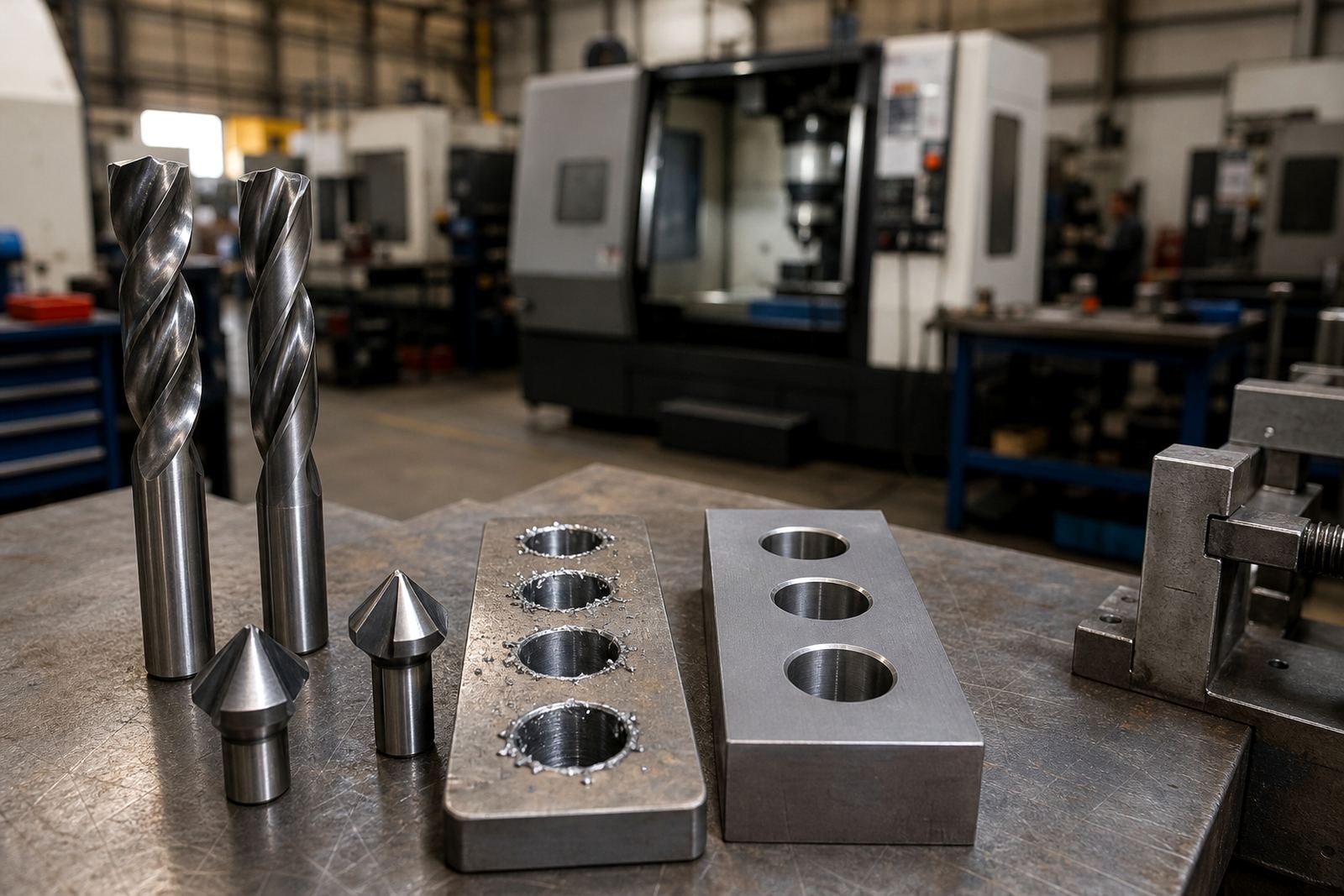
Surface finish is often the first visible sign that edge prep is not right. If the tool edge is damaged, it can leave a faint chatter line, pull material rather than shear it, or leave a rougher wall finish on a slot or pocket. On drilled holes, the same issue can show as breakout, poor roundness or a rough entry edge.
Finish problems caused by edge condition are easy to confuse with machine issues, but the tool should always be checked first. A worn spindle, poor workholding or incorrect feed can all play a part, yet a chipped edge will usually make those problems look worse.
- Check the first part after a tool change, not after ten parts
- Look for edge tearing on softer materials and heat marks on harder ones
- Use a consistent inspection method from shift to shift
- Keep tools away from loose contact in boxes, drawers and benches
In busy production shops, small handling mistakes can undo a lot of careful setup. A carbide edge knocked against another tool on a bench can be enough to shorten life before the job even starts.
Wear behaviour starts with the edge, not the machine
Tool wear is not only about cutting hours. It is also about how the edge wears. A good edge tends to wear in a more controlled way, with gradual flank wear or a predictable wear land. A poor edge often fails early with micro chipping, edge fracture or local hot spots.
This difference matters when planning production and stock. If a shop in Wadeville or Boksburg knows a tool normally gives a certain number of parts, that number only holds when the edge condition stays consistent. Once edge damage enters the picture, tool life becomes erratic and planning gets messy.
Wear behaviour is also linked to material matching. The wrong edge geometry for stainless, cast material or abrasive alloys can cause the edge to break down too quickly. On the other hand, the correct edge prep supports longer runs, more stable spindle load and fewer unexpected stoppages.
Practical checks before the tool goes onto the machine
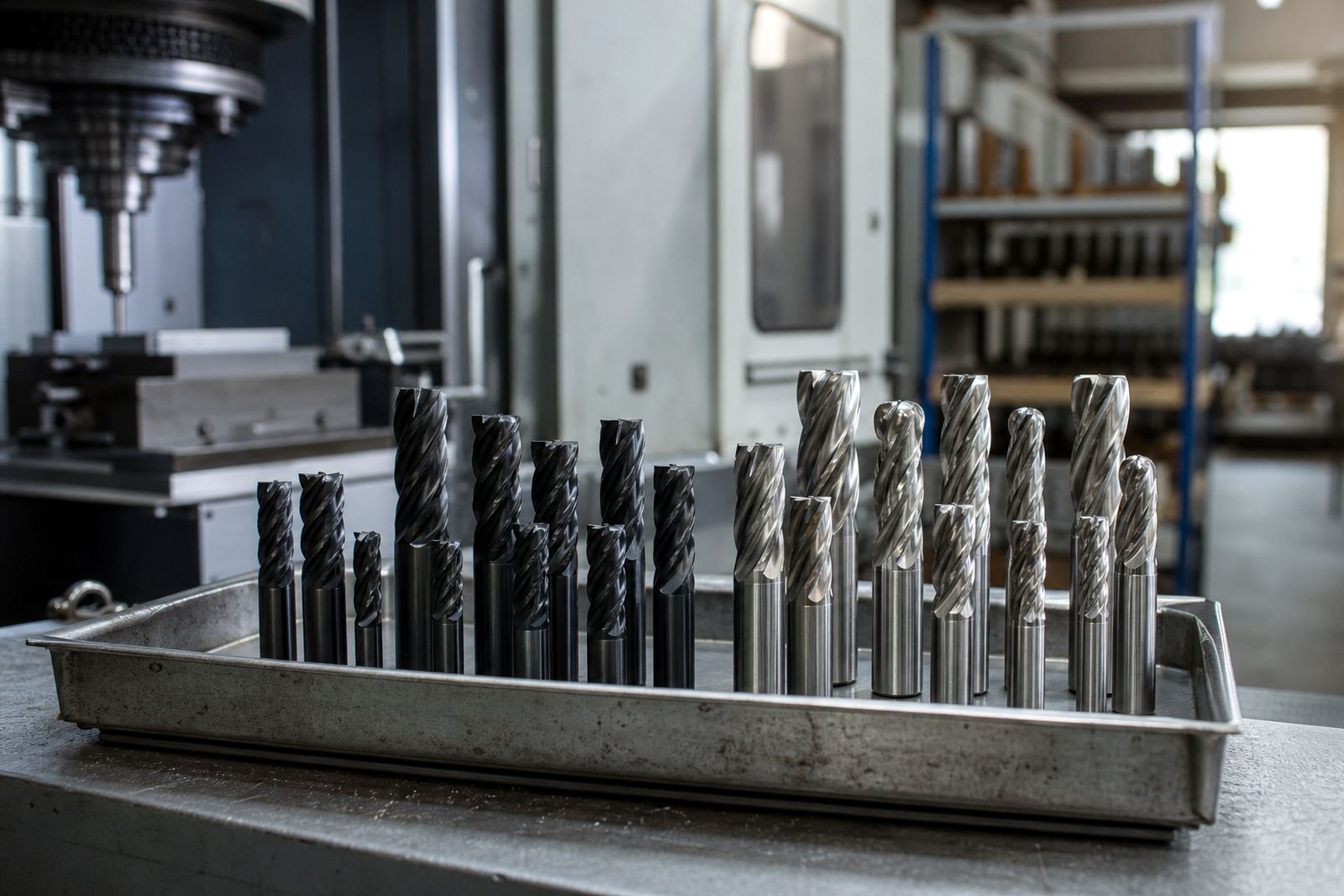
Good edge prep is only useful if the tool reaches the machine in good condition. That means handling, storage and inspection need attention. It does not take much to protect an expensive carbide tool, but it does take discipline.
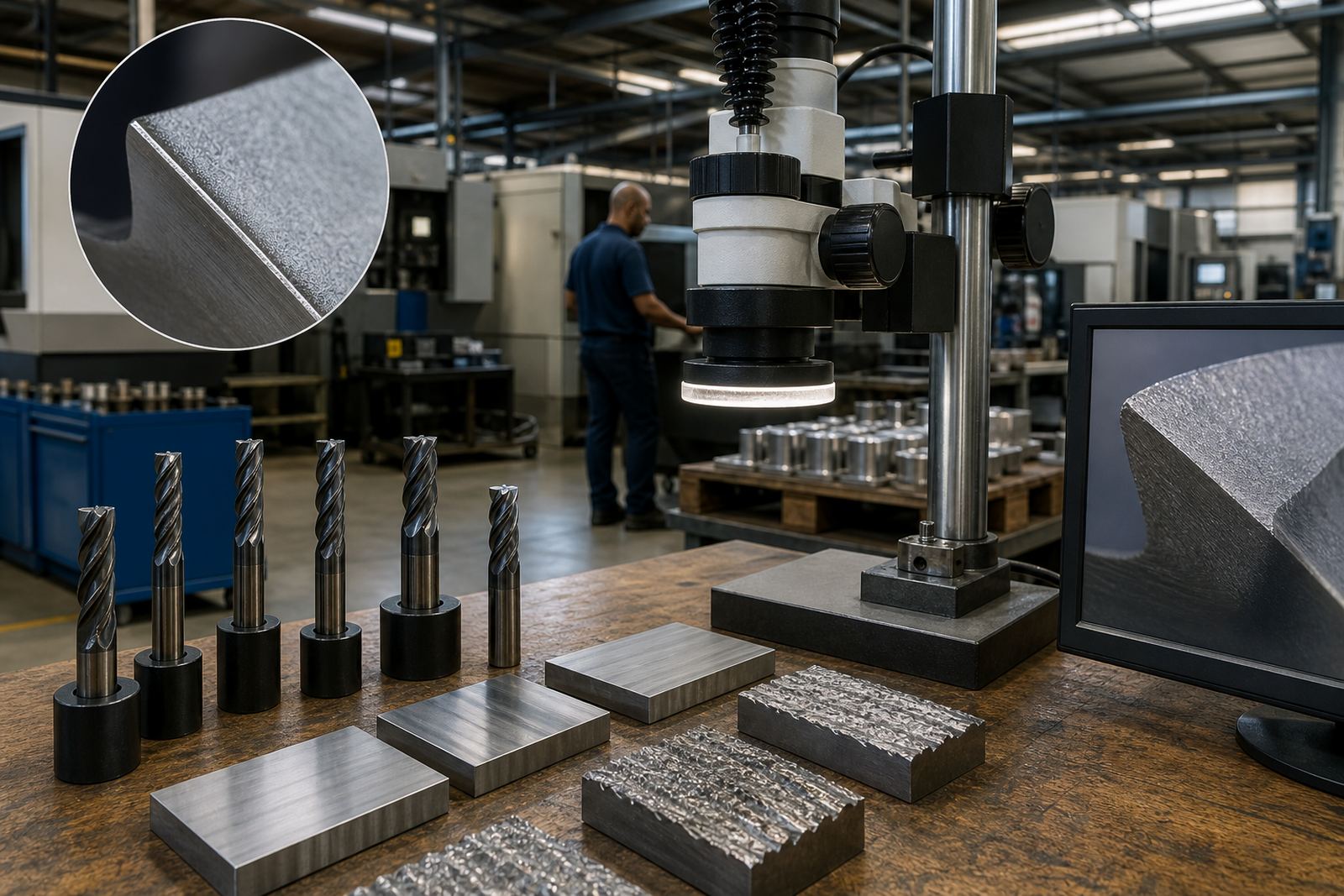
- inspect cutting edges under proper light before loading the tool
- reject tools with chips, nicks or uneven edge wear
- store tools in individual holders or compartments
- keep coolant residue and metal dust off the cutting zone
- match the tool to the material and the finish requirement before starting
For shops running mixed work, tool selection matters just as much as edge condition. A fast roughing cut and a finishing pass do not ask the same thing from the cutting edge. The tool has to suit the job, not just fit the holder.
A local example from a fast-moving production floor
A machining shop in Germiston was running a repeat stainless component for a client in the automotive supply chain. The program was sound, but the team kept seeing short tool life and a slightly rough wall finish. The machine was not the issue. The real problem was inconsistent edge condition between tools taken from the same batch.
Once the shop tightened inspection, stored tools properly and matched the edge to the material more carefully, the cut became steadier. The operator could hold feed better, chips cleared more cleanly, and the finish improved without extra polishing. The job stopped drifting during long shifts, which mattered on days when power interruptions already cut into production time.
That is the point of edge prep. It is not theory. It changes what happens on the floor, in real time, on real parts.