
Why diameter changes more than just the hole or slot size
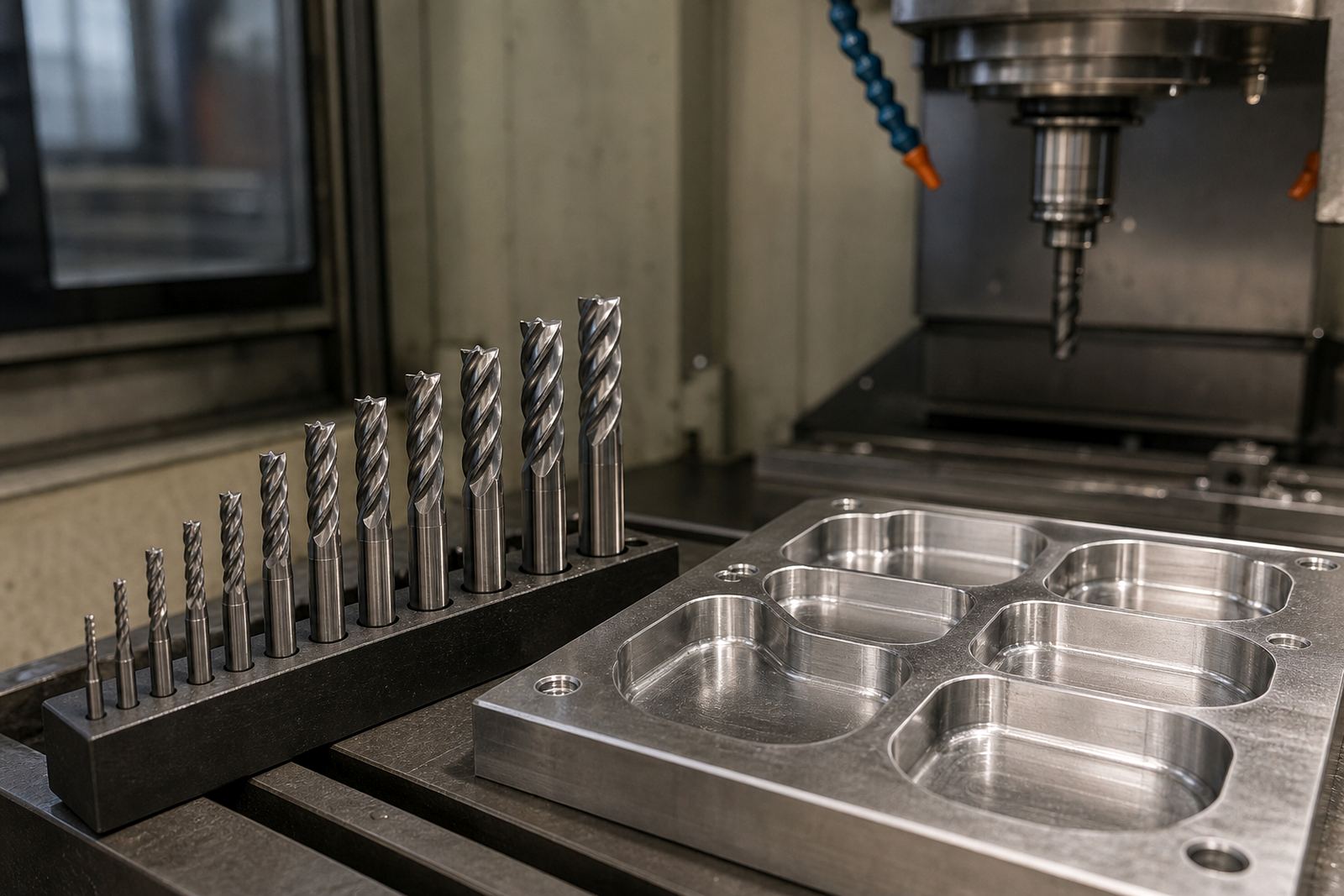
Tool diameter is not only about matching the finished feature. It also affects rigidity, chip load, cutter reach, and how much force the machine puts back into the tool. A larger diameter is usually stiffer and better at resisting chatter, but it may not fit into narrow pockets or deep cavities. A smaller diameter can reach tighter areas, yet it flexes more and may need lighter cuts.
That balance matters on solid carbide end mills and drills used in CNC machining centres across Gauteng, the Western Cape and KwaZulu-Natal. If the tool is too large for the job, you lose access. If it is too small, you may sacrifice accuracy, surface finish or tool life. The best choice starts with the part drawing, then works back to the material and the machine setup.
- Bigger diameter usually means better stability and less deflection.
- Smaller diameter helps with access into narrow features and deep pockets.
- Diameter affects feed rates, chip evacuation and cutting pressure.
- The right size reduces vibration, which improves finish and tool life.
Reach and rigidity must be planned together
Many shops focus on whether a cutter can physically reach the feature, but reach without rigidity is only half the job. As stick-out increases, a tool becomes less stable, even if the diameter looks suitable on paper. This is where the diameter to length ratio matters. A 6 mm cutter with long reach will behave very differently from a 10 mm cutter with short reach.
On tall components or deep pockets, try to keep overhang as short as possible. If the part forces extra reach, it can help to step up the diameter where clearance allows, then reduce the depth of cut. That often gives a better finish and lowers the risk of breakage. It also saves time because the machine does not have to fight as much vibration.
- Use the shortest safe stick-out for the feature.
- Choose the largest diameter the pocket or slot will allow.
- Check holder clearance before assuming a larger cutter will fit.
- For deep work, plan the diameter together with flute length and reach.
Pocket access in tight South African production work
Many local shops machine mould inserts, brackets, aluminium housings and mild steel components with awkward internal corners. In those jobs, pocket access is often the real limitation, not spindle power. A smaller diameter end mill can enter the feature cleanly, but it may leave more material in the corners and require another finishing pass.
That extra pass is not always a problem if the process is planned properly. In fact, roughing with a smaller cutter and finishing with a slightly larger one can be a practical method when the geometry allows it. For high-volume work, this approach can protect the main finishing tool and keep cycle time predictable.
- Small diameters work well for internal radii, narrow slots and tight webs.
- Allow for corner radius and cleanup passes in the process plan.
- Do not force a large cutter into a pocket just to save one operation.
- Check whether the final radius is a functional requirement or just a drawing preference.
Material changes the best diameter choice
The same diameter will behave differently in aluminium, stainless steel, tool steel and plastics. Softer materials often allow larger stepovers and more aggressive cutting, while tougher materials need better control of heat and chip load. A small cutter in stainless steel can overheat quickly if the feed is too light. In aluminium, a larger diameter may be preferred because it clears material faster and gives a better finish.
Coastal humidity in places like Durban and Gqeberha can also affect stock condition and storage, especially when material has sat in the yard or warehouse for too long. If the material has surface oxidation or inconsistent hardness, tool loading can change during the cut. Diameter selection should account for that kind of real world variation, not just the drawing.
- Aluminium often suits larger diameters and faster material removal.
- Stainless steel usually needs more rigidity and controlled engagement.
- Harder materials can punish small tools if the cutting strategy is too aggressive.
- Stored stock condition may affect finish and tool loading.
Matching diameter to feed, speed and machine condition
A cutter diameter is only useful when it works with the machine, spindle, fixturing and feed strategy. A well chosen tool on a tired machine can still fail if the table, collet or holder is not running true. Likewise, a good spindle on a rigid machine can still struggle if the diameter is too small for the material removal needed.
Shops in Johannesburg, Pretoria and Germiston often run mixed batches, with urgent jobs squeezed in between planned work. In that kind of environment, it helps to standardise the common diameters you trust for roughing, finishing and drilling. That makes stock planning easier and reduces the chance of grabbing the wrong size under pressure. It also helps when load-shedding interrupts production and the job has to restart mid shift, because repeatable tooling decisions are easier to recover from.
- Confirm the holder, collet and machine condition before increasing diameter expectations.
- Use standard diameters where possible for faster setup and stock control.
- Adjust feed and speed to suit the tool size and material, not the other way around.
- When production is interrupted, repeatable tooling choices reduce setup mistakes.
A practical example from a Wadeville jobbing shop
A small jobbing shop in Wadeville needed to machine pockets in 4140-type material for a machine component. The first attempt used a smaller cutter because the pockets looked tight on the drawing. It reached the features, but the finish was rough and the tool started to sing during the last pass. The issue was not just speed, it was a lack of stiffness for the amount of material being removed.
After reviewing the drawing and the holder clearance, the shop moved to a larger diameter for the main clearing pass and kept the smaller cutter only for the corners. The cycle became more stable, the finish improved, and tool life became more consistent. That is often the real value of choosing diameter carefully. You are not just selecting a size, you are setting up the entire cutting process to work properly.
- Use a larger diameter where clearance allows, especially for roughing.
- Keep smaller tools for corners, narrow sections and final clean-up.
- Review the whole process when a tool chatters or wears too fast.
- If a part keeps causing trouble, the diameter choice may be the first thing to question.