Why a clean hole starts before the drill touches the job
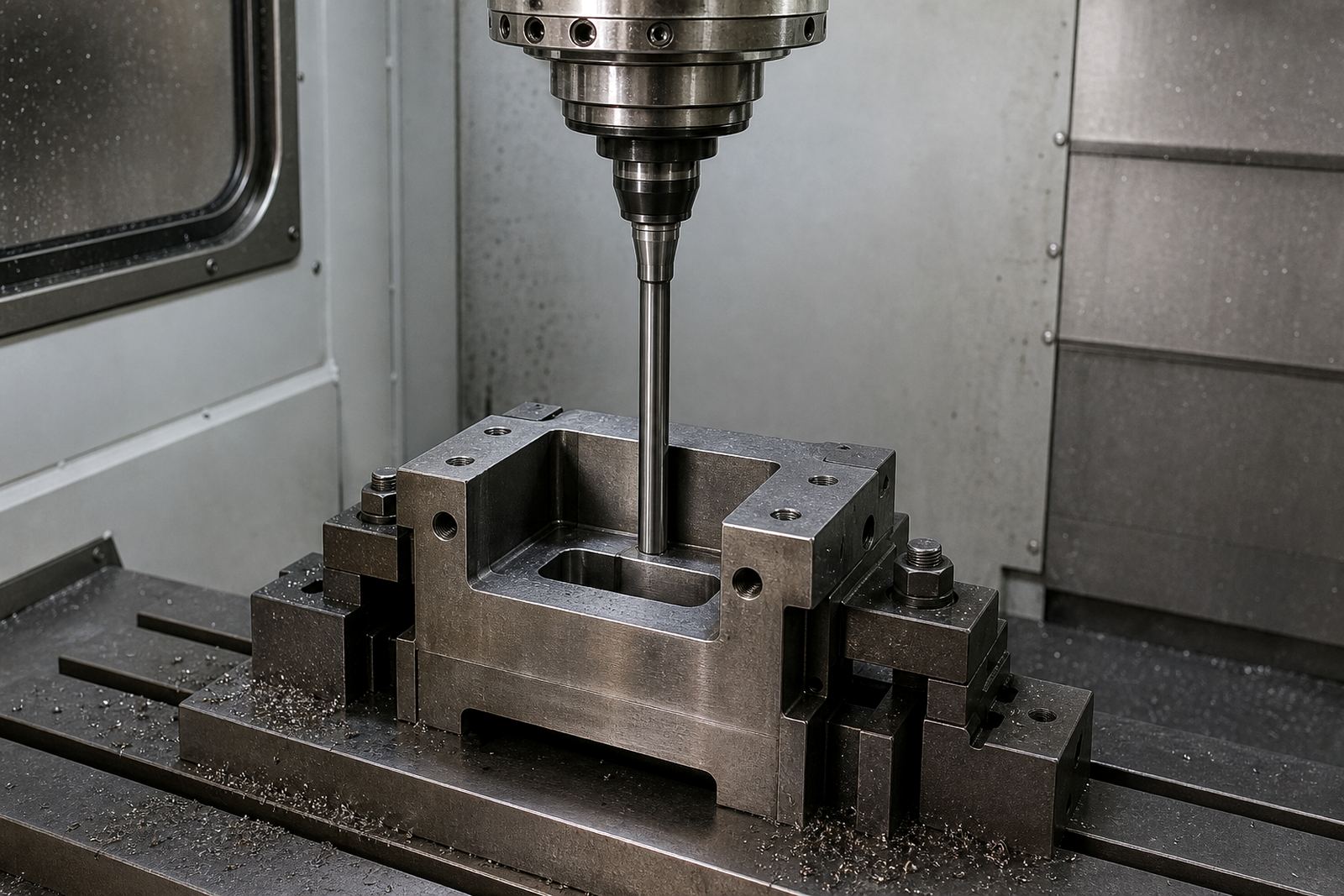
Most drilling problems begin at the setup stage, not at full depth. If the workpiece is not clamped firmly, the drill is not running true, or the spot location is weak, the tool will hunt for centre and open the hole larger than intended. In CNC machining shops across Germiston, Johannesburg and Pretoria, this often shows up on plates, brackets and small production parts where cycle time gets pushed and setup checks are rushed.
Solid carbide drills are unforgiving when the job is not prepared correctly. They need a stable machine, proper workholding and a sound entry point. On thin sections or parts with a hard skin, even a small movement can be enough to start chatter. Once the drill starts vibrating, cutting edges wear faster and the hole size drifts.
- Check clamping force before the first part is cut.
- Confirm spindle runout and tool holder condition.
- Use a spot drill or centre mark that gives the drill a clear start.
Wandering and poor location usually point to the entry method
When a hole walks off position, the cause is often a weak entry. A drill that is expected to self-centre on a curved surface, a cast face or a rough saw cut will often drift. This is common in repair work and in jobbing shops where material condition changes from batch to batch. The issue is not always the drill itself, it is the surface it meets first.
For accurate location, the entry point must guide the tool before full cutting load develops. A shallow pilot, spot face or controlled peck can help, but only if it matches the material and diameter. On stainless steel, for example, too much pecking can leave a poor finish and rub the cutting edge. On aluminium, a light entry with good chip clearance may work better. Johan Smit, our technical applications lead, often sees wandering caused by a good tool used with the wrong approach.
- Use a spot drill when location matters more than speed.
- Avoid starting a drill on a sloping or uneven surface.
- Match the entry method to the material and hole depth.
Poor size is often a chip and coolant problem
Oversize or undersize holes are not always a sign of the wrong diameter tool. Frequently the real issue is chip evacuation. When chips stay in the hole, they get re-cut and force the drill off size. This is more common in deeper holes, in gummy materials and during summer heat when coolant concentration is neglected. In coastal areas such as Durban and Gqeberha, moisture and corrosion can also affect tool storage and coolant condition if stock is left exposed.
Coolant delivery should reach the cutting zone, not just splash around the outside. A small solid carbide drill can cut beautifully with correct pressure and flow, but lose size quickly if chips are packed into the flutes. On blind holes, the problem is worse because the chips have nowhere to go. That is where speed, feed and peck strategy need to be set with care, not guessed.
- Keep coolant concentration within the machine supplier’s working range.
- Do not force chips out with excessive retracts if the material does not need it.
- Clean swarf from the machine and chip trays before it builds up.
Short tool life usually means the feed and speed are out
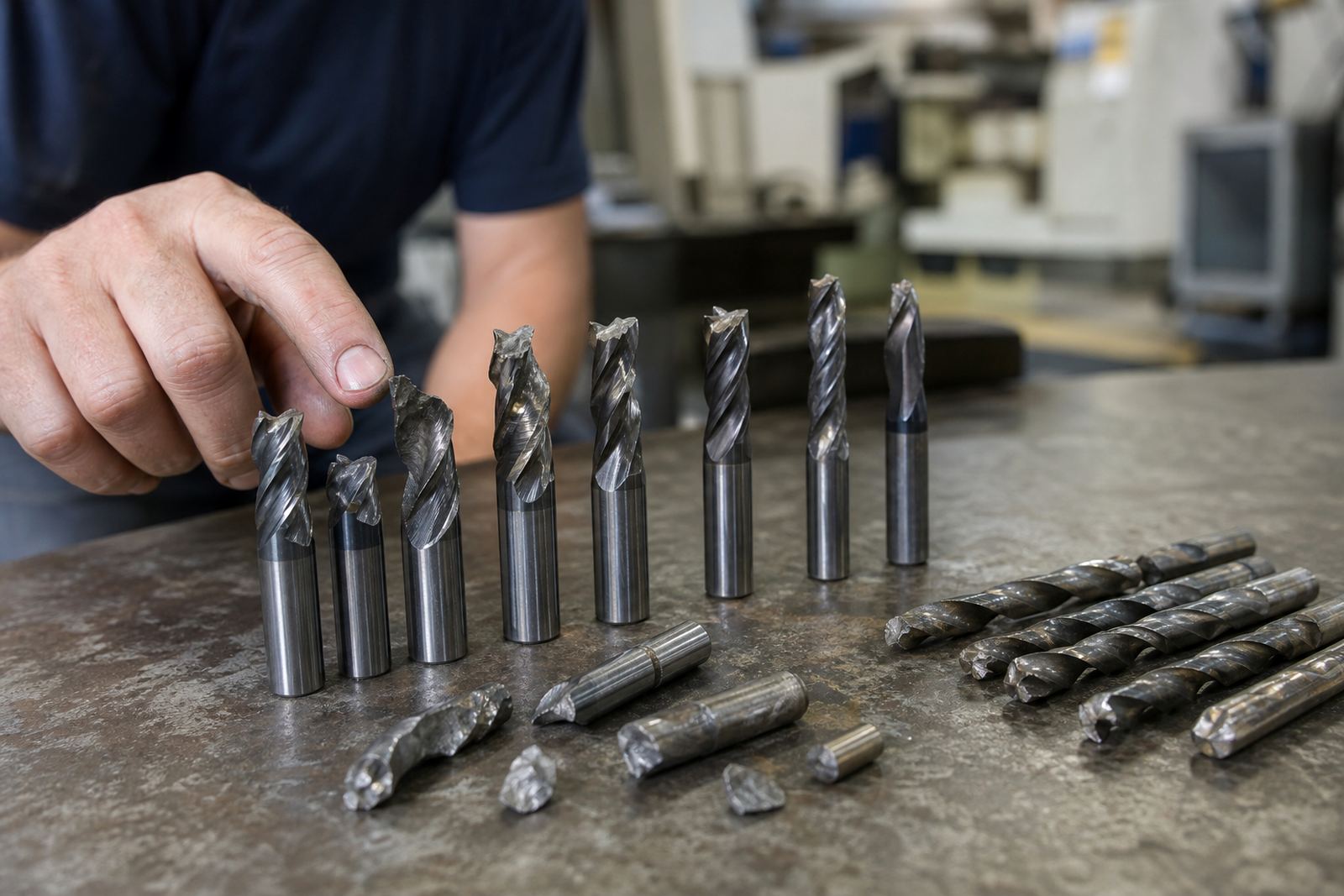
Many shops blame the drill when the real fault is cutting data. Running too slow can cause rubbing, heat build-up and edge wear. Running too fast can chip the cutting lips and shorten life in a hurry. The correct answer depends on material, diameter, hole depth and machine condition. A drill in mild steel on a stable machining centre may tolerate a different setting from the same tool in hardened material or cast iron.
Tool life also suffers when operators try to save the last bit of a worn tool for one more job. That extra part often costs more in scrap than the tool would have. At our Wadeville base, we see that shops with planned replacement schedules usually get better consistency than those that run tools until failure. Speed feed advice and material matching matter more than many people expect.
- Review cutting data when wear appears early across several tools.
- Do not copy settings from a different material without checking the load.
- Standardise proven parameters for repeat jobs and keep records.
Machine condition and spindle health can hide behind the symptoms
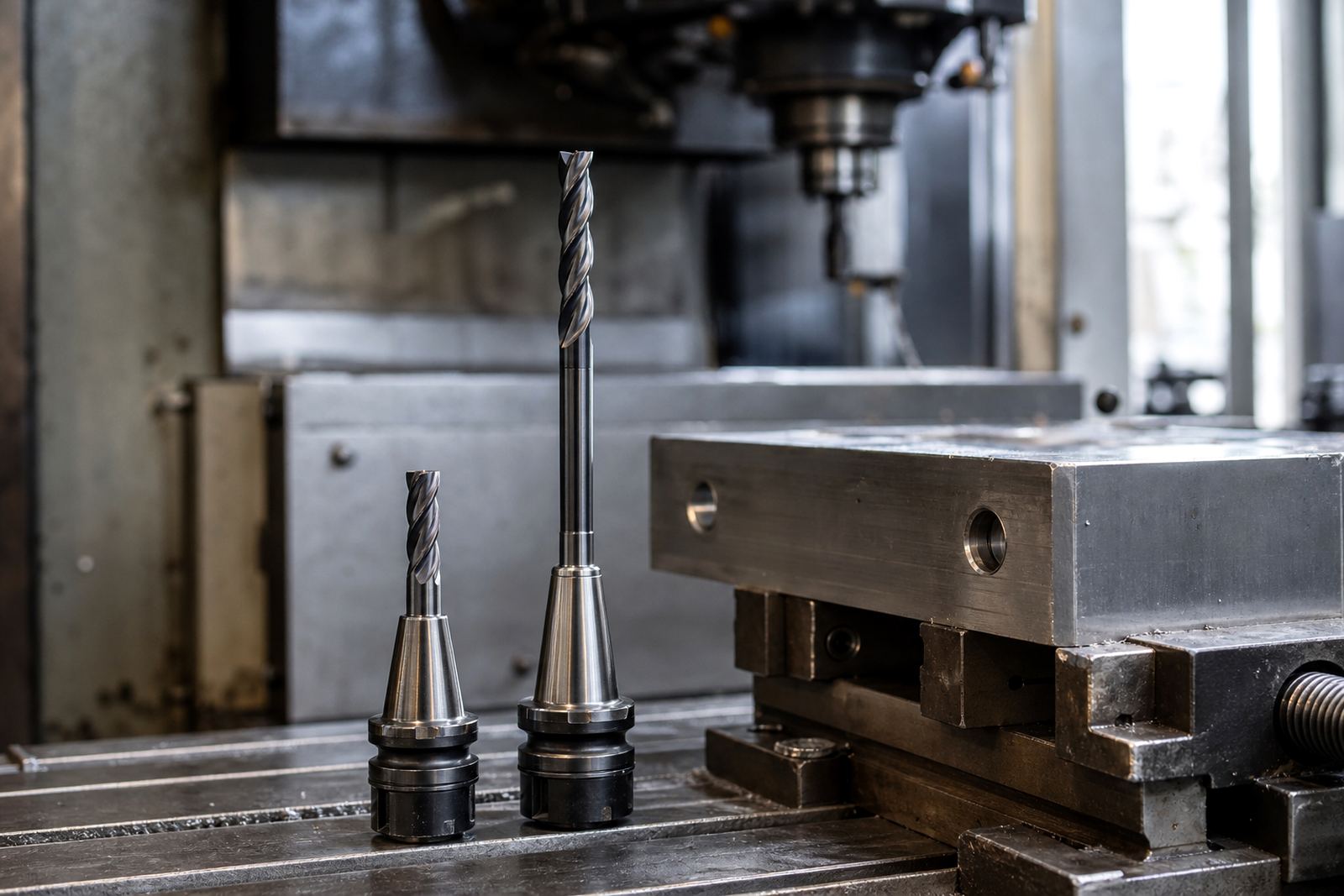
A drill fault can look like a tooling fault when the machine is actually the problem. Worn spindle bearings, poor pull stud condition, a dirty taper or excessive holder runout will all affect hole quality. The same is true when the machine is not warm and stable after a load-shedding restart or maintenance interruption. The first few parts may be enough to show a shift in size.
Before changing the entire tooling plan, check whether the machine is holding position and whether the tool holder is seated correctly. If the spindle is not running true, even a high quality solid carbide drill will not behave as it should. Thabo Molefe in warehouse operations sees many returned tools that were blamed for issues caused elsewhere in the process. A simple inspection often saves time and money.
- Check holder wear and taper cleanliness before fitting the drill.
- Measure runout at the tool, not only at the holder.
- After power interruptions, verify machine warm-up and axis repeatability.
A Germiston example: one hole problem, three causes
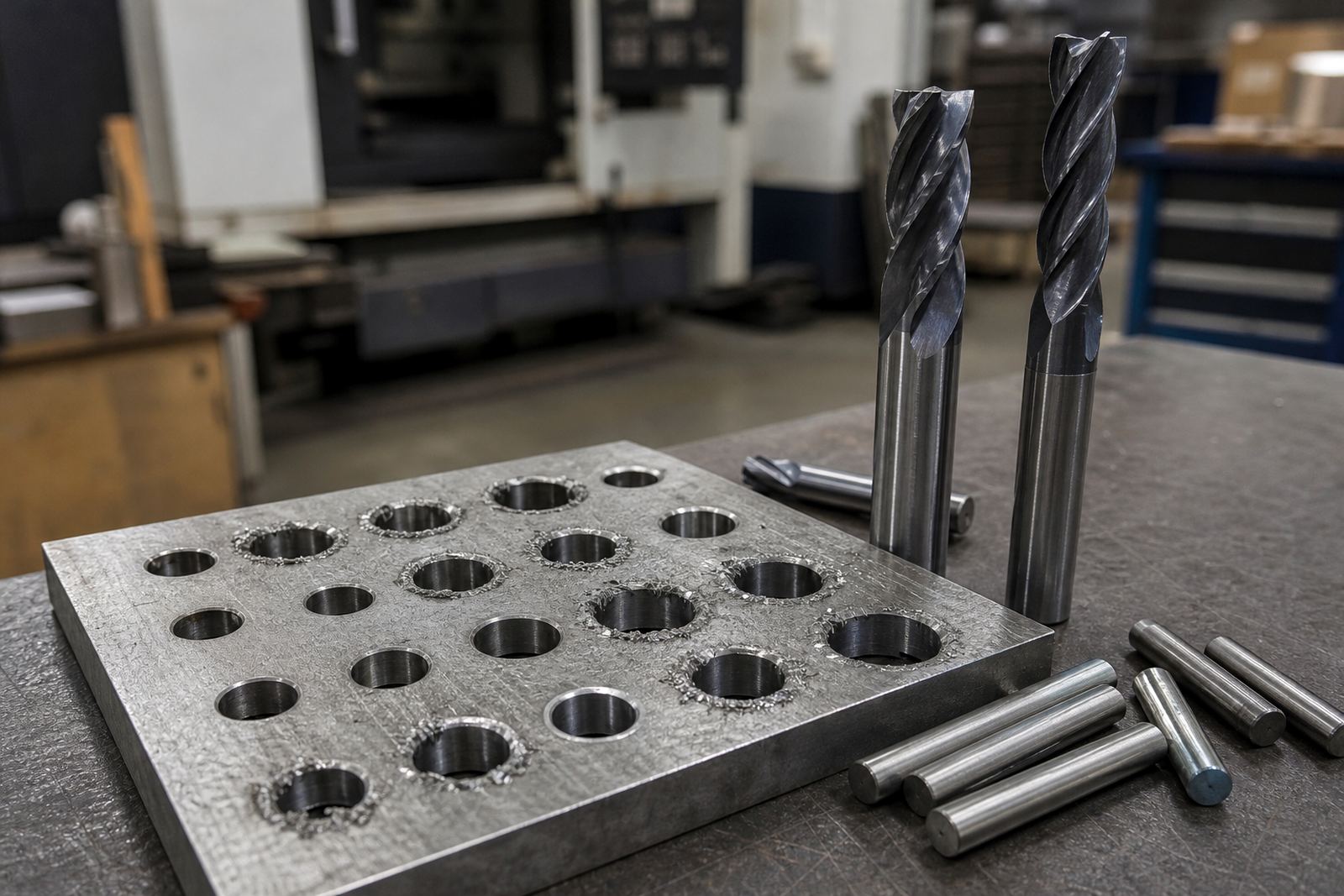
A machining shop in Germiston asked why a 10 mm hole in mild steel kept coming out oversize on a production bracket. The first assumption was that the drill had gone blunt. After checking the job, the team found three separate faults. The vice was not clamping evenly, the spot mark was too light and the coolant line was aimed past the cut. Once those were corrected, the hole size settled and the tool lasted through the full run.
This is a common pattern in South African shops. The complaint looks like one issue, but the real answer sits across setup, data and maintenance. That is why application support, sample tool trials and on site consultation can be useful when a process is already close to working but not yet stable. A small correction can save a full batch from rework.
To reduce drilling errors, keep a simple checklist beside the machine and train operators to use it before the first part. The best results usually come from discipline, not luck.
What to check before you blame the drill
If a hole is wandering, oversize or rough, work through the basics in the same order every time. This keeps troubleshooting practical and avoids unnecessary tool changes. Priya Naidoo in customer support often hears from shops that have swapped drills three times when the real answer was a setup fault. A structured check usually finds the cause faster.
- Is the workpiece clamped securely and flat?
- Is the tool holder clean and in good condition?
- Is the drill suited to the material and hole depth?
- Is coolant reaching the cut properly?
- Are speed and feed matched to the job?
- Is chip evacuation working, especially in blind holes?
If those points are sound and the problem remains, then it is time to review the tool geometry, coating choice and machining strategy. For CNC shops from Boksburg to Cape Town, that is usually the quickest route to better hole quality and longer tool life.