
Start with the material, not the habit
Many shops stick with the same coolant setting for every job, but that usually wastes tool life or adds unnecessary cleaning time. A better starting point is the material itself. Free-cutting aluminium behaves very differently from stainless, and cast iron has its own rules because the chips are dry and abrasive. If you are machining on a CNC centre in Germiston or Kempton Park, you also have to think about machine enclosure quality, mist control and whether the operator can keep an eye on chip build-up during long runs.
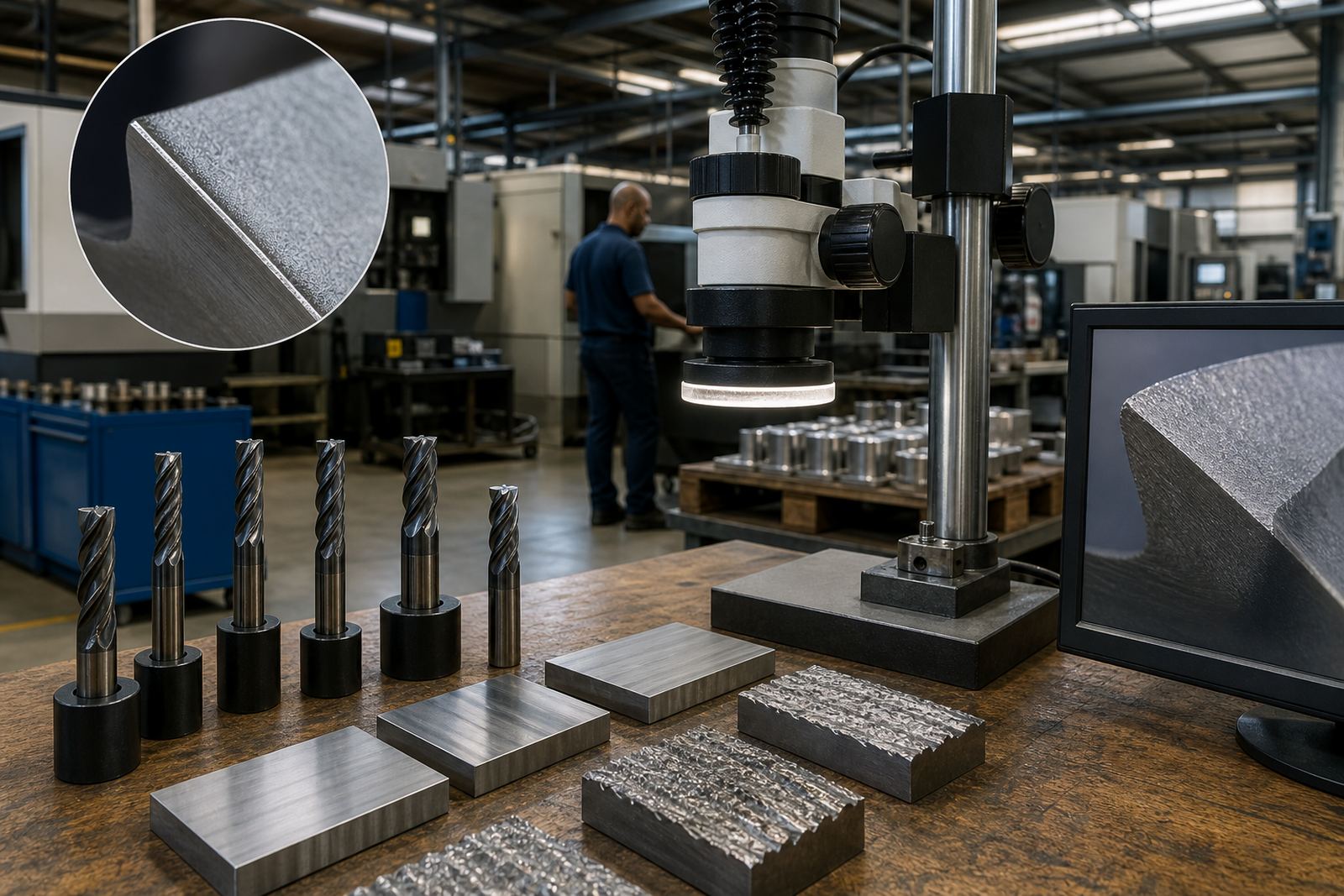
For aluminium, coolant often helps with chip evacuation and surface finish, especially on deep pockets and small end mills. On mild steel, a light flood can help with heat control and edge life, but some finishing passes can run dry if chip load is steady and the cutter has proper coating and geometry. Stainless usually needs more attention, since heat stays in the cutting edge and work hardening starts fast if feeds drop. Dry cutting can work in some cases, but only when the flute form, machine rigidity and chip clearance are right.
There is no single rule that suits every machine. A 10 mm solid carbide end mill on a rigid machining centre can behave very differently from the same tool on an older machine with weaker spindle bearings or uneven coolant pressure. The practical question is not just whether coolant is available, but whether it is reaching the cutting edge at the right point.
When coolant earns its keep
Coolant is not only about cooling. It also clears chips, reduces built-up edge and helps stop recutting, which is often the real cause of poor finish and early wear. In South African workshops, that matters when production targets are tight and the machine has to run through load shedding windows or limited shift hours. If a tool is lasting longer and holding size, the process is usually easier to schedule.
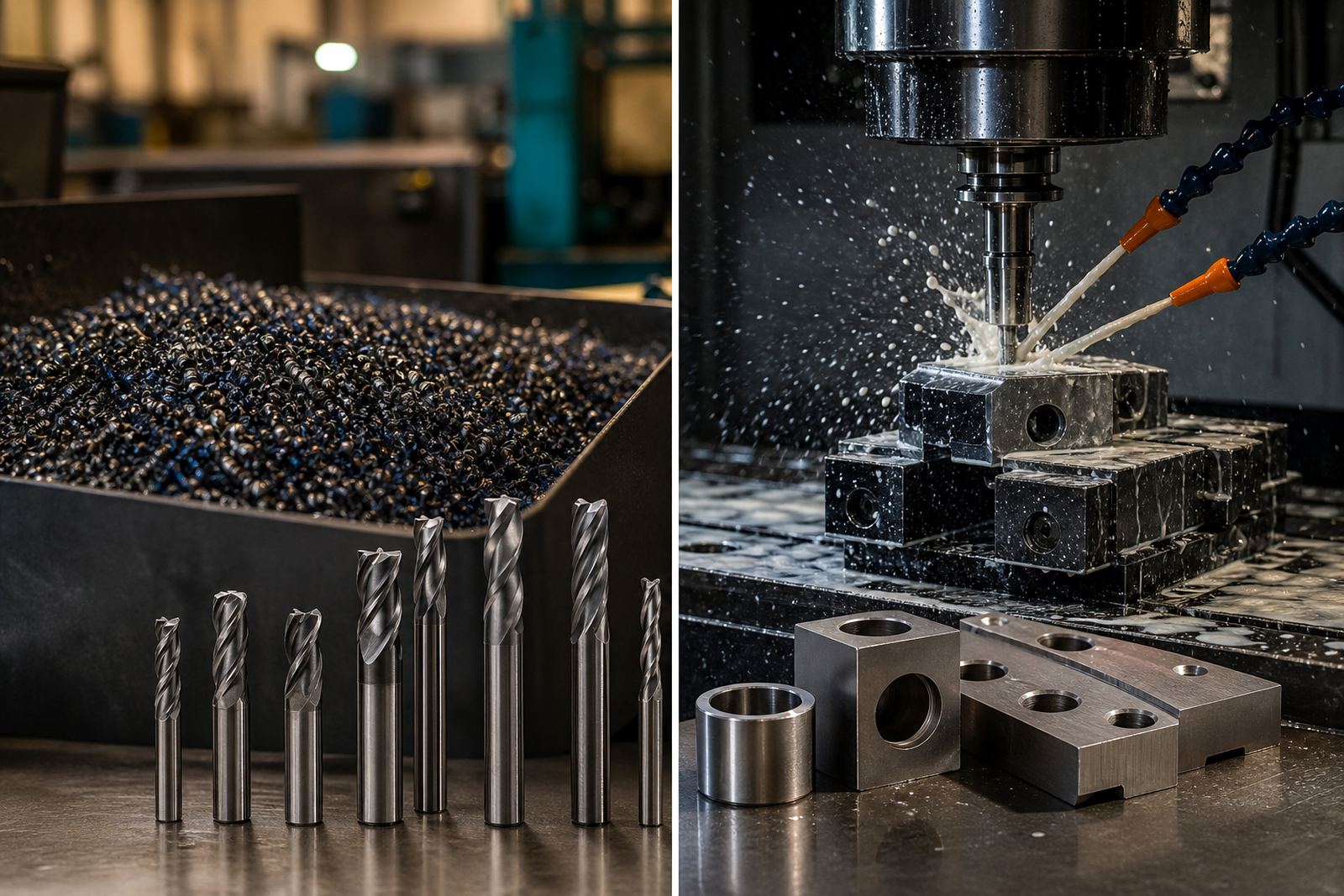
Flood coolant tends to help most on deeper slots, pockets and interrupted cuts. It also suits drilling where chip evacuation is the main issue. A solid carbide drill in 316 stainless, for example, can fail early if chips pack in the hole. Coolant pressure does not need to be extreme for every job, but it must be consistent. A weak dribble often does more harm than good because it cools unevenly and leaves swarf behind.
- Use coolant for deep holes, heavy slotting and materials that hold heat.
- Check nozzle position before blaming the tool, because poor aim causes many failures.
- Keep concentration correct so the fluid does not go stale, separate or smell sour.
- Top up and filter regularly, especially in hotter months on the coast where corrosion can creep in faster.
Where dry cutting is the better call
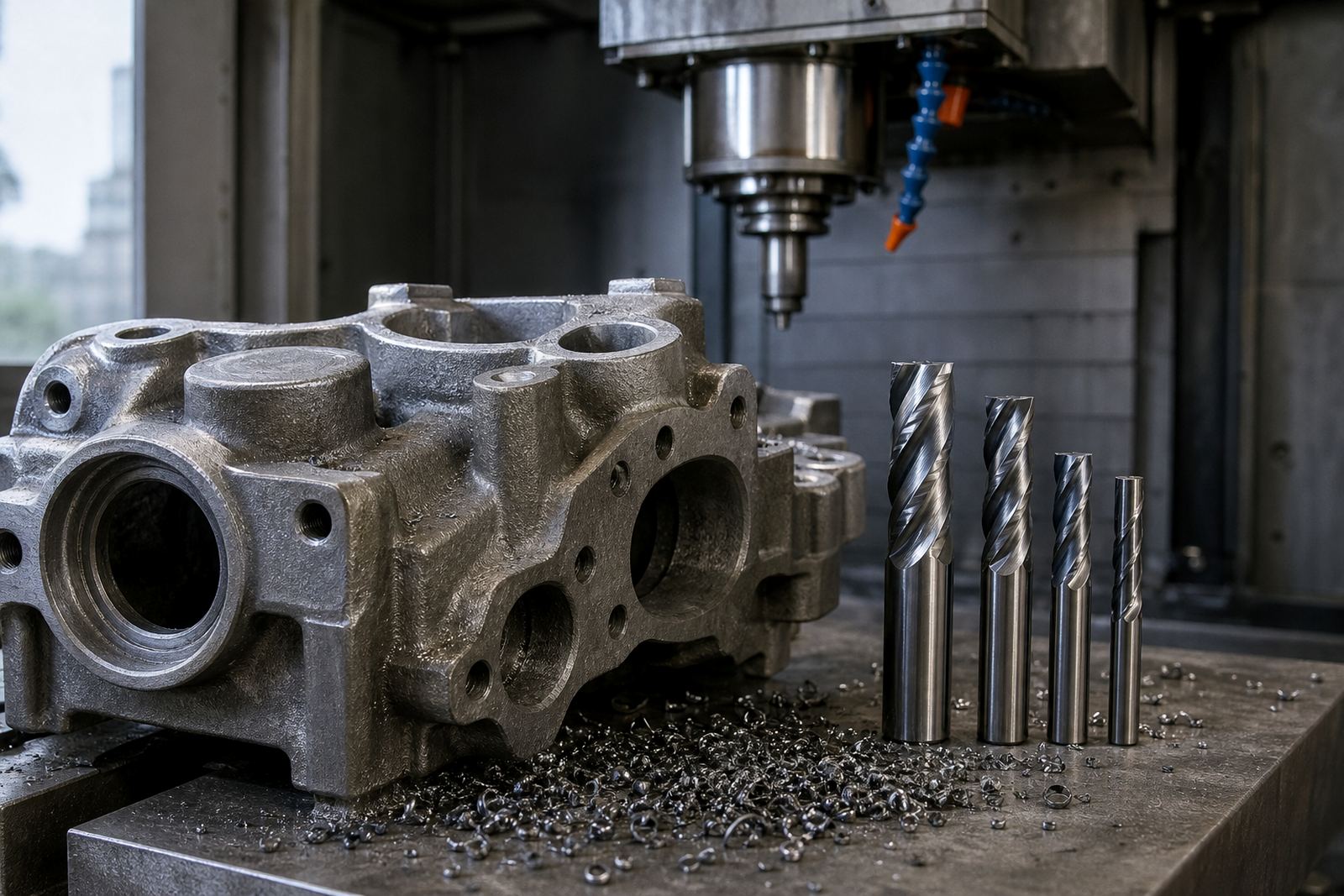
Dry cutting can be the better option when chip control is good and the workpiece material does not smear. Cast iron is the common example. It often machines well dry because the chips break easily and coolant can turn abrasive dust into a slurry that wears seals and guides. Some aluminium jobs also suit dry cutting, particularly on finishing passes with air blast and short tool overhang. In those cases, avoiding coolant can save on cleanup and reduce mess around the machine.
Dry cutting also makes sense when a shop wants to avoid moisture on sensitive fixtures, probing systems or electrical components. In coastal areas like Durban or Gqeberha, coolant mist and humidity can be a headache if machines are left idle overnight. Rust on clamping parts, vises and tool holders can start quickly if housekeeping slips. A clean dry process with air blast, good extraction and disciplined chip removal can be the simpler route.
That said, dry does not mean careless. Heat has to go somewhere. If the feed is too slow, the cutter rubs instead of cuts and the edge gives up early. A dry process should usually be paired with stable spindle speed, good chip evacuation and tool paths that avoid burying the cutter for too long.
Tool geometry decides a lot more than people think
Cutter style matters just as much as coolant choice. A general-purpose end mill with standard flute geometry may cope with flood coolant on mixed jobs, while a high-helix aluminium cutter often performs better with strong chip evacuation and less recutting. For stainless, a tool with the right core strength and rake is more important than simply adding more fluid.
Drills follow the same logic. Internal coolant channels can help on deeper holes, but only if the pump, filters and pressure are maintained. A perfectly good drill can look faulty when the real issue is blocked coolant holes or chips packed at the bottom of the hole. On the other hand, some short-hole drilling and spot drilling operations are fine dry, provided the machine clears chips cleanly.
- Choose flute count based on chip space, not just what is available on the shelf.
- Use coatings and edge prep suited to the material, especially on stainless and tool steel.
- Keep overhang as short as possible to reduce chatter, whether running wet or dry.
- Match the tool to the machine’s spindle power and rigidity before changing coolant strategy.
A Pretoria production run that changed after one nozzle move
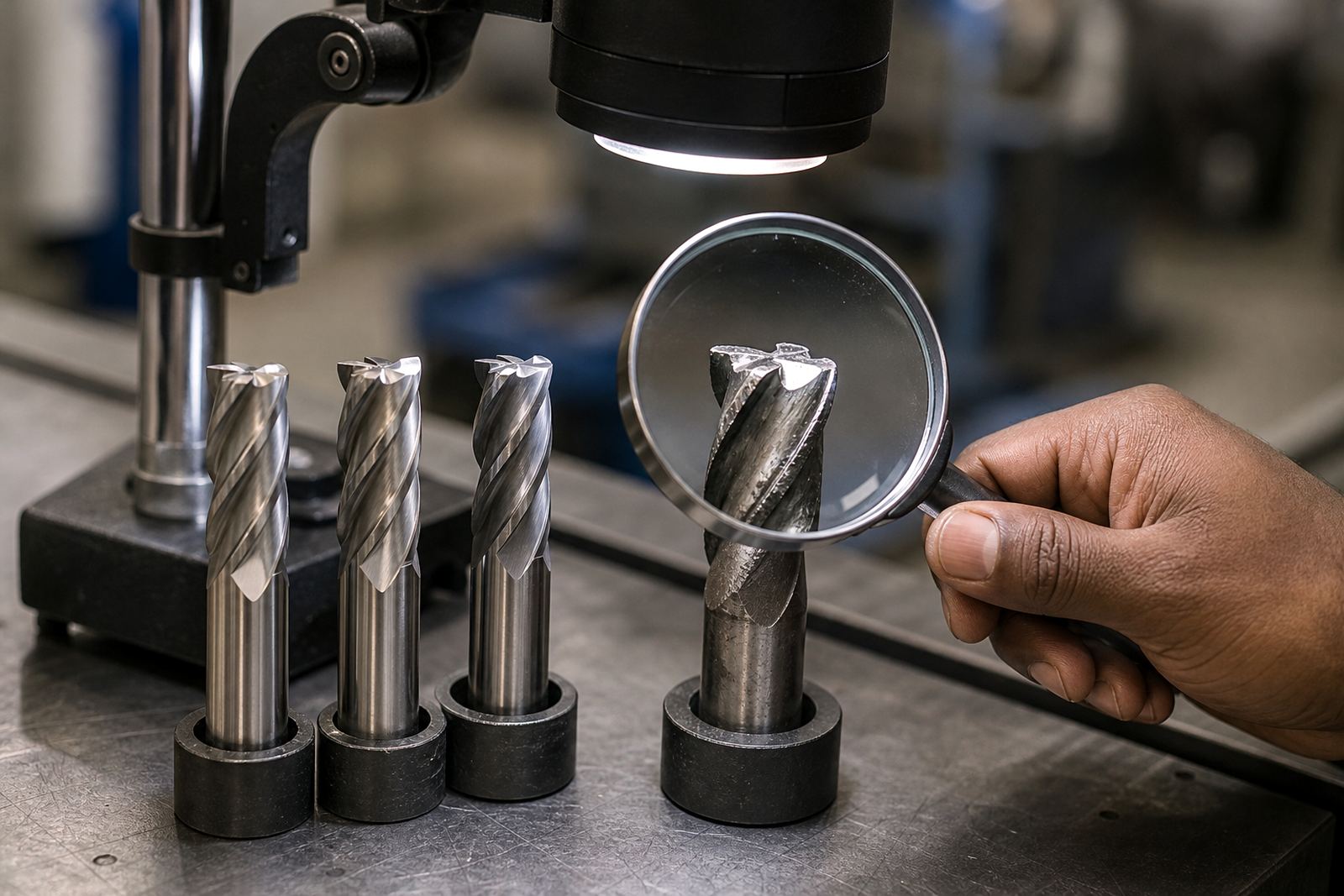
A practical example came from a Pretoria shop running a batch of steel components with a solid carbide end mill. The cutter was lasting poorly and the finish was patchy. The first assumption was that the tool needed replacing. In fact, the coolant was aimed below the cut and the chips were being cut twice before leaving the pocket. Once the nozzle was moved, the feed was adjusted and the chip load was kept consistent, the tool life improved and the cycle became more predictable. No new machine was needed, just better control of the basics.
That kind of fix is common. Shops often spend money on new tooling before checking coolant delivery, chip evacuation or feed consistency. In a busy plant, small changes matter. A better setup can reduce scrap, lower tool spend and make production planning easier when urgent orders come in. It also helps if the team keeps notes on which jobs run better wet, which run dry, and where a hybrid approach works best.
For Gauteng shops dealing with mixed work, the useful habit is simple: test one variable at a time. Change coolant flow, then test again. Change feed, then test again. That is how you get a process you can repeat instead of guessing from job to job.
A simple shop-floor checklist before you choose
Before deciding coolant or dry, look at the full setup, not only the cutter. The machine, the material and the end goal all matter. A long production run in Johannesburg may need different treatment from a short urgent job in Boksburg or a finishing run for a Cape Town customer. The correct answer is often practical rather than theoretical.
- Is the material prone to work hardening, smearing or heat build-up?
- Can chips leave the cut cleanly without recutting?
- Is the spindle, holder and machine enclosure in good condition?
- Will coolant help, or will it create cleaning and corrosion issues?
- Can the process stay consistent through the full shift, even when power interruptions or reduced staffing cause delays?
If you are unsure, start with the job requirements and build from there. The best coolant strategy is the one that protects the tool, keeps the finish in tolerance and fits the way your workshop actually runs. That is what keeps production steady and avoids expensive surprises later on.