
Start with the tool that suits the cut
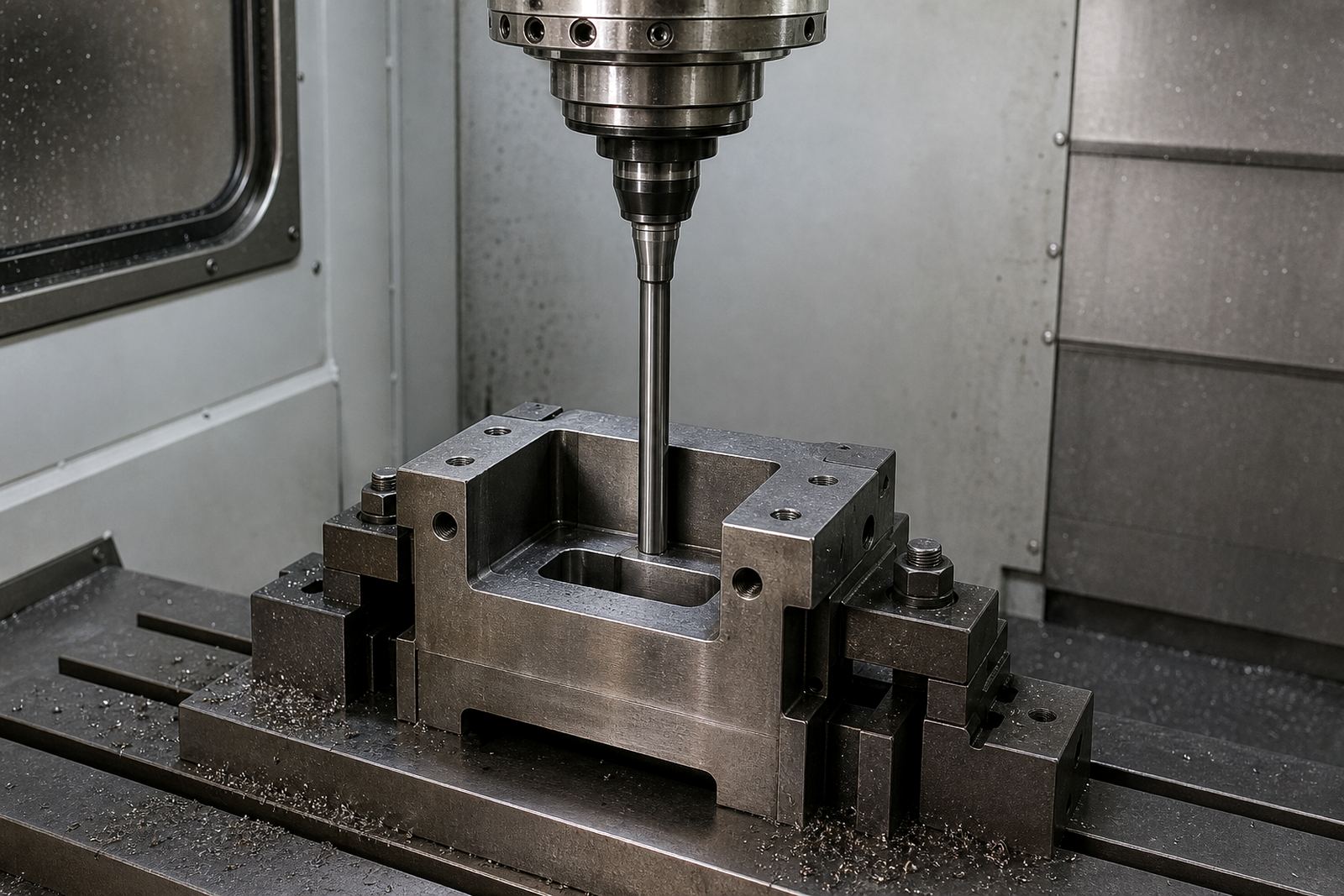
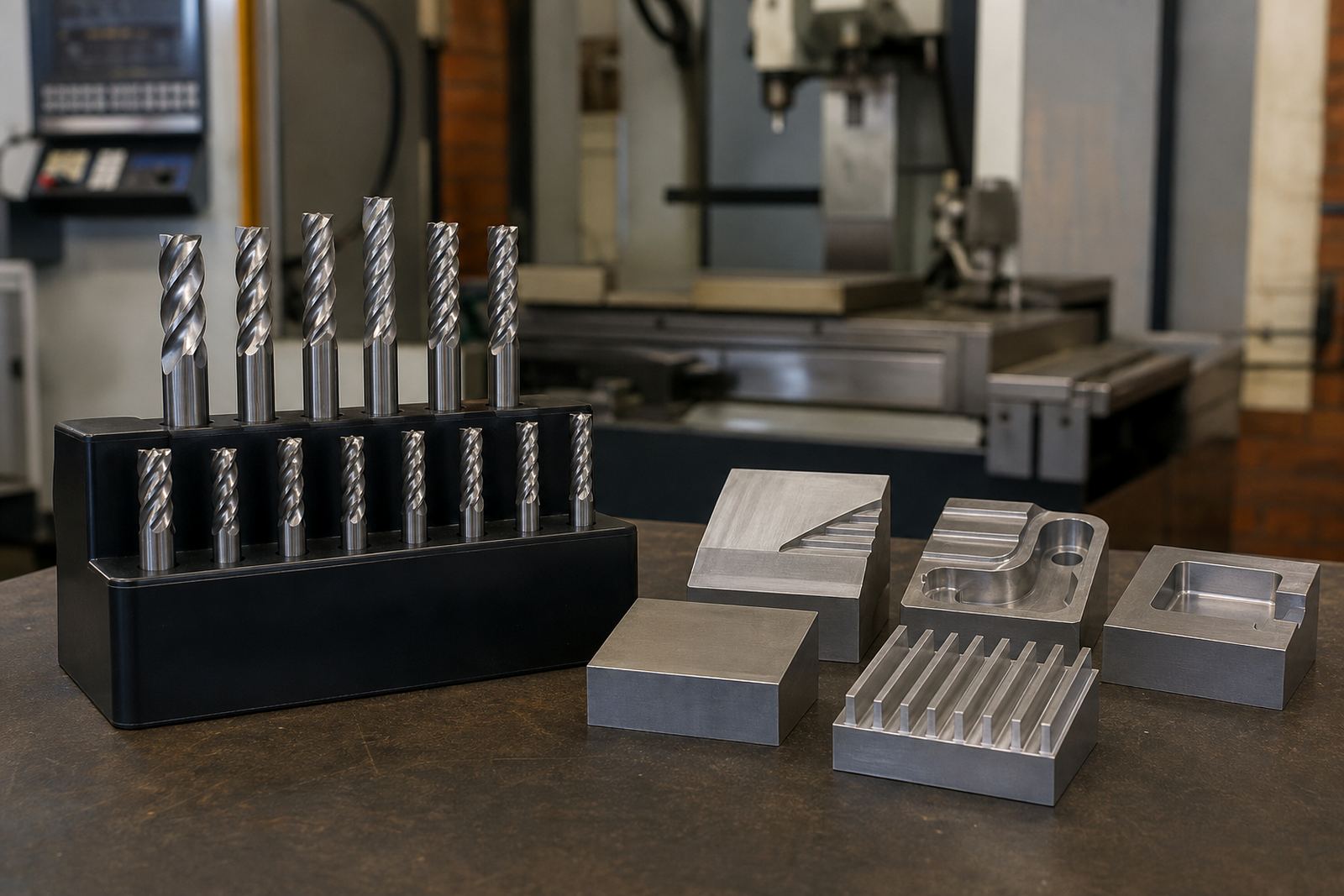
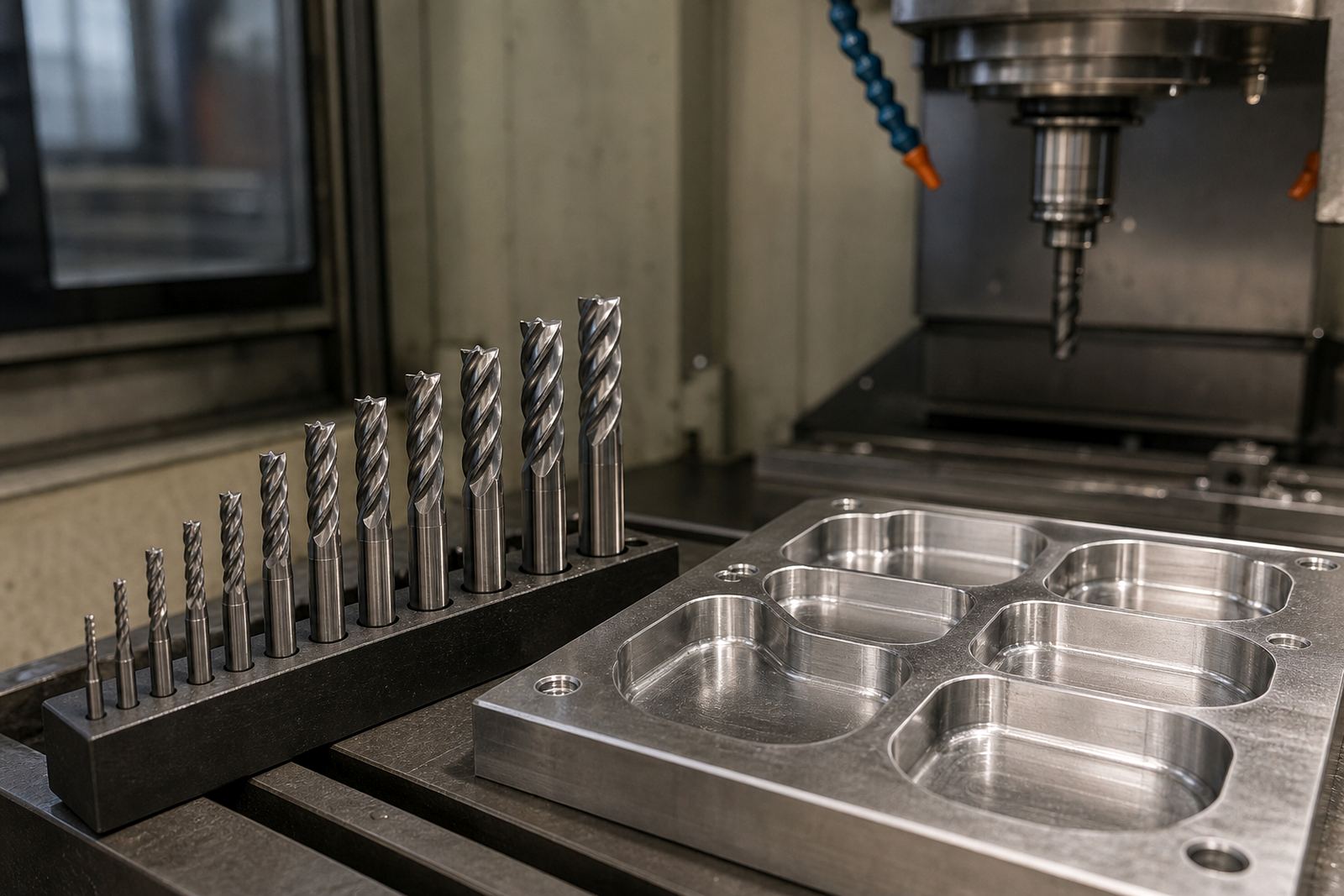
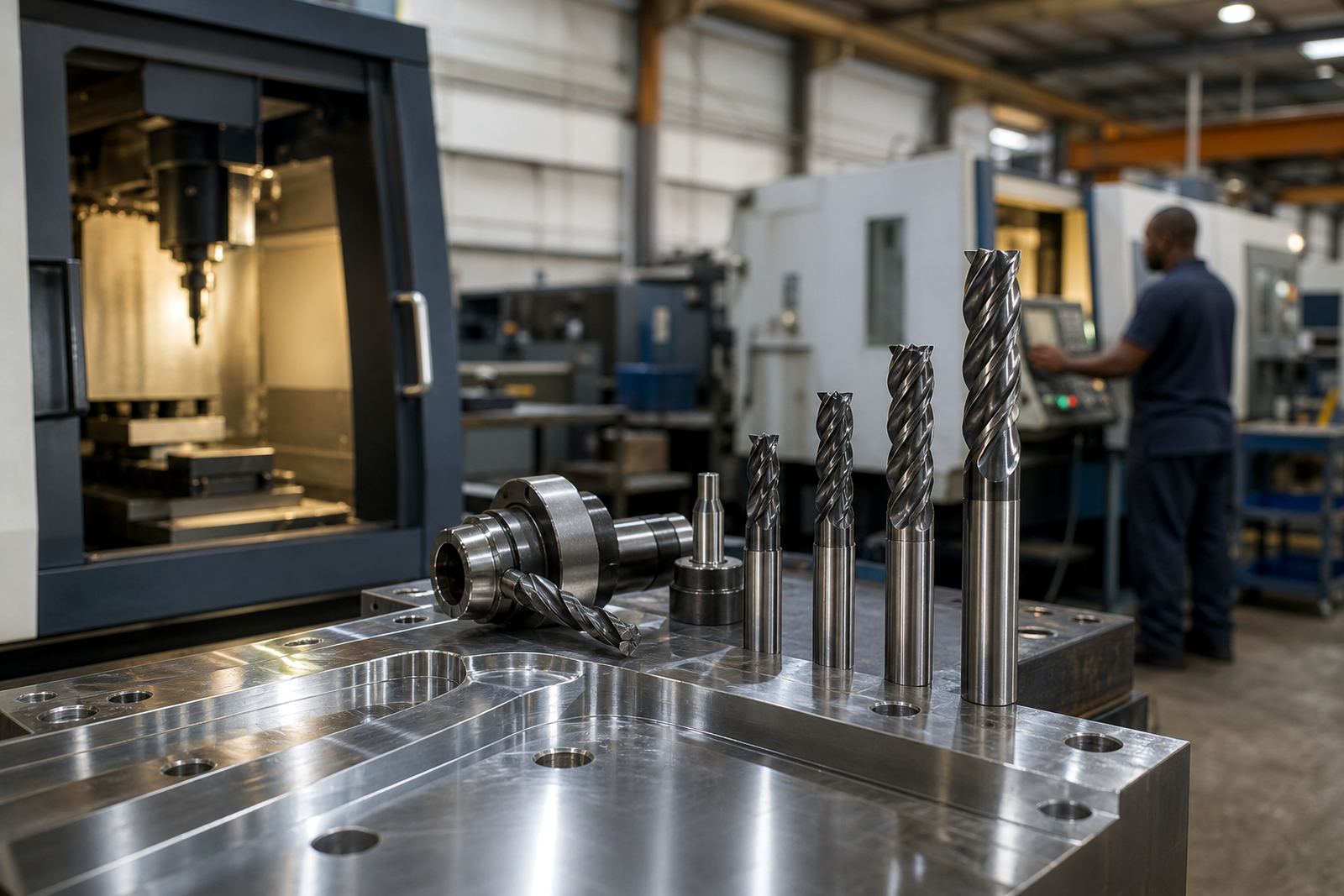
Tool selection should be practical, not guesswork. For a clean finish, check whether the cutter is clearing chips properly and whether the flute count suits the material. In long cuts, especially on stainless or mild steel plate, poor chip control can leave marks that look like vibration but are really recutting. On aluminium, packed chips can smear the surface in seconds.
- Use shorter overhang where possible to reduce deflection.
- Choose a finish pass with lighter radial engagement.
- Keep the cutter sharp and replace it before the edge collapses.
- Match flute count to chip load, not just spindle speed.
- Use the correct coolant or air blast for the material and machine.
For many shops in Germiston and Boksburg, the quickest win is not a new machine, it is choosing a finishing tool that suits the actual cut length and stock allowance. That small change can lift the finish without slowing production too much.
Stiffen the setup before changing speeds
Feed and speed settings have a direct effect on finish. Run too slow and the tool can rub, leaving a shiny but poor surface. Run too fast and you may get heat, built-up edge and chatter. The right point sits in the middle, where the cutter is actually shearing the material cleanly.
On a production line, it is tempting to copy old settings from a previous job and hope for the best. That is rarely enough. Material grade, cutter diameter, flute count and overhang all change the answer. A light finishing pass with a consistent chip load often gives a better result than a heavier pass that makes the machine sound busy. If you hear chatter, do not ignore it. The marks it leaves are usually already on the part before the operator can react.
For shops working on tight delivery in Johannesburg, Pretoria or Durban, speed feed advice can make a practical difference. A small change in feed per tooth or depth of cut may improve finish and extend tool life at the same time. It is worth testing in a controlled way rather than changing three things at once.
Chip evacuation and coolant matter more than many shops expect
A clean surface depends on chips leaving the cut properly. If chips sit in the groove they get cut again, and that second cut damages the finish. This is common on deeper slots, blind pockets and materials that pack tightly. On some jobs, the finish problem is not the tool at all, it is poor evacuation.
Coolant delivery needs the right pressure and angle. Too little and the edge overheats. Too much, applied badly, can push chips back into the cut. In coastal areas like Cape Town and Gqeberha, humidity can also affect storage and tool condition if cutters are left exposed. Keeping carbide dry and properly stored helps prevent edge issues before the tool even reaches the machine.
For aluminium and some steels, an air blast can work well when it clears chips without flooding the cut. On tougher materials, a steady coolant stream is usually safer. The key is to keep the cutting zone clean enough for the tool to do a proper finishing pass.
Use sample trials to prove the finish before production
In Wadeville and across the East Rand, many machining shops are under pressure to keep turnaround times short while still meeting a clean surface requirement. A common example is a batch of machined brackets or housings that look fine on the first pass but show marks once anodising, painting or plating goes on. The coating makes every tool mark more visible, so what seemed acceptable on the machine suddenly fails inspection.
In cases like this, the fix is often simple: improve the last finishing pass, reduce vibration and match the cutter more closely to the material. One job in Germiston may only need a slight change in feed and a shorter overhang to move from an average finish to a proper production finish. That kind of adjustment is usually cheaper than scrapping parts or reworking a whole batch.
When you are trying to improve surface finish, it helps to treat it as a process problem, not just a tool problem. The cutter, setup, chip flow and cutting data all work together. Get them aligned and the result is usually better than expected, even on demanding jobs.