Why the machinist’s notes matter more than a guess
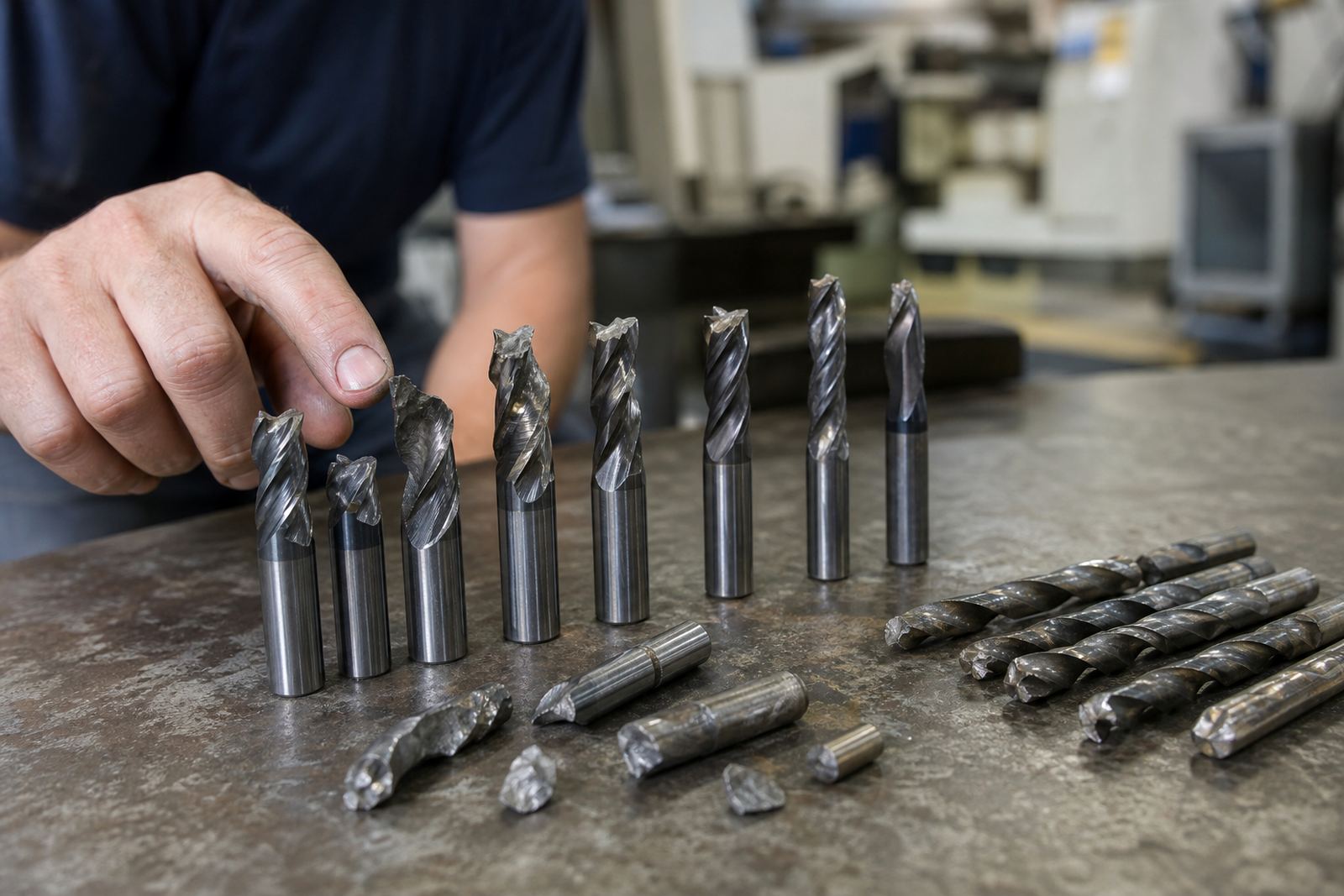
When a job is running on a solid carbide end mill or drill, the operator sees what the tool is doing cut by cut. Chatter, rubbing, chip packing, early wear and changes in finish often show up long before a part is rejected. If those details are captured properly, they help the tool supplier and the shop make better decisions on the next run.
At CuTools Carbide in Wadeville, Germiston, we work with CNC machining shops across Johannesburg, Pretoria, Cape Town, Durban and Gqeberha that need more than a catalogue recommendation. A machinist’s feedback tells you if the issue is tool geometry, speed and feed, coolant delivery, workholding, or simply the wrong tool for the material. That is how you move from trial and error to a repeatable process.
Feedback is most useful when it is specific. “Tool is bad” does not help much. “Flute packing starts after 18 minutes in 316 stainless, with chips sticking on the third pocket” gives a real starting point. That kind of note saves time on the next batch and often prevents a small issue becoming a production stoppage.
What to record after every tool trial
A proper feedback loop does not need a complicated form. It just needs a few facts written down while the job is still fresh in the operator’s mind. The best shops keep these notes near the machine and review them during production meetings or tool life checks.
- Material type and condition, including whether it is billet, bar stock or plate.
- Machine type, holder style and any coolant or air blast used.
- Cutting speed, feed rate, depth of cut and step-over.
- Time to first sign of wear, edge chipping or flute build-up.
- Surface finish, burrs, size holding and any rework needed.
- Noise, vibration and chip shape during the cut.
If the shop works across mild steel, stainless steel, aluminium or tool steel, the same cutter can behave very differently from one material to the next. That is why material matching matters. A drill that performs well in mild steel may struggle badly in stainless if the chip evacuation is weak or the speed is too high.
Turning operator comments into better tooling choices
The value of feedback only shows when someone acts on it. A sales manager may hear that a drill is wearing too fast, but the technical question is why. Was the cut too dry? Was the flute length too short for the hole depth? Was the tool being used beyond its intended range? Good feedback points the way to a better selection, not just a replacement.
At CuTools Carbide, our team uses those notes to refine recommendations, from end mill diameter and flute count to drill point style and length of cut. Johan Smit, our Technical Applications Lead, often works through the details with customers so the next order suits the job more closely. The aim is not to change everything, only the part that is causing the repeat problem.
- If the tool leaves a poor finish, the fix may be fewer flutes, a different corner radius, or a change in feed.
- If wear is fast but the cut is stable, the solution may be harder carbide, a different coating or better coolant delivery.
- If holes wander, the issue may be point geometry, drill length, or drill entry conditions.
That sort of improvement is especially useful in shops with mixed work and tight delivery dates. One change can reduce scrap, tool cost and machine downtime at the same time.
A Germiston example: when a small note saved a full shift
A machining shop in Germiston was running repeated batches of holes in carbon steel brackets for a local fabrication client. The drill was cutting cleanly for the first few parts, then the operator noticed the chips coming off long and hot, followed by a slight rise in spindle load. The job still finished, but the same issue kept returning every few shifts.
Instead of changing the whole process, the operator recorded three details: the problem started after the fourth tool life cycle, the coolant nozzle was missing the centre of the cut, and the machine was stopping briefly during a coil feed change. That feedback pointed to a practical fix. The nozzle was adjusted, the feed was stabilised, and the drill selection was reviewed for the hole depth. The next run held size better and tool life improved without extra rework.
That is what a good feedback loop looks like. The shop did not just buy another drill. It used the machine operator’s observation to remove the real cause of the recurring issue.
Load-shedding, humidity and other local pressures
South African shops deal with more than cutting forces. Load-shedding can interrupt a run, leave unfinished holes and increase the risk of tool marks when a cycle is restarted. In coastal areas like Durban and Gqeberha, humidity can also affect stored tooling, holders and machine condition if stock is not managed carefully. These are not small issues when you are trying to keep repeat jobs on spec.
That is why operator feedback should include what happened around the cut, not only inside it. Did the machine restart after a power cut? Was the material left overnight in a humid bay? Did the tool pull up burrs after a long stop? These details help with stock planning, urgent tool supply and production standardising.
- Keep a short log for any interrupted run, even if the part was completed later.
- Note if a problem appears after a changeover, power interruption or long idle period.
- Store cutting tools in dry, labelled bins and check for corrosion or edge damage before use.
Practical habits like these help protect both the machine and the tool budget. They also make it easier for the shop to give clear feedback when a replacement tool or different size is needed.
How to build a feedback loop that actually gets used
The best system is the one operators will use without slowing the job down. Keep it simple, visible and part of the normal handover. A short sheet near the machine, a basic job card note or a digital log can all work if the same few points are captured every time. What matters is consistency.
A useful loop usually has four steps. First, the operator reports what was seen. Second, the supervisor or setter checks whether the issue is process or tool related. Third, the supplier reviews the tool choice and application details. Fourth, the result is noted on the next run so the shop learns whether the change worked. Priya Naidoo and Thabo Molefe in our team often help customers keep that process practical, from stock checks to sample tool trials.
For shops in Johannesburg Supply, Pretoria Supply, Boksburg Supply, Alberton Supply, Centurion Supply, Cape Town Supply and Durban Supply areas, this matters because many jobs repeat with slight changes in material or tolerance. If the feedback is ignored, the same fault returns. If it is captured well, the next order starts from a better point and the machinist spends less time fighting the process.
In the end, operator feedback is not just a complaint channel. It is the shop floor record that helps choose the right carbide tool, prevent repeat problems and keep production moving with less guesswork.