Why core tool stock matters in a South African workshop
In Germiston, Boksburg and Wadeville, many CNC shops run under the same pressure: short lead times, mixed material batches and machines that must keep moving even when suppliers are busy. If a machinist has to wait for a single 6 mm cutter, a whole production run can stall. That is why core stock is less about holding too much inventory and more about keeping the right sizes on hand for the work that comes in most often.
Good stock planning also helps with load-shedding. When power comes back on, teams want to restart quickly and safely without losing time searching for replacements. A workshop that keeps its core carbide tools organised can recover faster, finish the current batch and protect margins. It is practical work, not guesswork.
For many shops, the core range starts with cutters and drills that handle everyday steel, stainless, aluminium and mild castings. The exact mix changes by industry, but the principle stays the same: keep the tools that fail most often, wear out fastest, or are needed in nearly every setup.
The end mills most workshops keep within arm’s reach
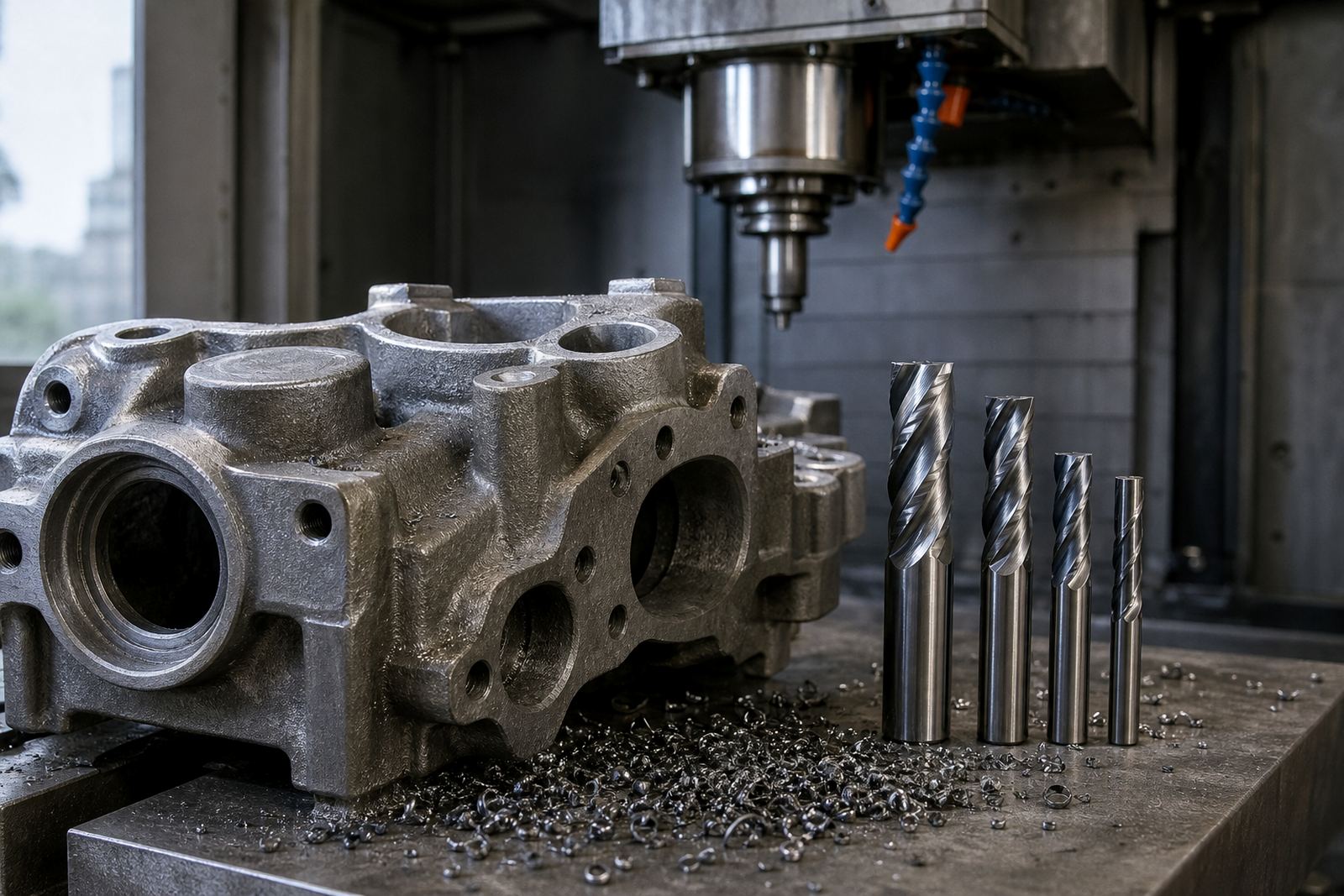
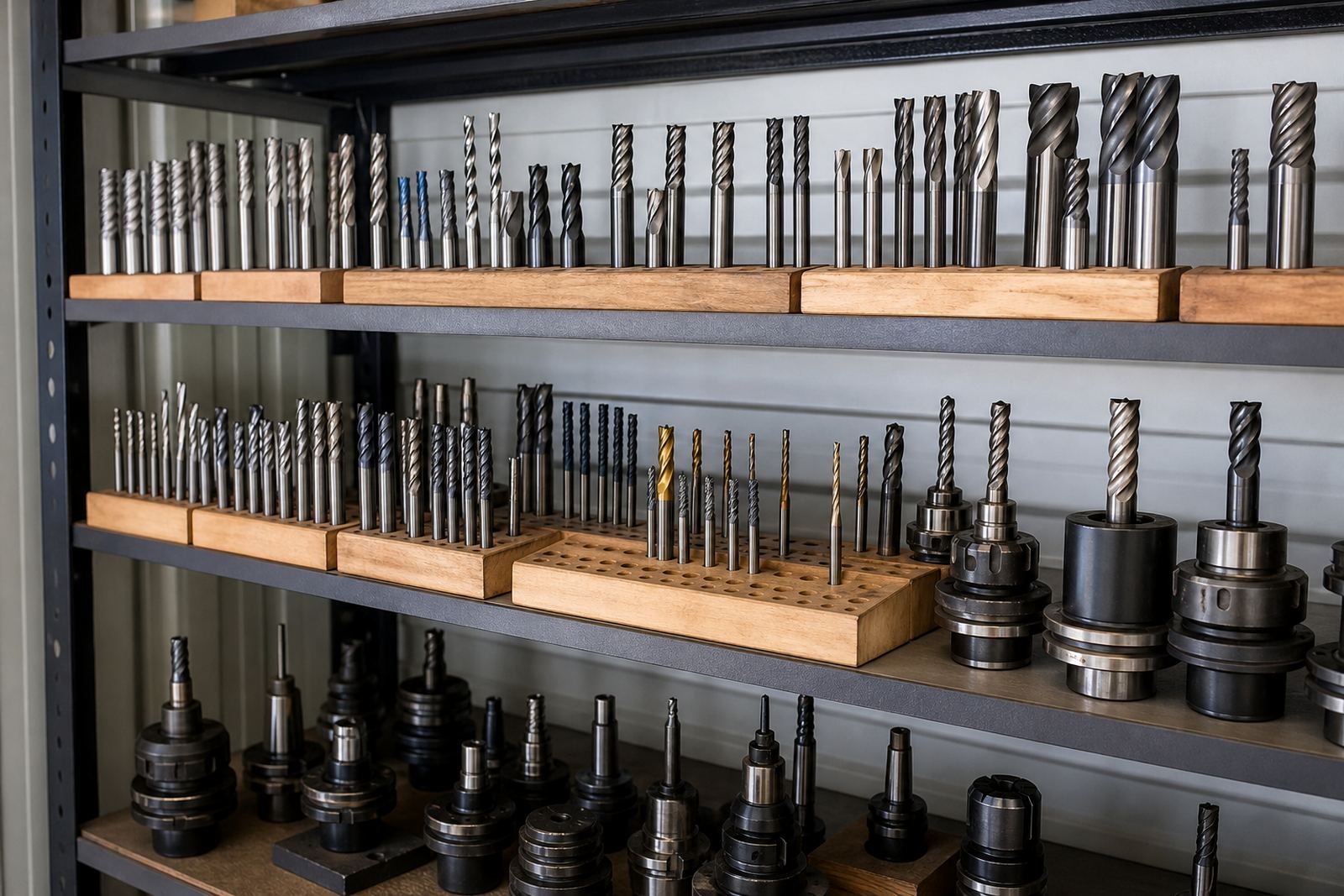
Most urgent jobs can be handled with a limited set of solid carbide end mills if the selection is sensible. Rather than stocking every possible flute count or corner style, many shops build around the cutters they use for slotting, profiling, pocketing and finishing. That keeps ordering simpler and frees up shelf space for the sizes that move quickly.
- 3 flute end mills for aluminium and lighter chip evacuation work
- 4 flute end mills for general purpose steel machining
- Long reach variants for deep pockets and awkward fixtures
- Small diameter cutters for mould work, engraving and detail features
- Corner radius styles where edge life matters more than sharp internal corners
A useful rule is to stock by machine demand, not by catalogue habit. If one machine in Pretoria runs 10 mm and 12 mm cutters every week, those sizes deserve a stronger buffer than a rare 20 mm tool. The aim is to keep the spindle busy, not the storeroom full.
Drills that save the day when a batch must go through
Solid carbide drills are often underestimated until a line stops because the right hole size is not available. Workshops that do a lot of tapping, fixture work or high volume component drilling usually keep a spread of pilot and final hole sizes ready for immediate use. This matters especially where cycle time is tight and burr control has to be consistent.
Common stock patterns include short drills for rigid setups, longer drills for deeper holes and a few precision sizes that match popular thread calls. A shop in Durban working near the coast may also prefer to keep drills with good wear resistance on hand, because humidity and storage conditions can affect how well tools are protected between uses. It sounds simple, but poor storage can shorten tool life fast.
Useful drill stock usually covers:
- Popular pilot sizes for tapping and reaming
- Metric sizes used in fixture plates and jig making
- Deeper reach drills for maintenance and repair work
- Backing-up spares for high wear materials
Matching the tool to the material before the order goes out
One of the main reasons workshops end up with dead stock is buying tools without matching them to the material mix. A cutter that works well in free cutting aluminium may not last in stainless or tougher alloy steels. The smarter approach is to pair the stock list with the jobs that actually come in from Johannesburg, Pretoria, Cape Town and Gqeberha.
At CuTools Carbide, the practical question is always the same: what material, what tolerance, what machine, and what finish is needed. Once that is clear, the stock list becomes easier to manage. A workshop doing production work on mild steel may need a different balance from one making prototypes, jigs or repair components. That is where application support helps keep tool spend under control.
Before ordering, it helps to check:
- Which materials are cut most often
- What spindle speeds and feeds the machine can hold
- Whether coolant or air blast is used
- How many repeats the same part usually sees
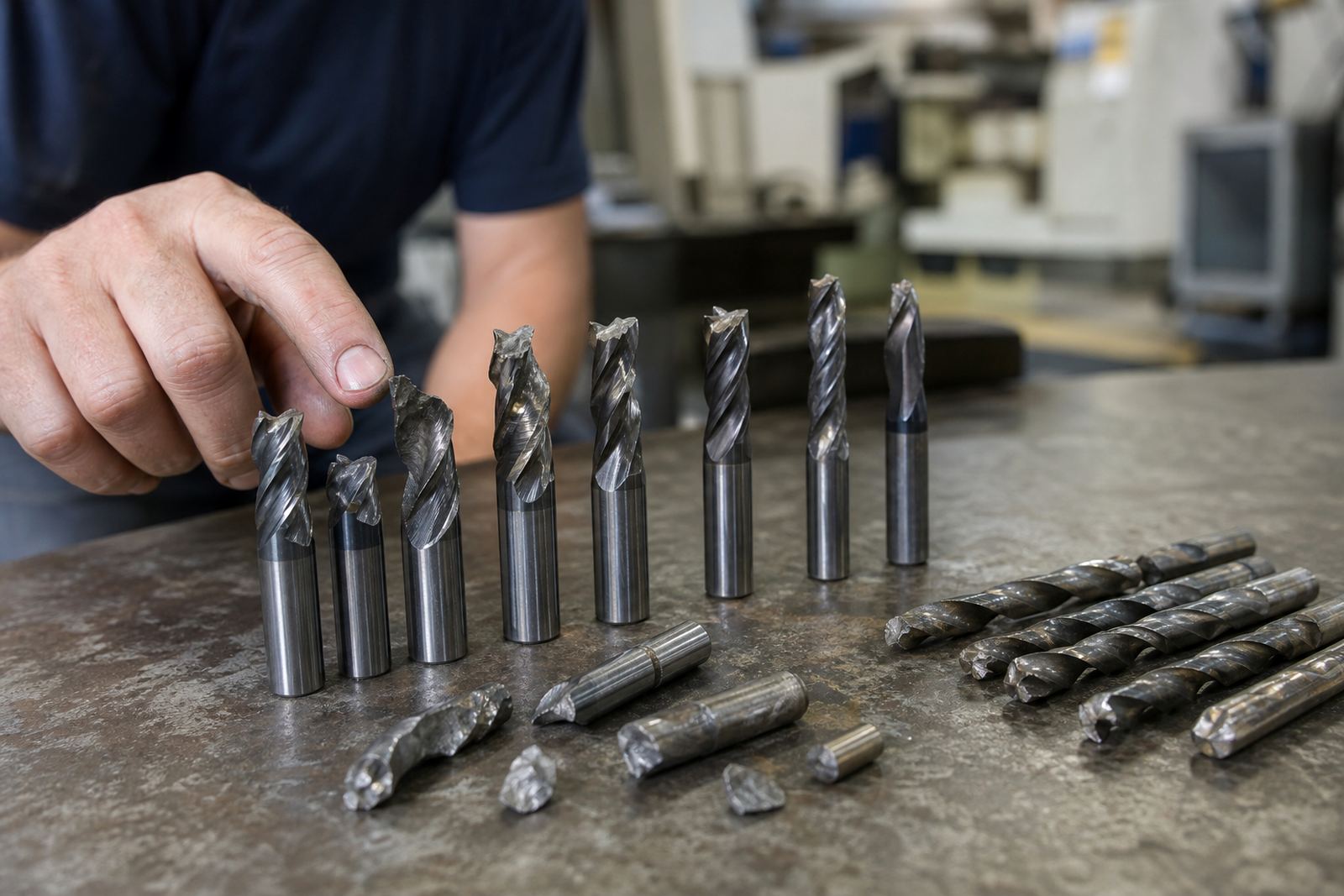
- Which tools fail first in normal production
How to stock for urgent work without tying up cash
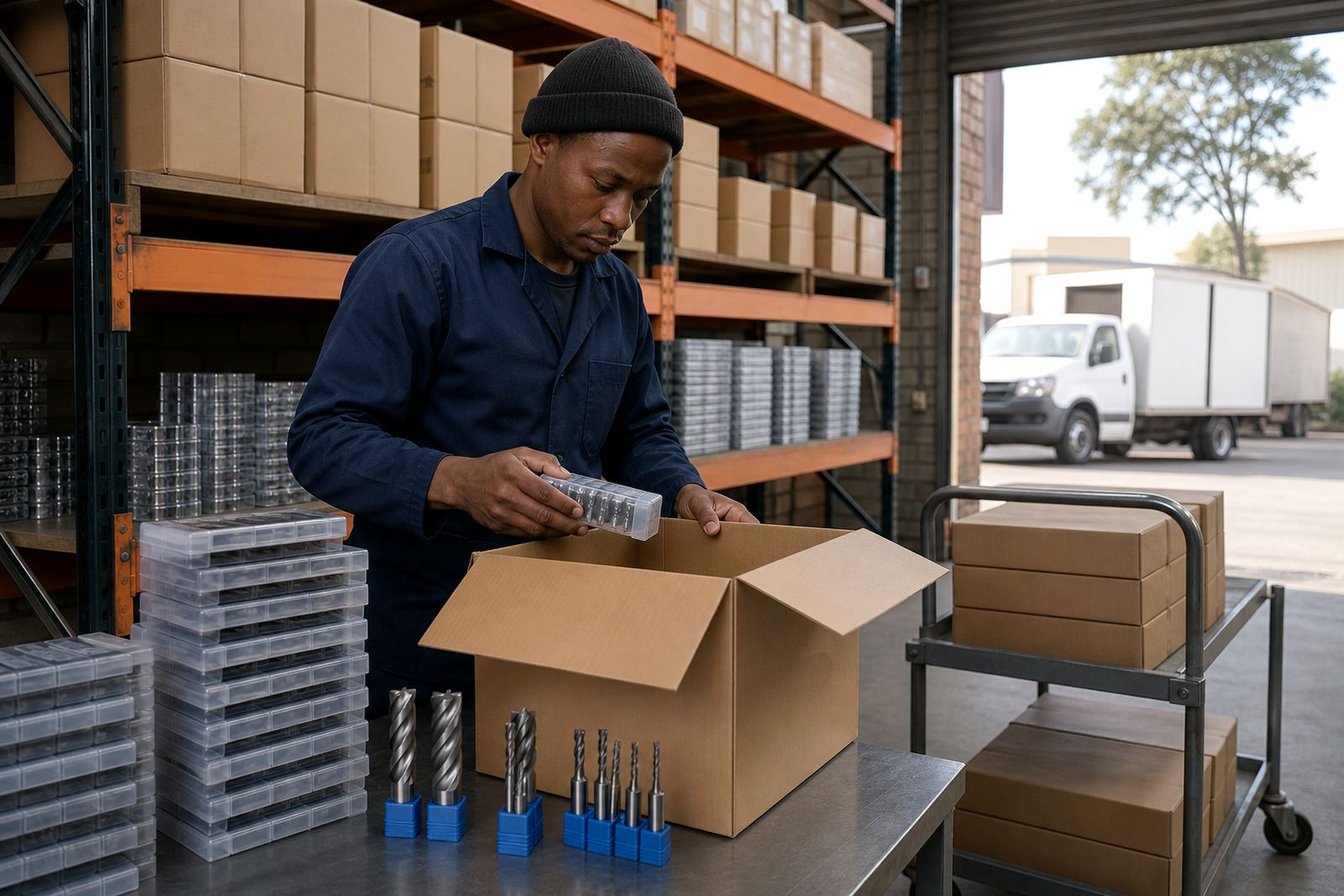
Not every workshop can carry a large inventory, and many should not. Core stocking works best when it supports urgent work without locking cash into slow moving items. In practice, that means keeping deeper quantities of the top ten or twenty tools, then lighter backup stock of the less common sizes. It is a steady way to protect turnaround times and still keep the books healthy.
Stock planning also helps with supplier delays and municipal disruptions that can interfere with deliveries, especially when roads are busy or there has been water or power pressure in a specific area. In those moments, workshops that have planned ahead do not need to scramble for a single replacement tool at the last minute.
A simple way to manage it is to review usage every month and update the list by actual consumption. If a 6 mm rougher moved three times faster than expected in the last quarter, the reorder level should change. If a special size has sat untouched for a year, it may not deserve shelf space.
A local example from Wadeville to the wider market
Consider a machining shop in Wadeville that services fabrication work for clients across Gauteng. The team might run a mix of mild steel brackets, stainless assemblies and occasional aluminium parts. Their core stock would likely include a few general purpose end mills, common drill sizes for holes and tapping, plus one or two smaller precision cutters for finishing. That small range can cover a surprising amount of urgent work.
When an order comes in late on a Thursday, the workshop does not have time to wait for a special import or an out of stock replacement. If the right tool is already on the shelf, the machine can keep cutting and the job can leave before weekend pressure starts. That is the value of stock discipline. It is not about having everything, just the right things ready.
For many South African CNC shops, the best stock list is built from real work on the floor, not theory. Once the team knows what gets used, what breaks, and what saves setup time, the tool cabinet becomes part of the production plan, not just storage.