Why repeat batches go off track
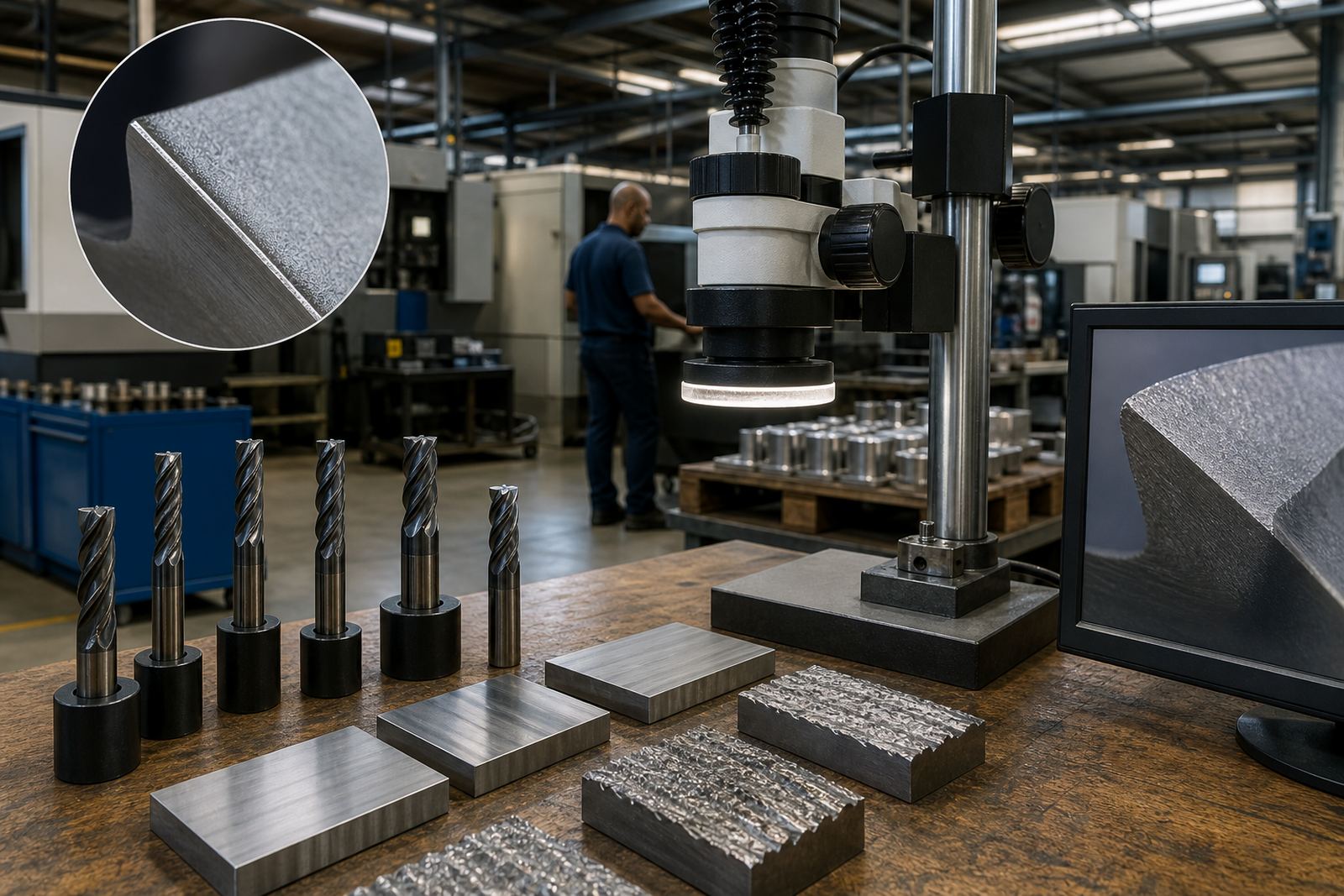
Many shops blame the machine when a repeat batch starts drifting, but the real issue is often small changes in tooling. A different corner radius, a new coating, or a substitute drill can change surface finish, tool life and cycle time enough to upset the whole job.
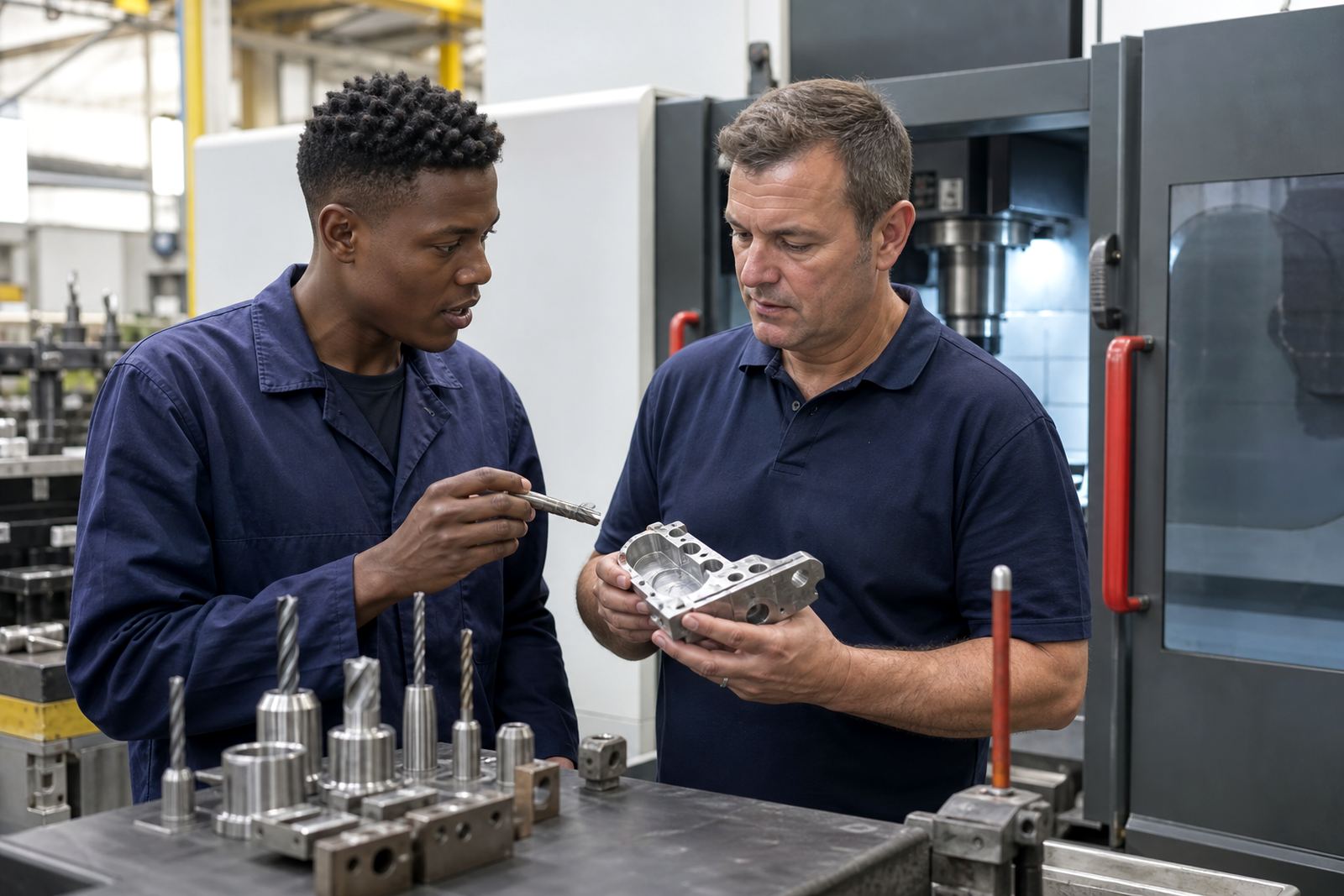
In Germiston and Wadeville, where many workshops run mixed production through the week, it is common to see one operator using a slightly different setup from the last run. If the job card is not specific, the next batch may still make parts, but not at the same rate or with the same consistency.
Standard tooling keeps the process predictable
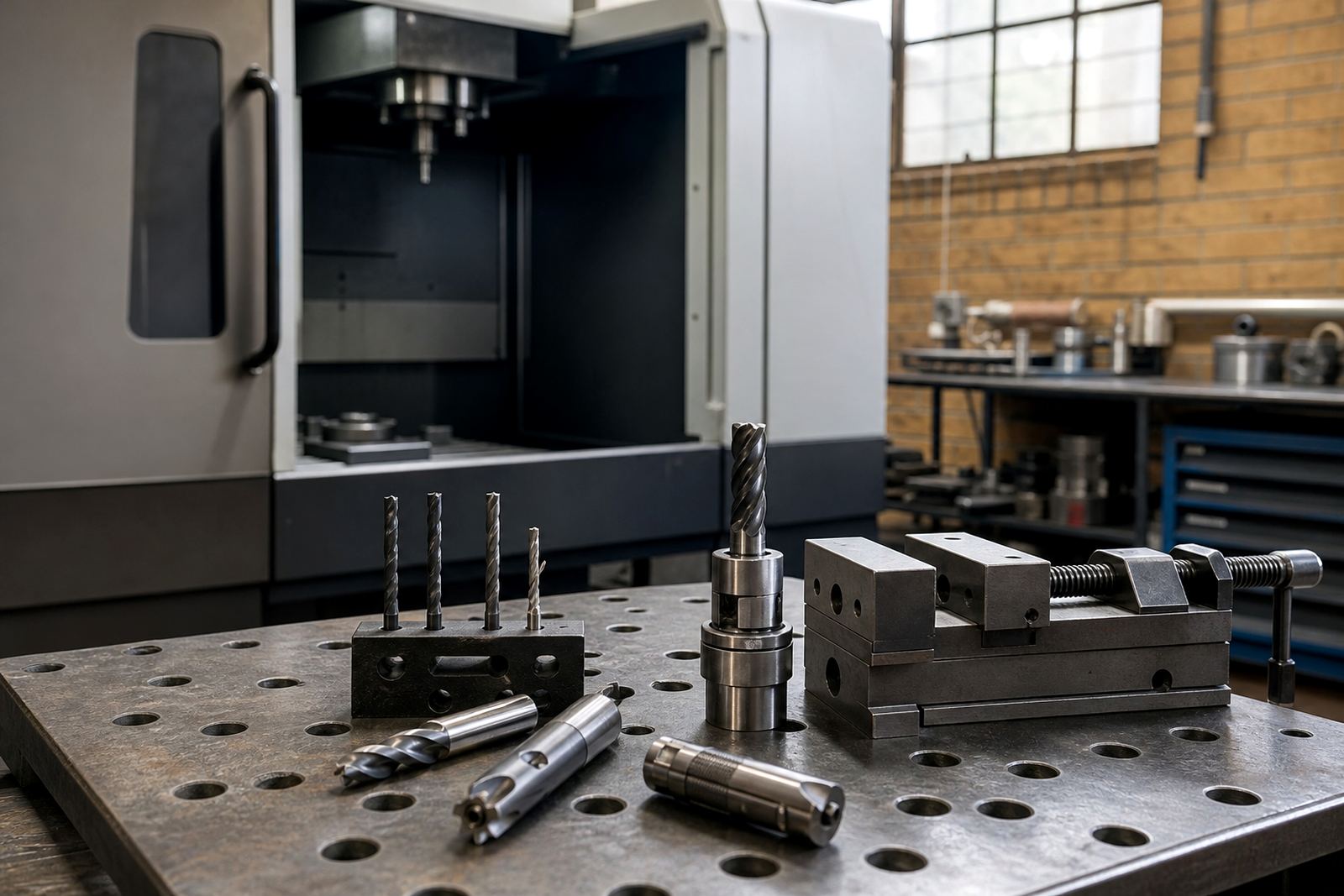
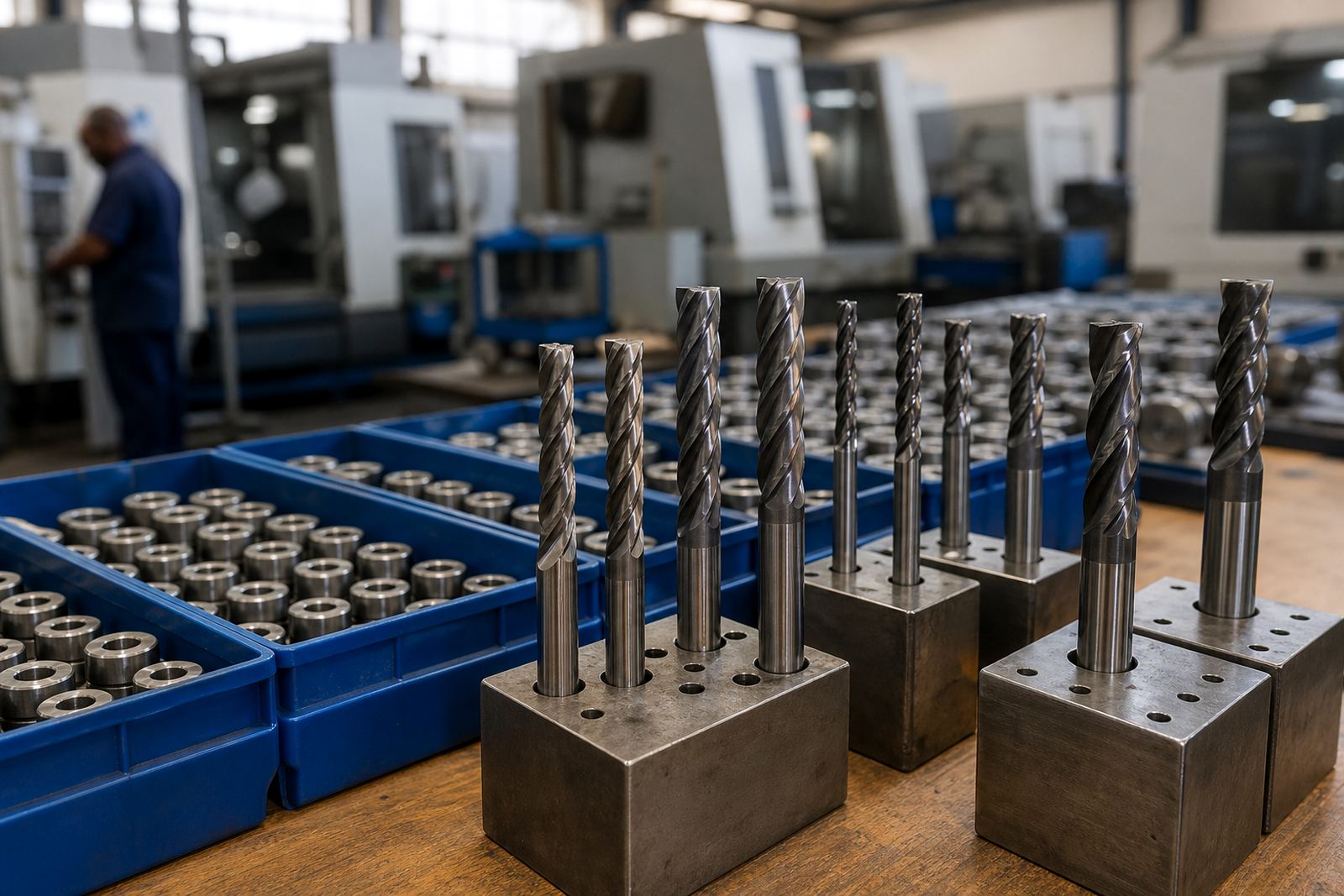
Standardising solid carbide end mills and drills gives a shop a repeatable starting point. The cutter geometry, flute length, overall length and coating all need to stay the same from batch to batch, especially on parts that are machined for the same customer every month.
- Use the same cutter diameter and stick-out for each operation.
- Keep a fixed drill series for holemaking rather than changing brands or lengths.
- Record the feed, speed and depth of cut used on the successful run.
- Store the accepted tool part number on the route card or job sheet.
Once the process is fixed, the shop spends less time rechecking and more time cutting. That matters on smaller repeat orders where there is no room for long setup trials.
What to record on every repeat job
A strong repeat order system is not complicated, but it does need discipline. The best shops keep a simple record of the exact tooling and cutting conditions used on the last approved batch. If a tool was swapped midway through the run, that should be noted too.
- Machine used and control setting.
- Tool diameter, flute count and length.
- Material grade and hardness of the workpiece.
- Coolant type or dry cutting method.
- First article results and any tool wear signs.
This gives the programmer and setter a proper reference when the same part comes back six weeks later. It also helps when a customer asks why a surface changed slightly after a production pause.
Material changes need matching tools
A repeat job is only truly repeatable if the material stays the same. Mild steel, stainless steel, cast iron and aluminium all behave differently, and the wrong cutter choice can cause chatter, built up edge or early wear. Even within the same material family, a change in hardness can shift the outcome quite a bit.
For shops in Johannesburg, Pretoria or Boksburg that run several customers on one machine, material matching is often the difference between steady output and constant rework. When the material spec changes, the tooling should be checked before the next batch starts.
Coastal conditions also matter. In Durban and Gqeberha, storage and handling need attention because humidity can affect stock, packaging and corrosion risk. Good stock planning and sealed storage help keep drills and end mills in the same condition they were supplied in.
Local example from a busy production floor
A fabrication shop in Germiston was repeating a small run of mild steel brackets every fortnight. The first few batches were fine, but by the third repeat the holes were drifting and the finish on the pocket was no longer matching the approved sample. The problem turned out to be a changed drill length and a new end mill with a different flute count.
After the tooling was standardised and the speeds, feeds and wear limits were written into the job card, the batch settled down again. The operator did not need to guess, and the supervisor could sign off the run faster. That kind of change saves time on the floor and avoids awkward calls from the customer later.
How CuTools Carbide supports repeat order stability
CuTools Carbide supplies solid carbide end mills and drills for CNC machining shops across South Africa, with supply points serving Germiston, Johannesburg, Pretoria, Boksburg, Alberton, Centurion, Cape Town and Durban. The focus is on tools that can be used again and again with the same outcome, provided the setup stays disciplined.
Support does not stop at the sale. The team helps shops with tool selection, application support, speed feed advice, tool life optimisation, material matching, stock planning and urgent tool supply. When a repeat order needs to run without surprises, that technical backup matters.
- Technical quotations for planned repeat work.
- Sample tool trials before committing to a full batch.
- Production standardising for common parts.
- On site consultation when a process needs checking.
For enquiries, clients use the form on the contact page and the team follows up with the details needed to keep the next batch on track.