
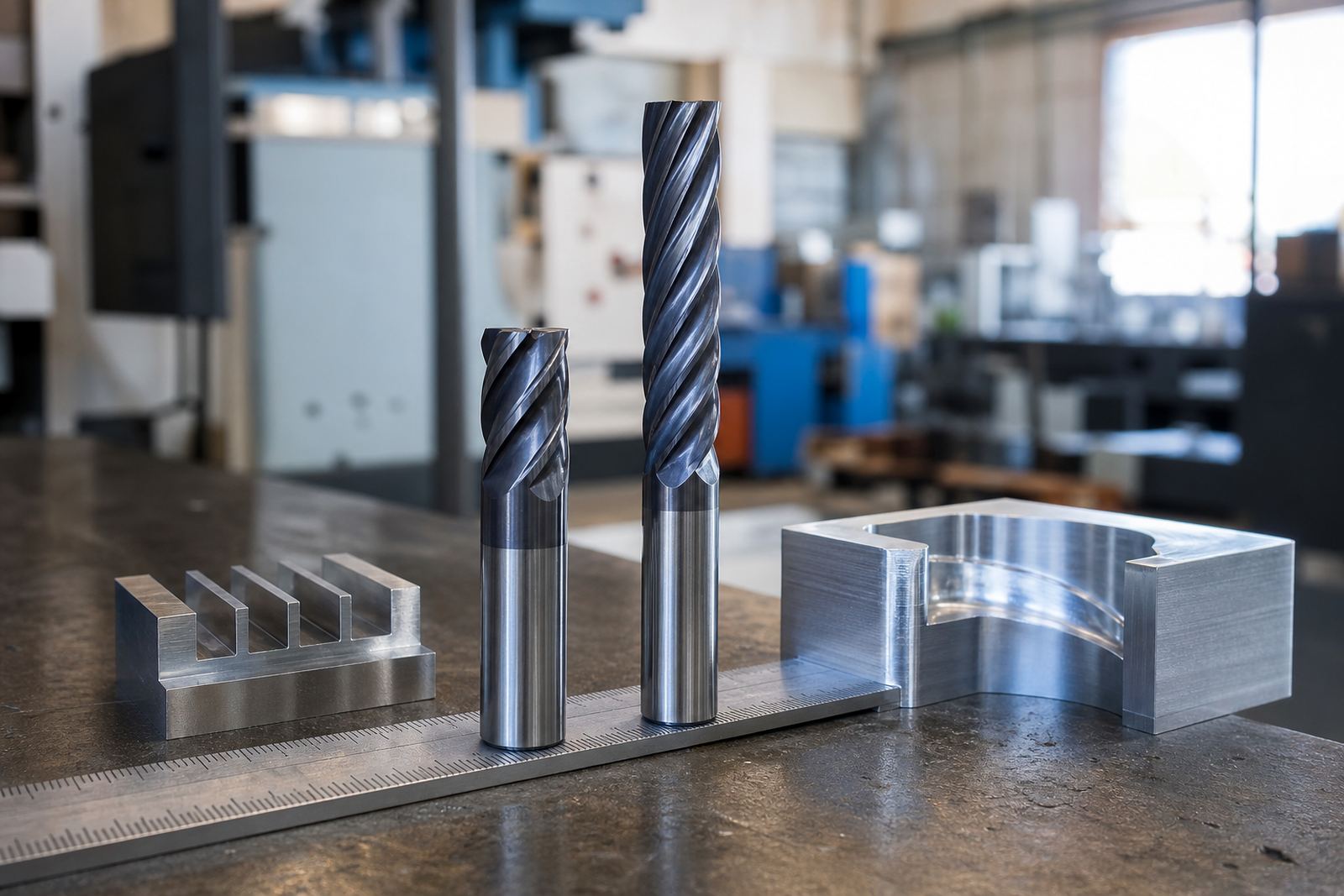
Why shorter cutting tools often cut cleaner
Every millimetre of extra overhang adds leverage against the tool and the spindle. On a CNC machining centre, that extra length can show up as chatter, a rougher surface, wandering holes and edges that need another pass. A shorter solid carbide tool is simply easier to control, especially when the job calls for fine detail or a clean finish on steel, stainless steel or aluminium.
In practical terms, a shorter tool keeps the cutting edge closer to the holder, which improves stiffness. That matters when you are machining small features, working with tight tolerances or running parts that need to come off the machine ready for the next process. Less flex also means the tool is less likely to rub instead of cut, which can waste time and shorten tool life.
What we see in local workshops from Germiston to Cape Town
Across Johannesburg, Pretoria, Durban, Gqeberha and the Cape Town area, the same pattern comes up again and again: a shop starts with a longer tool because it looks safer, then spends time chasing chatter marks, chipped edges and inconsistent dimensions. Once the setup is shortened to suit the part, the cut becomes steadier and the machine sounds calmer. You can hear the difference on the first run.
That is important in South African production where machines are often pushed to keep up with urgent work, load-shedding interruptions and changes in shift timing. If the tool is shorter and the setup is right, the operator has a better chance of restarting with the same settings and getting the same result. That kind of repeatability saves scrap and avoids rework, which is where the real cost sits.
- Shorter reach helps reduce chatter on thin walls and narrow ribs.
- Less deflection improves hole size consistency and sidewall finish.
- Stable cutting makes tool wear easier to predict from part to part.
Where short tools give the biggest gain
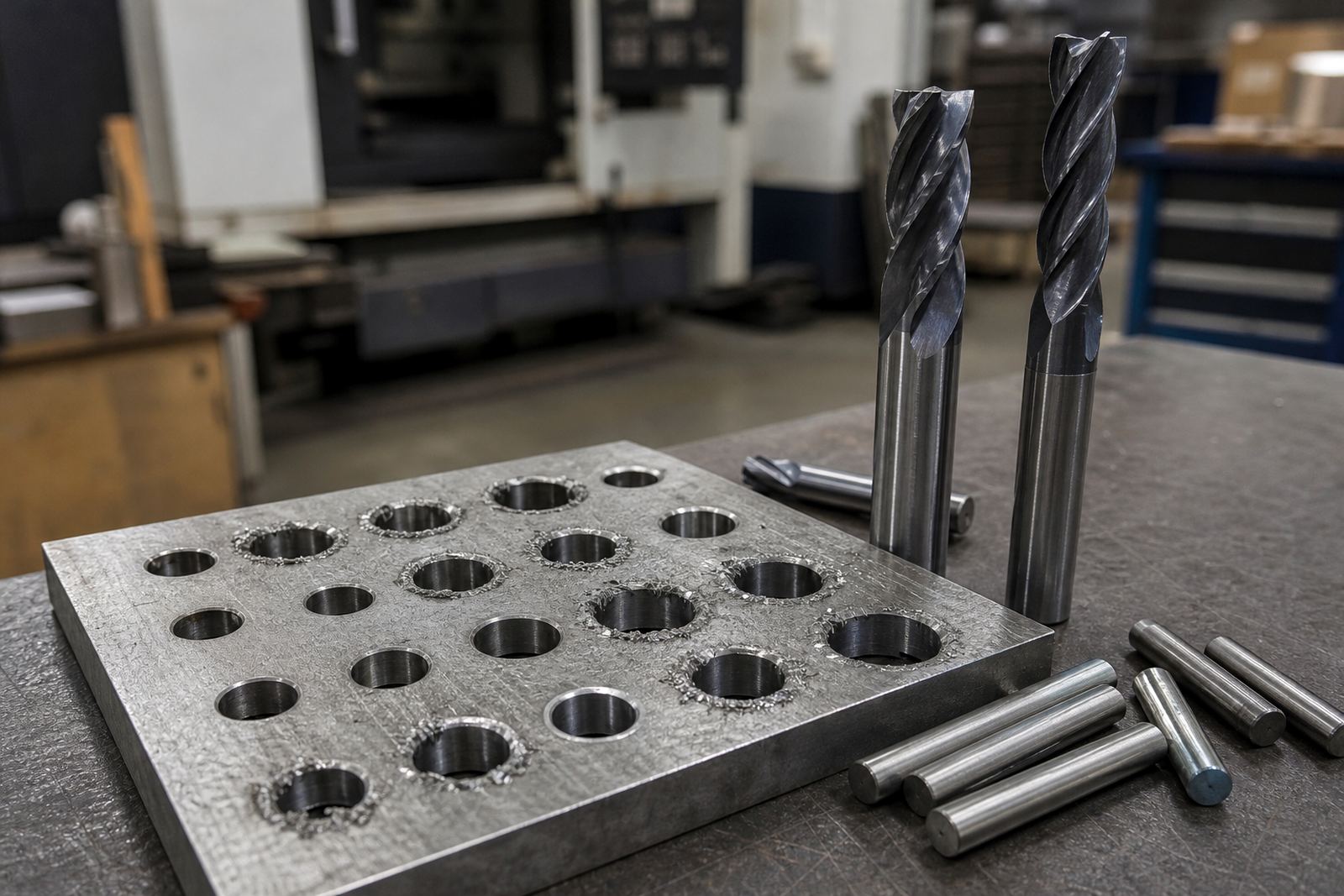
Shorter solid carbide end mills and drills are especially useful on parts that need accuracy more than reach. That includes face and shoulder work, slotting in fairly open pockets, drilling through plates and finishing operations where the last pass has to be clean. If a longer tool is only being used because it is what is on hand, it is worth checking whether a shorter option can do the same job with better control.
Common examples include mould work, general engineering components, bracket faces, fixture plates and production parts where a small error can cascade into the next operation. The gain is not only in finish. It can also reduce spindle load, which helps when a machine is already working through the day and the workshop needs to avoid unnecessary tool changes.
How to choose the shortest tool that still clears the job
The aim is not to force every job into the shortest possible tool. The aim is to use the shortest tool that still clears clamps, walls and part geometry safely. That means checking flute length, neck relief, holder projection and the actual depth of cut before committing to a setup. If the tool is too short, it will not reach. If it is too long, it will cost you stability.
For CNC shops, a proper tool choice usually starts with three questions:
- What is the minimum reach needed to clear the part and the fixture?
- Can the same cut be done in two shorter steps instead of one long reach?
- Will a shorter cutter allow a faster feed or longer tool life without changing the finish?
That last point matters because shorter tools often let you hold a better feed rate without the edge breaking down too early. In many shops, that is where the saving shows up, not only in one tool but in the total cost per batch.
Tool life becomes easier to predict when the setup is tighter
Unstable cutting makes tool wear harder to read. One batch might look fine and the next one suddenly starts leaving marks or drifting on size. A shorter tool gives the process a more solid base, so wear patterns are usually more even and the operator can plan changes with more confidence.
That predictability is useful for stock planning too. If a workshop in Wadeville or Boksburg knows a certain end mill is lasting a steady number of parts, it becomes easier to schedule replacements, plan urgent tool supply and avoid last minute gaps. It also helps with production standardising, because the same setup can be repeated by different operators without guessing.
- More stable wear means fewer surprise breakages mid job.
- Predictable life helps with batch planning and stock control.
- Consistent cutting supports better quoting on repeat work.
A practical example from a South African production floor
A shop in Germiston was machining a series of aluminium housings with a long reach end mill because the part had deep pockets. The finish looked acceptable at first, but the cutter was leaving a faint ripple on the walls and the tool life was all over the place. After reviewing the setup, the team moved to a shorter tool where possible and adjusted the machining order so the deepest work was left until later. The difference was immediate. The machine ran quieter, the walls cleaned up better and the cutter lasted longer.
That is the kind of change that does not always need a new machine or a big process overhaul. Often it is just a more suitable tool length, a better holder choice and a quick check on the actual depth needed. In a busy shop, that kind of change can free up time for the next urgent job without fighting the same issues again.