Why thread milling earns its place on the shop floor
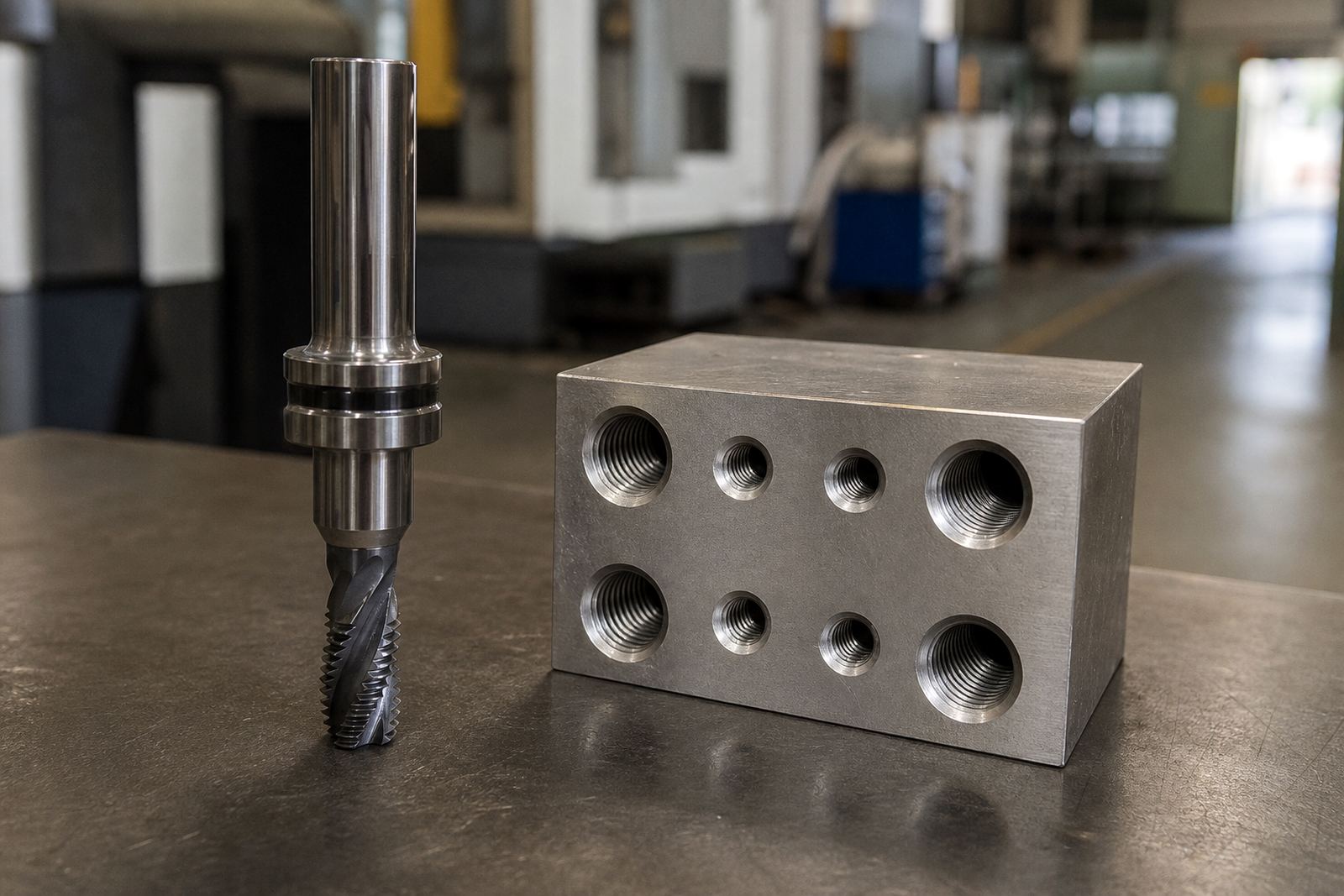
Thread milling is not the first choice for every hole, but when the job calls for flexibility it often pays for itself. Instead of forcing a tap into a hole and hoping everything stays on size, a thread mill cuts the thread in a controlled path. That matters when you are working with expensive components, awkward materials or parts that must be right first time.
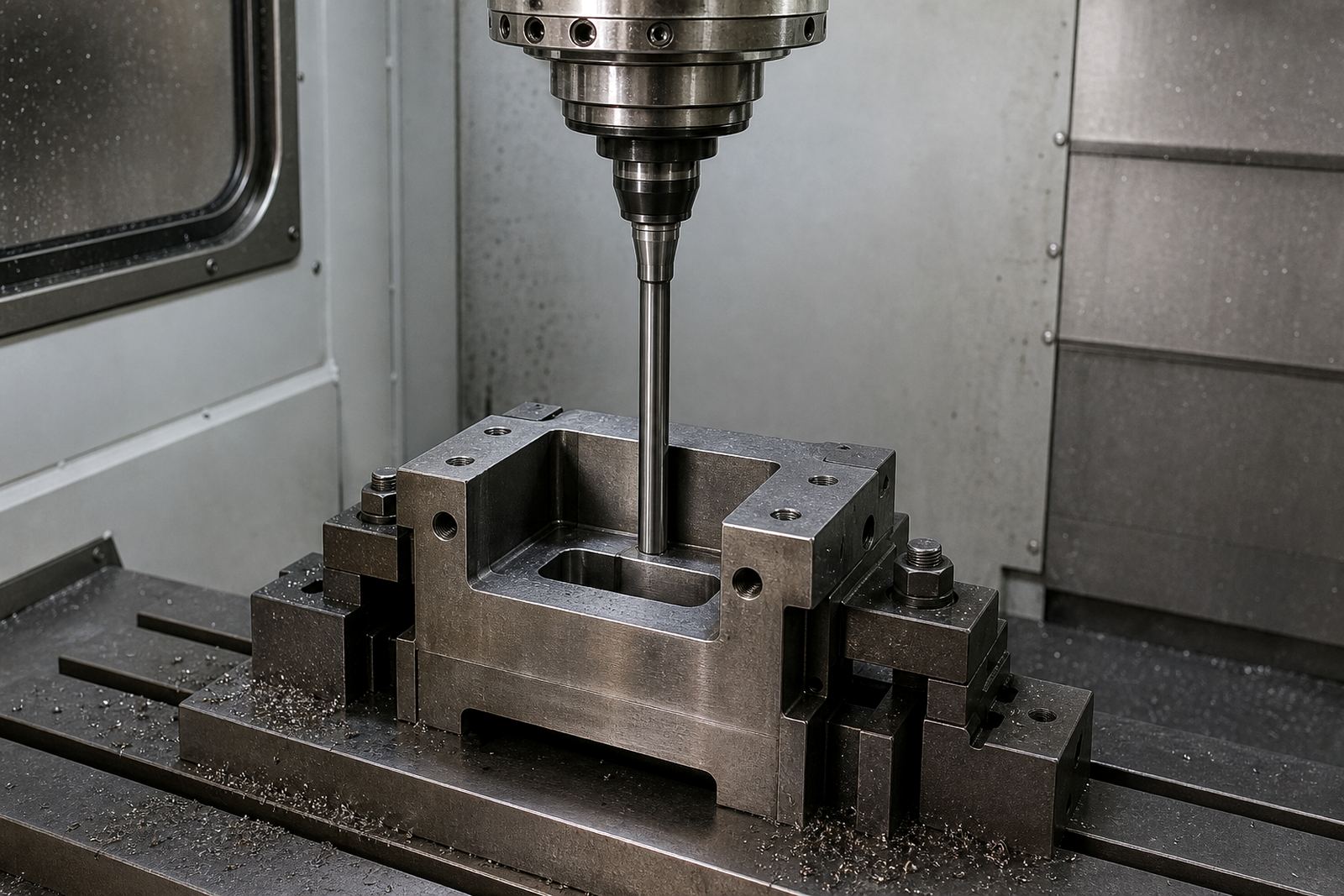
In a CNC machining shop in Wadeville or Isando, the same machine may run aluminium brackets in the morning and stainless fittings after lunch. Thread milling lets the operator use one cutter for several diameters and adjust the thread size in the programme. That can reduce the number of dedicated taps held in stock and make life easier when a job changes at short notice.
- One tool can suit several thread diameters within its range
- Fine adjustments can be made in the programme
- Broken tap removal is avoided on many difficult jobs
- Thread quality is easier to control on repeat work
Cleaner threads in materials that punish taps
Anyone machining stainless steel, tool steel or hard-to-cut alloys knows how quickly a tap can become a problem. Heat, chip packing and poor coolant delivery can cause tap wear or breakage, and once that happens the hole is often scrap. Thread milling reduces that risk because the cutter forms the thread with a lighter cutting load and better chip evacuation.
It is also useful on thin-wall parts where a tap may pull the thread or distort the component. With thread milling, the cutting forces are lower and the operator has more control over the finish. On parts with blind holes, interrupted surfaces or awkward access, the approach can be far more forgiving than forcing a tap through and hoping for the best.
For local workshops that deal with coastal humidity in Durban or high-volume production in Gauteng, cleaner threads also mean less rework. Better chip control and less tool shock can improve consistency across a batch, even when the material supply is not perfect.
- Lower risk of tap breakage in stainless and alloy steels
- Better for thin walls and parts that distort easily
- Improved chip evacuation in blind or deep holes
- Useful where coolant flow is limited or inconsistent
Where thread milling beats a tap on flexibility
Flexibility is one of the main reasons many machinists switch to thread milling. If a customer wants a slight adjustment, the programme can often be altered without changing the tool. That is valuable for job shops that handle small batches, prototypes and repeat work with varied specifications.
It also helps when the same machine must cover a broad mix of parts. A workshop in Germiston may need to cut M6, M8 and M10 internal threads across different materials during the same shift. Thread milling gives that workshop a practical way to keep production moving without carrying a separate tap for every size and pitch. The same applies when imperial and metric threads are both part of the schedule.
Because the thread is generated by the machine path, the result can be easier to standardise across multiple setups. That is useful where a production manager wants fewer surprises between operators or shifts, especially when load-shedding and irregular production windows force tighter planning.
- Programme changes are faster than changing tap inventory
- Useful for prototype work and low-volume runs
- Can cover multiple thread sizes from one tool family
- Supports better standardising across shifts and machines
Tool life, stock control and less pressure on the budget
Thread mills can offer good value when the workshop looks beyond the unit price of the cutter. A tap may seem cheaper at the counter, but if it breaks, wears out quickly or needs several sizes to cover the job list, the real cost climbs. Thread milling can reduce the number of special tools that need to sit on the shelf and the number of emergency purchases during a production problem.
For procurement teams, that means better stock planning. For operators, it means fewer interruptions when a tool is worn or a thread spec changes. A properly selected solid carbide thread mill can last well when the correct speed, feed and coolant strategy are used, but it still needs to match the material and the machine. Getting that match right is what keeps the cost per part down.
In busy factories around Johannesburg, Pretoria and Boksburg, a small saving on cycle time or scrap can add up over a month. The job is not only to cut a thread, but to do it with predictable cost and minimum drama.
- Fewer dedicated tools may be needed on the shelf
- Lower scrap risk on costly components
- Better control over cost per part on repeat work
- Can reduce emergency tool buys during production pressure
Practical signs that thread milling is the better choice
Not every job needs thread milling, but there are clear signs that it should be considered. If the material is expensive, the hole is awkward, the thread size changes often or the machine operator has had problems with tap life, the switch is worth a look. In many cases the biggest advantage is not speed alone but predictability.
A local example is a Durban workshop machining stainless brackets for marine fittings. The parts need clean internal threads and the customer will not accept damaged holes. A thread mill can help keep the finish consistent, reduce scrap and make it easier to recover a job that would otherwise be risky with a tap. The same logic applies to precision parts for mining, general engineering and plant maintenance work across South Africa.
Before changing process, check the following:
- Is the material difficult to tap or prone to work hardening?
- Does the job need one thread size now and another next month?
- Are broken taps causing downtime or rework?
- Is there enough machine stability for consistent interpolation?
- Would cleaner threads reduce inspection failures?
Getting the right cutter and cutting data from the start
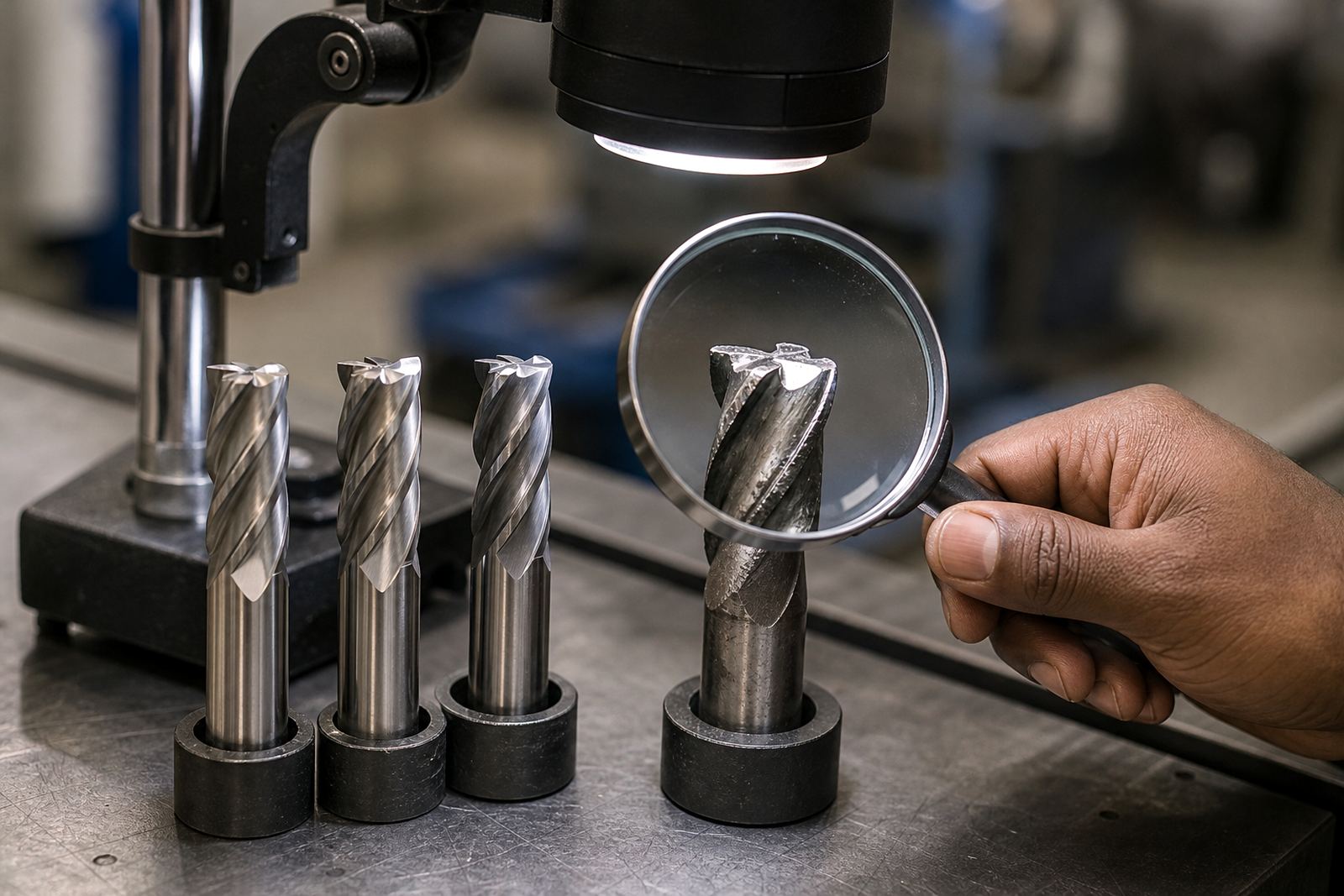
Thread milling works best when the cutter, material and cutting data are matched properly. A solid carbide tool is often the right choice for CNC machining because it holds edge quality well and suits the demands of repeated production. But the right geometry still matters. Thread pitch, hole depth, flute length and material all affect the result.
That is where technical support becomes practical, not theoretical. The correct advice on speed, feed and tool path can make the difference between a clean thread and chatter. It also helps to plan stock around the jobs you actually run, not just the jobs you hope to get. If a workshop in Centurion knows it needs urgent tool supply or sample tool trials, that planning can keep production on track without overbuying inventory.
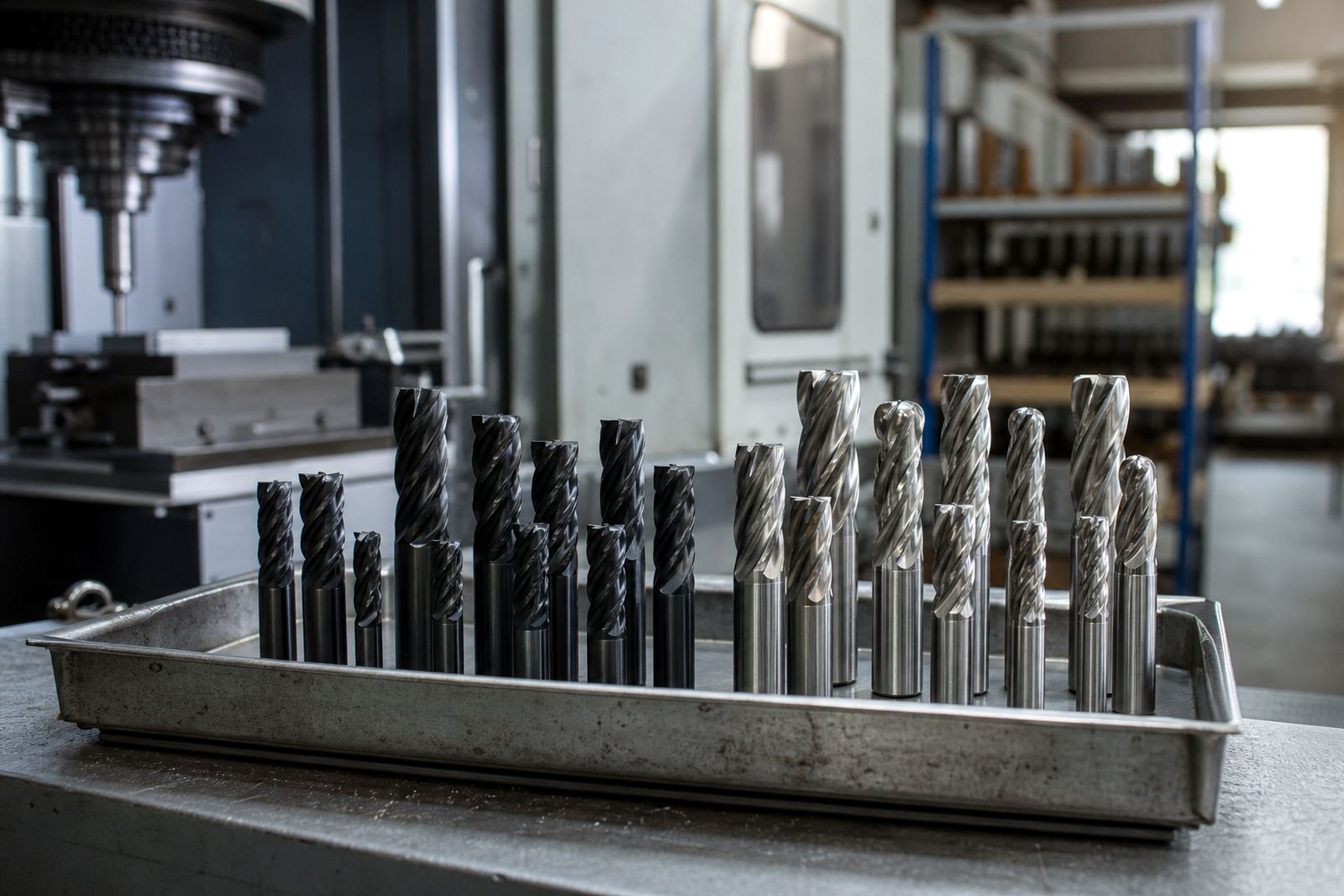
CuTools Carbide supplies solid carbide end mills and drills to CNC machining shops across South Africa, with support for tool selection, application support, speed feed advice and tool life optimisation. For workshops that need cleaner threads, tighter control and less downtime, thread milling is often worth a proper look.