Why trochoidal cutting suits South African CNC work
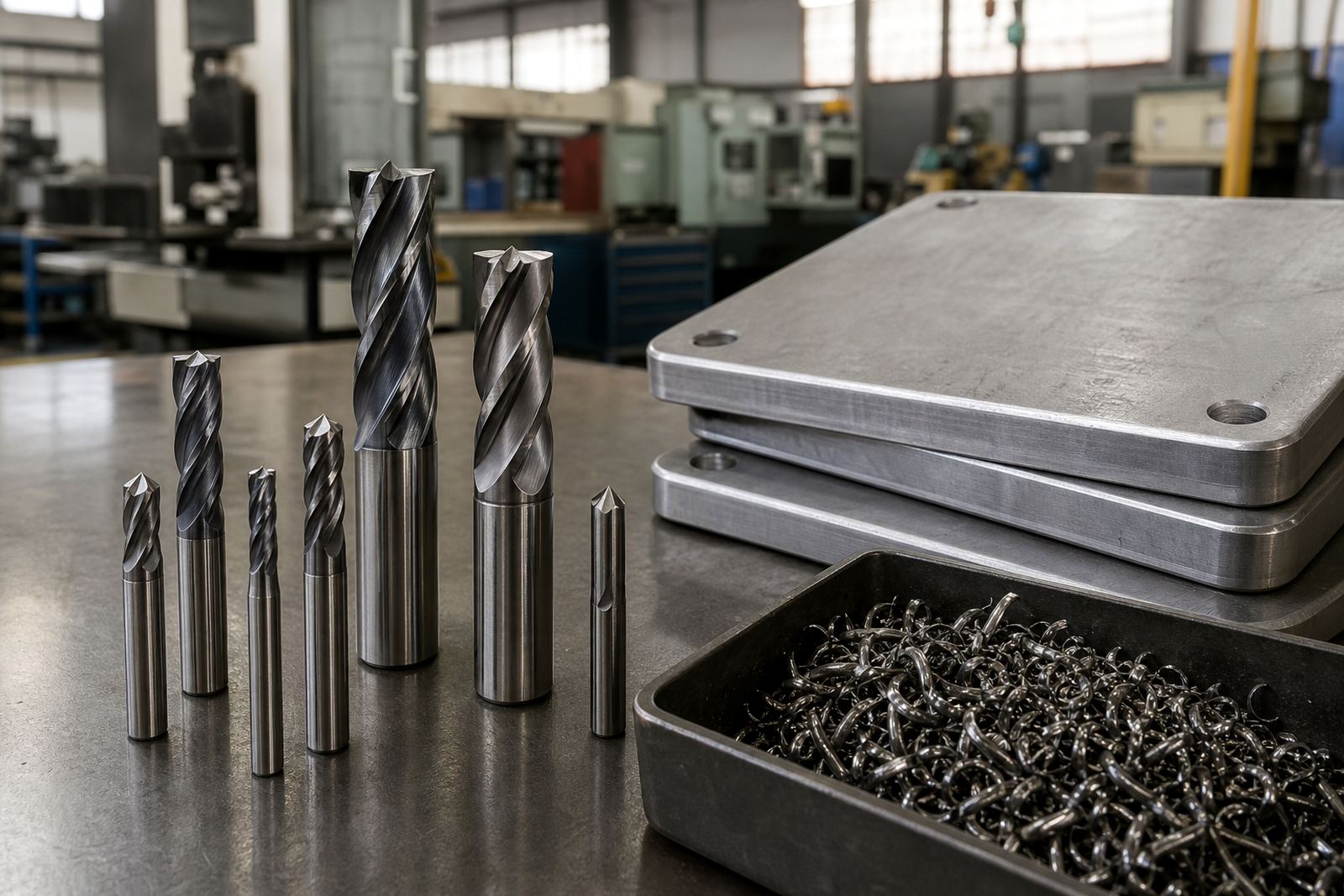
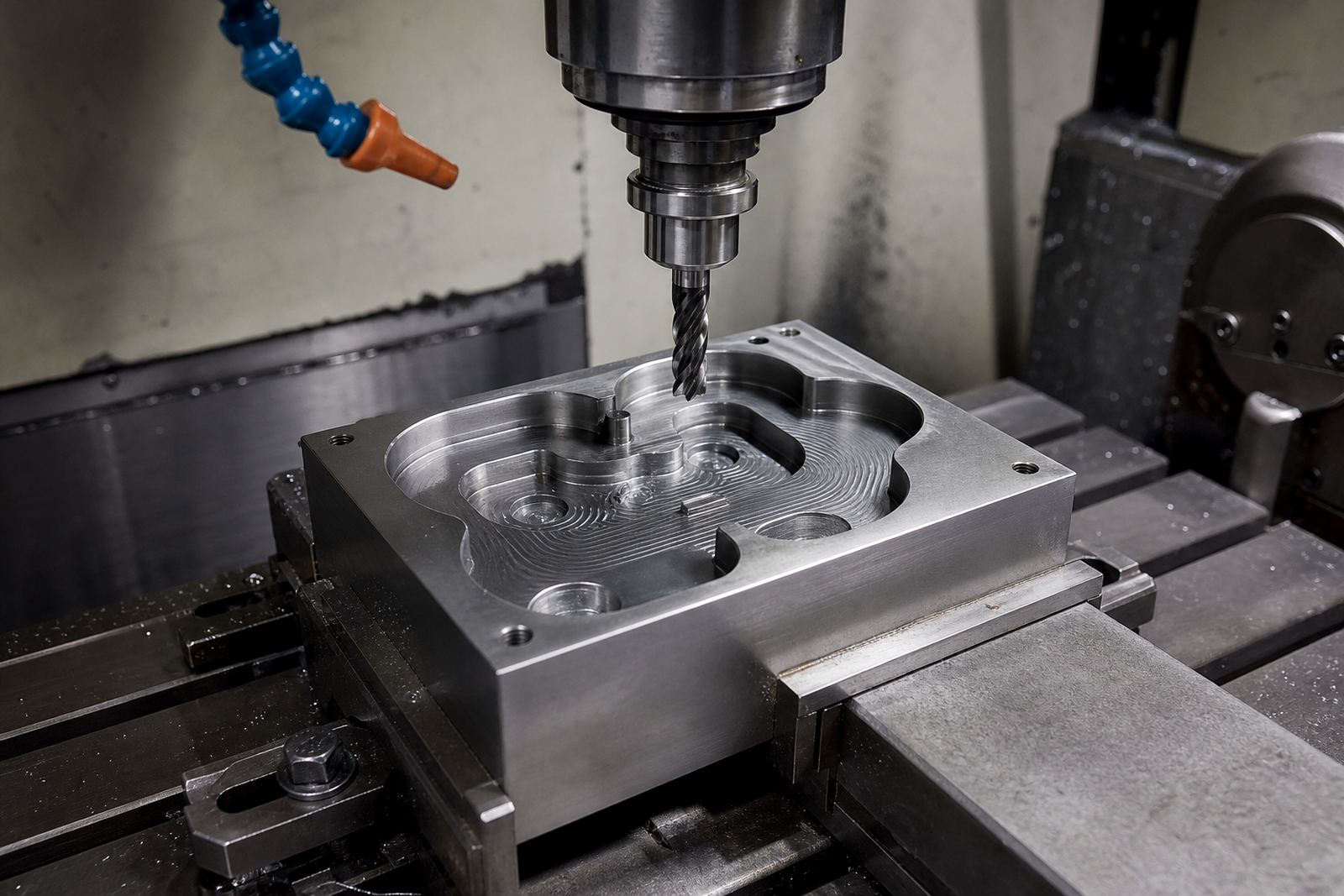
Trochoidal paths use a controlled side-to-side cutting motion instead of forcing the end mill deep into the full width of the slot. That matters when a shop is trying to hold tolerance on a long production run, especially on stainless steel, tool steel, cast iron or mixed batches that all behave a bit differently at the machine. The cutter spends less time buried in the cut, which helps reduce heat build-up and gives the chip somewhere proper to go.
In Wadeville and the wider East Rand, many machining shops are running machines for long shifts with changing power conditions, scheduled maintenance and tight delivery windows. A path that lowers load on the cutter can help the process stay predictable. It does not remove the need for good tooling, but it gives a solid carbide end mill a better chance of doing its job properly.
When programmed well, trochoidal cutting can also make feed rates more consistent. Instead of the tool rubbing in corners and overloading in the straight sections, the machine keeps a more even cutting engagement. That gives the operator better control and often less drama on the floor.
Heat control is where the method earns its keep
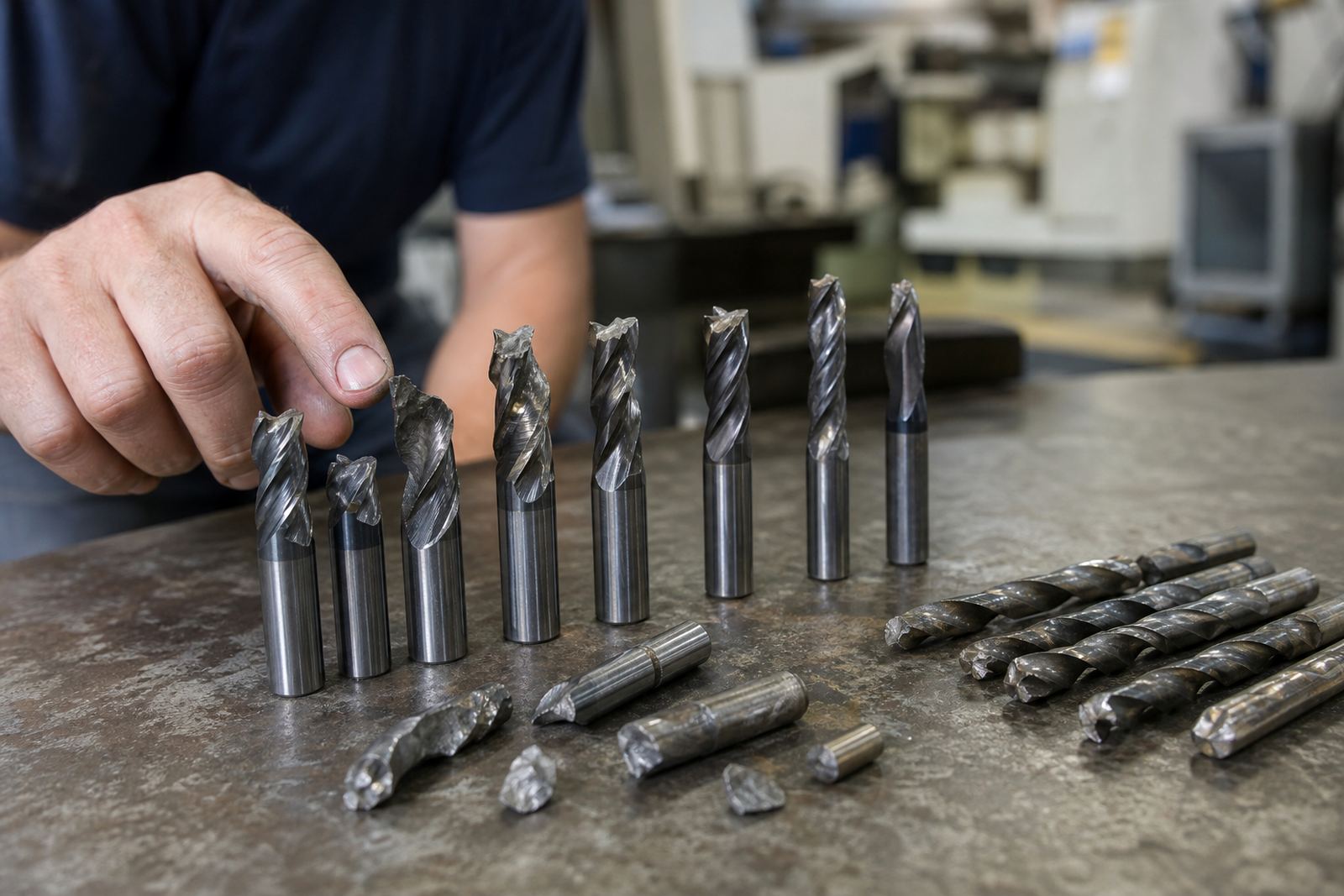
Most tool failures in demanding CNC work are not caused by one big mistake. They start with heat, chip packing, poor evacuation or a feed that was too cautious for too long. Trochoidal paths help by limiting radial engagement, so the cutting edges are taking smaller bites and shedding heat more quickly. For carbide, that can make a meaningful difference in edge life.
This is especially useful when machining hardened material or deep pockets where a conventional slotting pass would trap chips. Less heat means less thermal shock, less built-up edge on the workpiece and less chance of the cutter chattering itself to pieces. If coolant delivery is not ideal, the path can still help by reducing the amount of material each flute must remove at once.
In practical terms, shops often see fewer burnt edges and more stable surface finish. That is useful when parts have to go straight to inspection or assembly without rework. It also helps where a part needs multiple operations and there is no time to replace a tool halfway through a batch.
What to watch before switching your programme
Trochoidal machining is not a magic setting you switch on and forget. The tool diameter, flute count, stick-out, material grade and machine rigidity all need to line up. If the machine has any looseness in the spindle, poor clamping or weak chip evacuation, the path can still fail. The idea is to reduce load, not hide a mechanical problem.
Before making the change, check whether the part allows room for the entry move, whether the software can handle the toolpath cleanly and whether the cutter is suitable for the actual job. A fine-pitch tool may work well in some steels, while another job needs a stronger geometry with a different helix or chip breaker. It pays to match the tool to the material instead of forcing one cutter to do everything.
- Keep radial engagement low enough for the cutter to stay cool and stable.
- Use a feed rate that supports cutting, not rubbing.
- Make sure chips are clearing from the slot or pocket.
- Check holder runout before trialing the path.
- Allow room for entry, exit and smooth cornering.
A Germiston example from a busy production floor
A machine shop in Germiston making repeat components for industrial equipment had trouble with a deep pocket in medium carbon steel. The old strategy was a full-width cut with frequent pauses to clear chips, and the cutter life was unpredictable. Some batches got through, others lost edge early and the finish wandered. The operator spent too much time listening for chatter instead of running the job.
After changing to a trochoidal path and adjusting the feed, the cut became far more stable. The chip load stayed manageable, the spindle noise dropped and the cutter lasted longer across the batch. The shop did not need a major machine upgrade, just a more suitable path and the correct solid carbide tool for the material. That kind of change is useful where production cannot stop for long and every minute on the machine counts.
For many South African shops, especially those working across several part numbers in the same week, the real benefit is consistency. If a programme can repeat the same result on Monday and again on Thursday, planning becomes easier and urgent jobs are less disruptive.
How tool choice affects trochoidal results
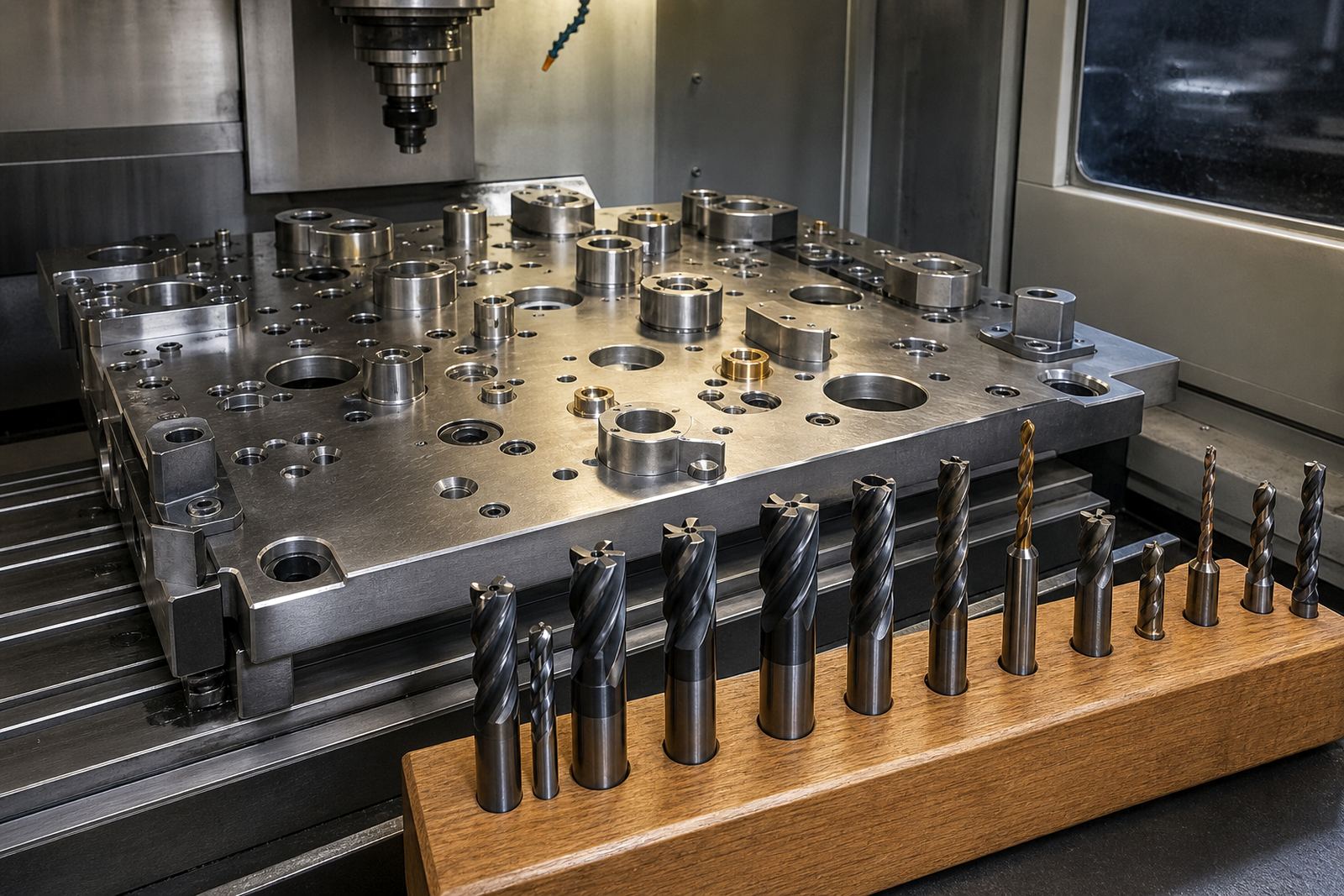
Even the best path will underperform if the cutter is the wrong type for the material or operation. Solid carbide end mills with the correct flute count, core strength and coating will usually cope better with the changing load that trochoidal machining creates. A drill used for pecking or spot work also needs the right geometry if it is expected to support the rest of the process.
Tool life improves when the cutter is not forced to take an oversized bite or work with poor chip evacuation. That is why material matching matters. Aluminium, free-machining steels, stainless grades and abrasive alloys all demand different setups. The same is true for cutters running in dry conditions or with limited coolant, which is common when load-shedding or machine access affects the shift plan.
- Select a cutter that suits the alloy, depth and finish required.
- Keep the toolpath smooth to avoid sudden load spikes.
- Use sound chip control so the edge is not recutting swarf.
- Plan for tool wear before the batch reaches the last parts.
Practical advice for shops chasing longer tool life
If a shop wants to get more from trochoidal paths, the first step is to treat the programme as part of the tooling plan, not as an afterthought. Set the feed, step-over and entry moves together. Then monitor the first parts properly. Look at the chips, the edge condition and the load on the spindle. If the cutter is cutting cleanly, the chips should be short and the finish should stay even across the pass.
It also helps to standardise a few proven setups for common materials. That way, when a rush order comes in from Pretoria or Cape Town, the team is not starting from scratch. With the right settings saved, the shop can quote more confidently and respond faster when a customer needs urgent tool supply or a sample trial. Small improvements in path strategy often save more money than a last-minute tool change.
Trochoidal cutting is worth serious attention because it solves more than one problem at once. It helps with heat, chip evacuation and cutter life. For many CNC machining shops in South Africa, that makes it a practical way to keep production moving without pushing tools harder than they should be pushed.