The Alrode brief and what was causing the stoppages
The client was a mid-sized aluminium component maker in Alrode, Gauteng, running CNC machining centres on a mix of pocketing, contouring and drilled hole features for short-to-medium production batches. The work was repetitive, but the parts had tight repeat demands and the team needed stable tool life through the day, not just on the first few parts.
The main complaint was uneven tool wear on the existing cutters and drills. Some tools were chipping early on entry, while others were lasting longer but leaving poor edge quality as the cut progressed. On a few runs, the operators were adjusting feeds by feel to keep the cycle going and that led to inconsistency between shifts. The factory also had to manage load-shedding interruptions, so anything that reduced setup changes and tool swaps was worth real value.
The brief was simple: hold the aluminium better, get more life out of each tool, and keep the cut reliable enough for a production cell that could run with less operator interference. The client wanted practical advice, not general theory, and needed a supply partner that could react quickly when a trial needed a different geometry or coating, or both.
Tool selection built around the part, not just the machine
We started by reviewing the part drawing, the existing cycle, the cutting parameters and the chip evacuation issues around the pocket corners and drilled holes. The job was running in a non-ferrous material that can cut well, but only if the flute design, edge prep and coolant delivery suit the application. Aluminium can be easy to cut and still cause trouble when chips weld back into the flute or when the entry strategy is too aggressive.
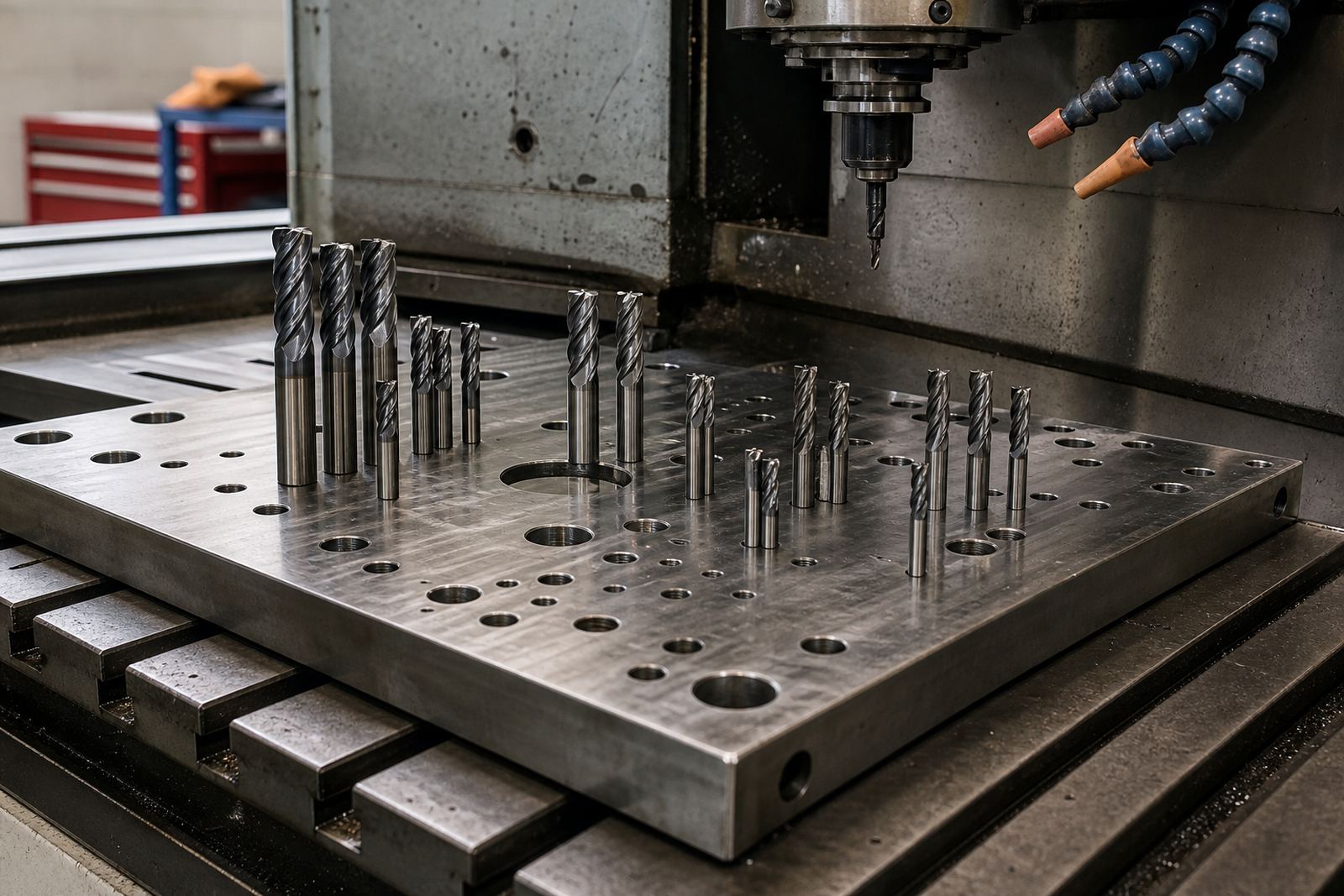
For the pocketing operations, we supplied solid carbide end mills with sharp cutting edges, polished flutes and geometry suited to fast chip clearing. For the holemaking side, we supplied solid carbide drills with point geometry selected for clean entry and better centring on thin to medium wall sections. We also tightened the feed and speed advice to keep the tools in the stable cutting zone rather than overloading the edge. The aim was not max rpm at any cost, it was repeatable output.
- Solid carbide end mills for aluminium pocketing and side milling
- Solid carbide drills for repetitive through and blind holes
- Geometry matched to chip flow, entry stability and surface finish
- Feeds and speeds set for the actual machine condition, not a generic table
What we supplied and how the trial was run
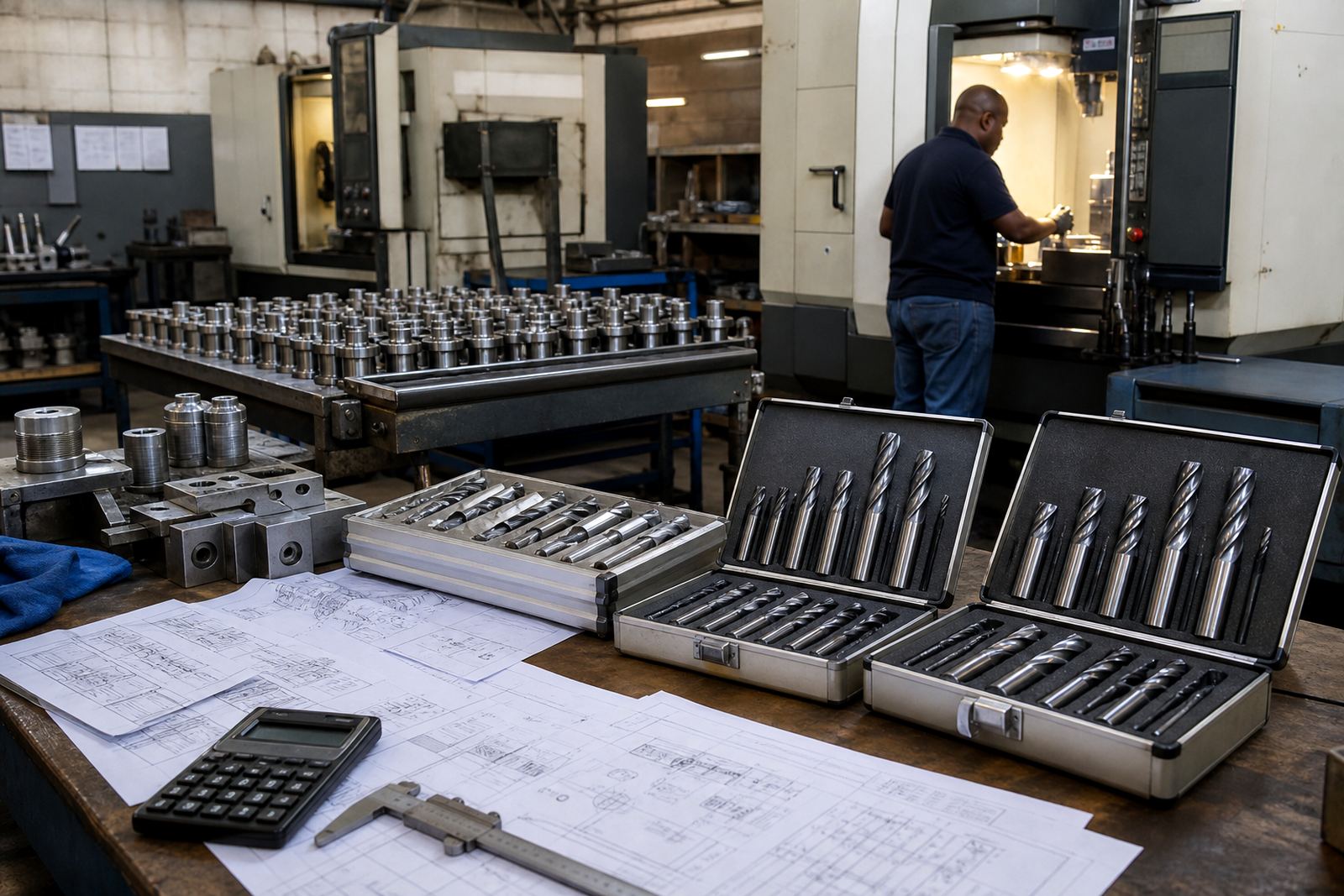
The first trial window ran over two weeks. We supplied a small set of candidate tools for pocket roughing, finishing passes and drilled hole features, then worked with the setter and production supervisor to compare wear, cycle time and edge condition. We kept the trial controlled so the team could see what changed from one tool to the next, instead of changing too many variables at once.
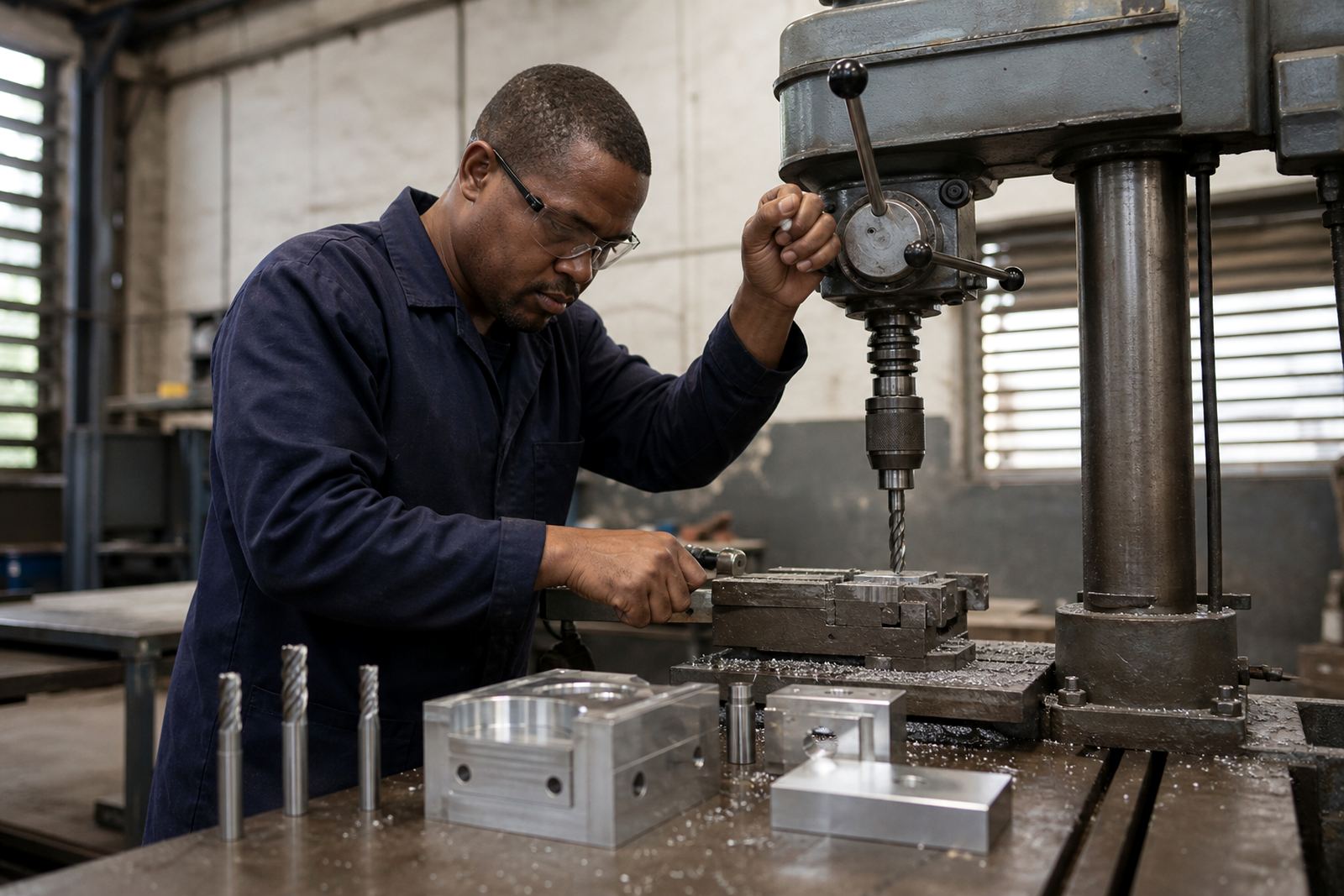
Our technical applications lead visited the site to check holder condition, run-out and coolant reach. In one setup the holder had more run-out than expected and that was putting unnecessary stress on the smallest diameter tools. Once that was corrected, the difference in wear was clear. The production team also adjusted peck cycle settings on deeper holes, which reduced chip packing and improved consistency. The biggest gain came from matching the drill and end mill range to the actual aluminium grade, not just the nominal material description.
- Trial period: 2 weeks, followed by a 2 week production confirmation run
- Material focus: aluminium components with repetitive pockets and drilled holes
- Tool diameters used: 3 mm to 12 mm for the pocketing and drilling mix
- Machine environment: CNC machining centres with standard coolant delivery
Production changes seen after four weeks
By the end of the four-week run, the cell was holding tool life for longer and the operators had fewer unplanned stops for edge failure or premature wear. The most noticeable improvement was on the repetitive pocketing path, where the cutter stayed sharper for more parts and left a more even finish on the wall and floor of the pockets. The drilled holes were also cleaner, with less burr on exit and less variation between shifts.
The client reported better predictability in the cell. That matters because a tool that lasts longer is useful, but a tool that lasts in a predictable way is better for production planning. With more consistent wear patterns, the team could plan tool changes around batch timing instead of reacting to a broken edge. It also helped them use the same setup across different operators, which cut down on guesswork.
- Longer tool life on repeated aluminium pockets
- More consistent drilled hole quality and lower burr formation
- Fewer interruptions for unexpected tool changes
- Better shift-to-shift consistency on the same program
Why the site needed local support and fast stock movement
Alrode and the wider Ekurhuleni area have a lot of machining work running on tight delivery windows. When a tool trial needs a different diameter or a slightly altered flute design, delays can knock the whole day off plan. The client wanted a supplier close enough to move quickly, but also technical enough to explain why one cutter behaved better than another on the same part. That was the right fit for a production cell where every minute on the machine counts.
Because our base is in Wadeville, Germiston, we could respond quickly with stock, application advice and follow-up checks. For this project, that meant tighter communication between the floor and the technical team, plus easier stock planning for the next batch. We also kept an eye on what would happen if load-shedding shifted the running pattern. A tool that performs well in a steady production window is one thing, but it also needs to restart cleanly after an outage and hold up to interrupted shifts.
What we would repeat on the next aluminium cell
If we were handling the same type of job again, we would start with a short application review and a real machine check before choosing the cutting tools. Too many aluminium problems come from treating all pocketing and drilling work as the same. On this project, the better result came from matching the cutter to the part detail, the holder condition and the way the operator actually ran the cycle. That saved time later.
We would also repeat the staged trial approach. First prove the geometry, then confirm the feed and speed range, then lock in the stock plan. That kept the process controlled and helped the client trust the change over. For similar cells, we would recommend a standard tool list for each part family so the shop can hold a small, dependable stock without overbuying. It keeps the shelf neat and the machine room moving.
- Start with run-out and coolant checks before changing tool spec
- Trial one variable at a time for pocketing and drilling
- Hold a small standard stock list for repeat jobs
- Review tool life after the first batch, not only after a failure
The result for the Alrode team
The main result was longer tool life on a repetitive aluminium job, with steadier output and less waste time between parts. The client did not need a big process overhaul, only the right tooling, cleaner application support and a clear production plan. That is usually where the best gains come from in CNC work, especially when the parts are repetitive but the pressure on uptime stays high.
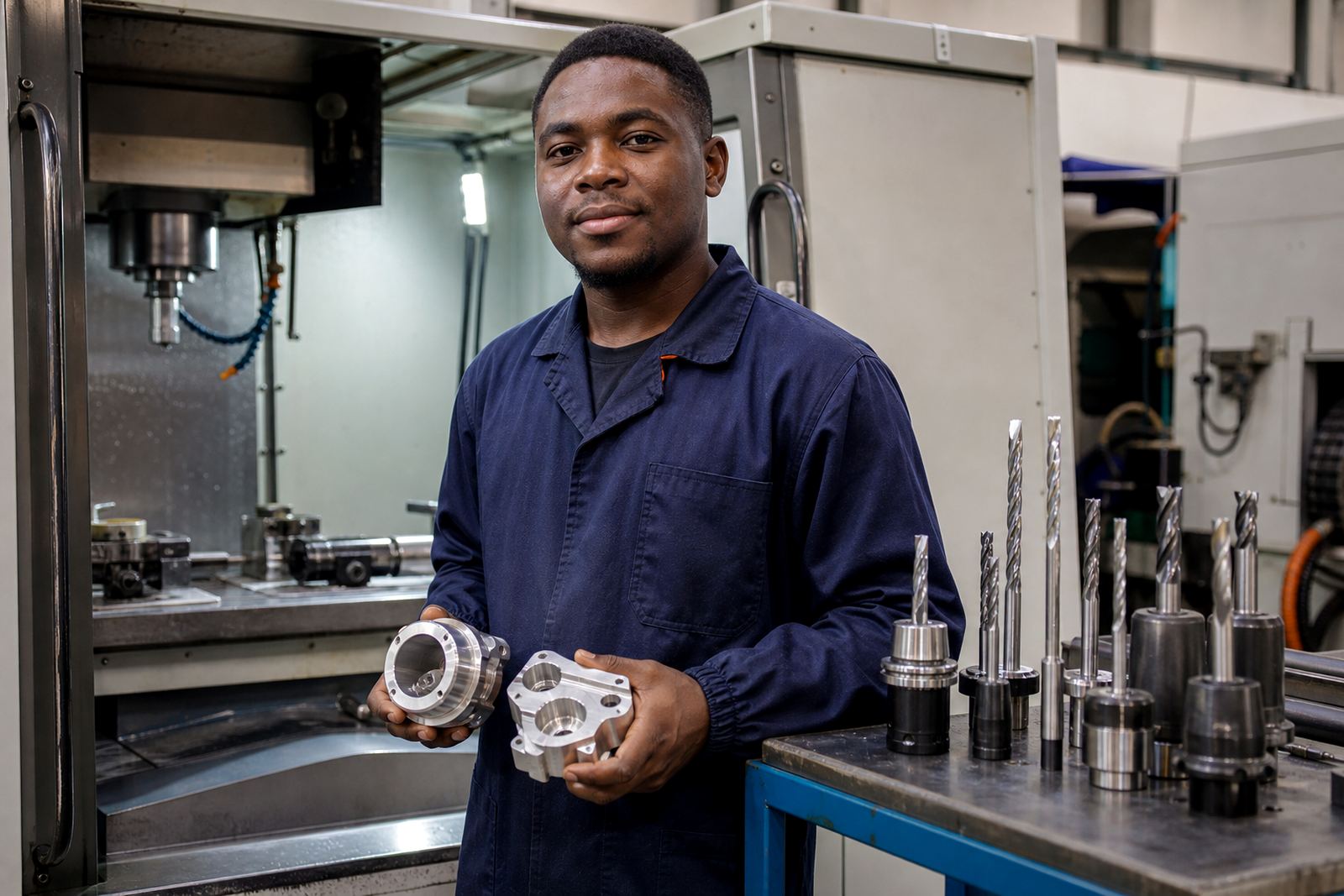
For CuTools Carbide, this project was a good example of how the right solid carbide end mills and drills can support a cell that needs both speed and control. The numbers improved, but the bigger win was confidence on the floor. The team knew what the tools would do, and that made the whole cell easier to run.
Key facts
| Project location | Alrode, Gauteng |
|---|---|
| Client type | Mid-sized aluminium component manufacturer |
| Tool types supplied | Solid carbide end mills and solid carbide drills |
| Tool diameter range | 3 mm to 12 mm |
| Trial timeline | 4 weeks total |
| Key outcome | Longer tool life and cleaner repetitive machining |