Toolroom pressure in Boksburg, Gauteng
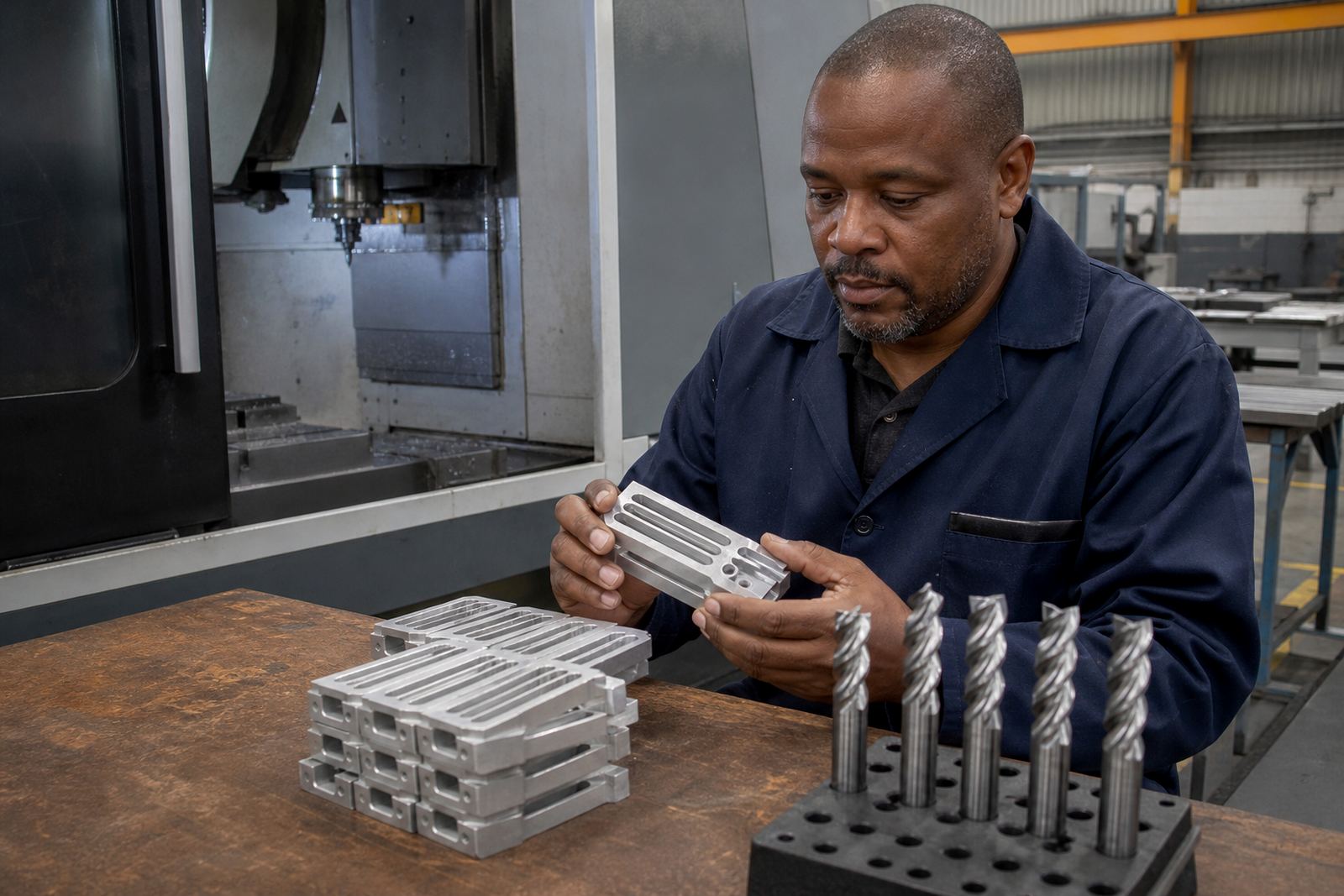
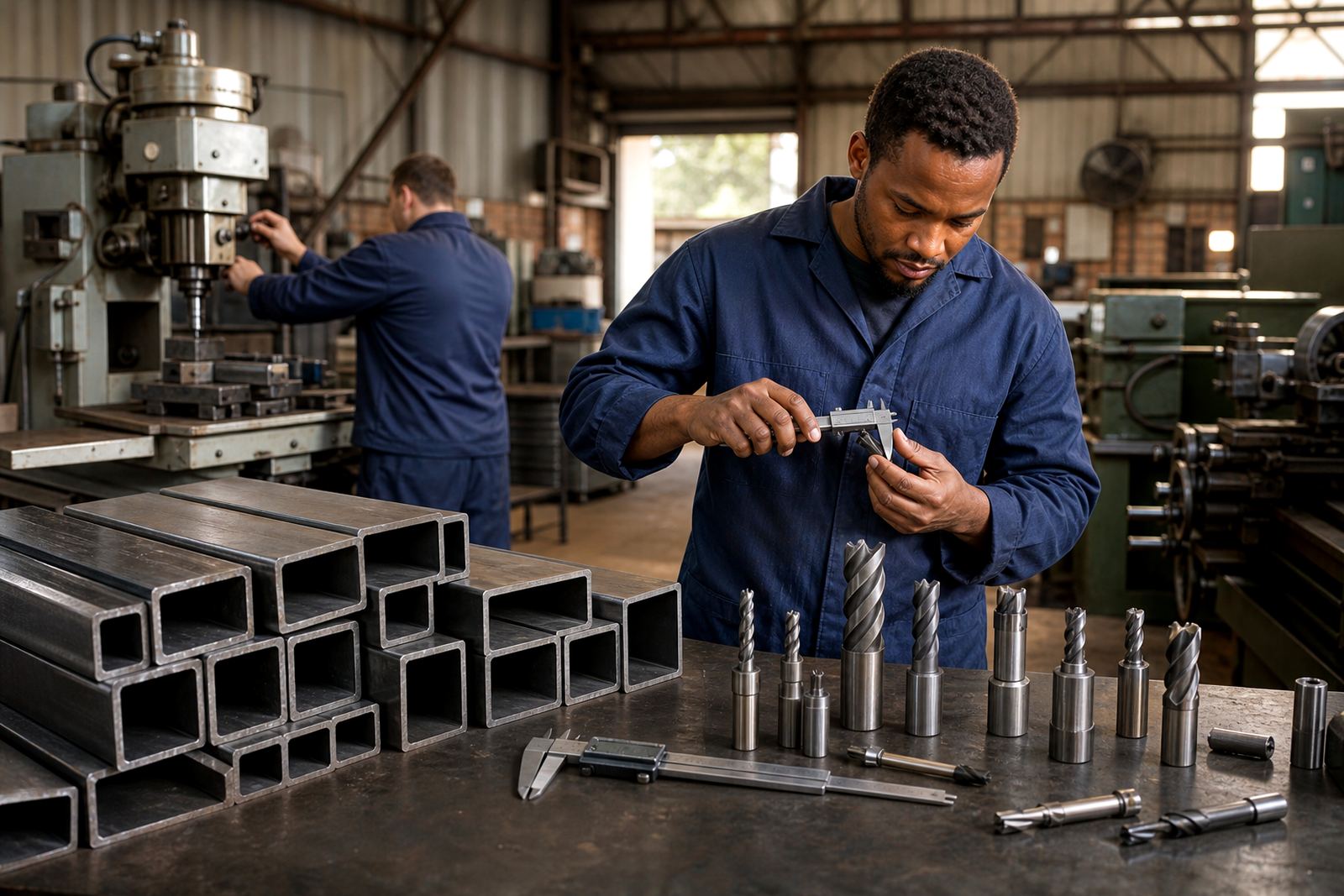
The customer was a high-output toolroom in Boksburg serving general engineering and production jobs across steel, stainless steel and aluminium. Their problem was not one single tool failure, it was the constant interruption caused by trying to cover too many jobs with too many loose tool choices. Every shift had a different mix of components, and the operators were spending too long checking speeds, feeds and which end mill or drill was left in stock.
The brief was practical. Reduce setup delays, tighten the carbide stock list and improve tool life without forcing the team into a complicated buying routine. The workshop needed tools that would cope with repeated short runs, urgent rework and day-to-day production changes. They also wanted cleaner stock control, because a toolroom can lose time fast when the right size is there one day and missing the next.
What the brief included and what was getting in the way
They were working from a mixed-material machine pool with CNC machining centres and manual follow-up work on occasion. Load-shedding meant some shifts had uneven production windows, so a tool that ran well the first time mattered more than one that looked good on paper. The site also had to deal with workshop dust, coolant splash and a fair amount of humidity during the wetter months, which can affect storage and tool handling if stock sits too long in open areas.
- Mixed materials: mild steel, tool steel, stainless steel and non-ferrous parts
- Tooling pain points: chipped edges, repeat setups, and too many emergency orders
- Stock issues: duplicates of slow movers, gaps in common diameters and short flute lengths
- Production goal: keep the machines cutting with fewer changeovers and less guesswork
We started by looking at their most common cutter sizes, the holes they drilled every week and the roughing and finishing operations that kept causing delays. That gave us a clean picture of what needed to stay on the shelf and what could be cut back.
The carbide plan we supplied
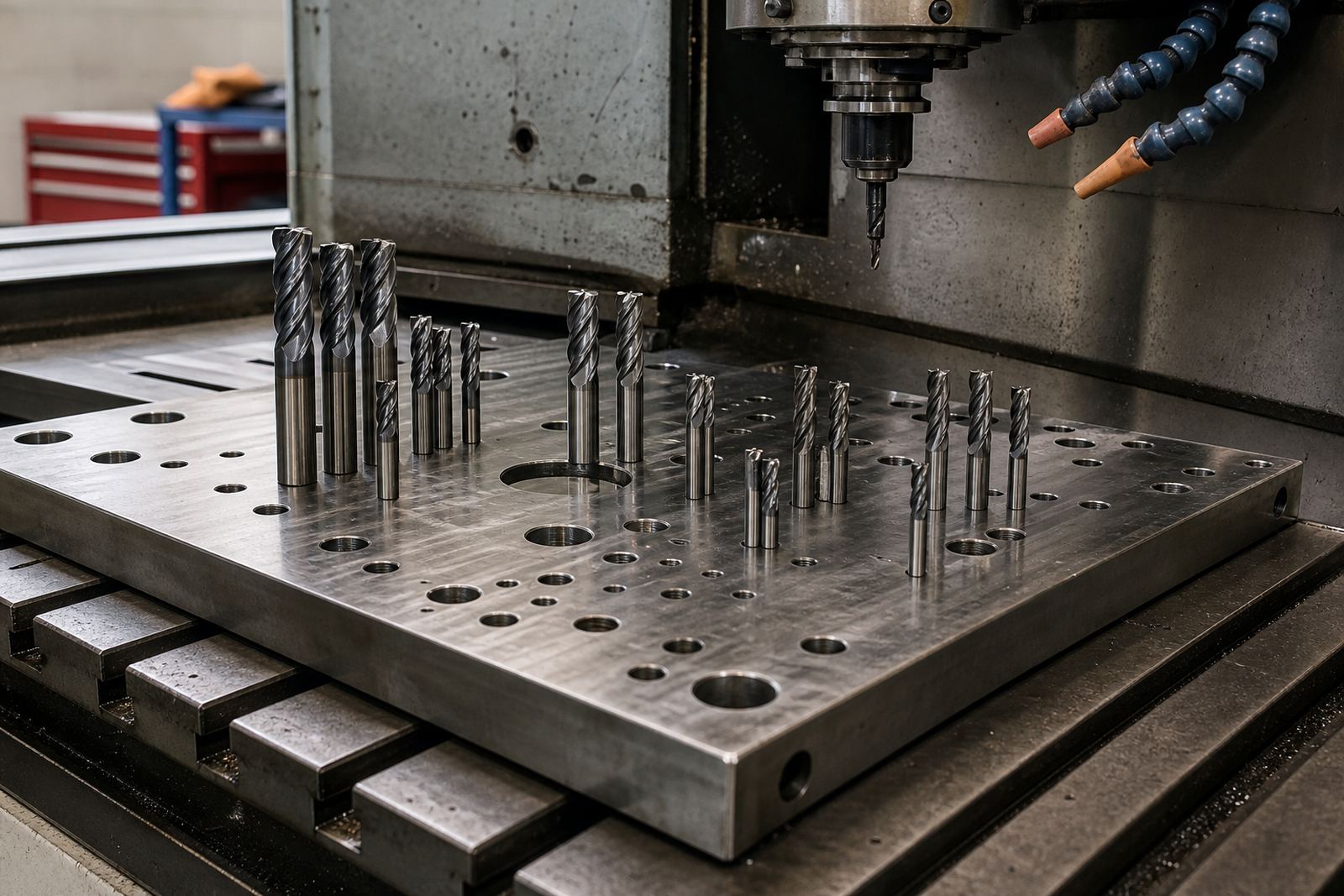
Our team built a simplified stock plan around solid carbide end mills and drills suited to the customer’s day-to-day work. Instead of spreading the budget too thinly across many special items, we prioritised the sizes and geometries that the toolroom used repeatedly. The result was a tighter list with better coverage of everyday jobs, plus support on where each tool should be used.
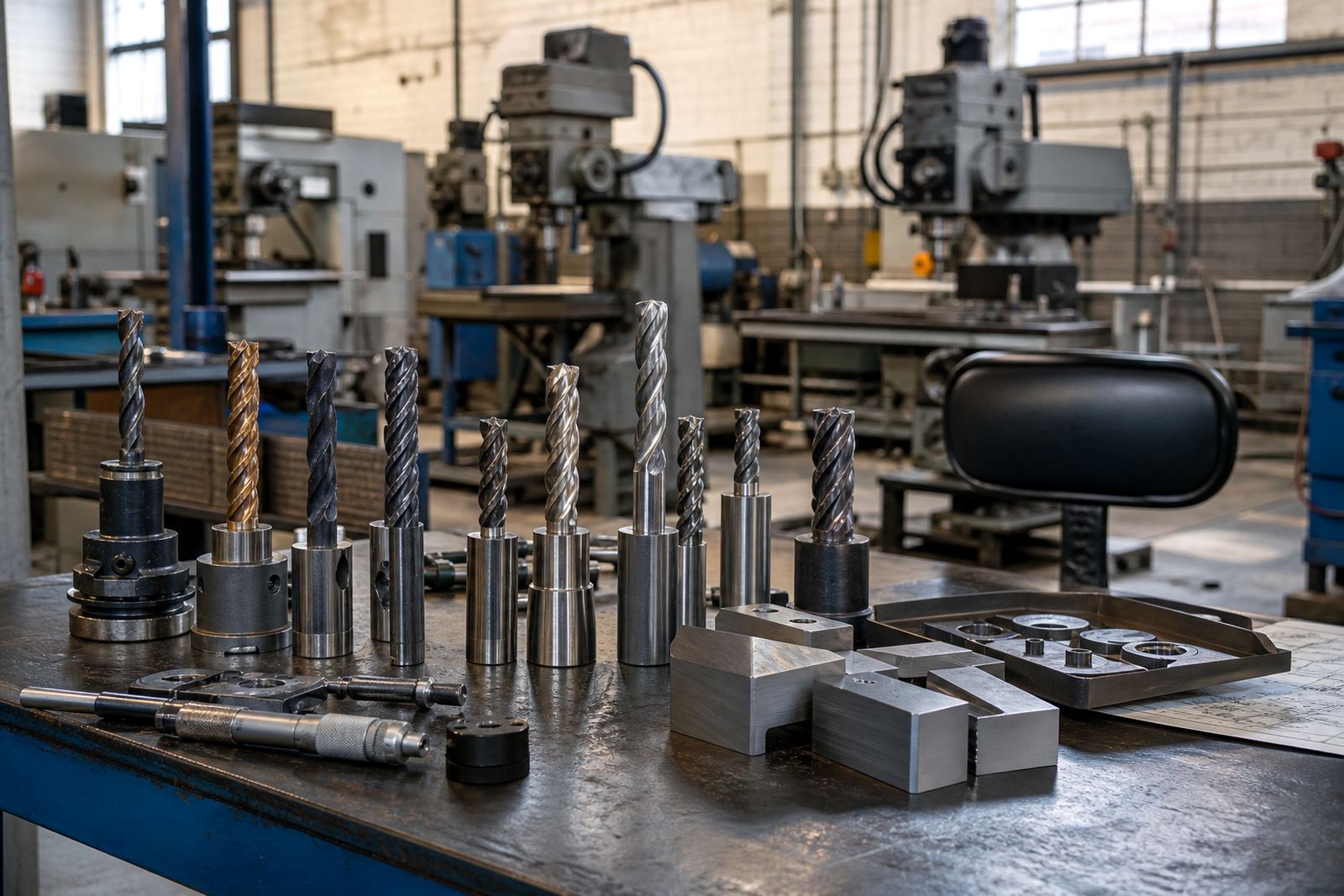
We supplied a mix of general-purpose and application-specific tooling, with attention to flute length, shank size and diameter steps that matched the customer’s machines. For the toolroom, that meant fewer decisions at the machine and fewer surprises during a run. It also made stock planning easier for the people ordering tools, because they could see which items were moving and which were not.
- Solid carbide end mills for roughing, finishing and slotting
- Solid carbide drills for repeat holemaking work
- Diameter coverage built around common shop sizes
- Shorter lead times on urgent replacements from our Wadeville base
Application support from first cut to repeat jobs
Tool supply alone was not enough, so we worked through the application side as well. Johan and the technical team helped the operators match tool choice to material, depth of cut and machine condition. That included basic speed and feed guidance, tool life optimisation and advice on where the same cutter could be used across more than one job family without compromising finish or edge life.
We also helped standardise a few of the common jobs, which reduced the number of tool changes during a shift. When a toolroom has to answer to production, maintenance and rework at the same time, small changes to sequence and stock can save real time. A couple of operators commented that the new plan made it easier to keep the machines on cut instead of stopping to check the next cutter.
- Speed and feed advice for common materials
- Tool life checks on repeat operations
- Material matching for steel and non-ferrous work
- Production standardising for routine parts
Timeline, stock planning and urgent supply
The project ran over four weeks. Week one was the audit of current tooling and the most frequent machine jobs. Week two was the stock rationalisation and application review. Week three covered first supply, sample tool trials and small adjustments on a few holemaking and finishing operations. Week four was the follow-up, where we checked what was moving and what could be trimmed from the standing list.
Because the customer needed to stay responsive to walk-in work and short-notice production, we planned the shelf list around urgent replacement items as well. That meant the toolroom did not need to wait on every small change. A better stock mix, plus reliable replenishment, gave them more breathing room when jobs changed at short notice.
What changed after the new stock mix
The biggest change was not dramatic on one single machine, but steady across the workshop. Setup interruptions dropped because the team had the right cutters on hand more often. Operators spent less time hunting for a suitable size, and the ordering process became simpler for the people managing the shelf. The customer also reported more consistent tool performance across similar jobs, which helped with planning on tight shifts.
They also saw less waste from overbuying odd sizes that were only used once or twice. By trimming the stock list and keeping the working sizes in better supply, the toolroom used its budget more effectively. It is the kind of improvement that shows up in small ways every day, especially when the shop is busy and there is pressure to keep jobs moving.
- Fewer setup interruptions during the shift
- Cleaner stock holding for common carbide sizes
- More predictable tool life on repeat work
- Less time lost to emergency ordering
What we would repeat on the next toolroom job
If we were doing the same job again, we would keep the process exactly as practical as this one: start with the machine mix, map the regular materials, and build the carbide shelf around the work that happens every week. That approach works better than trying to cover every possible job with a long list of specials. It also makes sense in a South African workshop where power interruptions, machine downtime and urgent changeovers can all happen in the same week.
For a Boksburg toolroom, the key is to keep stock lean enough to manage, but broad enough to avoid stoppages. That balance is what made the project work here. With the right selection, the team could carry on with less fiddling and more cutting, and the whole shop ran a bit calmer by the end of the month.
Key facts
| Project location | Boksburg, Gauteng |
|---|---|
| Client type | Busy mixed-material toolroom |
| Timeline | 4 weeks |
| Core supply | Solid carbide end mills and drills |
| Service focus | Tool selection, application support and stock planning |
| Main outcome | Reduced setup interruptions and simpler carbide stock control |